 Ver en contexto
 Enviar
 Compartir
 Detalles

 Descargar
 Similares
 Radiografía
 Presentación de diapositivas
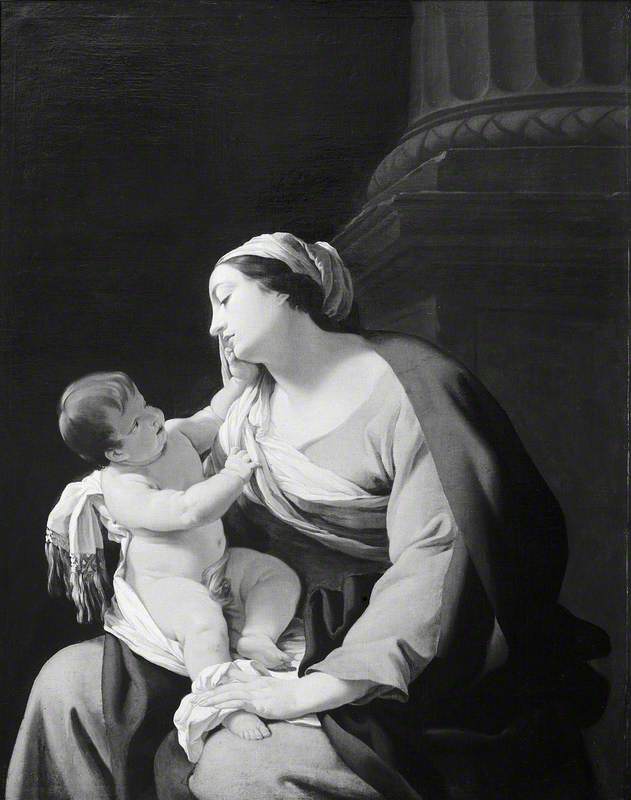
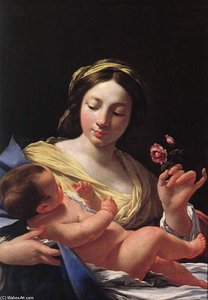
The Virgin and Child (of the Column)
 Oil On Canvas
- WallArt
- Baroque
 1640
1640 135.0 x 108.0 cm
 El Museo Ashmolean de Arte y Arqueología
 Ver más
Reproducción al óleo hecha a mano
Óleo sobre lienzo pintado a mano en el tamaño y marco de su elección, realizado por encargo por nuestros artistas. ( Comprar impresión Comprar imagen)




P118B $10

P118H $10

P118W $10

P438Z $10

P508JH $12

P508YH $12

P805H $10

P805Z $10

P919BZ $10

P919G $10

P919XJ $10

P959ZH $10

P968JZ $12

W106C $8

W218G $10

W218JH $8

W218Y $10

W307PJ $10

W316G $10

W316PJ $8

W316Y $10

W398PJ $8

W4111J $10

W500HY $15

W500JH $15

W692G $12

W849H $8

W940BG $15

W953PJ $8




Elija entre nuestros tamaños predefinidos que respetan las proporciones originales de la obra.

Puede ingresar sus propias dimensiones para adaptarse a un marco o espacio específico. Si el tamaño seleccionado no coincide con las proporciones de la imagen original, recortaremos la obra o extenderemos la pintura con elementos adicionales pintados a mano. Se le enviará una maqueta digital para su aprobación antes de comenzar la producción.
Tenga en cuenta que la vista previa en pantalla no refleja el recorte o la extensión reales. Solo la maqueta mostrará con precisión la composición final.
Si bien existen tamaños personalizados, recomendamos seleccionar una dimensión de la lista predefinida para preservar las proporciones originales.
Tras realizar el pedido, el equipo de ArtsDot.com enviará un correo electrónico al cliente para solicitar instrucciones y proporcionarle una vista previa del boceto.
Envío a todo el mundo () en 3-4 semanas en lugar de las 5 semanas estándar. (26 agosto). Sin comprometer la calidad.

Envío exprés gratuito a todo el mundo

Lienzo de lino de alta calidad

Seguro de envío total

Garantía de reembolso de impuestos aduaneros

Garantía de fidelidad cromática exacta

Política de devolución de 60 días (solo por defectos)

Garantía de devolución del 100% del dinero

Descuento por cantidad
 La opción de vidrio solo está disponible en tamaños inferiores a 110 cm.

The Virgin and Child (of the Column)
Técnica de reproducción
Dimensiones de la reproducción
-


Precio total final
$ 313
Descripción de la obra
A Testament to Faith: Simon Vouet’s “The Virgin and Child (of the Column)”
Simon Vouet's "The Virgin and Child (of the Column)," painted in 1640, is more than just a depiction of a sacred scene; it’s a masterful distillation of the burgeoning Baroque style and a poignant expression of maternal devotion. This captivating work, now meticulously reproduced as a hand-painted artwork, transports viewers to a world where divine grace intertwines with earthly tenderness. The painting immediately draws the eye to the central figures – Mary cradling the Christ Child – their expressions radiating an almost palpable serenity. The composition isn’t merely static; it possesses a dynamic quality, achieved through subtle shifts in pose and gaze that invite contemplation.
Vouet, a pivotal figure in transitioning French painting from Mannerism to Baroque, was deeply influenced by his time spent in Italy, particularly the works of Caravaggio. This influence is evident in the dramatic use of light and shadow, creating a sense of depth and volume within the figures. The muted color palette – primarily grays, creams, and browns – serves not as an absence of vibrancy but rather as a deliberate choice to emphasize form and texture. The artist skillfully employs tonal variations, mimicking the appearance of fabric folds and the rough surface of the column behind Mary, lending a remarkable sense of realism to the scene.
A Baroque Masterpiece: Style, Technique, and Historical Context
“The Virgin and Child (of the Column)” firmly establishes Vouet within the Baroque movement. Characterized by emotional intensity, dramatic lighting, and a heightened sense of realism, Baroque art sought to evoke powerful feelings in the viewer. Vouet’s approach is particularly notable for its meticulous attention to detail – from the delicate folds of Mary's garments to the subtle expressions on the faces of the children. The painting demonstrates a sophisticated understanding of perspective, creating an illusion of three-dimensionality that anchors the scene within a believable space.
Painted during a period of significant religious and political upheaval in France, this work reflects the Counter-Reformation’s emphasis on piety and devotion. Columns depicting the Virgin Mary were increasingly popular throughout Europe as a tangible expression of faith – a visible reminder of divine protection and grace. The choice to depict the scene “of the Column” likely alludes to an ancient Roman tradition where columns were erected in honor of deities, subtly connecting this religious image with a rich historical precedent.
Symbolism and Emotional Resonance
Beyond its aesthetic qualities, "The Virgin and Child (of the Column)" is laden with symbolic meaning. The column itself represents strength, stability, and divine support – mirroring Mary’s role as both mother and protector. The Christ Child's upward gaze symbolizes his innocence and vulnerability, while Mary’s serene expression embodies maternal love and spiritual devotion. The two figures in the background, often interpreted as John the Baptist and Joseph, add depth to the narrative, suggesting a broader community united in faith.
The painting’s emotional impact is profound. It evokes feelings of tenderness, peace, and reverence – inviting viewers to contemplate the timeless themes of motherhood, faith, and divine grace. It's not merely a representation of a biblical scene; it’s an invitation to connect with something larger than oneself.
Artistic Details & Reproduction
Measuring 135 x 108 cm, “The Virgin and Child (of the Column)” is a substantial work that commands attention. Simon Vouet's masterful technique—characterized by precise rendering of form and texture through tonal variations—is faithfully reproduced in our hand-painted reproductions. Each brushstroke captures the essence of the original, ensuring an authentic and captivating experience. The artwork’s rich detail and nuanced color palette are brought to life with exceptional clarity, making it a stunning addition to any home or office.
Available as a high-quality reproduction, this iconic piece offers a timeless expression of faith and beauty – a perfect choice for art enthusiasts, collectors, and those seeking to infuse their spaces with a touch of Baroque elegance.
Obras relacionadas
Biografía del artista
Simón Vouet: Pionero de la Pintura Barroca Francesa
- Nacido: 9 de enero de 1590, París, Francia
- Fallecido: 30 de junio de 1649, París, Francia
Simón Vouet fue una figura clave en la transición de la pintura francesa del manierismo al estilo barroco. Nacido en una familia artística – su padre Laurent era pintor y su hermano Aubin también se dedicó al arte – Vouet recibió una formación temprana que sentó las bases para su futuro éxito. Su nieto, Ludovico Dorigny, continuaría el legado artístico de la familia.
Primeros Años e Influencias Italianas (1608-1627)
- Primeros Retratos: Vouet comenzó su carrera como retratista, demostrando un talento temprano.
- Viaje a Inglaterra (1608): Con tan solo 14 años, viajó a Inglaterra para pintar un retrato por encargo, mostrando su creciente reputación.
- Imperio Otomano y Venecia: En 1611, Vouet se unió a la comitiva del Barón de Sancy, embajador francés en el Imperio Otomano, nuevamente para trabajos de retratismo. Este viaje lo llevó por Constantinopla y luego a Venecia en 1612.
- Roma (1614-1627): Su tiempo en Roma resultó transformador. Permaneció allí durante trece años, sumergiéndose en la vibrante escena artística del floreciente período barroco.
Durante su estancia italiana, Vouet absorbió una diversa gama de influencias. Estudió las técnicas de iluminación dramática pioneras por Caravaggio, abrazó elementos del manierismo italiano y analizó meticulosamente las paletas de colores y el di sotto in su (perspectiva acortada) empleadas por Paolo Veronese. También se inspiró en las obras de Carracci, Guercino, Lanfranco y Guido Reni, sintetizando estos diversos estilos en una visión artística única.
Desarrollo del Estilo Distintivo de Vouet
- Elección a la Accademia di San Luca (1624): Su éxito en Roma culminó con su elección como presidente de la prestigiosa Accademia di San Luca, un testimonio de su habilidad y reconocimiento dentro del mundo artístico italiano.
- Síntesis de Influencias: El estilo de Vouet se caracterizó por su capacidad para absorber y destilar diversas influencias artísticas. No simplemente copiaba; integró estos elementos en una estética barroca distintivamente italianizante y cohesiva.
- Introducción del Barroco a Francia: Tras su regreso a Francia en 1627, Vouet jugó un papel crucial en la introducción del estilo barroco italiano a la pintura francesa, impactando significativamente el panorama artístico del país.
Logros Principales y Legado
- Premier Peintre du Roi: Vouet fue nombrado Premier peintre du Roi (Primer Pintor del Rey), un puesto de considerable prestigio e influencia.
- Taller Prolífico: Mantuvo un taller grande y activo, formando a numerosos artistas que moldearían la generación francesa de pintores posterior.
- Alumnos Destacados: Entre sus alumnos más influyentes se encontraban Charles Le Brun (quien luego organizó toda la pintura decorativa en Versalles), Valentin de Boulogne, Charles Alphonse du Fresnoy, Pierre Mignard, Eustache Le Sueur y Claude Mellan.
- Influencia en el Arte Francés: El impacto de Vouet se extendió más allá de sus propias obras; sus alumnos llevaron su estilo y técnicas por toda Francia, estableciendo una escuela distintivamente barroca de pintura. Su influencia es particularmente evidente en los grandes esquemas decorativos encargados por Luis XIV.
Significado Histórico
El legado de Simón Vouet reside en su papel fundamental como puente entre el arte italiano y francés. Importó con éxito el dinamismo y la grandeza del barroco italiano, transformándolo en un estilo que resonaba con los gustos de la corte y la aristocracia francesas. Su influencia es innegable en el desarrollo de la pintura francesa durante el siglo XVII, y sus contribuciones continúan siendo reconocidas por los historiadores del arte en la actualidad.
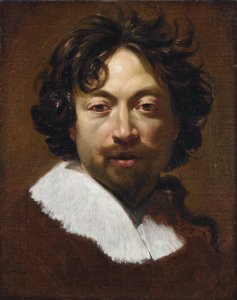
Simón Vouet
1590 - 1649 , Francia
Datos clave
- Artistas Influenciados:
- Charles Le Brun
- Valentin de Boulogne
- Eustache Le Sueur
- Artistas Que Influyeron:
- Caravaggio
- Paolo Veronese
- Carracci
- Guercino
- Lanfranco
- Guido Reni
- Fecha De Fallecimiento: 30 de junio de 1649
- Fecha De Nacimiento: 9 de enero de 1590
- Lugar De Nacimiento: París, Francia
- Movimiento Artístico: Barroco francés
- Nacionalidad: Francés
- Nombre Completo: Simón Vouet
- Obras Notables:
- Gaucher de Châtillon
- La Riqueza
- Venus y Adonis
- Apoteosis de San Luis
- Presentación en el templo
Artículos relacionados
Simon Vouet: A Baroque Master's Journey from Italian Influence to French Classicism
Explore the life & art of Simon Vouet, a pivotal French Baroque painter who introduced Italian styles to France. Discover his masterpieces and lasting influence on 17th-century art.
Decoding Baroque Grandeur: A Guide to the Drama and Emotion of 17th-Century Art
Explore the breathtaking drama of 17th-century Baroque art. Our expert guide decodes the use of chiaroscuro, emotional intensity, and historical grandeur to help you appreciate and curate timeless masterpieces for your collection.

The Dramatic Flourish: Exploring the Baroque Movement's Enduring Legacy in Art History
Explore the dramatic world of Baroque art! Discover iconic artists like Caravaggio & Rubens, defining techniques, and its lasting impact on art history. Expert insights for collectors & enthusiasts at ArtsDot.

Baroque Classicism: Reconciling Drama & Order in 17th-Century Art
Explore the captivating world of Baroque Classicism! Discover its history, key artists like Caravaggio & Rubens, and defining characteristics. Expert insights & high-quality reproductions at ArtsDot.

Drama Barroca: Llevando la Grandeza y la Emoción a los Interiores Contemporáneos
Descubre cómo el drama y la grandeza del arte barroco pueden transformar tus interiores. Guía experta, inspiración y reproducciones de alta calidad en .