 Ver en contexto
 Enviar
 Compartir
 Detalles

 Descargar
 Similares
 Radiografía
 Presentación de diapositivas
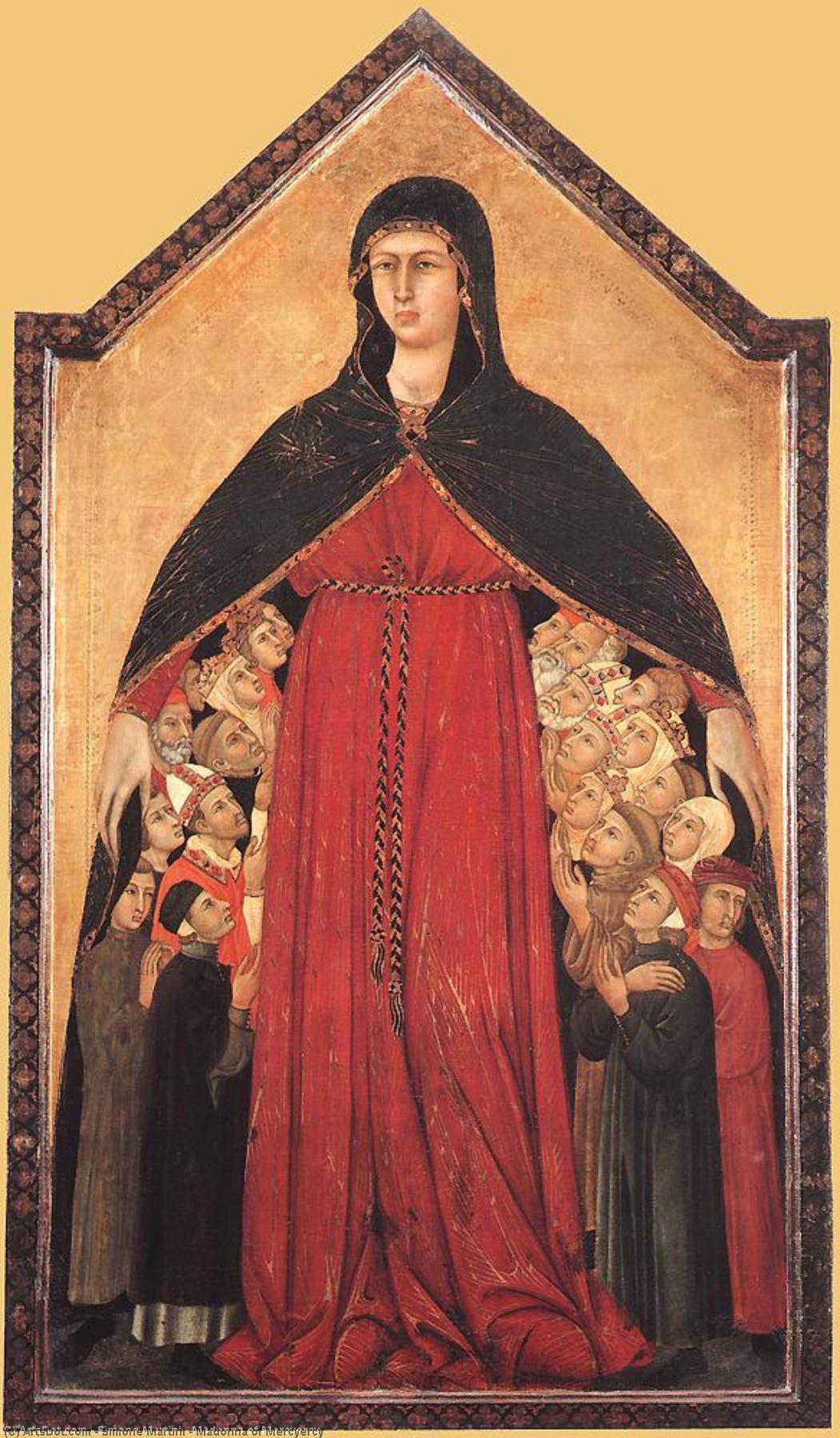
Madonna of Mercyercy


 Ver más
Reproducción al óleo hecha a mano
Óleo sobre lienzo pintado a mano en el tamaño y marco de su elección, realizado por encargo por nuestros artistas. ( Comprar impresión Comprar imagen)




P118B $10

P118H $10

P118W $10

P438Z $10

P508JH $12

P508YH $12

P805H $10

P805Z $10

P919BZ $10

P919G $10

P919XJ $10

P959ZH $10

P968JZ $12

W106C $8

W218G $10

W218JH $8

W218Y $10

W307PJ $10

W316G $10

W316PJ $8

W316Y $10

W398PJ $8

W4111J $10

W500HY $15

W500JH $15

W692G $12

W849H $8

W940BG $15

W953PJ $8




Elija entre nuestros tamaños predefinidos que respetan las proporciones originales de la obra.

Puede ingresar sus propias dimensiones para adaptarse a un marco o espacio específico. Si el tamaño seleccionado no coincide con las proporciones de la imagen original, recortaremos la obra o extenderemos la pintura con elementos adicionales pintados a mano. Se le enviará una maqueta digital para su aprobación antes de comenzar la producción.
Tenga en cuenta que la vista previa en pantalla no refleja el recorte o la extensión reales. Solo la maqueta mostrará con precisión la composición final.
Si bien existen tamaños personalizados, recomendamos seleccionar una dimensión de la lista predefinida para preservar las proporciones originales.
Tras realizar el pedido, el equipo de ArtsDot.com enviará un correo electrónico al cliente para solicitar instrucciones y proporcionarle una vista previa del boceto.
Envío a todo el mundo () en 3-4 semanas en lugar de las 5 semanas estándar. (25 agosto). Sin comprometer la calidad.

Envío exprés gratuito a todo el mundo

Lienzo de lino de alta calidad

Seguro de envío total

Garantía de reembolso de impuestos aduaneros

Garantía de fidelidad cromática exacta

Política de devolución de 60 días (solo por defectos)

Garantía de devolución del 100% del dinero

Descuento por cantidad
 La opción de vidrio solo está disponible en tamaños inferiores a 110 cm.

Madonna of Mercyercy
Técnica de reproducción
Dimensiones de la reproducción
-


Precio total final
$ 263
Descripción de la obra
A Vision of Divine Compassion
In the heart of the Sienese Golden Age, around 1305, Simone Martini breathed life into a masterpiece that would become an enduring icon of spiritual tenderness: the Madonna of Mercy. This painting is far more than a mere religious relic; it is a profound window into a world where the celestial and the terrestrial meet in a delicate embrace. At its center, the Virgin Mary sits with a regal yet approachable grace, her presence commanding the space through an unparalleled elegance. To gaze upon this work is to witness the dawn of a new artistic era, where the rigid structures of the early medieval period began to soften into the fluid, emotive beauty that would eventually define the International Gothic style.
The composition captures a moment of profound protection and grace. The Madonna, draped in rich, luminous reds, serves as a sanctuary for the faithful. Her gaze, directed upward toward the crucifix, creates a spiritual bridge between human suffering and divine redemption. Surrounding her, the presence of figures such as Saint Benedict and Saint Dominic adds layers of monastic devotion to the scene, suggesting a community gathered under her mantle of mercy. For the discerning collector or designer, this piece offers more than just visual splendor; it provides a focal point of profound serenity, making it an exquisite addition to any space intended for contemplation or sophisticated repose.
Mastery of Line and Luminous Color
Martini’s technical prowess is nothing short of extraordinary, characterized by a meticulous attention to detail that anticipates the precision of the Renaissance. Utilizing the traditional medium of tempera on panel, the artist achieved a surface that seems to glow from within. The technique allows for a masterful manipulation of color palettes, where subtle hues of gold and deep, velvety reds interact to create a sense of sculptural depth. His linework is exceptionally fine, defining the contours of the Madonna’s features and the intricate folds of her garments with a rhythmic precision that lends the figures a weightless, ethereal quality.
This mastery of light and line serves a higher purpose: to evoke an emotional response in the viewer. The luminosity of the gold leaf does not merely decorate; it sanctifies the subject, casting a divine radiance over the entire panel. For those seeking to incorporate high-quality reproductions into a curated interior, the textural richness of Martini’s technique offers a sense of historical depth and luxury. The interplay of light across the painted surfaces ensures that the artwork remains dynamic, changing character as the ambient light in a room shifts throughout the day.
A Legacy of Sienese Elegance
To understand the Madonna of Mercy, one must understand the vibrant atmosphere of Siena during the fourteenth century. As a powerful ecclesiastical and cultural center, Siena fostered an environment where art was both a tool for liturgy and a celebration of civic identity. Martini, a master of courtly refinement, infused his work with a sophisticated aesthetic that reflected the prestige of his patrons, including the high clergy of the Siena Cathedral. His ability to blend the spiritual gravity of the Byzantine tradition with a new, flowing naturalism makes this painting a cornerstone of Western art history.
Choosing a reproduction of such a significant work allows one to bring a piece of this storied heritage into the modern home. It is an invitation to surround oneself with the themes of mercy, protection, and timeless beauty. Whether placed in a grand gallery or a quiet study, Martini’s vision continues to inspire awe, offering a sense of continuity between the sacred traditions of the past and the aesthetic aspirations of the present.
Obras relacionadas


Biografía del artista
Simone Martini: Un Maestro del Gótico Internacional
Vida Temprana y Formación
- Nacimiento: Alrededor de 1284 en Siena, Italia.
- Orígenes: Simone Martini emergió de la vibrante comunidad artística de la pintura sienesa durante un período de floreciente prosperidad cultural.
- Línea Artística: Se cree ampliamente que Martini fue inicialmente entrenado como discípulo de Duccio di Buoninsegna, el principal pintor sienés de su tiempo. Sin embargo, algunos relatos históricos, en particular los de Giorgio Vasari, sugieren una posible aprendizaje bajo Giotto di Bondone.
- Conexiones Familiares: Su cuñado era otro artista, Lippo Memmi, con quien colaboró en varios proyectos.
Desarrollo Artístico y Estilo
- Estilo Distintivo: El estilo de Martini se caracteriza por su elegancia, detalles refinados y líneas gráciles. Ofrecía un contraste llamativo con la tradición artística florentina más monumental y austera.
- Influencias: Su obra demuestra influencias de la iluminación de manuscritos franceses y el tallado en ivo, reflejando el intercambio cultural facilitado por rutas comerciales como la Via Francigena.
- Características Clave: Rasgos suaves y decorativos, líneas sinuosas, elegancia cortesana y un enfoque en la artesanía refinada definen su enfoque artístico.
Obras Maestras y Logros
- Santa Lucía de Tolosa Coronando a Robert de Anjou (1317): Esta obra maestra, ahora ubicada en el Museo di Capodimonte en Nápoles, exhibe la habilidad narrativa y la composición elegante de Martini.
- Poliptico de Santa Catalina de Alejandría (1319): Ubicado en Pisa, este políptico ejemplifica su maestría en el color y los detalles.
- Anunciación con Santa Margarita y Santa Ansano (1333): Esta obra en la Galería Uffizi de Florencia es celebrada por su delicada belleza y estética refinada.
- Frescos en San Francesco d'Assisi: Sus frescos dentro de la Basílica de San Francesco d’Assisi demuestran su habilidad en la pintura decorativa a gran escala.
Vida en la Corte de Avignon y Petrarca
- Traslado a Avignon: En 1336, Martini aceptó una comisión para crear frescos para el Palacio Papal en Avignon, Francia. Allí permaneció hasta su muerte.
- Relación con Petrarca: Mientras estaba en Avignon, se hizo amigo del renombrado poeta Francesco Petrarca (Petrarch).
- Retrato de Laura: Según Vasari y como se refiere en los sonetos de Petrarca, se cree que Martini pintó un retrato de Laura de Noves, la musa de Petrarca.
Significado Histórico y Legado
- Estilo Gótico Internacional: Simone Martini desempeñó un papel crucial en el desarrollo y la difusión del estilo gótico internacional en toda Europa.
- Influencia en Artistas Posteriores: Su estética elegante y su técnica refinada influyeron a generaciones de artistas, dando forma al curso de la pintura medieval tardía y renacentista temprana.
- Impacto Duradero: La obra de Martini continúa siendo admirada por su belleza, sofisticación e importancia histórica, consolidando su lugar como maestro del arte italiano.

Simone Martini
1284 - 1344 , italy
Datos clave
- Artistas Influyentes:
- Duccio di Buoninsegna
- Giotto di Bondone
- Estilo Artístico: Gótico Internacional
- Fecha De Muerte: 1344
- Fecha De Nacimiento: c. 1284
- Influencia Artística: Generaciones de artistas
- Lugar De Nacimiento: Siena, Italia
- Nacionalidad: Italiana
- Nombre Completo: Simone Martini
- Obras Notables:
- Santa Lucía de Tolosa
- Políptico de Santa Catalina
- Anunciación con Santos
- Frescos en San Francesco
Artículos relacionados

Simone Martini: Innovation, Spirituality & Courtly Refinement in Sienese Painting
Explore the captivating world of Simone Martini, a pivotal figure in Sienese painting & the International Gothic style. Discover his innovative techniques, spiritual depth, and lasting influence on early Renaissance art.

The Enduring Legacy of Oil on Canvas: Technique, History & Aesthetic Impact
Explore the rich history & techniques of oil painting – from Renaissance masters to Impressionism. Discover pigments, layering methods, and why this timeless medium endures. Expert insights for artists & art enthusiasts.

El Óleo sobre Lienzo: Historia, Técnica y la Persistencia de un Medio Artístico Atemporal
Descubre la historia y técnica del óleo sobre lienzo. Explora reproducciones fieles hechas a mano, personalización artística y consejos de expertos con ArtsDot. ¡Colecciona arte con confianza!

The Enduring Power of Painting: A Historical & Contemporary Exploration of Form and Emotion
Explore the rich history & enduring techniques of oil painting with ArtsDot. Discover masterpieces, learn about art collecting, and find authentic handmade reproductions crafted by skilled artists.

El Legado Duradero del Óleo sobre Lienzo: Técnica, Historia y Práctica Contemporánea
Descubre la historia y técnica del óleo sobre lienzo. Explora reproducciones fieles hechas a mano, personalización artística y consejos de expertos con .