 Ver en contexto
 Enviar
 Compartir
 Detalles

 Descargar
 Similares
 Radiografía
 Presentación de diapositivas
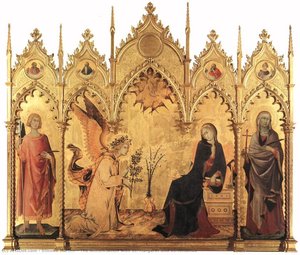
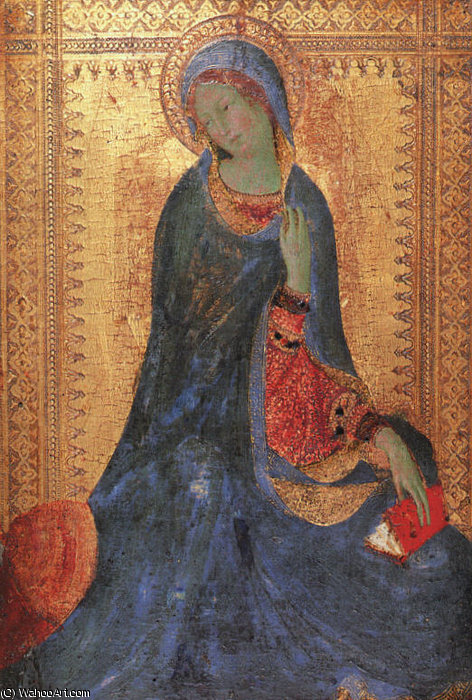
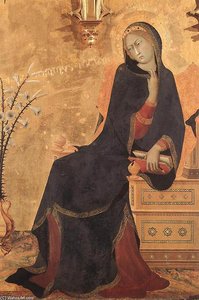
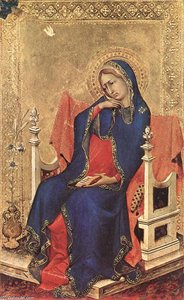
The Virgin of the Annunciation, 1333, tempera on woo


 Ver más
Reproducción al óleo hecha a mano
Óleo sobre lienzo pintado a mano en el tamaño y marco de su elección, realizado por encargo por nuestros artistas. ( Comprar impresión Comprar imagen)




P118B $10

P118H $10

P118W $10

P438Z $10

P508JH $12

P508YH $12

P805H $10

P805Z $10

P919BZ $10

P919G $10

P919XJ $10

P959ZH $10

P968JZ $12

W106C $8

W218G $10

W218JH $8

W218Y $10

W307PJ $10

W316G $10

W316PJ $8

W316Y $10

W398PJ $8

W4111J $10

W500HY $15

W500JH $15

W692G $12

W849H $8

W940BG $15

W953PJ $8




Elija entre nuestros tamaños predefinidos que respetan las proporciones originales de la obra.

Puede ingresar sus propias dimensiones para adaptarse a un marco o espacio específico. Si el tamaño seleccionado no coincide con las proporciones de la imagen original, recortaremos la obra o extenderemos la pintura con elementos adicionales pintados a mano. Se le enviará una maqueta digital para su aprobación antes de comenzar la producción.
Tenga en cuenta que la vista previa en pantalla no refleja el recorte o la extensión reales. Solo la maqueta mostrará con precisión la composición final.
Si bien existen tamaños personalizados, recomendamos seleccionar una dimensión de la lista predefinida para preservar las proporciones originales.
Tras realizar el pedido, el equipo de ArtsDot.com enviará un correo electrónico al cliente para solicitar instrucciones y proporcionarle una vista previa del boceto.
Envío a todo el mundo () en 3-4 semanas en lugar de las 5 semanas estándar. (24 agosto). Sin comprometer la calidad.

Envío exprés gratuito a todo el mundo

Lienzo de lino de alta calidad

Seguro de envío total

Garantía de reembolso de impuestos aduaneros

Garantía de fidelidad cromática exacta

Política de devolución de 60 días (solo por defectos)

Garantía de devolución del 100% del dinero

Descuento por cantidad
 La opción de vidrio solo está disponible en tamaños inferiores a 110 cm.

The Virgin of the Annunciation, 1333, tempera on woo
Técnica de reproducción
Dimensiones de la reproducción
-


Precio total final
$ 263
Descripción de la obra
A Symphony of Sienese Grace
In the quiet, luminous realm of Simone Martini’s The Virgin of the Annunciation, time seems to suspend itself in a moment of eternal reverence. Created in 1333, this masterpiece serves as a profound testament to the divine grace that defined the Sienese school during the early fourteenth century. The painting captures Saint Mary not merely as a historical figure, but as an embodiment of serenity and spiritual receptivity. Seated within an exquisitely ornate interior, her posture exudes a gentle humility, inviting the viewer into the sacred hush of the Annunciation. As the Archangel Gabriel delivers the celestial news, the composition draws us into a world where the boundary between the earthly and the divine becomes beautifully blurred.
The technical mastery displayed in this work is nothing short of breathtaking, showcasing the refined aesthetic of the late Gothic period. Martini, an architect of elegance, utilized tempera on wood panel to achieve a level of luminosity that remains captivating centuries later. Through the meticulous layering of glazes over pigment, he created a shimmering surface that catches the light with every movement, imitatively reflecting the ethereal nature of the subject. The delicate drapery folds and the elongated, graceful silhouettes are hallmarks of his style, distinguishing his work from the more monumental, heavy-handed approaches of his contemporaries. For those seeking to bring a sense of sophisticated history into a contemporary space, the subtle tonal gradations and the soft, glowing textures of this piece offer an unparalleled depth.
Symbolism and the Language of Devotion
Beyond its visual splendor, the painting is a rich tapestry of symbolic meaning, designed to be read by the faithful and the learned alike. Martini masterfully incorporates natural elements to reinforce the narrative of salvation; the presence of birds perched near the Virgin serves as a poignant metaphor for divine messengership and the promise of resurrection. These small, delicate details ground the celestial event in a sense of living, breathing reality. Furthermore, the book resting upon Mary’s lap is far more than a mere prop—it represents the weight of scripture, knowledge, and the steadfast faith that serves as the cornerstone of Christian belief.
To possess or display a reproduction of such a work is to invite an atmosphere of contemplative peace into one's environment. The interplay between the opulent Sienese surroundings—reflecting the wealth and sophistication of the era's aristocratic patrons—and the profound spiritual purity of the Virgin creates a compelling tension. It is a piece that speaks to both the worldly desire for beauty and the soulful longing for transcendence. Whether gracing a curated gallery or serving as a focal point in a thoughtfully designed interior, The Virgin of the Annunciation continues to inspire awe, offering a window into a golden age of Italian artistry where every brushstroke was an act of devotion.
Obras relacionadas

Biografía del artista
Simone Martini: Un Maestro del Gótico Internacional
Vida Temprana y Formación
- Nacimiento: Alrededor de 1284 en Siena, Italia.
- Orígenes: Simone Martini emergió de la vibrante comunidad artística de la pintura sienesa durante un período de floreciente prosperidad cultural.
- Línea Artística: Se cree ampliamente que Martini fue inicialmente entrenado como discípulo de Duccio di Buoninsegna, el principal pintor sienés de su tiempo. Sin embargo, algunos relatos históricos, en particular los de Giorgio Vasari, sugieren una posible aprendizaje bajo Giotto di Bondone.
- Conexiones Familiares: Su cuñado era otro artista, Lippo Memmi, con quien colaboró en varios proyectos.
Desarrollo Artístico y Estilo
- Estilo Distintivo: El estilo de Martini se caracteriza por su elegancia, detalles refinados y líneas gráciles. Ofrecía un contraste llamativo con la tradición artística florentina más monumental y austera.
- Influencias: Su obra demuestra influencias de la iluminación de manuscritos franceses y el tallado en ivo, reflejando el intercambio cultural facilitado por rutas comerciales como la Via Francigena.
- Características Clave: Rasgos suaves y decorativos, líneas sinuosas, elegancia cortesana y un enfoque en la artesanía refinada definen su enfoque artístico.
Obras Maestras y Logros
- Santa Lucía de Tolosa Coronando a Robert de Anjou (1317): Esta obra maestra, ahora ubicada en el Museo di Capodimonte en Nápoles, exhibe la habilidad narrativa y la composición elegante de Martini.
- Poliptico de Santa Catalina de Alejandría (1319): Ubicado en Pisa, este políptico ejemplifica su maestría en el color y los detalles.
- Anunciación con Santa Margarita y Santa Ansano (1333): Esta obra en la Galería Uffizi de Florencia es celebrada por su delicada belleza y estética refinada.
- Frescos en San Francesco d'Assisi: Sus frescos dentro de la Basílica de San Francesco d’Assisi demuestran su habilidad en la pintura decorativa a gran escala.
Vida en la Corte de Avignon y Petrarca
- Traslado a Avignon: En 1336, Martini aceptó una comisión para crear frescos para el Palacio Papal en Avignon, Francia. Allí permaneció hasta su muerte.
- Relación con Petrarca: Mientras estaba en Avignon, se hizo amigo del renombrado poeta Francesco Petrarca (Petrarch).
- Retrato de Laura: Según Vasari y como se refiere en los sonetos de Petrarca, se cree que Martini pintó un retrato de Laura de Noves, la musa de Petrarca.
Significado Histórico y Legado
- Estilo Gótico Internacional: Simone Martini desempeñó un papel crucial en el desarrollo y la difusión del estilo gótico internacional en toda Europa.
- Influencia en Artistas Posteriores: Su estética elegante y su técnica refinada influyeron a generaciones de artistas, dando forma al curso de la pintura medieval tardía y renacentista temprana.
- Impacto Duradero: La obra de Martini continúa siendo admirada por su belleza, sofisticación e importancia histórica, consolidando su lugar como maestro del arte italiano.

Simone Martini
1284 - 1344 , italy
Datos clave
- Artistas Influyentes:
- Duccio di Buoninsegna
- Giotto di Bondone
- Estilo Artístico: Gótico Internacional
- Fecha De Muerte: 1344
- Fecha De Nacimiento: c. 1284
- Influencia Artística: Generaciones de artistas
- Lugar De Nacimiento: Siena, Italia
- Nacionalidad: Italiana
- Nombre Completo: Simone Martini
- Obras Notables:
- Santa Lucía de Tolosa
- Políptico de Santa Catalina
- Anunciación con Santos
- Frescos en San Francesco
Artículos relacionados

Simone Martini: Innovation, Spirituality & Courtly Refinement in Sienese Painting
Explore the captivating world of Simone Martini, a pivotal figure in Sienese painting & the International Gothic style. Discover his innovative techniques, spiritual depth, and lasting influence on early Renaissance art.

Fra Angelico: Las 25 Obras Maestras del Renacimiento para Decorar con Arte y Fe
Descubre las 25 obras maestras de Fra Angelico, el pintor renacentista que llenó el arte sacro de luz y fe. Explora su técnica, simbolismo y belleza en frescos e iconos. Encuentra reproducciones de alta calidad para decorar tu hogar con ArtsDot.com.

El Resplandor del Tiempo: Explorando la Técnica y el Legado de la Témpera sobre Tabla
Descubra la fascinante historia y técnica de la témpera sobre tabla. Explore los materiales, el simbolismo y la conservación de esta antigua forma de arte con ArtsDot.

Illuminating History: A Comprehensive Exploration of Tempera Painting Techniques & Artistic Legacy
Explore the rich history & techniques of tempera painting! Discover Renaissance masters like Botticelli & Fra Angelico, conservation insights, and the enduring legacy of this captivating art form.

Jacob Henricus Maris: A Master of Dutch Atmospheric Realism & the Intimate Landscape
Explore the captivating world of Jacob Henricus Maris, a leading figure of the Dutch Hague School. Discover his atmospheric landscapes, signature brushstrokes & lasting influence on 19th-century art. Learn more at ArtsDot.