 Ver en contexto
 Enviar
 Compartir
 Detalles

 Descargar
 Similares
 Radiografía
 Presentación de diapositivas
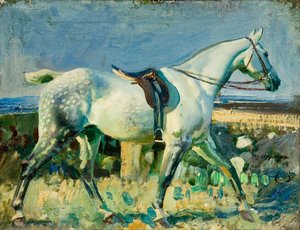
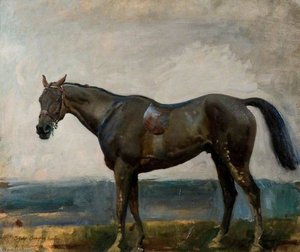
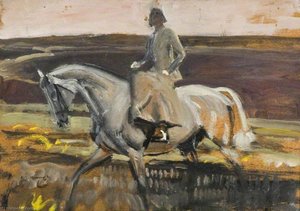
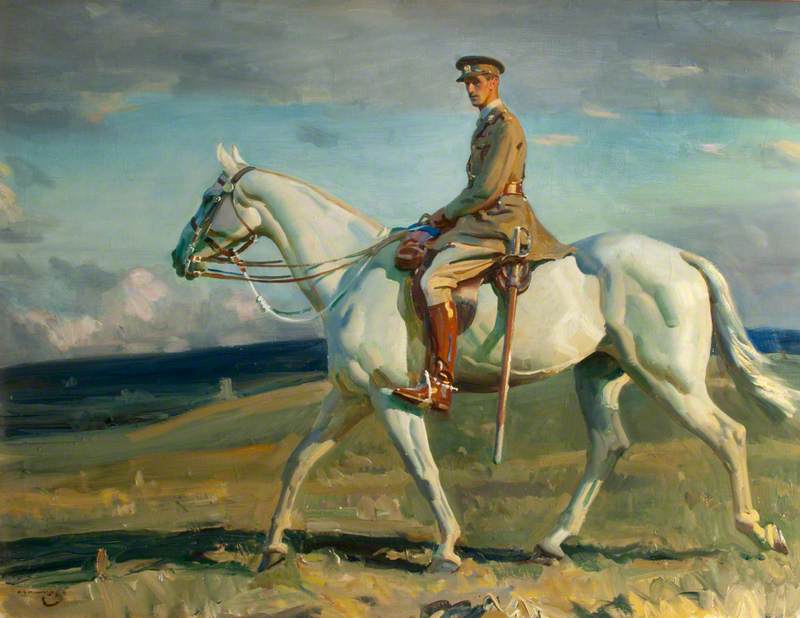
'Grey Lady' Riden by Sir Eric Bonham
 Acrílico sobre lienzo
- Arte de pared
- Impressionistic Landscape
 1919
1919 100.0 x 140.0 cm
 El Museo de los Dragones Rojos Escoceses
 Ver más
Giclée / Impresión de arte
Impresiones giclée o en lienzo de calidad de museo con producción rápida y opciones de acabado flexibles. ( Comprar pintura hecha a mano Comprar imagen)




P118B $10

P118H $10

P118W $10

P438Z $10

P508JH $12

P508YH $12

P805H $10

P805Z $10

P919BZ $10

P919G $10

P919XJ $10

P959ZH $10

P968JZ $12

W106C $8

W218G $10

W218JH $8

W218Y $10

W307PJ $10

W316G $10

W316PJ $8

W316Y $10

W398PJ $8

W4111J $10

W500HY $15

W500JH $15

W692G $12

W849H $8

W940BG $15

W953PJ $8




Elija entre nuestros tamaños predefinidos que respetan las proporciones originales de la obra.

Puede introducir sus propias dimensiones para adaptarse a un marco o espacio específico. Si el tamaño seleccionado no coincide con las proporciones de la imagen original, recortaremos la obra de arte o extenderemos la imagen con un borde con efecto espejo o de color sólido. Se enviará una maqueta digital para su aprobación antes de que comience la producción.
Tenga en cuenta que la vista previa en pantalla no refleja el recorte o la extensión real. Solo la maqueta mostrará con precisión la composición final.
Aunque existen tamaños personalizados, recomendamos seleccionar una dimensión de la lista predefinida para preservar las proporciones originales.
Envío a todo el mundo () en 2 semanas en lugar de las 4/5 semanas estándar. (23 agosto)

Envío exprés gratuito a todo el mundo

Lienzo de lino de alta calidad

Seguro de envío total

Garantía de reembolso de impuestos aduaneros

Garantía de fidelidad cromática exacta

Política de devolución de 60 días (solo por defectos)

Garantía de devolución del 100% del dinero

Descuento por cantidad
 La opción de vidrio solo está disponible en tamaños inferiores a 110 cm.

'Grey Lady' Riden by Sir Eric Bonham
Giclée / Impresión de arte
Dimensiones de la reproducción
-


Precio total final
$ 62
Descripción de la pieza
A Portrait Steeped in Tradition: Exploring ‘Grey Lady’ Riden by Sir Eric Bonham
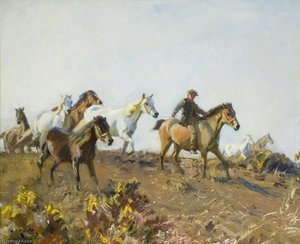
Sir Alfred James Munnings' “Grey Lady” Riden by Sir Eric Bonham, painted in 1919, stands as a quintessential emblem of British equestrian art and the fading grandeur of the Edwardian era. More than just a depiction of a horse and rider, it’s a meticulously crafted tableau that captures not merely visual beauty but also the spirit of a bygone age – one defined by aristocratic pursuits like hunting and a profound respect for the natural world. The painting resides within the Royal Scots Dragoon Guards Museum, safeguarding its legacy as a testament to Munnings' artistic prowess and his unwavering devotion to portraying the essence of rural England.Subject Matter and Composition
The artwork centers around Major Sir Eric Bonham, commanding a magnificent white horse – aptly named “Grey Lady” – traversing a sunlit meadow. Bonham, dressed in military attire indicative of the time, embodies the officer class prevalent during the early 20th century, symbolizing duty, honor, and leadership within the British Army. Munnings’s masterful composition draws the eye immediately to the horse, positioned prominently on the left side of the canvas, dominating a significant portion of the frame. Surrounding Bonham are subtle details – two birds soaring overhead—adding depth and atmospheric perspective to the scene. The artist skillfully utilizes light and shadow to sculpt the horse's musculature and convey its movement, creating an impression of dynamism against the tranquil backdrop of the field.Style and Technique: Impressionistic Brushstrokes
Munnings’s artistic style aligns firmly with Impressionism, a movement that prioritized capturing fleeting moments of sensory experience rather than striving for photographic realism. Characteristic of Impressionist painters, Munnings employed loose, visible brushstrokes—a technique he perfected throughout his career—to imbue the canvas with vibrancy and immediacy. The pigment is applied in broken color patches, allowing light to refract across the surface and producing shimmering effects that mimic the dappled sunlight filtering through the meadow grasses. This approach lends “Grey Lady” Riden an ethereal quality, conveying not just what the eye sees but also how it feels—a sensation of warmth, freedom, and connection with nature. The artist’s meticulous attention to detail is evident in the rendering of textures – from the horse's glossy coat to the rough grasses beneath Bonham’s feet – further enhancing the painting’s realism while maintaining its expressive character.Historical Context: Hunting Traditions Under Pressure
Painted during a period marked by significant social and political upheaval, “Grey Lady” Riden reflects the enduring fascination with hunting traditions within British aristocratic society. The Edwardian era witnessed a decline in the popularity of sport hunting amongst the upper classes, yet it continued to hold sway as a symbol of status and heritage. Munnings’s depiction captures this cultural landscape, portraying Bonham engaged in a ritualistic activity that embodies both tradition and nobility. Simultaneously, the painting subtly hints at the encroaching influence of modernity—represented by the distant horizon and the subtle suggestion of urbanization—underscoring the anxieties surrounding Britain's transformation into an industrialized nation.Symbolism: Grace Under Pressure
The horse itself serves as a powerful symbol – representing strength, nobility, and untamed beauty. “Grey Lady,” despite its name, exudes grace and composure, mirroring Bonham’s dignified posture and conveying a sense of serenity amidst the challenges of his time. The birds circling above symbolize aspiration and freedom—a visual counterpoint to the constraints imposed by social conventions. Ultimately, Munnings' masterpiece transcends mere representation; it communicates an emotional resonance that speaks to the viewer’s appreciation for timeless artistry and the enduring allure of pastoral landscapes steeped in history.Obras relacionadas
Biografía del artista
Sir Alfred James Munnings: Una Vida en la Pintura
Sir Alfred James Munnings (1878-1959), conocido como AJ Munnings, fue uno de los pintores británicos más destacados de caballos y un firme tradicionalista que se opuso vehementemente al auge del modernismo. Sus vibrantes representaciones de la vida rural, escenas de caza y caballos de carreras consolidaron su lugar como una figura destacada en el arte británico durante la primera mitad del siglo XX.
Primeros Años y Comienzos Artísticos
Nacido el 8 de octubre de 1878 en Mendham Mill, Suffolk, Munnings’ vida temprana estuvo profundamente entrelazada con el campo. Su padre era molinero y creció rodeado de caballos, una influencia que dominaría su carrera artística. Después de dejar Framlingham College a los catorce años, se convirtió en aprendiz de un impresor de Norwich durante seis años, diseñando carteles publicitarios mientras estudiaba simultáneamente en la Escuela de Arte de Norwich.
Desarrollo Artístico e Influencias
La formación formal de Munnings fue limitada, pero perfeccionó sus habilidades a través de la observación y la práctica. Se asoció con la Escuela de Newlyn de pintores en Cornualles, un grupo conocido por su pintura al aire libre y sus representaciones realistas de la vida rural. Mientras allí, conoció a Florence Carter-Wood, a quien se casó en 1912. Su trabajo inicial se centró en escenas rurales, que a menudo presentaban gitanos y caballos. Desarrolló un estilo impresionista, caracterizado por pinceladas sueltas y un enfoque en capturar la luz y la atmósfera.
Años de Guerra y Comisiones
Durante la Primera Guerra Mundial, Munnings se ofreció como voluntario para el servicio, pero fue considerado no apto para luchar. En cambio, sirvió con la Brigada de Caballería Canadiense como artista oficial de guerra, documentando el papel de los caballos en el conflicto. Esta experiencia lo impactó profundamente; presenció de primera mano el sufrimiento y la pérdida tanto de hombres como de animales. Pintó escenas cerca del frente, incluido un retrato del General Jack Seely montado en su caballo Warrior. Después de la guerra, Munnings recibió numerosas comisiones prestigiosas, estableciendo su seguridad financiera.
Logros Principales y Reconocimiento
- Presidente de la Royal Academy: Elegido Presidente de la Royal Academy en 1944, ocupó el cargo hasta 1949.
- Caballero: Fue nombrado Caballero Bachelor en 1944 y Caballero Comandante del Orden Real Victoriano en 1947.
- Comisiones de Artista de Guerra: Su trabajo documentando la Caballería Canadiense durante la Primera Guerra Mundial le valió un reconocimiento significativo.
- Trabajo Escultórico: También creó esculturas, incluida una estatua ecuestre de Edward Horner.
Un Crítico del Modernismo
Munnings es recordado quizás tanto por su enérgica crítica al modernismo como por sus representaciones tradicionales. En una transmisión famosa (y supuestamente ebria) en la BBC Radio en 1949, entregó una dura crítica al arte contemporáneo, afirmando que se uniría gustosamente a Winston Churchill para "patear... algo de Picasso". Este discurso solidificó su imagen como defensor de los valores artísticos tradicionales.
Vida Posterior y Legado
Munnings compró Castle House en Dedham, Essex, en 1919, que se convirtió tanto en su hogar como en su estudio durante el resto de su vida. Después de su muerte el 17 de julio de 1959, su esposa Violet transformó Castle House en el Museo de Arte Munnings, preservando su trabajo y legado. Hoy en día, Munnings es celebrado como un maestro del arte ecuestre y una figura significativa en la historia artística británica.
Significado Histórico
Las pinturas de Munnings ofrecen una valiosa visión de una época pasada: un mundo de caballos, caza y vida rural que desaparecía rápidamente durante su vida. Su trabajo continúa resonando con el público hoy en día, no solo por su habilidad técnica, sino también por su evocadora representación de una forma de vida apreciada. Sigue siendo un símbolo de la tradición artística y un recordatorio del poder perdurable de la pintura representacional.
Sir Alfred James Munnings
1878 - 1959 , Reino Unido
Datos clave
- Artistas Que Influyeron: ['Claude Monet']
- Fecha De Fallecimiento: 17 de julio de 1959
- Fecha De Nacimiento: 8 de octubre de 1878
- Lugar De Nacimiento: Mendham, Reino Unido
- Movimiento Artístico: Impresionismo inglés
- Nacionalidad: Británico
- Nombre Completo: Sir Alfred James Munnings
- Obras Notables:
- Río Congelado
- Start Of A Steeplechase
- Nubes Sobre Exmoor
Artículos relacionados

Alfred Munnings: Las 25 Obras Maestras del Pintor de Caballos | ArtsDot
Descubre las 25 obras maestras de Alfred Munnings, el pintor británico de caballos por excelencia. Explora su impresionismo inglés, escenas campestres y técnica única. Encuentra reproducciones de arte de alta calidad en ArtsDot.com.
Alfred I. Glendening: Capturing Rural England's Poetic Essence
Explore the captivating rural landscapes of Alfred I. Glendening, a master of British sporting paintings. Discover his life, artistic style, and place within the American Regionalist movement. Expert insights & high-quality reproductions at ArtsDot.
The Noble Steed on Canvas: A Historical & Artistic Exploration of Horse Painting Across Cultures
Explore the rich history of horse painting! Discover masterpieces from Stubbs to Munnings & learn about symbolism, techniques & artists. Find museum-quality reproductions at ArtsDot.
Sir George Clausen: Capturing Edwardian Life & British Impressionism's Nuances
Explore the luminous world of Sir George Clausen, a leading British Impressionist painter. Discover his captivating scenes of Edwardian life, rural England & poignant war art. Learn about his legacy and find high-quality reproductions at ArtsDot.
Philip Wilson Steer: Capturing Modern Life & British Impressionism's Essence
Explore the life & art of Philip Wilson Steer, a leading British Impressionist painter. Discover his coastal scenes, influences, and legacy. Expert analysis & high-quality reproductions at ArtsDot.