 Vista previa
 Compartir
 Compartir
 Ver detalles

 Descargar
 Ver similares
 Radiografía
 Presentación de diapositivas
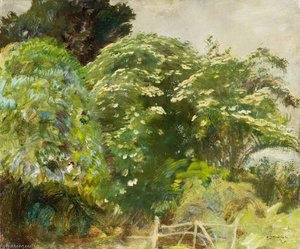
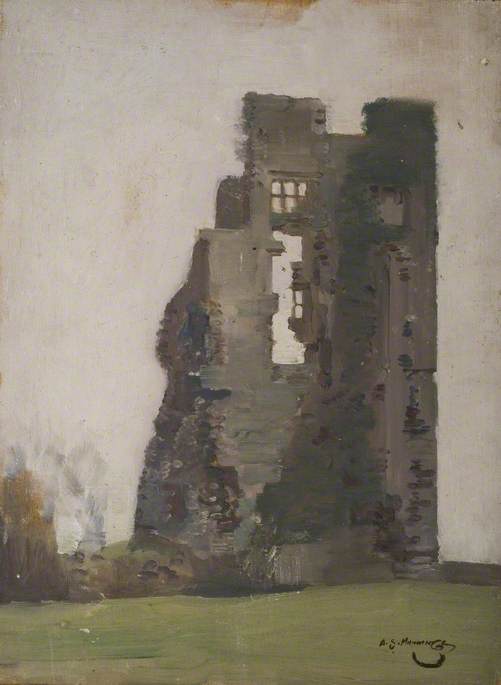
Study of a Ruined Building
 Oil On Canvas
- WallArt
- Impressionistic Landscape
 19th Century
 41.0 x 31.0 cm
 El Museo Munnings
 Leer más
Giclée / Impresión de arte
Impresiones giclée o en lienzo de calidad de museo con producción rápida y opciones de acabado flexibles. ( Encargar reproducción pintada a mano Comprar descarga)




P118B $10

P118H $10

P118W $10

P438Z $10

P508JH $12

P508YH $12

P805H $10

P805Z $10

P919BZ $10

P919G $10

P919XJ $10

P959ZH $10

P968JZ $12

W106C $8

W218G $10

W218JH $8

W218Y $10

W307PJ $10

W316G $10

W316PJ $8

W316Y $10

W398PJ $8

W4111J $10

W500HY $15

W500JH $15

W692G $12

W849H $8

W940BG $15

W953PJ $8




Elija entre nuestros tamaños predefinidos que respetan las proporciones originales de la obra.

Puede introducir sus propias dimensiones para adaptarse a un marco o espacio específico. Si el tamaño seleccionado no coincide con las proporciones de la imagen original, recortaremos la obra de arte o extenderemos la imagen con un borde con efecto espejo o de color sólido. Se enviará una maqueta digital para su aprobación antes de que comience la producción.
Tenga en cuenta que la vista previa en pantalla no refleja el recorte o la extensión real. Solo la maqueta mostrará con precisión la composición final.
Aunque existen tamaños personalizados, recomendamos seleccionar una dimensión de la lista predefinida para preservar las proporciones originales.
Envío a todo el mundo () en 2 semanas en lugar de las 4/5 semanas estándar. (22 agosto)

Envío exprés gratuito a todo el mundo

Lienzo de lino de alta calidad

Seguro de envío completo

Garantía de reembolso de aranceles aduaneros

Garantía de fidelidad cromática exacta

Política de devolución de 60 días (solo por defectos)

Garantía de devolución del 100% del dinero

Oferta por volumen
 La opción de vidrio solo está disponible en tamaños inferiores a 110 cm.

Study of a Ruined Building
Giclée / Impresión de arte
Tamaño de la reproducción
-


Precio total
$ 62
Descripción de la pieza
A Study in Transient Majesty: Munnings’s Ruined Building
Sir Alfred James Munnings's "Study of a Ruined Building" is more than just a depiction of crumbling stone; it’s a poignant meditation on time, memory, and the inevitable surrender of human endeavor to the forces of nature. Executed in his signature impressionistic style, this work transports us to a forgotten corner of rural England, where the echoes of a vanished world linger within the weathered walls of a once-grand structure. Munnings, deeply rooted in the traditions of East Anglia, captured not merely the appearance of these ruins but the very *feeling* they evoked – a sense of melancholy beauty and profound loss.
- Historical Context: Created during a period of rapid social and economic change in Britain, Munnings’s work reflects a growing concern for preserving rural landscapes and ways of life threatened by industrialization. His focus on the crumbling manor house aligns with a broader artistic movement seeking to document the fading grandeur of the landed gentry.
- Symbolism: The ruined building itself is rich in symbolic weight. It represents not just physical decay but also the impermanence of human ambition, the fragility of power, and the relentless march of time. The overgrown grass beneath suggests a return to nature, a reclaiming of what was once dominated by man’s creations.
Technique and Materiality: A Dance with Impressionism
Munnings's masterful technique is immediately apparent in the loose, gestural brushstrokes that define every surface of this painting. Applied in relatively thick layers of oil paint, these strokes create a palpable texture – you can almost feel the roughness of the stone and the dampness of the surrounding vegetation. The muted color palette—a symphony of greys, browns, whites, and subtle greens—contributes to the overall somber mood, emphasizing the building’s age and deterioration. The flattened perspective, deliberately eschewing a strong sense of spatial recession, further enhances the painting's dreamlike quality, drawing the viewer into the scene rather than attempting to represent it realistically.
- Oil Paint Application: Munnings employed a technique of layering paint, building up color and texture through repeated applications.
- Canvas Surface: The visible brushstrokes on a primed canvas or panel speak to the artist’s deliberate control over the surface, creating a dynamic interplay between form and texture.
Capturing Atmosphere: Impressionistic Vision
"Study of a Ruined Building" exemplifies Munnings's commitment to capturing fleeting impressions rather than meticulously detailed representations. The soft, diffused lighting adds to the painting’s ethereal quality, blurring the edges of the building and creating an atmosphere of quiet contemplation. The composition itself – the central ruin slightly off-center, balanced by the grounding strip of green—is carefully considered, inviting the viewer's eye to linger on the details of decay and the vastness of the surrounding landscape. This is not a painting that shouts; it whispers of forgotten stories and enduring beauty.
A Legacy of Rural England
This artwork represents a pivotal moment in Munnings’s career, solidifying his reputation as one of Britain's foremost interpreters of the rural landscape. Its evocative power continues to resonate with viewers today, reminding us of the profound connection between humanity and nature, and the enduring allure of places where time seems to stand still. A hand-painted reproduction offers a unique opportunity to bring this captivating work into your home or office, allowing you to experience Munnings’s artistic vision firsthand.
Obras relacionadas
Biografía del artista
Sir Alfred James Munnings: Una Vida en la Pintura
Sir Alfred James Munnings (1878-1959), conocido como AJ Munnings, fue uno de los pintores británicos más destacados de caballos y un firme tradicionalista que se opuso vehementemente al auge del modernismo. Sus vibrantes representaciones de la vida rural, escenas de caza y caballos de carreras consolidaron su lugar como una figura destacada en el arte británico durante la primera mitad del siglo XX.
Primeros Años y Comienzos Artísticos
Nacido el 8 de octubre de 1878 en Mendham Mill, Suffolk, Munnings’ vida temprana estuvo profundamente entrelazada con el campo. Su padre era molinero y creció rodeado de caballos, una influencia que dominaría su carrera artística. Después de dejar Framlingham College a los catorce años, se convirtió en aprendiz de un impresor de Norwich durante seis años, diseñando carteles publicitarios mientras estudiaba simultáneamente en la Escuela de Arte de Norwich.
Desarrollo Artístico e Influencias
La formación formal de Munnings fue limitada, pero perfeccionó sus habilidades a través de la observación y la práctica. Se asoció con la Escuela de Newlyn de pintores en Cornualles, un grupo conocido por su pintura al aire libre y sus representaciones realistas de la vida rural. Mientras allí, conoció a Florence Carter-Wood, a quien se casó en 1912. Su trabajo inicial se centró en escenas rurales, que a menudo presentaban gitanos y caballos. Desarrolló un estilo impresionista, caracterizado por pinceladas sueltas y un enfoque en capturar la luz y la atmósfera.
Años de Guerra y Comisiones
Durante la Primera Guerra Mundial, Munnings se ofreció como voluntario para el servicio, pero fue considerado no apto para luchar. En cambio, sirvió con la Brigada de Caballería Canadiense como artista oficial de guerra, documentando el papel de los caballos en el conflicto. Esta experiencia lo impactó profundamente; presenció de primera mano el sufrimiento y la pérdida tanto de hombres como de animales. Pintó escenas cerca del frente, incluido un retrato del General Jack Seely montado en su caballo Warrior. Después de la guerra, Munnings recibió numerosas comisiones prestigiosas, estableciendo su seguridad financiera.
Logros Principales y Reconocimiento
- Presidente de la Royal Academy: Elegido Presidente de la Royal Academy en 1944, ocupó el cargo hasta 1949.
- Caballero: Fue nombrado Caballero Bachelor en 1944 y Caballero Comandante del Orden Real Victoriano en 1947.
- Comisiones de Artista de Guerra: Su trabajo documentando la Caballería Canadiense durante la Primera Guerra Mundial le valió un reconocimiento significativo.
- Trabajo Escultórico: También creó esculturas, incluida una estatua ecuestre de Edward Horner.
Un Crítico del Modernismo
Munnings es recordado quizás tanto por su enérgica crítica al modernismo como por sus representaciones tradicionales. En una transmisión famosa (y supuestamente ebria) en la BBC Radio en 1949, entregó una dura crítica al arte contemporáneo, afirmando que se uniría gustosamente a Winston Churchill para "patear... algo de Picasso". Este discurso solidificó su imagen como defensor de los valores artísticos tradicionales.
Vida Posterior y Legado
Munnings compró Castle House en Dedham, Essex, en 1919, que se convirtió tanto en su hogar como en su estudio durante el resto de su vida. Después de su muerte el 17 de julio de 1959, su esposa Violet transformó Castle House en el Museo de Arte Munnings, preservando su trabajo y legado. Hoy en día, Munnings es celebrado como un maestro del arte ecuestre y una figura significativa en la historia artística británica.
Significado Histórico
Las pinturas de Munnings ofrecen una valiosa visión de una época pasada: un mundo de caballos, caza y vida rural que desaparecía rápidamente durante su vida. Su trabajo continúa resonando con el público hoy en día, no solo por su habilidad técnica, sino también por su evocadora representación de una forma de vida apreciada. Sigue siendo un símbolo de la tradición artística y un recordatorio del poder perdurable de la pintura representacional.
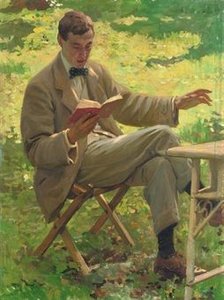
Sir Alfred James Munnings
1878 - 1959 , Reino Unido
Datos clave
- Artistas Que Influyeron: ['Claude Monet']
- Fecha De Fallecimiento: 17 de julio de 1959
- Fecha De Nacimiento: 8 de octubre de 1878
- Lugar De Nacimiento: Mendham, Reino Unido
- Movimiento Artístico: Impresionismo inglés
- Nacionalidad: Británico
- Nombre Completo: Sir Alfred James Munnings
- Obras Notables:
- Río Congelado
- Start Of A Steeplechase
- Nubes Sobre Exmoor
Artículos relacionados

Alfred Munnings: Las 25 Obras Maestras del Pintor de Caballos | ArtsDot
Descubre las 25 obras maestras de Alfred Munnings, el pintor británico de caballos por excelencia. Explora su impresionismo inglés, escenas campestres y técnica única. Encuentra reproducciones de arte de alta calidad en ArtsDot.com.
Leonardo da Vinci: Las 25 Obras Maestras que Definieron un Genio | ArtsDot
Descubre las 25 obras maestras de Leonardo da Vinci, desde la Mona Lisa hasta La Última Cena. Explora su arte renacentista, técnicas innovadoras y el legado del genio italiano. Reproducciones de alta calidad para decorar tu hogar con belleza y historia en ArtsDot.com.

Giclée Prints: Archival Quality & Aesthetic Nuances for the Discerning Collector
Explore the world of giclée prints with ArtsDot. Learn about archival quality, aesthetic nuances & investment potential. Expert guidance for discerning art collectors seeking museum-quality reproductions and lasting value.
Los 10 Maestros del Paisaje Impresionista: Obras que Cambiaron la Historia del Arte
Descubre los 10 lienzos impresionistas que revolucionaron el arte. Explora la historia de Monet, Van Gogh y Renoir, sus técnicas y colores vibrantes. Encuentra reproducciones de alta calidad para decorar tu hogar en ArtsDot.com
Art Prints vs. Oil Paintings: A Newlywed's Guide to Curating a Timeless Home Collection
Discover how to choose between exquisite hand-painted oil reproductions and versatile art prints. Our expert guide for newlyweds helps you balance budget and beauty to curate a timeless, soulful home collection filled with meaning and lasting legacy.