 Ver en contexto
 Enviar
 Compartir
 Detalles

 Descargar
 Similares
 Radiografía
 Presentación de diapositivas
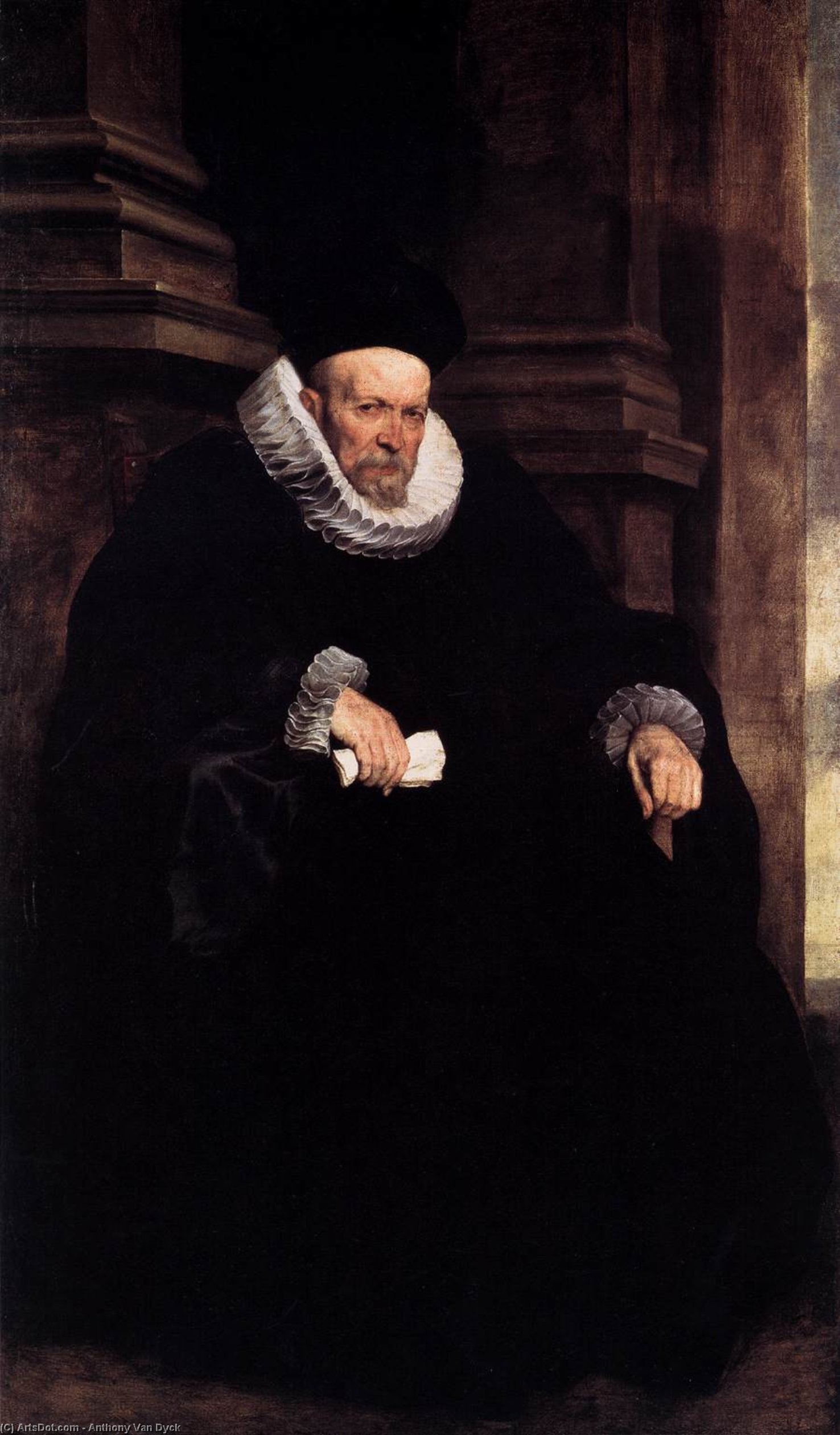
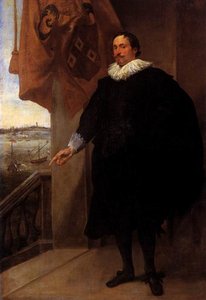
An Aristocratic Genoese
 Oil On Canvas
- WallArt
- Baroque
 1622
1622- Early Modern
 200.0 x 116.0 cm
 Staatliche Museen zu Berlin
 Ver más
Reproducción al óleo hecha a mano
Óleo sobre lienzo pintado a mano en el tamaño y marco de su elección, realizado por encargo por nuestros artistas. ( Comprar impresión Comprar imagen)




P118B $10

P118H $10

P118W $10

P438Z $10

P508JH $12

P508YH $12

P805H $10

P805Z $10

P919BZ $10

P919G $10

P919XJ $10

P959ZH $10

P968JZ $12

W106C $8

W218G $10

W218JH $8

W218Y $10

W307PJ $10

W316G $10

W316PJ $8

W316Y $10

W398PJ $8

W4111J $10

W500HY $15

W500JH $15

W692G $12

W849H $8

W940BG $15

W953PJ $8




Elija entre nuestros tamaños predefinidos que respetan las proporciones originales de la obra.

Puede ingresar sus propias dimensiones para adaptarse a un marco o espacio específico. Si el tamaño seleccionado no coincide con las proporciones de la imagen original, recortaremos la obra o extenderemos la pintura con elementos adicionales pintados a mano. Se le enviará una maqueta digital para su aprobación antes de comenzar la producción.
Tenga en cuenta que la vista previa en pantalla no refleja el recorte o la extensión reales. Solo la maqueta mostrará con precisión la composición final.
Si bien existen tamaños personalizados, recomendamos seleccionar una dimensión de la lista predefinida para preservar las proporciones originales.
Tras realizar el pedido, el equipo de ArtsDot.com enviará un correo electrónico al cliente para solicitar instrucciones y proporcionarle una vista previa del boceto.
Envío a todo el mundo () en 3-4 semanas en lugar de las 5 semanas estándar. (25 agosto). Sin comprometer la calidad.

Envío exprés gratuito a todo el mundo

Lienzo de lino de alta calidad

Seguro de envío total

Garantía de reembolso de impuestos aduaneros

Garantía de fidelidad cromática exacta

Política de devolución de 60 días (solo por defectos)

Garantía de devolución del 100% del dinero

Descuento por cantidad
 La opción de vidrio solo está disponible en tamaños inferiores a 110 cm.

An Aristocratic Genoese
Técnica de reproducción
Dimensiones de la reproducción
-


Precio total final
$ 263
Descripción de la obra
A Glimpse Into Baroque Grandeur
In the quiet halls of the Staatliche Museen Berlin, there exists a window into a vanished era of opulence and poise. Sir Anthony van Dyck’s 1622 masterpiece, "An Aristocratic Genoese," is far more than a mere portrait; it is a profound encounter with the soul of the seventeenth-century nobility. At first glance, the viewer is struck by the commanding presence of the sitter, whose dignified posture and somber, dark attire command immediate respect. The painting captures a moment of stillness that vibrates with the latent energy of the Baroque period, inviting us to contemplate the weight of lineage and the quiet confidence of the Genoese elite.
The subject, draped in the heavy, dark fabrics characteristic of high-ranking aristocracy, serves as a canvas for Van Dyck’s unparalleled ability to render texture and light. The stark contrast between the deep blacks of his clothing and the luminous, intricate white lace of his collar creates a visual rhythm that draws the eye toward the face. This interplay of light and shadow—the masterful chiaroscuro—does not merely illuminate the figure; it sculpts him, lending a three-dimensional vitality to the canvas that makes the sitter feel as though he might step from the frame into the modern room.
The Mastery of Flemish Refinement
To understand the technical brilliance of this work, one must look to Van Dyck’s formative years in the studio of Peter Paul Rubens. While he inherited Rubens' penchant for dramatic composition and rich color, Van Dyck infused his work with a unique, delicate refinement that would eventually define the English courtly style. In "An Aristified Genoese," we see this evolution clearly. His brushwork is a marvel of controlled elegance; it is fluid enough to suggest the softness of skin and the crispness of linen, yet precise enough to capture the subtle psychological depth of the man’s expression.
The artist employs a sophisticated palette that avoids unnecessary flamboyance in favor of tonal complexity. By focusing on the interplay between the dark silhouette of the sitter and the architectural suggestion of the doorway behind him, Van Dyck creates an illusionistic depth. This technique provides a sense of atmosphere, as if the air within the painting holds its own history. For the discerning collector or interior designer, this piece offers a profound sense of "presence," making it an ideal centerpiece for spaces that demand a touch of historical gravity and sophisticated grace.
Symbolism and the Legacy of Elegance
Every element within this portrait serves a symbolic purpose, reinforcing the sitter's social standing. The wig, the meticulously crafted lace, and the heavy fabrics are not merely fashion statements; they are signifiers of wealth, stability, and political influence in a period marked by intense European intrigue. The doorway behind the subject acts as a threshold between the private world of the aristocracy and the public stage of history, suggesting a man who is both a guardian of tradition and a participant in the burgeoning cosmopolitanism of the era.
For those seeking to bring the timeless allure of the Baroque into a contemporary setting, a high-quality reproduction of this work offers an unparalleled opportunity. It provides more than just decoration; it introduces a narrative of resilience, beauty, and intellectual depth. Whether placed in a formal study, a grand dining room, or a curated gallery wall, "An Aristocratic Genoese" serves as a constant reminder of the enduring power of classical portraiture to captivate the human spirit across the centuries.
Obras relacionadas
Biografía del artista
A Flemish Master at the Courts of Europe
Sir Anthony van Dyck, born in Antwerp in 1599, emerged as one of the most celebrated and influential portraitists of the Baroque era. His life, though tragically cut short at just forty-two years old, was a whirlwind of artistic exploration and prestigious commissions that took him from his native Flanders to Italy and ultimately to the heart of the English court. From an early age, van Dyck displayed remarkable talent, entering Hendrick van Balen’s workshop as a young apprentice and quickly absorbing the prevailing styles of the time. However, it was his association with Peter Paul Rubens – not merely as a student but as a collaborator – that truly shaped his artistic foundation. He learned from Rubens' dynamic compositions, rich color palettes, and masterful handling of light and shadow, yet van Dyck soon began to forge his own distinct path, one characterized by an elegance and refinement that would become his signature.Italian Sojourns and the Birth of a Style
The years van Dyck spent in Italy, beginning around 1621, proved pivotal in his artistic development. He resided primarily in Genoa, where he found favor among the city’s aristocratic families. It was here that he began to cultivate the sophisticated style for which he would become renowned – a style marked by graceful poses, luxurious fabrics, and an almost palpable sense of nobility. Unlike the robust energy often found in Rubens' work, van Dyck’s Italian portraits exude a refined composure, capturing not just physical likeness but also the inner character and social standing of his sitters. During this period, he embarked on his *Iconography*, a series of meticulously rendered portrait etchings featuring prominent figures of his time – artists, scholars, and rulers alike. This project showcased his exceptional technical skill and established him as a leading printmaker. These etchings weren’t simply records; they were carefully constructed images designed to immortalize the subjects and convey their status and intellect. He experimented with new techniques and constantly refined his style, pushing boundaries of artistic expression.The King's Painter: Van Dyck in England
In 1632, van Dyck received an invitation that would forever alter his career trajectory – a summons from Charles I of England to become the court painter. This appointment marked a turning point, not only for van Dyck but also for English portraiture. He arrived in London with a considerable reputation and quickly became indispensable to the king, tasked with creating images that projected an aura of power, majesty, and divine right. Van Dyck’s portraits of Charles I are particularly noteworthy; he moved away from the stiff, formal representations favored by earlier artists, instead portraying the king as a dynamic, charismatic leader. He employed innovative techniques – dramatic lighting, sweeping gestures, and carefully chosen backgrounds – to create images that were both visually stunning and politically charged. His influence extended beyond the royal family, shaping the visual culture of the English aristocracy for generations to come. He revolutionized portrait painting by prioritizing psychological insight alongside physical likeness.Legacy and Enduring Influence
Van Dyck's untimely death in 1641 robbed the art world of a prodigious talent, but his legacy endures to this day. His impact on English portraiture is immeasurable; he established a standard of elegance and sophistication that subsequent artists would strive to emulate. He was recognized as one of the most important Flemish painters of the Baroque era. His influence can still be seen today in fashion, photography, and contemporary portraiture—a testament to the timeless appeal of his art. He remains an icon of artistic excellence and continues to inspire admiration for his masterful compositions and refined aesthetic sensibilities.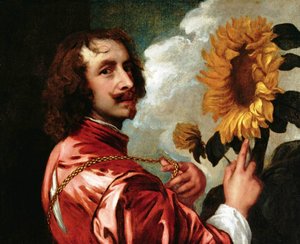
Sir Anthony van Dyck
1599 - 1641 , Bélgica
Datos clave
- Artistic Movement Or Style: Baroque
- Artists Who Influenced This Artist: ['Peter Paul Rubens']
- Date Of Birth: March 22, 1599
- Full Name: Sir Anthony van Dyck
- Nationality: Flemish
- Notable Artworks:
- Portrait of a Woman
- Charles I in Three Positions
- Place Of Birth: Antwerp, Belgium
Artículos relacionados
Sir Anthony van Dyck: Courtly Portraiture & the Shaping of Baroque Identity
Explore the life & legacy of Sir Anthony van Dyck, the leading court painter of his era. Discover his innovative portraiture, Baroque masterpieces, and investment potential for discerning collectors. Learn more at ArtsDot.

Rembrandt van Rijn: Las 25 Obras Maestras que Definen un Genio | Arte, Historia y Decoración
Descubre las 25 obras maestras de Rembrandt van Rijn, el genio del barroco holandés. Explora su historia, técnica y simbolismo en retratos icónicos como 'La Ronda Nocturna'. Encuentra reproducciones de arte exclusivas para decorar tu hogar con ArtsDot.com.

El Óleo sobre Lienzo: Historia, Técnica y la Persistencia de un Medio Artístico Atemporal
Descubre la historia y técnica del óleo sobre lienzo. Explora reproducciones fieles hechas a mano, personalización artística y consejos de expertos con ArtsDot. ¡Colecciona arte con confianza!

The Enduring Legacy of Oil on Canvas: Technique, History & Aesthetic Impact
Explore the rich history & techniques of oil painting – from Renaissance masters to Impressionism. Discover pigments, layering methods, and why this timeless medium endures. Expert insights for artists & art enthusiasts.
Las 10 Obras Maestras al Óleo que Revolucionaron la Historia del Arte |
Descubre las 10 obras maestras al óleo que transformaron la historia del arte. Explora Van Gogh, Monet, Da Vinci y más. Reproducciones de alta calidad para decorar tu hogar con elegancia. ¡Encuentra tu obra favorita en !