 Ver en contexto
 Enviar
 Compartir
 Detalles

 Descargar
 Similares
 Radiografía
 Presentación de diapositivas
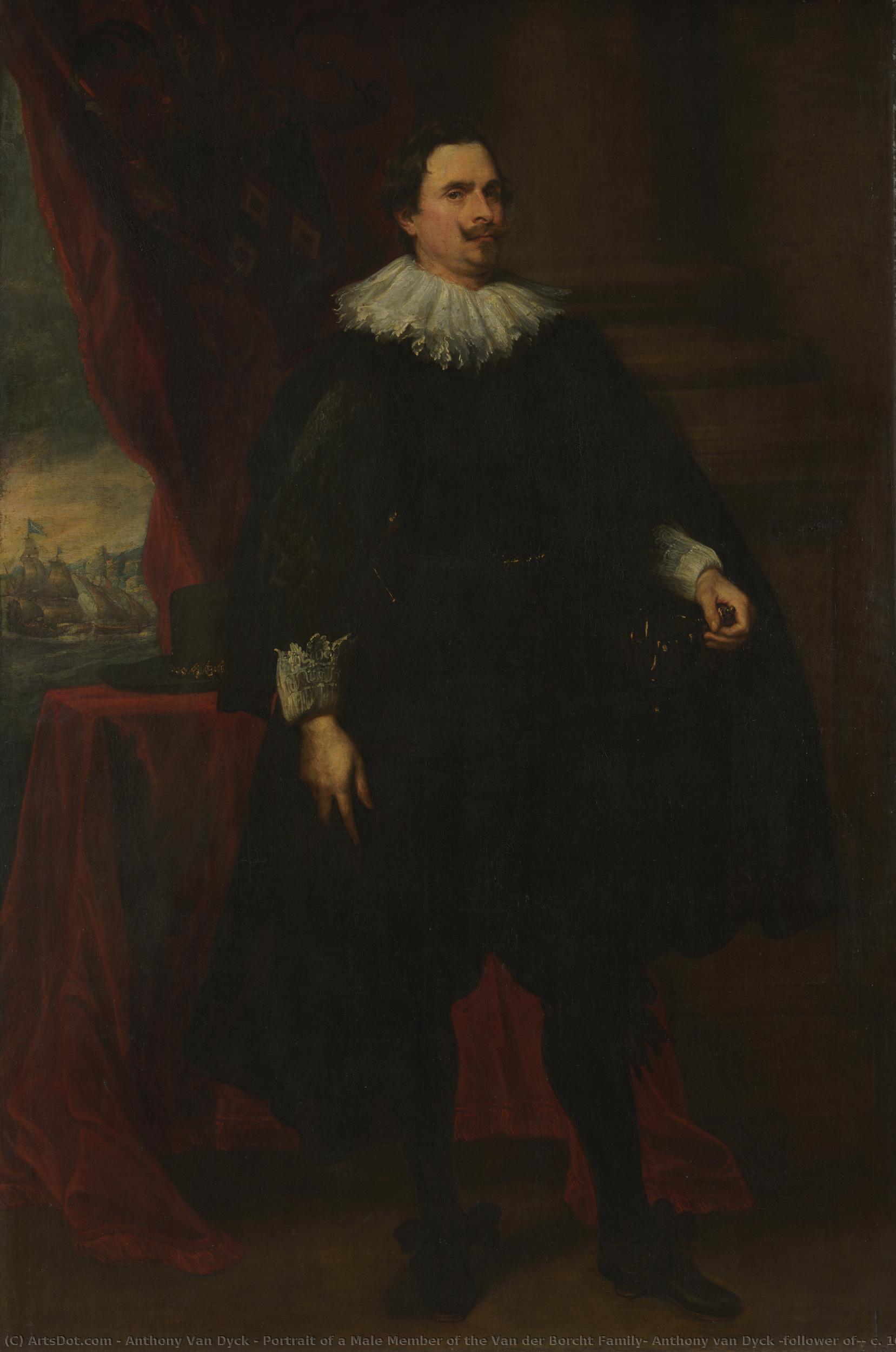
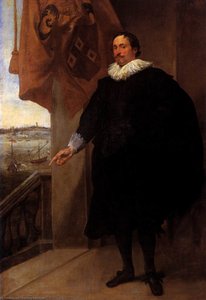
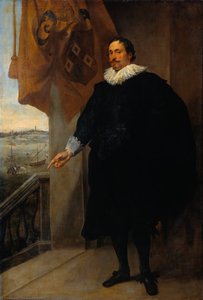
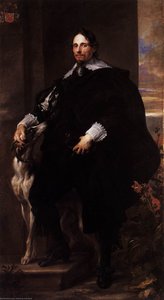
Portrait of a Male Member of the Van der Borcht Family, Anthony van Dyck (follower of), c. 1635
 Oil On Canvas
- WallArt
- Baroque Painting
 1635
1635- Renaissance
 205.0 x 136.0 cm
 Ver más
Reproducción al óleo hecha a mano
Óleo sobre lienzo pintado a mano en el tamaño y marco de su elección, realizado por encargo por nuestros artistas. ( Comprar impresión Comprar imagen)




P118B $10

P118H $10

P118W $10

P438Z $10

P508JH $12

P508YH $12

P805H $10

P805Z $10

P919BZ $10

P919G $10

P919XJ $10

P959ZH $10

P968JZ $12

W106C $8

W218G $10

W218JH $8

W218Y $10

W307PJ $10

W316G $10

W316PJ $8

W316Y $10

W398PJ $8

W4111J $10

W500HY $15

W500JH $15

W692G $12

W849H $8

W940BG $15

W953PJ $8




Elija entre nuestros tamaños predefinidos que respetan las proporciones originales de la obra.

Puede ingresar sus propias dimensiones para adaptarse a un marco o espacio específico. Si el tamaño seleccionado no coincide con las proporciones de la imagen original, recortaremos la obra o extenderemos la pintura con elementos adicionales pintados a mano. Se le enviará una maqueta digital para su aprobación antes de comenzar la producción.
Tenga en cuenta que la vista previa en pantalla no refleja el recorte o la extensión reales. Solo la maqueta mostrará con precisión la composición final.
Si bien existen tamaños personalizados, recomendamos seleccionar una dimensión de la lista predefinida para preservar las proporciones originales.
Tras realizar el pedido, el equipo de ArtsDot.com enviará un correo electrónico al cliente para solicitar instrucciones y proporcionarle una vista previa del boceto.
Envío a todo el mundo () en 3-4 semanas en lugar de las 5 semanas estándar. (4 septiembre). Sin comprometer la calidad.

Envío exprés gratuito a todo el mundo

Lienzo de lino de alta calidad

Seguro de envío total

Garantía de reembolso de impuestos aduaneros

Garantía de fidelidad cromática exacta

Política de devolución de 60 días (solo por defectos)

Garantía de devolución del 100% del dinero

Descuento por cantidad
 La opción de vidrio solo está disponible en tamaños inferiores a 110 cm.

Portrait of a Male Member of the Van der Borcht Family, Anthony van Dyck (follower of), c. 1635
Técnica de reproducción
Dimensiones de la reproducción
-


Precio total final
$ 263
Portrait of a Male Member of the Van der Borcht Family, Anthony van Dyck (follower of), c. 1635 – A Study in Refined Disquiet
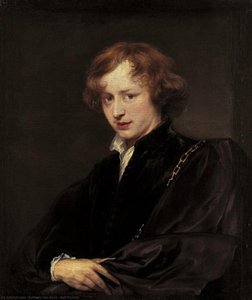
This captivating portrait, dating from circa 1635 and measuring 205 x 136 cm, presents a compelling enigma within the oeuvre of Sir Anthony van Dyck. Initially accepted as a direct work by the master himself, closer examination reveals a nuanced complexity that suggests the hand of a talented follower, perhaps even a nascent Van Dyck exploring his own style. The sitter, identified as a member of the prominent Van der Borcht family of Flanders – distinguished by the ‘D’Argent au chevron d’azur’ coat of arms – embodies a quiet dignity tempered with an unsettling stillness. The muted palette, largely dictated by the discoloured varnish that has guarded the painting for centuries, contributes significantly to this atmosphere; colours once vibrant are now subdued, hinting at a lost brilliance and adding to the work's melancholic charm.
- Technical Detail: Executed in oil on canvas, the brushwork, though hampered by the varnish, demonstrates a competent understanding of form. Areas of partial cleaning – notably on the face, hands, ruff, and cuffs – suggest previous interventions, offering tantalizing glimpses into the painting’s history but also obscuring definitive stylistic markers.
- Compositional Elements: The sitter is positioned against a dark background, drawing immediate attention to his attire. A richly textured ruffled collar, indicative of the period, frames a face marked by a thoughtful expression – one that lacks the polished elegance typically associated with Van Dyck’s later works after his time in Italy. The inclusion of a distant seascape, featuring a three-master and a two-master sailing vessel, adds an element of narrative depth, though its attribution remains debated.
- Historical Context: Painted during the height of Van Dyck’s career, this portrait reflects the artistic currents of the Baroque era. The Flemish influence is palpable, yet subtly tempered by the burgeoning impact of Italian Renaissance ideals that were shaping European art at the time. The painting's creation coincides with a period of significant social and economic change in Flanders, reflected in the sitter’s attire and bearing.
Decoding the Distant View – A Puzzle of Attribution
Beyond the immediate subject matter, the painting’s historical significance lies largely in the debate surrounding the attribution of its distant seascape. Initially identified by Lebrun and later confirmed in museum catalogues, the view was long considered a key element of Van Dyck's artistic skill. However, subsequent research has cast doubt on this interpretation. The 1960 museum catalogue, along with others, suggested alternative attributions – Bonaventura Peeters or Andries van Ertvelt – neither of which fully satisfies the evidence. The scene’s lack of distinctive features and the undistinguished hand responsible for its rendering contribute to the overall sense of ambiguity surrounding the work's authorship. The possibility that the view depicts Dover Castle, a strategically important port on the English coast, adds another layer of intrigue, though conclusive proof remains elusive.
Symbolism and Emotional Resonance
Despite the uncertainties surrounding its creation, the portrait possesses a powerful emotional resonance. The sitter’s gaze, directed slightly off-camera, invites speculation about his thoughts and feelings. The muted colours and restrained composition evoke a sense of quiet contemplation – perhaps even melancholy – reflecting the complexities of human experience. The inclusion of the coat of arms subtly reinforces the sitter's social standing within the Flemish nobility, while the distant seascape serves as a reminder of the wider world beyond the confines of the portrait’s studio.
A Valuable Reproduction – Bringing History to Life
ArtsDot offers a meticulously crafted hand-painted reproduction of this remarkable artwork. Utilizing traditional techniques and archival quality materials, our artisans faithfully recreate every detail of Van Dyck's (follower) original, capturing the painting’s inherent beauty and historical significance. This reproduction is more than just an image; it’s a tangible connection to a pivotal moment in art history – a window into the world of 17th-century Flanders and the artistic genius of Sir Anthony van Dyck. Perfect for collectors, interior designers seeking a touch of Baroque elegance, or anyone captivated by the enduring power of portraiture.
Obras relacionadas
Biografía del artista
A Flemish Master at the Courts of Europe
Sir Anthony van Dyck, born in Antwerp in 1599, emerged as one of the most celebrated and influential portraitists of the Baroque era. His life, though tragically cut short at just forty-two years old, was a whirlwind of artistic exploration and prestigious commissions that took him from his native Flanders to Italy and ultimately to the heart of the English court. From an early age, van Dyck displayed remarkable talent, entering Hendrick van Balen’s workshop as a young apprentice and quickly absorbing the prevailing styles of the time. However, it was his association with Peter Paul Rubens – not merely as a student but as a collaborator – that truly shaped his artistic foundation. He learned from Rubens' dynamic compositions, rich color palettes, and masterful handling of light and shadow, yet van Dyck soon began to forge his own distinct path, one characterized by an elegance and refinement that would become his signature.Italian Sojourns and the Birth of a Style
The years van Dyck spent in Italy, beginning around 1621, proved pivotal in his artistic development. He resided primarily in Genoa, where he found favor among the city’s aristocratic families. It was here that he began to cultivate the sophisticated style for which he would become renowned – a style marked by graceful poses, luxurious fabrics, and an almost palpable sense of nobility. Unlike the robust energy often found in Rubens' work, van Dyck’s Italian portraits exude a refined composure, capturing not just physical likeness but also the inner character and social standing of his sitters. During this period, he embarked on his *Iconography*, a series of meticulously rendered portrait etchings featuring prominent figures of his time – artists, scholars, and rulers alike. This project showcased his exceptional technical skill and established him as a leading printmaker. These etchings weren’t simply records; they were carefully constructed images designed to immortalize the subjects and convey their status and intellect. He experimented with new techniques and constantly refined his style, pushing boundaries of artistic expression.The King's Painter: Van Dyck in England
In 1632, van Dyck received an invitation that would forever alter his career trajectory – a summons from Charles I of England to become the court painter. This appointment marked a turning point, not only for van Dyck but also for English portraiture. He arrived in London with a considerable reputation and quickly became indispensable to the king, tasked with creating images that projected an aura of power, majesty, and divine right. Van Dyck’s portraits of Charles I are particularly noteworthy; he moved away from the stiff, formal representations favored by earlier artists, instead portraying the king as a dynamic, charismatic leader. He employed innovative techniques – dramatic lighting, sweeping gestures, and carefully chosen backgrounds – to create images that were both visually stunning and politically charged. His influence extended beyond the royal family, shaping the visual culture of the English aristocracy for generations to come. He revolutionized portrait painting by prioritizing psychological insight alongside physical likeness.Legacy and Enduring Influence
Van Dyck's untimely death in 1641 robbed the art world of a prodigious talent, but his legacy endures to this day. His impact on English portraiture is immeasurable; he established a standard of elegance and sophistication that subsequent artists would strive to emulate. He was recognized as one of the most important Flemish painters of the Baroque era. His influence can still be seen today in fashion, photography, and contemporary portraiture—a testament to the timeless appeal of his art. He remains an icon of artistic excellence and continues to inspire admiration for his masterful compositions and refined aesthetic sensibilities.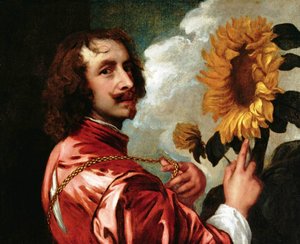
Sir Anthony van Dyck
1599 - 1641 , Bélgica
Datos clave
- Artistic Movement Or Style: Baroque
- Artists Who Influenced This Artist: ['Peter Paul Rubens']
- Date Of Birth: March 22, 1599
- Full Name: Sir Anthony van Dyck
- Nationality: Flemish
- Notable Artworks:
- Portrait of a Woman
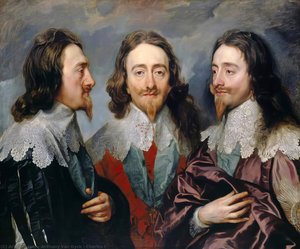
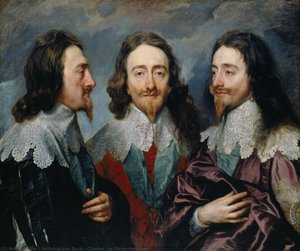
- Charles I in Three Positions
- Place Of Birth: Antwerp, Belgium
Artículos relacionados

Rembrandt van Rijn: Las 25 Obras Maestras que Definen un Genio | Arte, Historia y Decoración
Descubre las 25 obras maestras de Rembrandt van Rijn, el genio del barroco holandés. Explora su historia, técnica y simbolismo en retratos icónicos como 'La Ronda Nocturna'. Encuentra reproducciones de arte exclusivas para decorar tu hogar con ArtsDot.com.
Sir Anthony van Dyck: Courtly Portraiture & the Shaping of Baroque Identity
Explore the life & legacy of Sir Anthony van Dyck, the leading court painter of his era. Discover his innovative portraiture, Baroque masterpieces, and investment potential for discerning collectors. Learn more at ArtsDot.

Barroco Sublime: 10 Obras Maestras que Definieron una Época |
Descubre las 10 obras maestras del Barroco que marcaron una época. Caravaggio, Bernini y Velázquez cobran vida en . Reproducciones de arte de calidad museo para decorar tu hogar con elegancia. ¡Explora la colección online!
Los 25 Tesoros del Hermitage: Arte Clásico para tu Hogar | ArtsDot
Descubre los 25 tesoros del Museo Hermitage de San Petersburgo. Explora la historia y belleza de Rembrandt, Leonardo da Vinci y más. Reproducciones de arte en ArtsDot.com para decorar tu hogar con obras maestras.
El Siglo XVII en el Arte: 10 Obras Maestras para Decorar con Historia y Elegancia
Descubre 10 obras maestras del siglo XVII: Rembrandt, Vermeer, Caravaggio y más. Explora la historia, el arte barroco y encuentra reproducciones de alta calidad para decorar tu hogar con elegancia en ArtsDot.com.