 Ver en contexto
 Enviar
 Compartir
 Detalles

 Descargar
 Similares
 Radiografía
 Presentación de diapositivas
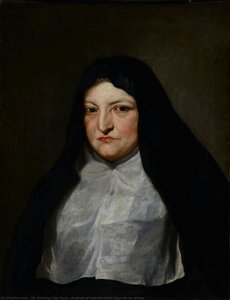
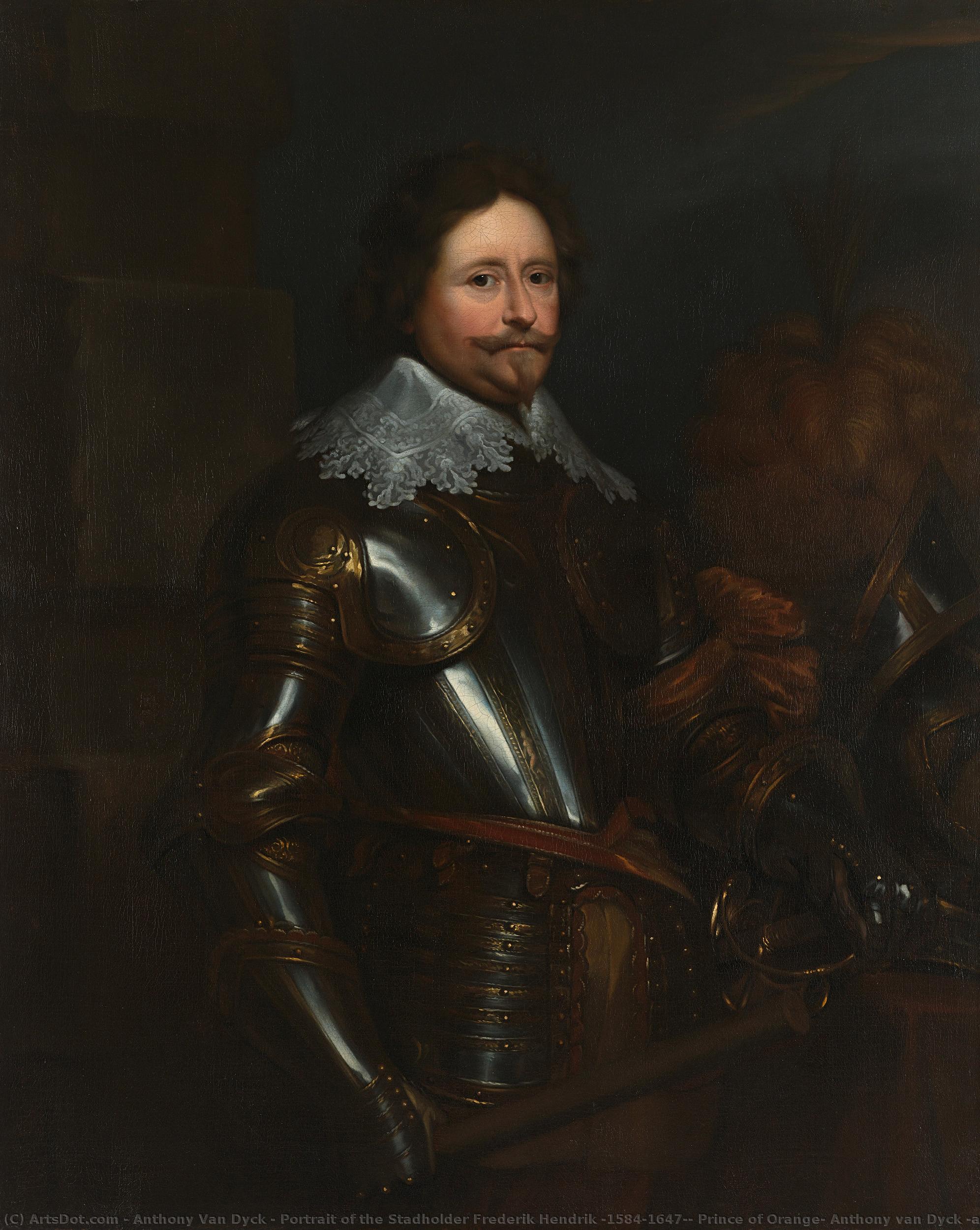
Portrait of the Stadholder Frederik Hendrik (1584-1647), Prince of Orange, Anthony van Dyck (after), c. 1670
 Oil On Canvas
- WallArt
- Baroque
 1670
1670 125.0 x 101.0 cm
 Ver más
Reproducción al óleo hecha a mano
Óleo sobre lienzo pintado a mano en el tamaño y marco de su elección, realizado por encargo por nuestros artistas. ( Comprar impresión Comprar imagen)




P118B $10

P118H $10

P118W $10

P438Z $10

P508JH $12

P508YH $12

P805H $10

P805Z $10

P919BZ $10

P919G $10

P919XJ $10

P959ZH $10

P968JZ $12

W106C $8

W218G $10

W218JH $8

W218Y $10

W307PJ $10

W316G $10

W316PJ $8

W316Y $10

W398PJ $8

W4111J $10

W500HY $15

W500JH $15

W692G $12

W849H $8

W940BG $15

W953PJ $8




Elija entre nuestros tamaños predefinidos que respetan las proporciones originales de la obra.

Puede ingresar sus propias dimensiones para adaptarse a un marco o espacio específico. Si el tamaño seleccionado no coincide con las proporciones de la imagen original, recortaremos la obra o extenderemos la pintura con elementos adicionales pintados a mano. Se le enviará una maqueta digital para su aprobación antes de comenzar la producción.
Tenga en cuenta que la vista previa en pantalla no refleja el recorte o la extensión reales. Solo la maqueta mostrará con precisión la composición final.
Si bien existen tamaños personalizados, recomendamos seleccionar una dimensión de la lista predefinida para preservar las proporciones originales.
Tras realizar el pedido, el equipo de ArtsDot.com enviará un correo electrónico al cliente para solicitar instrucciones y proporcionarle una vista previa del boceto.
Envío a todo el mundo () en 3-4 semanas en lugar de las 5 semanas estándar. (1 septiembre). Sin comprometer la calidad.

Envío exprés gratuito a todo el mundo

Lienzo de lino de alta calidad

Seguro de envío total

Garantía de reembolso de impuestos aduaneros

Garantía de fidelidad cromática exacta

Política de devolución de 60 días (solo por defectos)

Garantía de devolución del 100% del dinero

Descuento por cantidad
 La opción de vidrio solo está disponible en tamaños inferiores a 110 cm.

Portrait of the Stadholder Frederik Hendrik (1584-1647), Prince of Orange, Anthony van Dyck (after), c. 1670
Técnica de reproducción
Dimensiones de la reproducción
-


Precio total final
$ 263
Portrait of the Stadholder Frederik Hendrik: A Reflection of Power and Authority
This meticulously crafted reproduction captures the imposing presence of Stadholder Frederik Hendrik, Prince of Orange, painted circa 1670 by Anthony van Dyck – or more accurately, a skilled follower working in his style. The image isn't merely a likeness; it’s a carefully constructed statement of power, authority, and the martial prowess that defined this pivotal figure in Dutch history. Measuring 125 x 101 cm, the artwork immediately commands attention with its formal composition and rich detailing, offering a window into the opulent world of the Dutch Republic during the late 17th century.
Van Dyck’s Signature Style: Elegance and Realism
Attributed to Van Dyck – though likely executed by his workshop after his death in 1641 – this portrait exemplifies the artist's renowned ability to capture both the physical appearance and the inner character of his subjects. The style is immediately recognizable: a masterful blend of elegance, refinement, and startling realism. Van Dyck’s influence is evident in the subtle modeling of Frederik Hendrik’s face, the graceful curve of his hands resting upon the shield and sword, and the overall sense of dignified composure. The painting speaks to a period when portraiture was not simply about representation but about projecting an image – a carefully curated symbol of status and virtue.
Symbolism Woven into the Fabric of the Portrait
- Armor and Weaponry: The full plate armor, gleaming with gold and red accents, is more than just clothing; it’s a potent visual declaration of military strength and readiness. The sword and shield are traditional emblems of leadership and defense, while the bow and arrow subtly reinforce Frederik Hendrik's role as a warrior-prince.
- The Ruff: The elaborate white ruff, a fashionable accessory of the period, adds to the impression of wealth and status, further emphasizing the Stadholder’s position.
- Compositional Balance: The slight turn of Frederik Hendrik's head towards the viewer creates an immediate connection, inviting engagement and reinforcing his role as a figure worthy of respect and admiration.
Craftsmanship and Technique: A Window into 17th-Century Art Production
The painting’s execution reveals a sophisticated understanding of oil paint techniques. The artist skillfully employs light and shadow to create a sense of volume and depth, highlighting the textures of the armor – particularly the reflective surfaces – and the delicate lace of the ruff. The warm color palette – dominated by browns, golds, and reds – contributes significantly to the overall impression of grandeur and wealth. This reproduction faithfully recreates the original’s meticulous attention to detail, a hallmark of Van Dyck's studio and a testament to the skill of the artist’s workshop. The use of atmospheric perspective in the background subtly suggests distance, adding another layer of realism to the composition.
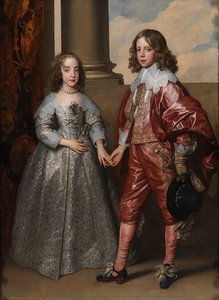
Obras relacionadas
Biografía del artista
A Flemish Master at the Courts of Europe
Sir Anthony van Dyck, born in Antwerp in 1599, emerged as one of the most celebrated and influential portraitists of the Baroque era. His life, though tragically cut short at just forty-two years old, was a whirlwind of artistic exploration and prestigious commissions that took him from his native Flanders to Italy and ultimately to the heart of the English court. From an early age, van Dyck displayed remarkable talent, entering Hendrick van Balen’s workshop as a young apprentice and quickly absorbing the prevailing styles of the time. However, it was his association with Peter Paul Rubens – not merely as a student but as a collaborator – that truly shaped his artistic foundation. He learned from Rubens' dynamic compositions, rich color palettes, and masterful handling of light and shadow, yet van Dyck soon began to forge his own distinct path, one characterized by an elegance and refinement that would become his signature.Italian Sojourns and the Birth of a Style
The years van Dyck spent in Italy, beginning around 1621, proved pivotal in his artistic development. He resided primarily in Genoa, where he found favor among the city’s aristocratic families. It was here that he began to cultivate the sophisticated style for which he would become renowned – a style marked by graceful poses, luxurious fabrics, and an almost palpable sense of nobility. Unlike the robust energy often found in Rubens' work, van Dyck’s Italian portraits exude a refined composure, capturing not just physical likeness but also the inner character and social standing of his sitters. During this period, he embarked on his *Iconography*, a series of meticulously rendered portrait etchings featuring prominent figures of his time – artists, scholars, and rulers alike. This project showcased his exceptional technical skill and established him as a leading printmaker. These etchings weren’t simply records; they were carefully constructed images designed to immortalize the subjects and convey their status and intellect. He experimented with new techniques and constantly refined his style, pushing boundaries of artistic expression.The King's Painter: Van Dyck in England
In 1632, van Dyck received an invitation that would forever alter his career trajectory – a summons from Charles I of England to become the court painter. This appointment marked a turning point, not only for van Dyck but also for English portraiture. He arrived in London with a considerable reputation and quickly became indispensable to the king, tasked with creating images that projected an aura of power, majesty, and divine right. Van Dyck’s portraits of Charles I are particularly noteworthy; he moved away from the stiff, formal representations favored by earlier artists, instead portraying the king as a dynamic, charismatic leader. He employed innovative techniques – dramatic lighting, sweeping gestures, and carefully chosen backgrounds – to create images that were both visually stunning and politically charged. His influence extended beyond the royal family, shaping the visual culture of the English aristocracy for generations to come. He revolutionized portrait painting by prioritizing psychological insight alongside physical likeness.Legacy and Enduring Influence
Van Dyck's untimely death in 1641 robbed the art world of a prodigious talent, but his legacy endures to this day. His impact on English portraiture is immeasurable; he established a standard of elegance and sophistication that subsequent artists would strive to emulate. He was recognized as one of the most important Flemish painters of the Baroque era. His influence can still be seen today in fashion, photography, and contemporary portraiture—a testament to the timeless appeal of his art. He remains an icon of artistic excellence and continues to inspire admiration for his masterful compositions and refined aesthetic sensibilities.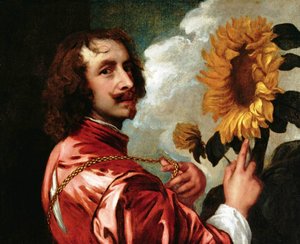
Sir Anthony van Dyck
1599 - 1641 , Bélgica
Datos clave
- Artistic Movement Or Style: Baroque
- Artists Who Influenced This Artist: ['Peter Paul Rubens']
- Date Of Birth: March 22, 1599
- Full Name: Sir Anthony van Dyck
- Nationality: Flemish
- Notable Artworks:
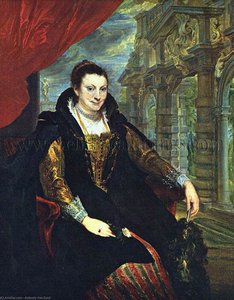
- Portrait of a Woman
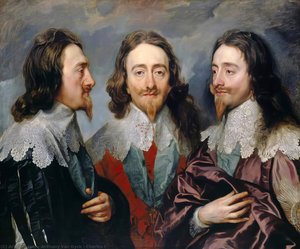
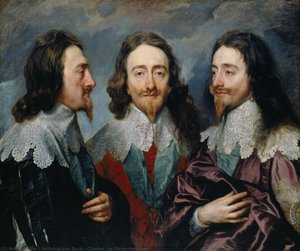
- Charles I in Three Positions
- Place Of Birth: Antwerp, Belgium
Artículos relacionados
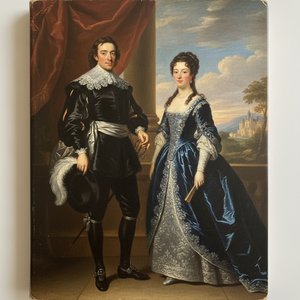
Sir Anthony van Dyck: Courtly Portraiture & the Shaping of Baroque Identity
Explore the life & legacy of Sir Anthony van Dyck, the leading court painter of his era. Discover his innovative portraiture, Baroque masterpieces, and investment potential for discerning collectors. Learn more at ArtsDot.

Los 10 Maestros del Barroco Holandés: Obras que Definen una Época | ArtsDot
Descubre los 10 imprescindibles del Barroco holandés: Rembrandt, Vermeer y más. Explora la historia, técnica y belleza de estas obras maestras. Reproducciones de arte en ArtsDot.com para decorar tu hogar con elegancia.

Rembrandt van Rijn: Las 25 Obras Maestras que Definen un Genio | Arte, Historia y Decoración
Descubre las 25 obras maestras de Rembrandt van Rijn, el genio del barroco holandés. Explora su historia, técnica y simbolismo en retratos icónicos como 'La Ronda Nocturna'. Encuentra reproducciones de arte exclusivas para decorar tu hogar con ArtsDot.com.
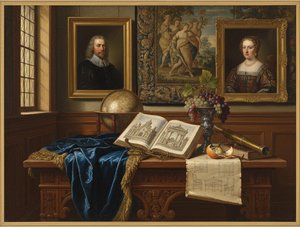
El Siglo XVII en el Arte: 10 Obras Maestras para Decorar con Historia y Elegancia
Descubre 10 obras maestras del siglo XVII: Rembrandt, Vermeer, Caravaggio y más. Explora la historia, el arte barroco y encuentra reproducciones de alta calidad para decorar tu hogar con elegancia en ArtsDot.com.
Cornelis van Poelenburch: Bridging Mannerism & the Dutch Baroque Landscape
Discover Cornelis van Poelenburch, a pivotal Dutch Baroque landscape painter bridging Mannerism & Italianate styles. Explore his life, key works, and lasting influence on 17th-century art with ArtsDot.