 Ver en contexto
 Enviar
 Compartir
 Detalles

 Descargar
 Similares
 Radiografía
 Presentación de diapositivas
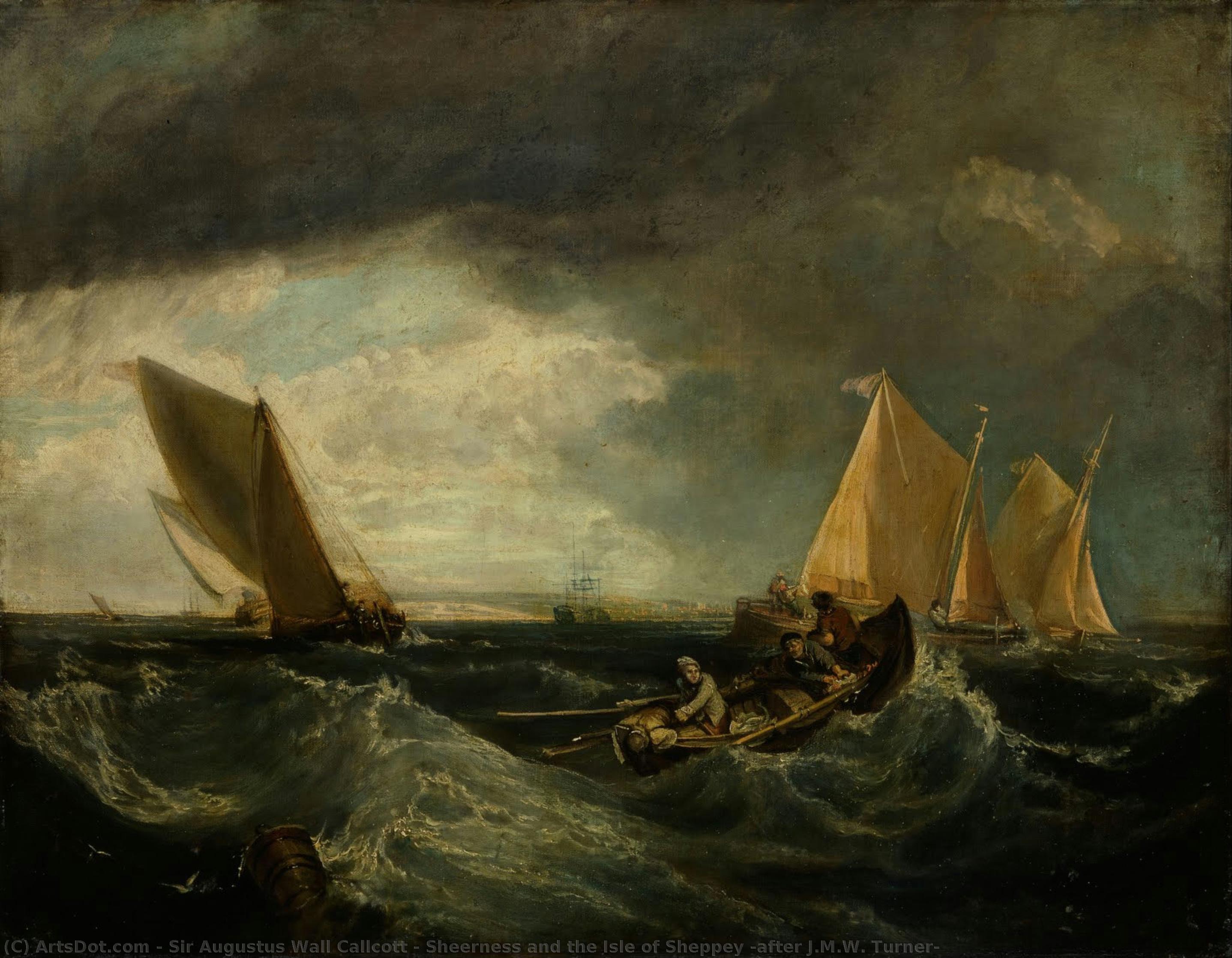
Sheerness and the Isle of Sheppey (after J.M.W. Turner)
 Acrylic On Canvas
- WallArt
- Romantic Landscape
 1807
1807 89.0 x 69.0 cm
 Tate Britain
 Ver más
Reproducción al óleo hecha a mano
Óleo sobre lienzo pintado a mano en el tamaño y marco de su elección, realizado por encargo por nuestros artistas. ( Comprar impresión Comprar imagen)




P118B $10

P118H $10

P118W $10

P438Z $10

P508JH $12

P508YH $12

P805H $10

P805Z $10

P919BZ $10

P919G $10

P919XJ $10

P959ZH $10

P968JZ $12

W106C $8

W218G $10

W218JH $8

W218Y $10

W307PJ $10

W316G $10

W316PJ $8

W316Y $10

W398PJ $8

W4111J $10

W500HY $15

W500JH $15

W692G $12

W849H $8

W940BG $15

W953PJ $8




Elija entre nuestros tamaños predefinidos que respetan las proporciones originales de la obra.

Puede ingresar sus propias dimensiones para adaptarse a un marco o espacio específico. Si el tamaño seleccionado no coincide con las proporciones de la imagen original, recortaremos la obra o extenderemos la pintura con elementos adicionales pintados a mano. Se le enviará una maqueta digital para su aprobación antes de comenzar la producción.
Tenga en cuenta que la vista previa en pantalla no refleja el recorte o la extensión reales. Solo la maqueta mostrará con precisión la composición final.
Si bien existen tamaños personalizados, recomendamos seleccionar una dimensión de la lista predefinida para preservar las proporciones originales.
Tras realizar el pedido, el equipo de ArtsDot.com enviará un correo electrónico al cliente para solicitar instrucciones y proporcionarle una vista previa del boceto.
Envío a todo el mundo () en 3-4 semanas en lugar de las 5 semanas estándar. (31 agosto). Sin comprometer la calidad.

Envío exprés gratuito a todo el mundo

Lienzo de lino de alta calidad

Seguro de envío total

Garantía de reembolso de impuestos aduaneros

Garantía de fidelidad cromática exacta

Política de devolución de 60 días (solo por defectos)

Garantía de devolución del 100% del dinero

Descuento por cantidad
 La opción de vidrio solo está disponible en tamaños inferiores a 110 cm.

Sheerness and the Isle of Sheppey (after J.M.W. Turner)
Técnica de reproducción
Dimensiones de la reproducción
-


Precio total final
$ 263
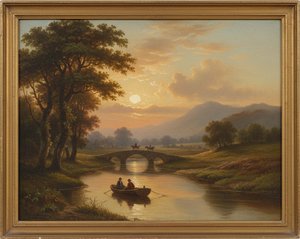
Sheerness and the Isle of Sheppey (after J.M.W. Turner) – A Tranquil Reflection on Romantic Landscape
Augustus Wall Callcott’s “Sheerness and the Isle of Sheppey,” painted circa 1807-8, stands as a testament to the burgeoning Romantic movement's fascination with capturing sublime beauty in nature. Executed by Callcott, a student of John Hoppner at the Royal Academy, this serene seascape embodies Turner’s influence—a hallmark of British art during his formative years—and offers a glimpse into the artistic sensibilities of the era. The painting depicts sailboats gliding across calm waters off the coast of Sheppey Island in Kent, England, capturing a moment of tranquil repose amidst the grandeur of the English countryside.Composition and Technique: Turner’s Legacy
Callcott skillfully adopted Turner's approach to landscape painting, prioritizing atmospheric perspective and tonal modulation to convey mood rather than precise topographical accuracy. Like Turner himself, Callcott employed loose brushstrokes—a technique characteristic of Romanticism—to depict the shimmering surface of the water and the hazy sky. The artist’s masterful use of color contributes significantly to the painting's emotional impact; muted blues and greens dominate the palette, reflecting the cool hues of the sea and shoreline, while subtle gradations of tone create a sense of depth and luminosity. This deliberate blurring of lines mimics Turner’s signature style, emphasizing feeling over factual representation.Historical Context: The Romantic Ideal
“Sheerness and the Isle of Sheppey” emerged during a period marked by intellectual upheaval and artistic experimentation—the Romantic era (roughly 1800-1850). Philosophers like Edmund Burke championed the concept of ‘sublime,’ arguing that confronting overwhelming natural beauty could inspire awe and terror, simultaneously elevating the human spirit. Turner’s paintings frequently explored these themes, portraying dramatic landscapes imbued with spiritual significance. Callcott's depiction aligns perfectly with this aesthetic ideal, presenting a scene designed to evoke contemplation and admiration for the unspoiled majesty of Britain’s coastline.Symbolism: Light and Tranquility
Beyond its visual beauty, “Sheerness and the Isle of Sheppey” carries symbolic weight. The calm waters represent serenity and peace—a deliberate contrast to the turbulent political climate of the time. Furthermore, the sailboats symbolize human endeavor harmoniously integrated with the natural world. Turner’s influence is palpable in Callcott's portrayal of light; the diffused sunlight filtering through the mist creates an ethereal glow, suggesting divine presence and reinforcing the painting’s contemplative mood. The scene invites viewers to consider the relationship between humanity and nature—a central preoccupation of Romantic artists.Emotional Impact: A Moment Frozen in Time
Ultimately, “Sheerness and the Isle of Sheppey” succeeds in transporting the viewer to a place of profound stillness. Callcott's careful attention to detail—the subtle reflections on the water’s surface, the delicate rendering of the sails—combined with Turner’s masterful tonal palette creates an experience that resonates with tranquility and wonder. It is a painting that speaks to our innate desire for connection with the natural world and reminds us of the enduring power of beauty to inspire contemplation and elevate the soul. This exquisite reproduction captures the essence of Callcott's vision, allowing collectors and interior designers alike to appreciate the timeless elegance of Romantic landscape art.Obras relacionadas


Biografía del artista
Primeros años y formación
Sir Augustus Wall Callcott, un renombrado pintor paisajista inglés, nació el 20 de febrero de 1779 en Kensington Gravel Pits, un pueblo al borde occidental de Londres. Su temprana vida estuvo marcada por una pasión por la música, lo que le llevó a cantar en el coro de Westminster Abbey durante varios años. Más tarde, se convirtió en estudiante de la Royal Academy, donde comenzó su carrera artística como retratista bajo la tutela de John Hoppner.Ascenso a la prominencia
La preferencia de Callcott por la pintura paisajística pronto se hizo evidente y, después de 1804, expuso exclusivamente paisajes. Su habilidad, diseño elegante y tono encantador llevaron a un ascenso constante en su reputación. En 1806, fue elegido asociado de la Royal Academy y, en 1810, se convirtió en académico titular.Obras notables y exposiciones
Algunas de las obras más destacadas de Callcott incluyen:- La entrada al Pool of London (1816)
- La boca del Tyne (1818)
- Una calma mortal en el Medway (1820)
- Rochester (1824)
- Rafael y la Fornarina (1837) - un raro ejemplo de sus pinturas de figuras, que se pueden encontrar en el Museo de Kensington Sur (colección Sheepshanks), ahora parte del V&A.
Legado y vida posterior
Callcott recibió un título de caballero en 1837 tras la ascensión al trono de la reina Victoria. Sucedió a William Seguier como supervisor de las pinturas de la Reina en 1843. Callcott falleció el 25 de noviembre de 1844 y fue enterrado en el cementerio de Kensal Green. Vea más obras de Sir Augustus Wall Callcott en ArtsDot.com: Explore más en Wikipedia: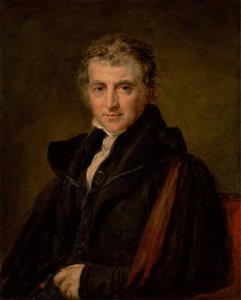
Sir Augustus Wall Callcott
1779 - 1844 , Reino Unido
Datos clave
- Estilo Artístico: Paisajismo inglés
- Fecha De Fallecimiento: 25 de noviembre de 1844
- Fecha De Nacimiento: 20 de febrero de 1779
- Lugar De Nacimiento: Kensington, Reino Unido
- Nacionalidad: Británico
- Nombre Completo: Sir Augustus Wall Callcott
- Obras Notables:
- La entrada al Pool of London
- La boca del Tyne
- Calma mortal en el Medway
- Rochester
- Rafael y la fornarina
Artículos relacionados

Paisajes Románticos: 10 Obras Maestras que Definieron un Movimiento Artístico
Descubre los 10 paisajes románticos más influyentes de artistas como Caspar David Friedrich y Turner. Explora la belleza, el simbolismo y las técnicas del movimiento romántico. Reproducciones de arte exclusivas en ArtsDot.com.
J.M.W. Turner: Light, Atmosphere & the Romantic Sublime
Explore the life & art of J.M.W. Turner, a master of Romantic landscape painting. Discover his innovative techniques, key works, and lasting influence on Impressionism. Find high-quality reproductions at ArtsDot.
Sir Augustus Wall Callcott: A Life Painted with Light & Atmosphere
Explore the life & art of Sir Augustus Wall Callcott, a celebrated British landscape painter known for his serene scenes and elegant compositions. Discover his Romantic influences & lasting legacy at ArtsDot.

John Constable: Las 25 Obras Maestras del Paisaje Inglés | ArtsDot
Descubre las 25 obras maestras de John Constable, el pintor romántico inglés que capturó la belleza del paisaje. Explora su técnica, historia y significado en ArtsDot.com. Reproducciones de arte de alta calidad para tu hogar.

Evocations of Place: A Historical Journey Through Landscape Art
Explore the rich history of landscape art with ArtsDot. Discover renowned artists, movements like Impressionism & Romanticism, and expert guidance for collecting timeless pieces. Find your perfect serene escape today!