 Ver en contexto
 Enviar
 Compartir
 Detalles

 Descargar
 Similares
 Radiografía
 Presentación de diapositivas
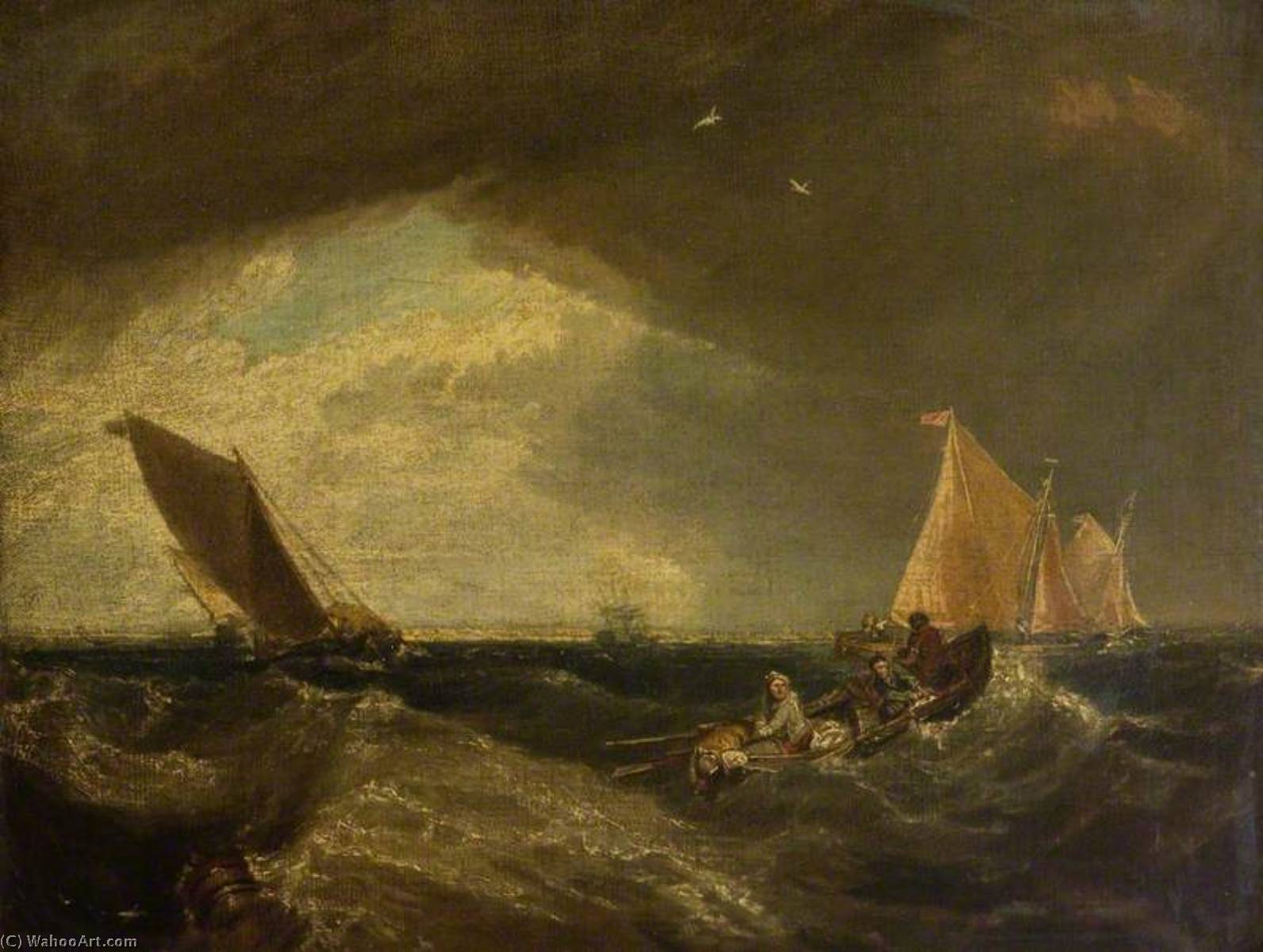
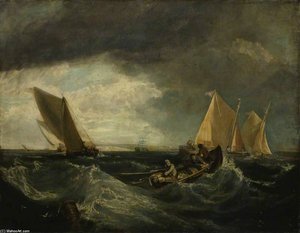
The Junction of the Thames and the Medway
 Acrylic On Canvas
- WallArt
- Romantic Landscape
 19th Century
 36.0 x 46.0 cm
 El Museo Ashmolean de Arte y Arqueología
 Ver más
Reproducción al óleo hecha a mano
Óleo sobre lienzo pintado a mano en el tamaño y marco de su elección, realizado por encargo por nuestros artistas. ( Comprar impresión Comprar imagen)




P118B $10

P118H $10

P118W $10

P438Z $10

P508JH $12

P508YH $12

P805H $10

P805Z $10

P919BZ $10

P919G $10

P919XJ $10

P959ZH $10

P968JZ $12

W106C $8

W218G $10

W218JH $8

W218Y $10

W307PJ $10

W316G $10

W316PJ $8

W316Y $10

W398PJ $8

W4111J $10

W500HY $15

W500JH $15

W692G $12

W849H $8

W940BG $15

W953PJ $8




Elija entre nuestros tamaños predefinidos que respetan las proporciones originales de la obra.

Puede ingresar sus propias dimensiones para adaptarse a un marco o espacio específico. Si el tamaño seleccionado no coincide con las proporciones de la imagen original, recortaremos la obra o extenderemos la pintura con elementos adicionales pintados a mano. Se le enviará una maqueta digital para su aprobación antes de comenzar la producción.
Tenga en cuenta que la vista previa en pantalla no refleja el recorte o la extensión reales. Solo la maqueta mostrará con precisión la composición final.
Si bien existen tamaños personalizados, recomendamos seleccionar una dimensión de la lista predefinida para preservar las proporciones originales.
Tras realizar el pedido, el equipo de ArtsDot.com enviará un correo electrónico al cliente para solicitar instrucciones y proporcionarle una vista previa del boceto.
Envío a todo el mundo () en 3-4 semanas en lugar de las 5 semanas estándar. (3 septiembre). Sin comprometer la calidad.

Envío exprés gratuito a todo el mundo

Lienzo de lino de alta calidad

Seguro de envío total

Garantía de reembolso de impuestos aduaneros

Garantía de fidelidad cromática exacta

Política de devolución de 60 días (solo por defectos)

Garantía de devolución del 100% del dinero

Descuento por cantidad
 La opción de vidrio solo está disponible en tamaños inferiores a 110 cm.

The Junction of the Thames and the Medway
Técnica de reproducción
Dimensiones de la reproducción
-


Precio total final
$ 263
A Symphony of Thames Waters: Callcott’s “The Junction of the Thames and the Medway”
Augustus Wall Callcott's "The Junction of the Thames and the Medway," painted around 1807, isn’t merely a depiction of a riverbank; it’s a carefully constructed tableau brimming with the spirit of early 19th-century England. This captivating landscape transcends simple representation, offering a glimpse into a world where commerce, leisure, and the natural beauty of the Thames estuary converged. The scene unfolds along the Hoo Peninsula, a sliver of land separating the mighty Thames from the Medway River, a strategic waterway vital for naval transport and trade. Callcott masterfully captures this pivotal meeting point, imbuing it with a sense of serene activity and understated elegance.
The painting’s style leans heavily into the Neoclassical tradition, popular at the time, yet infused with a distinctly English sensibility. Notice how Callcott employs a soft, diffused light—a hallmark of his technique—to create an atmosphere of hazy tranquility. The brushstrokes are delicate and precise, particularly evident in the rendering of the boats and the subtle reflections on the water’s surface. He avoids dramatic contrasts, favoring instead a harmonious blend of colors that evokes a feeling of warmth and contentment. This approach was influenced by the Dutch Masters, whose use of light and color Callcott deeply admired.
A Portrait of an Era: Historical Context
To fully appreciate “The Junction,” one must understand its historical context. The early 1800s were a period of significant change in England – the Napoleonic Wars had recently concluded, leaving a nation eager to rebuild and re-establish trade routes. The Thames and Medway Canal was conceived precisely to facilitate this process, offering a quicker alternative to the lengthy journey around the peninsula. Callcott’s painting, therefore, isn't just a pretty picture; it subtly reflects this strategic importance. The presence of several sailing vessels—a mix of barges and smaller craft—suggests the bustling activity of commerce along these vital waterways. The figure standing near the center, likely a gentleman enjoying the view, embodies the leisurely pursuits available to those connected to the river’s prosperity.
Symbolism Woven into the Scene
Beyond its straightforward depiction, “The Junction” is rich in symbolic meaning. The Thames and Medway rivers themselves represent connection – the link between London and Kent, England and Europe. The boats symbolize trade and progress, while the figure on the shore embodies human interaction with nature and the fruits of commerce. The composition—with the river flowing towards the viewer—creates a sense of invitation, drawing us into this idyllic scene. The careful placement of elements – the boats, the figure, the distant shoreline – all contribute to a carefully orchestrated narrative.
Capturing Light and Emotion: Callcott’s Technique
Callcott's skill lies not just in his ability to accurately depict a landscape but also in his capacity to evoke an emotional response. He achieves this through masterful use of light, color, and composition. The muted palette—dominated by blues, greens, and browns—creates a sense of calm and serenity. The subtle variations in tone suggest the play of sunlight on the water’s surface, adding depth and realism to the scene. Notice how he uses atmospheric perspective – objects further away appear paler and less distinct – to create a believable sense of distance. This technique, combined with his delicate brushwork, results in an image that is both visually stunning and emotionally resonant.
Bringing “The Junction” Home: A High-Quality Reproduction
Reproducing this exquisite painting requires meticulous attention to detail, mirroring Callcott’s original approach. Each hand-painted reproduction faithfully recreates the artwork's details and atmosphere, allowing you to bring the beauty of British landscape painting into your home or office. The careful selection of materials ensures that the colors remain true to the original, while the high level of craftsmanship guarantees a piece that will last for generations. “The Junction of the Thames and the Medway” is more than just a print; it’s a window into a bygone era—a testament to Callcott's artistry and a celebration of England’s rich maritime heritage.
Obras relacionadas
Biografía del artista
Primeros años y formación
Sir Augustus Wall Callcott, un renombrado pintor paisajista inglés, nació el 20 de febrero de 1779 en Kensington Gravel Pits, un pueblo al borde occidental de Londres. Su temprana vida estuvo marcada por una pasión por la música, lo que le llevó a cantar en el coro de Westminster Abbey durante varios años. Más tarde, se convirtió en estudiante de la Royal Academy, donde comenzó su carrera artística como retratista bajo la tutela de John Hoppner.Ascenso a la prominencia
La preferencia de Callcott por la pintura paisajística pronto se hizo evidente y, después de 1804, expuso exclusivamente paisajes. Su habilidad, diseño elegante y tono encantador llevaron a un ascenso constante en su reputación. En 1806, fue elegido asociado de la Royal Academy y, en 1810, se convirtió en académico titular.Obras notables y exposiciones
Algunas de las obras más destacadas de Callcott incluyen:- La entrada al Pool of London (1816)
- La boca del Tyne (1818)
- Una calma mortal en el Medway (1820)
- Rochester (1824)
- Rafael y la Fornarina (1837) - un raro ejemplo de sus pinturas de figuras, que se pueden encontrar en el Museo de Kensington Sur (colección Sheepshanks), ahora parte del V&A.
Legado y vida posterior
Callcott recibió un título de caballero en 1837 tras la ascensión al trono de la reina Victoria. Sucedió a William Seguier como supervisor de las pinturas de la Reina en 1843. Callcott falleció el 25 de noviembre de 1844 y fue enterrado en el cementerio de Kensal Green. Vea más obras de Sir Augustus Wall Callcott en ArtsDot.com: Explore más en Wikipedia:
Sir Augustus Wall Callcott
1779 - 1844 , Reino Unido
Datos clave
- Estilo Artístico: Paisajismo inglés
- Fecha De Fallecimiento: 25 de noviembre de 1844
- Fecha De Nacimiento: 20 de febrero de 1779
- Lugar De Nacimiento: Kensington, Reino Unido
- Nacionalidad: Británico
- Nombre Completo: Sir Augustus Wall Callcott
- Obras Notables:
- La entrada al Pool of London
- La boca del Tyne
- Calma mortal en el Medway
- Rochester
- Rafael y la fornarina
Artículos relacionados

John Constable: Las 25 Obras Maestras del Paisaje Inglés | ArtsDot
Descubre las 25 obras maestras de John Constable, el pintor romántico inglés que capturó la belleza del paisaje. Explora su técnica, historia y significado en ArtsDot.com. Reproducciones de arte de alta calidad para tu hogar.
Sir Augustus Wall Callcott: A Life Painted with Light & Atmosphere
Explore the life & art of Sir Augustus Wall Callcott, a celebrated British landscape painter known for his serene scenes and elegant compositions. Discover his Romantic influences & lasting legacy at ArtsDot.

Paisajes Románticos: 10 Obras Maestras que Definieron un Movimiento Artístico
Descubre los 10 paisajes románticos más influyentes de artistas como Caspar David Friedrich y Turner. Explora la belleza, el simbolismo y las técnicas del movimiento romántico. Reproducciones de arte exclusivas en ArtsDot.com.

Evocations of Place: A Historical Journey Through Landscape Art
Explore the rich history of landscape art with ArtsDot. Discover renowned artists, movements like Impressionism & Romanticism, and expert guidance for collecting timeless pieces. Find your perfect serene escape today!
Los 10 Maestros del Río Hudson: Obras que Definieron un Movimiento Artístico
Descubre los 10 lienzos más emblemáticos de la Escuela del Río Hudson. Explora las obras maestras de Thomas Cole, Church y Bierstadt que capturan la belleza del paisaje americano. Encuentra reproducciones de arte exclusivas en ArtsDot.com.