 Ver en contexto
 Enviar
 Compartir
 Detalles

 Descargar
 Similares
 Radiografía
 Presentación de diapositivas
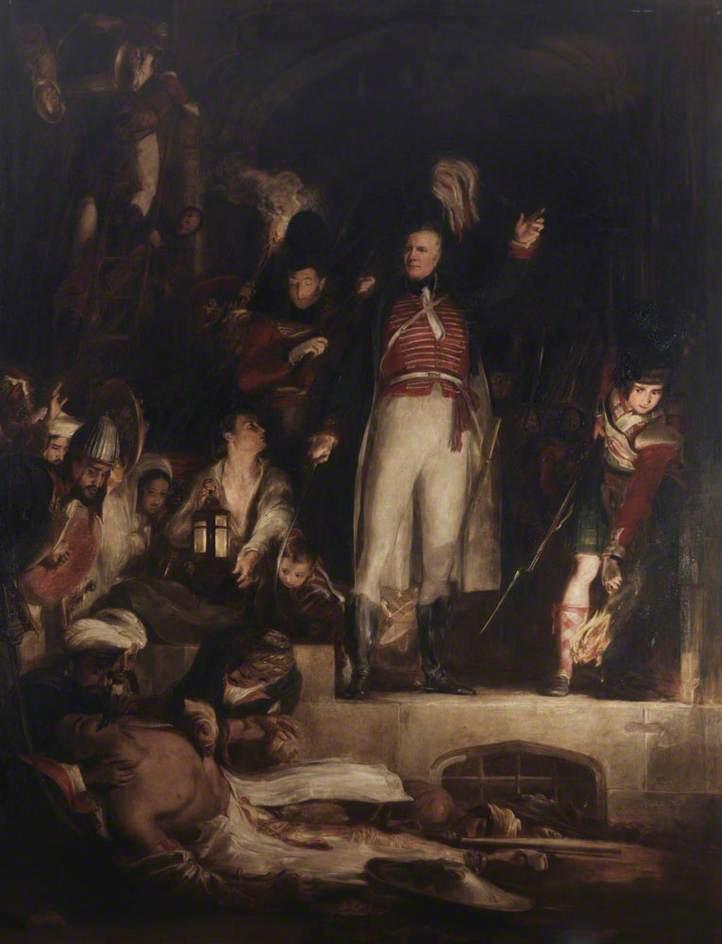
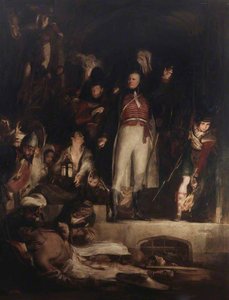
General Sir David Baird Discovering the Body of Sultan Tippoo Sahib


 Ver más
Reproducción al óleo hecha a mano
Óleo sobre lienzo pintado a mano en el tamaño y marco de su elección, realizado por encargo por nuestros artistas. ( Comprar impresión Comprar imagen)




P118B $10

P118H $10

P118W $10

P438Z $10

P508JH $12

P508YH $12

P805H $10

P805Z $10

P919BZ $10

P919G $10

P919XJ $10

P959ZH $10

P968JZ $12

W106C $8

W218G $10

W218JH $8

W218Y $10

W307PJ $10

W316G $10

W316PJ $8

W316Y $10

W398PJ $8

W4111J $10

W500HY $15

W500JH $15

W692G $12

W849H $8

W940BG $15

W953PJ $8




Elija entre nuestros tamaños predefinidos que respetan las proporciones originales de la obra.

Puede ingresar sus propias dimensiones para adaptarse a un marco o espacio específico. Si el tamaño seleccionado no coincide con las proporciones de la imagen original, recortaremos la obra o extenderemos la pintura con elementos adicionales pintados a mano. Se le enviará una maqueta digital para su aprobación antes de comenzar la producción.
Tenga en cuenta que la vista previa en pantalla no refleja el recorte o la extensión reales. Solo la maqueta mostrará con precisión la composición final.
Si bien existen tamaños personalizados, recomendamos seleccionar una dimensión de la lista predefinida para preservar las proporciones originales.
Tras realizar el pedido, el equipo de ArtsDot.com enviará un correo electrónico al cliente para solicitar instrucciones y proporcionarle una vista previa del boceto.
Envío a todo el mundo () en 3-4 semanas en lugar de las 5 semanas estándar. (28 agosto). Sin comprometer la calidad.

Envío exprés gratuito a todo el mundo

Lienzo de lino de alta calidad

Seguro de envío total

Garantía de reembolso de impuestos aduaneros

Garantía de fidelidad cromática exacta

Política de devolución de 60 días (solo por defectos)

Garantía de devolución del 100% del dinero

Descuento por cantidad
 La opción de vidrio solo está disponible en tamaños inferiores a 110 cm.

General Sir David Baird Discovering the Body of Sultan Tippoo Sahib
Técnica de reproducción
Dimensiones de la reproducción
-


Precio total final
$ 263
A Moment Frozen in Triumph: Wilkie’s Baird at Seringapatam
Sir David Wilkie's "General Sir David Baird Discovering the Body of Sultan Tippoo Sahib after Having Captured Seringapatam, on the 4th May, 1799" is more than just a historical painting; it’s a visceral tableau of victory steeped in drama and profound human emotion. Completed in 1839, this monumental canvas transports us to the chaotic aftermath of the Anglo-Mysore War, capturing a pivotal moment that reverberates with strategic significance and poignant loss. Wilkie, already celebrated for his ability to imbue everyday life with remarkable empathy – earning him the moniker “The People’s Painter” – here demonstrates his mastery of theatrical composition and psychological depth.
At first glance, the scene unfolds within a claustrophobic tunnel of shattered stone and billowing smoke, remnants of the besieged Seringapatam fortress. General Sir David Baird, a figure of stoic command in his scarlet uniform, stands at the forefront, his hand raised – not in triumphant gesture, but with an air of solemn contemplation. He’s flanked by British troops, their faces etched with exhaustion and a grim satisfaction, yet also tinged with a palpable sense of unease. The focal point, however, is the body of Sultan Tippoo Sahib, sprawled amidst the debris, a symbol of both defeat and the brutal realities of colonial ambition. The artist’s meticulous rendering of the fallen ruler – his opulent attire stained with blood, his face frozen in a final expression of defiance – immediately compels our empathy, forcing us to confront the human cost of war.
The Romantic Drama: Composition and Technique
Wilkie's genius lies not merely in depicting a historical event but in crafting an intensely dramatic scene. The composition is masterfully controlled, utilizing converging lines that draw the viewer’s eye towards Baird and the body of Tippoo Sahib. The use of chiaroscuro – the stark contrast between light and shadow – intensifies the theatricality of the moment, highlighting key figures while shrouding others in darkness, creating a sense of mystery and foreboding. The artist employs loose, expressive brushstrokes, characteristic of the Romantic movement, to convey the energy and chaos of the battlefield. Note particularly how Wilkie captures the texture of the stone, the billowing smoke, and the folds of the soldiers’ uniforms – details that contribute significantly to the painting's immersive quality.
The color palette is deliberately restrained, dominated by earthy tones—ochres, browns, and grays—reflecting the grim reality of war. However, flashes of crimson from the blood and the scarlet of Baird’s uniform punctuate the scene, drawing attention to the central drama. The lighting, originating from an unseen source above, casts dramatic shadows that heighten the sense of tension and uncertainty. Wilkie's technical skill is evident in his ability to create a convincing illusion of depth and space within this confined setting.
Historical Context: A Turning Point
“General Sir David Baird Discovering the Body of Sultan Tippoo Sahib” commemorates a decisive victory for the British East India Company, marking a turning point in the Third Anglo-Mysore War. The capture of Seringapatam and the death of Tippoo Sahib effectively ended Mysore’s independence and solidified British dominance in Southern India. The painting was commissioned by Baird's widow, Lady Baird, as a poignant memorial to her husband’s achievements – a testament to his military prowess and strategic acumen. It’s important to note that Wilkie based his depiction of Baird on a posthumous portrait by Henry Raeburn, adding another layer of historical significance to the work.
The painting's creation coincided with a period of intense political and social upheaval in Britain, marked by industrialization, urbanization, and growing anxieties about empire. Wilkie’s portrayal of this pivotal moment reflects these broader concerns, offering a complex meditation on themes of power, ambition, loss, and the human cost of conflict. The scene subtly hints at the moral ambiguities inherent in colonial expansion – a subject that would later become increasingly scrutinized by historians and artists.
Symbolism and Emotional Resonance
Beyond its historical significance, “General Sir David Baird Discovering the Body of Sultan Tippoo Sahib” is rich in symbolism. The fallen ruler represents not only military defeat but also the demise of a once-powerful kingdom and the disruption of established traditions. Baird’s gesture – raised hand, thoughtful expression – suggests a complex mix of emotions: pride, duty, and perhaps even regret. The painting invites us to contemplate the ethical implications of conquest and the enduring legacy of war.
Wilkie's masterful use of light and shadow, combined with his dramatic composition and psychological insight, creates an emotionally resonant experience for the viewer. The image lingers in the mind long after it has been viewed, prompting reflection on the human cost of conflict and the complexities of historical narratives. It remains a powerful testament to Wilkie’s artistic genius and a significant work within the broader context of Romantic painting.
Obras relacionadas

Biografía del artista
Sir David Wilkie (1785–1841): El Pintor Popular y Visionario Romántico
David Wilkie, nacido el 18 de noviembre de 1785, en Escocia, ocupa un lugar destacado en el arte británico del siglo XIX—un pintor celebrado no solo por su dominio técnico sino también por capturar el espíritu de la vida cotidiana con notable empatía. Falleció el 1 de junio de 1841, dejando atrás una obra impresionante que sigue inspirando admiración y estudio académico. Wilkie comenzó su viaje artístico en medio del creciente movimiento romántico, moldeando así su estilo distintivo y preocupaciones temáticas.Primeros años y formación artística
La infancia de Wilkie transcurrió en Edimburgo, donde recibió una educación artística rigurosa bajo John Ramsay, perfeccionando sus habilidades en dibujo y pintura paisajes y retratos. Esta formación fundamental inculcó en él una atención meticulosa al detalle y una profunda comprensión de la graduación tonal—características que serían señuelo de su obra madura. Su talento rápidamente obtuvo reconocimiento, impulsándolo hacia el escenario artístico londinense donde establecióse como artista respetado y profesor.Pintura de género: Capturando la esencia de la vida
Wilkie se distinguió principalmente por la pintura de género—escenas que representan la vida cotidiana con un grado de realismo y profundidad psicológica excepcional. A diferencia de muchos artistas de su tiempo que favorecieron narrativas históricas grandiosas, Wilkie se enfocó en capturar los matices de la experiencia humana—las expresiones de emoción, las interacciones entre individuos y los detalles sutiles que transmitían atmósfera y carácter. Su obra maestra, “Los Pensionistas Chelsea Leyendo el Despatch de Waterloo”, ejemplifica este enfoque perfectamente; no es simplemente una representación de un evento histórico sino una imagen inmersiva de los hombres mismos, comunicando sus ansiedades, esperanzas y camaradería con precisión impresionante. Esta pintura ahora se encuentra en apsley house.Comisiones históricas y estilo artístico
La fama de Wilkie aumentó cuando fue nombrado Pintor Principal en Orden Público al Rey Guillermo IV y Reina Victoria—una posición prestigiosa que aseguró obras encargadas para pinturas monumentales históricas y retratos de la realeza. Él abrazó el desafío con dedicación característica, produciendo lienzos impregnados de grandeza e infundidos con idealismo romántico. Su estilo evolucionó a lo largo del tiempo, incorporando influencias de Caravaggio y Rembrandt, pero manteniendo una sensibilidad escocesa distintiva caracterizada por paletas cromáticas luminosas y maestría en el manejo del pincel. Su hija, Sophia Wilkie, posteriormente señora James Winfield, fue una importante defensora de sus esfuerzos artísticos.Obras destacadas y legado
El legado artístico de Wilkie trasciende obras individuales; influyó profundamente en el desarrollo del arte británico. Su observación meticulosa de la naturaleza—evidente en paisajes como “La Pastora Regresando del Agua”—estableciólo como pionero en la pintura toposférica. Además, sus retratos, incluidos aquellos de Reina Victoria y Príncipe Alberto, se consideran entre los mejores de su época, capturando no solo semejanza física sino también profundidad psicológica. Admire ‘A Bookcase’ por Sir David Wilkie – una impresionante pintura neoclasicista de impecable detalle y maestría técnica. Aprecie su importancia histórica y belleza atemporal. Malcolm Simmons (1946-2014) fue un legendario piloto británico que pasó inesperadamente a la pintura—un testimonio de adrenalina y creatividad—junto con obras por Velázquez y Wilkie en ArtsDot. Descubra un legado más allá del circuito!. Charles Shreiff, miniaturista escocés reconocido por sus exquisitos retratos diminutos y paisajes, también fue una figura importante de su tiempo. La Colección Fleming: la colección artística británica líder! Descubra más de 600 obras, desde Raeburn hasta los Coloristas y los Niños Glasgow, a través de visitas guiadas y préstamos. Un museo sin paredes.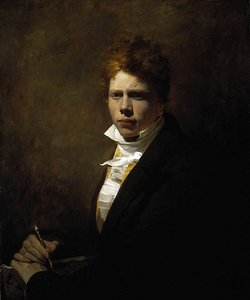
Sir David Wilkie
1785 - 1841 , Escocia
Datos clave
- Artistic Movement Or Style: Pintura de género
- Artists Or Movements Influenced By This Artist: ['Arte británico']
- Artists Who Influenced This Artist: ['Romanticismo']
- Date Of Birth: November 18, 1785
- Date Of Death: June 1, 1841
- Full Name: David Wilkie
- Nationality: Escocés
- Notable Artworks:
- Chelsea Pensioners Reading Waterloo Dispatch
- Una Estantería
- Place Of Birth: Scotland
Artículos relacionados
Sir David Wilkie: Narrative Detail & the Rise of Victorian Genre Painting
Explore the life & work of Sir David Wilkie, a pivotal figure in Victorian genre painting. Discover his narrative detail, social commentary, and lasting influence on 19th-century British art. Learn more at ArtsDot.
The Evocative Brushstroke: Exploring Emotion, Individuality & the Sublime in Romanticism's Artistic Landscape
Explore the passionate world of Romanticism! Discover masterpieces by Friedrich & Goya, delve into the sublime, and understand the movement's lasting impact on art history. Expert analysis & insights at ArtsDot.
Romanticismo: 10 Obras Maestras que Definieron una Era |
Descubre las 10 obras maestras del Romanticismo que marcaron una época. Explora la historia de Delacroix, Goya y más. Reproducciones de arte en para decorar tu hogar con belleza y emoción. ¡Explora la colección online!
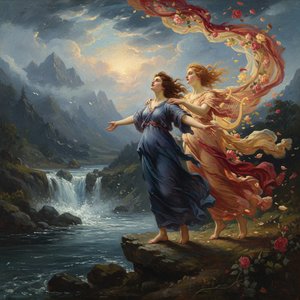
Lo Sublime y lo Sensual: Explorando la Emoción e Individualidad en el Romanticismo Artístico
Descubre el Romanticismo artístico en profundidad. Exploramos la emoción, lo sublime y la sensualidad a través de obras maestras de Friedrich, Delacroix, Goya y Domšaitis. Análisis experto e historia del arte.

Caspar David Friedrich: Romanticism's Master of Landscape & the Sublimity of Inner Experience
Explore the profound landscapes of Caspar David Friedrich, a master of German Romanticism. Discover the symbolism, themes & enduring influence of this iconic artist. A deep dive into his life and work.