 Ver en contexto
 Enviar
 Compartir
 Detalles

 Descargar
 Similares
 Radiografía
 Presentación de diapositivas
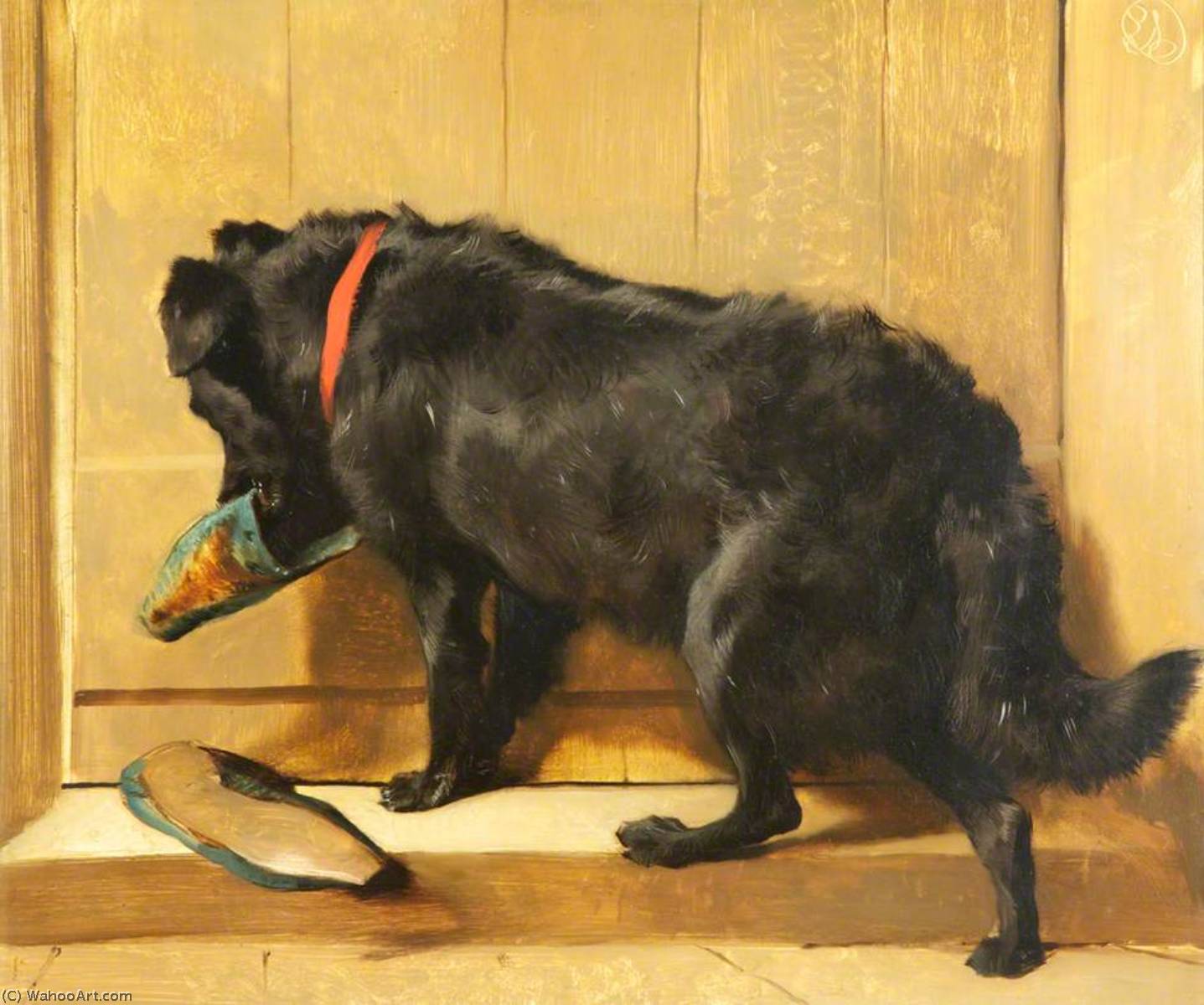
A Dog with a Slipper
 Oil
Oil- WallArt
- Romanticism
 1848
1848- 19th Century
 44.0 x 54.0 cm
 Ver más
Giclée / Impresión de arte
Impresiones giclée o en lienzo de calidad de museo con producción rápida y opciones de acabado flexibles. ( Comprar pintura hecha a mano Comprar imagen)




































Elija entre nuestros tamaños predefinidos que respetan las proporciones originales de la obra.

Puede introducir sus propias dimensiones para adaptarse a un marco o espacio específico. Si el tamaño seleccionado no coincide con las proporciones de la imagen original, recortaremos la obra de arte o extenderemos la imagen con un borde con efecto espejo o de color sólido. Se enviará una maqueta digital para su aprobación antes de que comience la producción.
Tenga en cuenta que la vista previa en pantalla no refleja el recorte o la extensión real. Solo la maqueta mostrará con precisión la composición final.
Aunque existen tamaños personalizados, recomendamos seleccionar una dimensión de la lista predefinida para preservar las proporciones originales.
Envío a todo el mundo () en 2 semanas en lugar de las 4/5 semanas estándar. (27 agosto)

Envío exprés gratuito a todo el mundo

Lienzo de lino de alta calidad

Seguro de envío total

Garantía de reembolso de impuestos aduaneros

Garantía de fidelidad cromática exacta

Política de devolución de 60 días (solo por defectos)

Garantía de devolución del 100% del dinero

Descuento por cantidad
 La opción de vidrio solo está disponible en tamaños inferiores a 110 cm.

A Dog with a Slipper
Giclée / Impresión de arte
Dimensiones de la reproducción
-


Precio total final
$ 62
Descripción de la pieza
A Moment Captured in Time: The Charm of Landseer’s Canine Muse
In the quiet, evocative realm of Victorian animal portraiture, few artists possessed the ability to breathe soul into the silent subjects of the natural world quite like Sir Edwin Henry Landseer. His masterpiece, A Dog with a Slipper, dating from 1848, serves as a profound testament to this mastery. The painting presents us with an intimate, almost voyeuristic glimpse into a domestic moment: a sleek black dog, adorned with a striking red collar, stands poised at the threshold of a doorway. With a playful yet gentle grip, the canine holds a slipper in its mouth, creating a narrative that is simultaneously whimsical and deeply sentimental. This is not merely a depiction of an animal; it is a window into the warmth and companionship that defined the Victorian domestic ideal.
The composition is masterfully balanced, utilizing the architectural element of the doorway to frame the subject and draw the viewer’s eye directly to the dog's expressive face. Landseer employs a technique characterized by remarkable anatomical precision—a skill honed through his rigorous studies of musculature—yet he softens this realism with a romantic, atmospheric touch. The play of light near the entrance suggests an outdoor setting, perhaps a garden or a courtyard, where the natural world meets the sanctuary of the home. The subtle presence of secondary objects flanking the dog adds a layer of environmental depth, grounding the scene in a tangible, lived-in reality that feels both timeless and incredibly personal.
Symbolism and the Victorian Soul
To understand this work, one must look beyond the surface of the fur and fabric to the emotional resonance Landseer intended. During the mid-19th century, animals were often used as vessels for complex human emotions and moral allegories. The slipper, a symbol of domestic comfort and human presence, held in the mouth of a loyal companion, speaks eloquently to themes of fidelity, devotion, and the bridge between the wildness of nature and the civilization of the home. There is an inherent sweetness in this interaction, a sense of "waiting" that evokes a profound emotional response in the viewer, inviting them to feel the same affection for the subject as the unseen owner of the slipper would.
For the discerning collector or interior designer, this painting offers more than just aesthetic beauty; it provides a focal point of character. The high contrast between the deep black coat of the dog and the vibrant red of its collar creates a visual pop that can anchor a room, while the muted, earthy tones of the doorway and surroundings allow it to integrate seamlessly into classical or traditional decor. Whether placed in a sunlit library or a cozy study, A Dog with a Slipper brings an air of historical prestige and a sense of quiet, enduring companionship to any space.
An Invitation to Elegance
Owning a reproduction of such a significant work allows one to participate in the legacy of British Romanticism. Landseer’s ability to capture the "essence" of his subjects—a quality that earned him the favor of Queen Victoria herself—remains as potent today as it was in 1848. This piece is an ideal choice for those who appreciate art that tells a story, for those who seek to surround themselves with works that evoke nostalgia, warmth, and a sophisticated appreciation for the natural world. It is a celebration of life's simplest, most tender moments, rendered with the hand of a true master.
Obras relacionadas
Biografía del artista
Primeros años y formación
Sir Edwin Henry Landseer, un destacado pintor y escultor inglés, nació el 7 de marzo de 1802 en Londres, Reino Unido. Como hijo del grabador John Landseer A.R.A., estuvo expuesto al mundo del arte desde una edad temprana. El talento prodigioso de Landseer fue reconocido, lo que le llevó a estudiar con varios artistas, incluyendo a su padre y al pintor de historia Benjamin Robert Haydon.Carrera artística
La carrera artística de Landseer se caracterizó por su excepcional habilidad para capturar animales, particularmente caballos, perros y ciervos. Sin embargo, sus obras más famosas son las esculturas de leones en la Plaza del Trafalagar, Londres. Sir Edwin Henry Landseer fue miembro de la Royal Academy, exhibiendo obras a los 13 años y luego convirtiéndose en asociado a los 24 y académico a los 31.Obras notables y colaboraciones
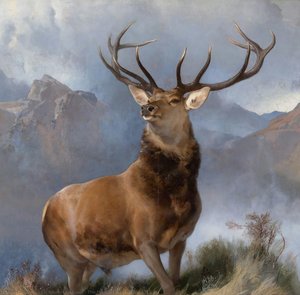
Algunas de las obras notables de Landseer incluyen:- Monarca del Glen (1851), un majestuoso estudio de ciervo, que muestra su habilidad para capturar la belleza de la naturaleza.
- En camino al rescate (1827), una pintura con un perro Terranova, destacando su capacidad para retratar animales nobles.
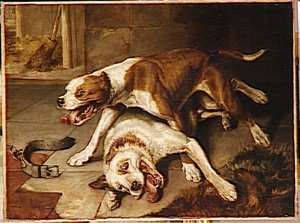
- Imponiendo la ley (1840), una pieza satírica con un grupo de perros, demostrando su sentido del humor y creatividad.
Museos que exhiben las obras de Landseer
Las obras de Landseer se pueden encontrar en varios museos, incluyendo:- Tate Britain, Londres, Reino Unido
- Victoria and Albert Museum, Londres, Reino Unido
- Kenwood House, Londres, Reino Unido
- The Wallace Collection, Londres, Reino Unido
Legado
El legado de Sir Edwin Henry Landseer se extiende más allá de su arte, con la variedad "Landseer" de perro Terranova siendo nombrada en su honor. Sus colaboraciones con el pintor Frederick Richard Lee y sus retratos de la reina Victoria y su familia solidifican aún más su impacto en el arte británico.Recursos en línea
Para obtener más información sobre la vida y las obras de Sir Edwin Henry Landseer, visite:- ArtsDot.com: sir edwin henry landseer
- wikipedia: sir edwin landseer
Conclusión
El talento notable y las contribuciones de Sir Edwin Henry Landseer al arte británico han dejado un impacto duradero. Sus obras, con temas de animales y satíricos, continúan inspirando a artistas y entusiastas del arte por igual.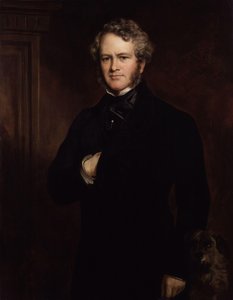
Sir Edwin Henry Landseer
1802 - 1873 , Reino Unido
Datos clave
- Estilo Artístico: Realismo victoriano
- Fecha De Nacimiento: 7 de marzo de 1802
- Lugar De Nacimiento: Londres, Reino Unido
- Nacionalidad: Británico
- Nombre Completo: Sir Edwin Henry Landseer
- Obras Notables:
- Monarch of the Glen
- Off to the Rescue
- Laying Down the Law
Artículos relacionados

Las 10 Pinturas Más Famosas Dominadas por el Negro | Arte y Decoración
Descubre las 10 pinturas más impactantes dominadas por el negro. Explora obras maestras de Rembrandt, Goya y Rothko, su historia y significado. Encuentra reproducciones de arte exclusivas para transformar tu hogar en .

Crimson Threads of Narrative: Exploring Symbolism & Representation in Artworks Featuring the Red Dress
Explore the rich symbolism of the red dress in art history! From ancient power displays to iconic portraits like Cézanne’s 'Madame Cezanne', discover the cultural and artistic significance behind this captivating color. Expert analysis & insights.

Mark Rothko: Las 25 Obras Maestras que Definen la Expresión Abstracta | ArtsDot
Descubre las 25 obras maestras de Mark Rothko, pionero del expresionismo abstracto. Explora la historia, el significado y los colores vibrantes que definen su arte emocional. Reproducciones de alta calidad en ArtsDot.com.

Dante Gabriel Rossetti: Las 25 Obras Maestras del Prerrafaelismo | ArtsDot
Descubre las 25 obras maestras de Dante Gabriel Rossetti, el máximo exponente del Prerrafaelismo. Explora su simbolismo, retratos victorianos y la belleza femenina en lienzos inolvidables. Reproducciones de arte exclusivas en ArtsDot.com.

Las 10 Obras Maestras Dominadas por el Negro Marsella: Arte y Decoración
Descubre las 10 pinturas más famosas dominadas por el negro marsella. Explora la historia, técnica y simbolismo de obras maestras del expresionismo alemán, gótico y arte moderno. Reproducciones de museos en .