

 Ver en contexto
 Enviar
 Compartir
 Detalles

 Descargar
 Similares
 Radiografía
 Presentación de diapositivas
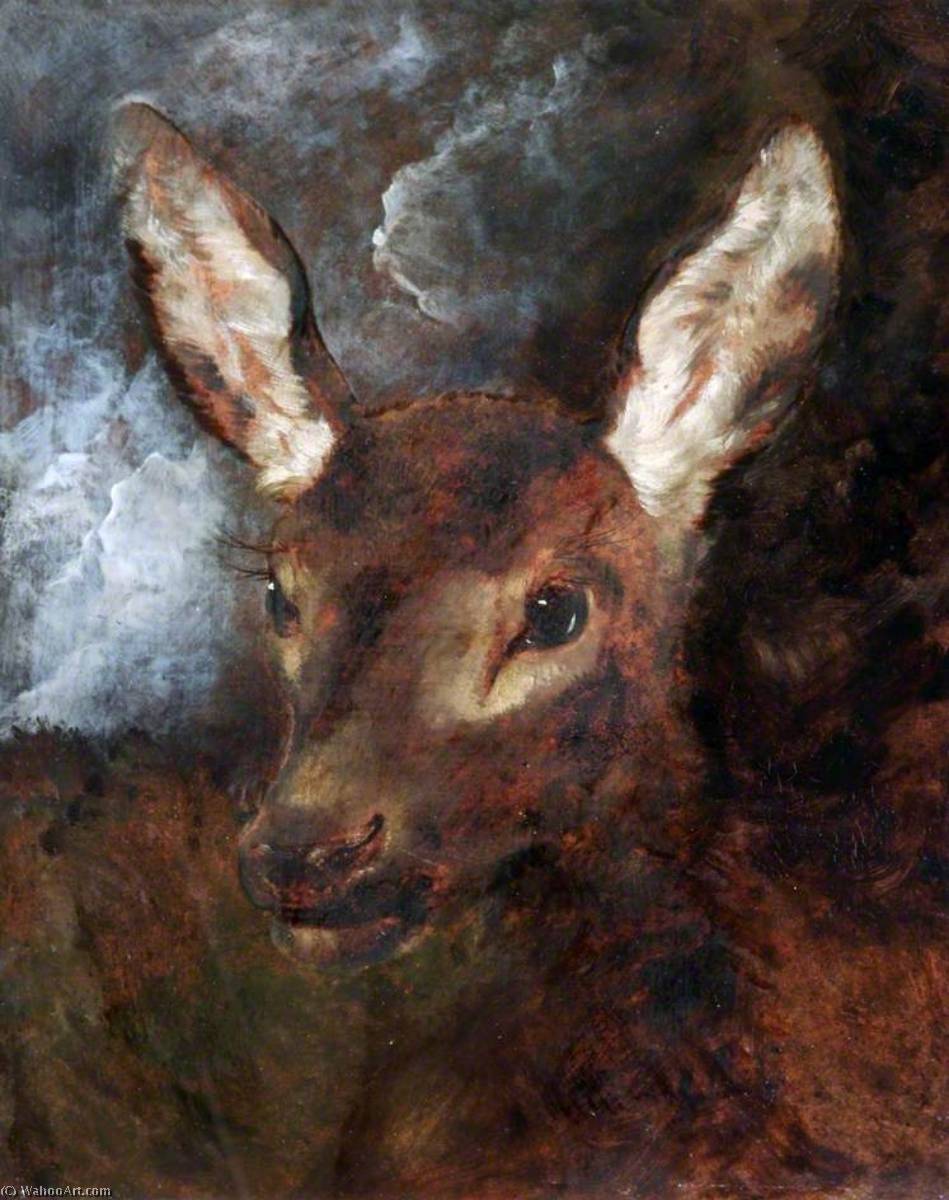
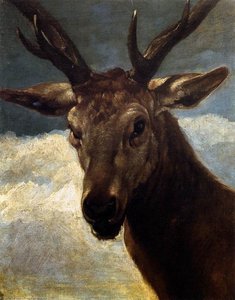
Head of a Hind
 Oil On Canvas
- WallArt
- Victorian Animalier
 1840
1840 53.0 x 45.0 cm
 Galería de Arte Walker
 Ver más
Adquiera una imagen digital de alta resolución y optimizada, muy superior a la vista previa en línea.
Cada archivo es preparado meticulosamente por nuestros especialistas internos mediante el uso de herramientas avanzadas y un experto retoque manual. Nos aseguramos de que cada imagen posea una claridad excepcional, una precisión cromática impecable y un detalle minucioso.
El archivo final se entrega por correo electrónico en un plazo de 72 horas, optimizado para su uso inmediato en entornos profesionales, editoriales y de impresión. Esta es la misma calidad en la que confían los estudios de diseño, las editoriales y las galerías de primer nivel.
Imagen Digital
Descarga un archivo de alta resolución para exhibición personal, impresión y proyectos creativos. ( Comprar impresión Comprar pintura hecha a mano)
Incluido en cada pedido de imágenes digitales
Entrega digital experta, garantizada.
Al elegir ArtsDot.com, no solo está adquiriendo una imagen; está recibiendo una obra de arte digital mejorada profesionalmente, elaborada con precisión y respaldada por una garantía de satisfacción. Esto es todo lo que incluye su pedido, automáticamente:

Entrega rápida por email
Recibirá su archivo de imagen digital en alta resolución por correo electrónico en un plazo de 72 horas tras realizar su pedido, listo para su uso inmediato.

Archivo digital optimizado por IA
Su obra de arte se optimiza profesionalmente mediante herramientas avanzadas de IA y edición manual, garantizando el máximo detalle, claridad y precisión cromática.

Reenvío gratuito de por vida
¿Has borrado o perdido tu archivo por error? No te preocupes: te lo volveremos a enviar en cualquier momento, sin coste adicional.

Sin gastos de importación, siempre
Disfrute de su obra de arte al instante sin aduanas, aranceles ni gastos de envío; las descargas digitales siempre están libres de impuestos.

Garantía de fidelidad de color
Garantizamos que su imagen digital refleje los colores originales con la mayor fidelidad posible, mediante el uso de herramientas profesionales y gestión del color.

Garantía de satisfacción de 60 días
Si no está satisfecho con su imagen digital, la revisaremos o le reembolsaremos el 100% en un plazo de 60 días, sin preguntas.

100% Garantía de devolución de dinero
¿No está satisfecho? Obtenga un reembolso completo dentro de los 60 días posteriores a la recepción de su archivo digital, sin necesidad de explicaciones.

Descuentos por pedidos grandes
Compra 3 imágenes, ahorra 10% - Compra 5, ahorra 15% - Compra 10+, ahorra 20%. Ideal para proyectos creativos, galerías y agencias.
Descripción del coleccionable
A Portrait of Majesty: Sir Edwin Landseer’s ‘Head of a Hind’
Sir Edwin Henry Landseer's “Head of a Hind,” painted in 1840, is more than simply a depiction of a deer; it’s a poignant distillation of the Victorian fascination with nature, nobility, and the romantic ideals of the British countryside. This intimate portrait, rendered in oil on board, captures a moment of quiet contemplation within the animal's gaze – an expression that speaks volumes about its wildness and inherent dignity. The painting immediately draws the viewer in, not through grand scale or dramatic action, but through a remarkably sensitive portrayal of form and texture.
Landseer’s technique is characterized by his meticulous attention to detail and his profound understanding of animal anatomy. He wasn't merely sketching; he was dissecting, as he famously did, studying the musculature and skeletal structure of animals to achieve an unparalleled realism. This dedication is evident in every strand of fur, every ripple of muscle beneath the deer’s sleek coat. The artist masterfully employs a broken brushstroke technique, layering colors subtly to create a sense of depth and volume – particularly noticeable in the rich browns and golds that define the animal's pelt. The lighting, too, is carefully considered, highlighting the contours of the head and casting subtle shadows that enhance the three-dimensionality of the subject.
Victorian Sentimentality and the Animalier Tradition
“Head of a Hind” firmly places itself within the context of Victorian art, a period deeply influenced by Romanticism and a burgeoning interest in the natural world. The animalier tradition – the depiction of animals as subjects in art – was gaining considerable traction during this era, largely thanks to artists like Landseer who elevated it beyond mere illustration. Landseer’s work resonated profoundly with the Victorian sensibility, which often sought solace and moral lessons within the beauty and dignity of nature. Deer were frequently associated with grace, purity, and nobility, qualities highly valued in Victorian society.
Furthermore, the painting reflects a broader shift towards sentimental art – an aesthetic that prioritized emotional resonance over strict realism. Landseer’s deer isn't presented as a wild beast to be feared or hunted; instead, it is portrayed with a gentle vulnerability and a quiet awareness. This approach aligns perfectly with the Victorian fascination with domesticity and the idealized portrayal of rural life.
Symbolism and the Spirit of the Highlands
The deer itself carries significant symbolic weight. In European folklore, deer are often associated with Artemis, the Greek goddess of the hunt and wilderness, embodying both power and grace. Within the context of Victorian England, the animal’s presence evokes a longing for a simpler, more untamed existence – a yearning that was particularly strong in a rapidly industrializing nation. The slightly turned head, as if listening to an unseen melody, suggests a connection to ancient traditions and the spirit of the Highlands, where Landseer spent much of his time studying and painting.
The cloudy sky in the background subtly reinforces this sense of atmosphere and mystery. It’s not a bright, cheerful vista; rather, it evokes a mood of contemplative stillness, mirroring the deer's own quiet demeanor. The composition as a whole suggests a moment suspended in time – a fleeting glimpse into the heart of the natural world.
A Timeless Masterpiece: Reproduction and Beyond
“Head of a Hind” remains a powerfully evocative work of art, captivating viewers with its exquisite detail and profound emotional depth. ArtsDot offers meticulously crafted reproductions that faithfully capture the essence of Landseer’s original masterpiece, allowing you to bring this timeless image into your home or office. Whether as a statement piece in a study or a calming addition to a living room, this painting continues to resonate with its inherent beauty and enduring symbolism. Consider it not just a decoration, but a window into the Victorian soul – a testament to the power of art to capture the spirit of nature and the human heart.
Obras relacionadas
Biografía del artista
Primeros años y formación
Sir Edwin Henry Landseer, un destacado pintor y escultor inglés, nació el 7 de marzo de 1802 en Londres, Reino Unido. Como hijo del grabador John Landseer A.R.A., estuvo expuesto al mundo del arte desde una edad temprana. El talento prodigioso de Landseer fue reconocido, lo que le llevó a estudiar con varios artistas, incluyendo a su padre y al pintor de historia Benjamin Robert Haydon.Carrera artística
La carrera artística de Landseer se caracterizó por su excepcional habilidad para capturar animales, particularmente caballos, perros y ciervos. Sin embargo, sus obras más famosas son las esculturas de leones en la Plaza del Trafalagar, Londres. Sir Edwin Henry Landseer fue miembro de la Royal Academy, exhibiendo obras a los 13 años y luego convirtiéndose en asociado a los 24 y académico a los 31.Obras notables y colaboraciones
Algunas de las obras notables de Landseer incluyen:- Monarca del Glen (1851), un majestuoso estudio de ciervo, que muestra su habilidad para capturar la belleza de la naturaleza.
- En camino al rescate (1827), una pintura con un perro Terranova, destacando su capacidad para retratar animales nobles.
- Imponiendo la ley (1840), una pieza satírica con un grupo de perros, demostrando su sentido del humor y creatividad.
Museos que exhiben las obras de Landseer
Las obras de Landseer se pueden encontrar en varios museos, incluyendo:- Tate Britain, Londres, Reino Unido
- Victoria and Albert Museum, Londres, Reino Unido
- Kenwood House, Londres, Reino Unido
- The Wallace Collection, Londres, Reino Unido
Legado
El legado de Sir Edwin Henry Landseer se extiende más allá de su arte, con la variedad "Landseer" de perro Terranova siendo nombrada en su honor. Sus colaboraciones con el pintor Frederick Richard Lee y sus retratos de la reina Victoria y su familia solidifican aún más su impacto en el arte británico.Recursos en línea
Para obtener más información sobre la vida y las obras de Sir Edwin Henry Landseer, visite:- ArtsDot.com: sir edwin henry landseer
- wikipedia: sir edwin landseer
Conclusión
El talento notable y las contribuciones de Sir Edwin Henry Landseer al arte británico han dejado un impacto duradero. Sus obras, con temas de animales y satíricos, continúan inspirando a artistas y entusiastas del arte por igual.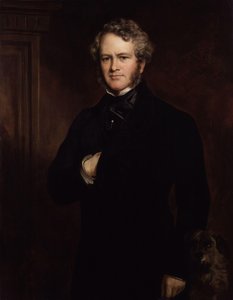
Sir Edwin Henry Landseer
1802 - 1873 , Reino Unido
Breves datos
- Estilo Artístico: Realismo victoriano
- Fecha De Nacimiento: 7 de marzo de 1802
- Lugar De Nacimiento: Londres, Reino Unido
- Nacionalidad: Británico
- Nombre Completo: Sir Edwin Henry Landseer
- Obras Notables:
- Monarch of the Glen
- Off to the Rescue
- Laying Down the Law

