 Ver en contexto
 Enviar
 Compartir
 Detalles

 Descargar
 Similares
 Radiografía
 Presentación de diapositivas
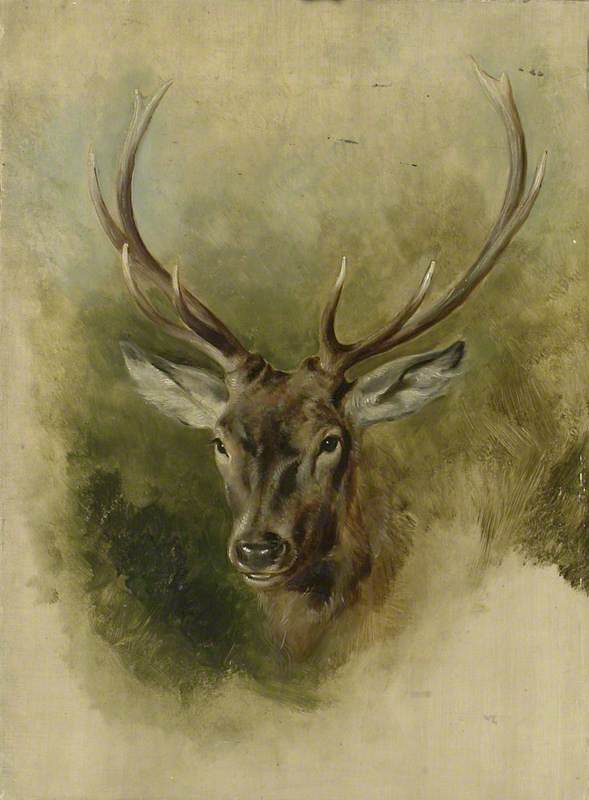
Two Studies of a Stag's Head (recto)


 Ver más
Reproducción al óleo hecha a mano
Óleo sobre lienzo pintado a mano en el tamaño y marco de su elección, realizado por encargo por nuestros artistas. ( Comprar impresión Comprar imagen)




P118B $10

P118H $10

P118W $10

P438Z $10

P508JH $12

P508YH $12

P805H $10

P805Z $10

P919BZ $10

P919G $10

P919XJ $10

P959ZH $10

P968JZ $12

W106C $8

W218G $10

W218JH $8

W218Y $10

W307PJ $10

W316G $10

W316PJ $8

W316Y $10

W398PJ $8

W4111J $10

W500HY $15

W500JH $15

W692G $12

W849H $8

W940BG $15

W953PJ $8




Elija entre nuestros tamaños predefinidos que respetan las proporciones originales de la obra.

Puede ingresar sus propias dimensiones para adaptarse a un marco o espacio específico. Si el tamaño seleccionado no coincide con las proporciones de la imagen original, recortaremos la obra o extenderemos la pintura con elementos adicionales pintados a mano. Se le enviará una maqueta digital para su aprobación antes de comenzar la producción.
Tenga en cuenta que la vista previa en pantalla no refleja el recorte o la extensión reales. Solo la maqueta mostrará con precisión la composición final.
Si bien existen tamaños personalizados, recomendamos seleccionar una dimensión de la lista predefinida para preservar las proporciones originales.
Tras realizar el pedido, el equipo de ArtsDot.com enviará un correo electrónico al cliente para solicitar instrucciones y proporcionarle una vista previa del boceto.
Envío a todo el mundo () en 3-4 semanas en lugar de las 5 semanas estándar. (25 agosto). Sin comprometer la calidad.

Envío exprés gratuito a todo el mundo

Lienzo de lino de alta calidad

Seguro de envío total

Garantía de reembolso de impuestos aduaneros

Garantía de fidelidad cromática exacta

Política de devolución de 60 días (solo por defectos)

Garantía de devolución del 100% del dinero

Descuento por cantidad
 La opción de vidrio solo está disponible en tamaños inferiores a 110 cm.

Two Studies of a Stag's Head (recto)
Técnica de reproducción
Dimensiones de la reproducción
-


Precio total final
$ 263
Descripción de la obra
A Portrait of Majesty and Melancholy
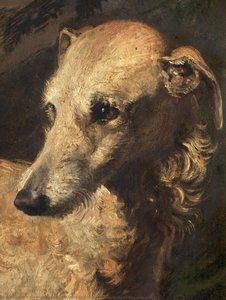
Sir Edwin Henry Landseer's “Two Studies of a Stag’s Head” isn’t merely a depiction of an animal; it’s a profound meditation on the relationship between man, nature, and the very essence of Victorian sensibility. Completed around 1870-73, this remarkable pair of canvases captures a stag in exquisite detail, yet transcends simple representation to become a poignant exploration of power, vulnerability, and the quiet dignity of the wild. The painting’s immediate impact is one of intense observation – Landseer has imbued the stag with an almost unnerving awareness, as if it were contemplating its own existence.
The composition itself is deceptively simple. Two studies, rendered in a restrained palette of browns, ochres, and subtle greys, present the stag head from slightly different angles. The meticulous rendering of fur, muscle, and bone speaks to Landseer’s unparalleled anatomical understanding, honed through his controversial practice of dissecting animals to truly grasp their form. This dedication to realism wasn't simply a technical exercise; it was driven by a desire to capture not just the outward appearance but also the inner life of the creature.
The Victorian Soul Reflected
To understand “Two Studies of a Stag’s Head,” one must consider the cultural context in which it was created. The mid-19th century was a period of immense social and intellectual change in Britain, marked by rapid industrialization, burgeoning scientific inquiry, and a growing fascination with the natural world. Landseer, deeply attuned to these currents, used his art to explore the anxieties and aspirations of the Victorian era. The stag, often associated with nobility, strength, and untamed wilderness, became a potent symbol for this generation – representing both the grandeur of nature and the potential for its destruction.
The painting’s somber mood reflects the prevailing sense of melancholy that characterized much of Victorian art. Landseer himself struggled with bouts of depression throughout his life, and this emotional depth is palpable in the stag's gaze – a look that seems to hold both fierce independence and a quiet sadness. It’s as if Landseer has captured not just an animal, but also the unspoken burdens of existence.
Technique and Legacy
- Medium: Oil on Canvas
- Size: 65 x 47 cm (approximately 25.6 x 18.5 inches)
- Style: Academic Realism – characterized by meticulous detail, accurate representation, and a focus on classical artistic principles.
- Landseer’s Innovation: His anatomical studies, a radical practice at the time, allowed him to achieve an unprecedented level of realism in his animal portraits.
“Two Studies of a Stag’s Head” remains one of Landseer's most celebrated works, admired for its technical brilliance and emotional resonance. It is housed in the Ashmolean Museum in Oxford, where it continues to captivate viewers with its haunting beauty and profound psychological depth. Reproductions of this iconic painting are highly sought after by collectors and interior designers alike, offering a glimpse into the heart of Victorian England and the enduring power of art to capture the spirit of our shared human experience.
Obras relacionadas
Biografía del artista
Primeros años y formación
Sir Edwin Henry Landseer, un destacado pintor y escultor inglés, nació el 7 de marzo de 1802 en Londres, Reino Unido. Como hijo del grabador John Landseer A.R.A., estuvo expuesto al mundo del arte desde una edad temprana. El talento prodigioso de Landseer fue reconocido, lo que le llevó a estudiar con varios artistas, incluyendo a su padre y al pintor de historia Benjamin Robert Haydon.Carrera artística
La carrera artística de Landseer se caracterizó por su excepcional habilidad para capturar animales, particularmente caballos, perros y ciervos. Sin embargo, sus obras más famosas son las esculturas de leones en la Plaza del Trafalagar, Londres. Sir Edwin Henry Landseer fue miembro de la Royal Academy, exhibiendo obras a los 13 años y luego convirtiéndose en asociado a los 24 y académico a los 31.Obras notables y colaboraciones
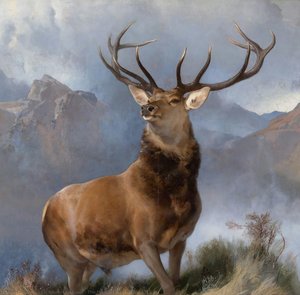
Algunas de las obras notables de Landseer incluyen:- Monarca del Glen (1851), un majestuoso estudio de ciervo, que muestra su habilidad para capturar la belleza de la naturaleza.
- En camino al rescate (1827), una pintura con un perro Terranova, destacando su capacidad para retratar animales nobles.
- Imponiendo la ley (1840), una pieza satírica con un grupo de perros, demostrando su sentido del humor y creatividad.
Museos que exhiben las obras de Landseer
Las obras de Landseer se pueden encontrar en varios museos, incluyendo:- Tate Britain, Londres, Reino Unido
- Victoria and Albert Museum, Londres, Reino Unido
- Kenwood House, Londres, Reino Unido
- The Wallace Collection, Londres, Reino Unido
Legado
El legado de Sir Edwin Henry Landseer se extiende más allá de su arte, con la variedad "Landseer" de perro Terranova siendo nombrada en su honor. Sus colaboraciones con el pintor Frederick Richard Lee y sus retratos de la reina Victoria y su familia solidifican aún más su impacto en el arte británico.Recursos en línea
Para obtener más información sobre la vida y las obras de Sir Edwin Henry Landseer, visite:- ArtsDot.com: sir edwin henry landseer
- wikipedia: sir edwin landseer
Conclusión
El talento notable y las contribuciones de Sir Edwin Henry Landseer al arte británico han dejado un impacto duradero. Sus obras, con temas de animales y satíricos, continúan inspirando a artistas y entusiastas del arte por igual.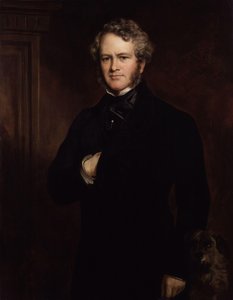
Sir Edwin Henry Landseer
1802 - 1873 , Reino Unido
Datos clave
- Estilo Artístico: Realismo victoriano
- Fecha De Nacimiento: 7 de marzo de 1802
- Lugar De Nacimiento: Londres, Reino Unido
- Nacionalidad: Británico
- Nombre Completo: Sir Edwin Henry Landseer
- Obras Notables:
- Monarch of the Glen
- Off to the Rescue
- Laying Down the Law
Artículos relacionados
Animalia: Explorando la Presencia Duradera de los Animales en el Arte y el Diseño de Interiores
Descubre la fascinante historia de los animales en el arte y cómo inspirar tu hogar con su simbolismo. Expertos en reproducciones y asesoramiento artístico.
Sir Edwin Landseer: Sentiment, Society & the Victorian Animalier Tradition
Explore the life & art of Sir Edwin Landseer, Victorian Britain's foremost animal painter. Discover his iconic works, societal impact, and collecting guide at ArtsDot.
Beastly Brushstrokes: A Historical Journey Through Animal Painting & Aesthetic Movements
Explore the rich history of animal painting across cultures & movements. Discover iconic artists, symbolism, collecting trends & expert art consultation at ArtsDot.com.

Level Up Your Art: Transform Personal Photos into High-Octane Action Anime Masterpieces with AI-Driven Oil Painting
Transform your favorite photos into high-octane action anime masterpieces. Using proprietary AI and master artists, we turn digital memories into hand-painted oil on canvas legacies. Experience the perfect fusion of pop culture energy and timeless fine artistry at ArtsDot.com.
Heywood Hardy: Navigating Victorian Sentiment Through Marine Painting & Wildlife Illustration
Explore the captivating world of Heywood Hardy (1842-1933), a master of Victorian animal & equestrian painting. Discover his realistic landscapes, hunting scenes, and enduring legacy with ArtsDot.