 Ver en contexto
 Enviar
 Compartir
 Detalles

 Descargar
 Similares
 Radiografía
 Presentación de diapositivas
 Estadísticas
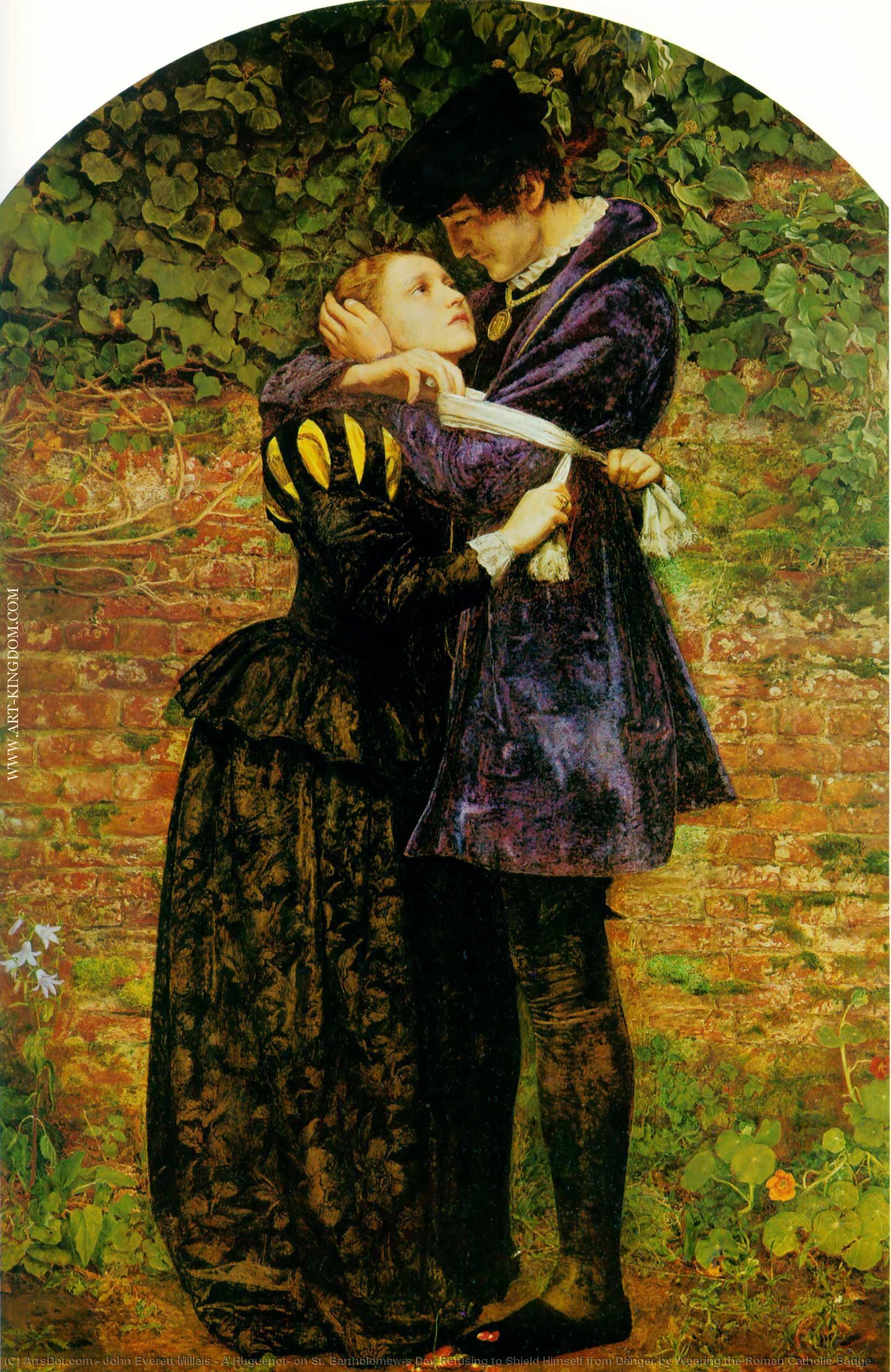
A Huguenot, on St. Bartholomew's Day Refusing to Shield Himself from Danger by Wearing the Roman Catholic Badge


 Ver más
Reproducción al óleo hecha a mano
Óleo sobre lienzo pintado a mano en el tamaño y marco de su elección, realizado por encargo por nuestros artistas. ( Cambiar a Impresión Cambiar a imagen digital)




P118B $10

P118H $10

P118W $10

P438Z $10

P508JH $12

P508YH $12

P805H $10

P805Z $10

P919BZ $10

P919G $10

P919XJ $10

P959ZH $10

P968JZ $12

W106C $8

W218G $10

W218JH $8

W218Y $10

W307PJ $10

W316G $10

W316PJ $8

W316Y $10

W398PJ $8

W4111J $10

W500HY $15

W500JH $15

W692G $12

W849H $8

W940BG $15

W953PJ $8




Elija entre nuestros tamaños predefinidos que respetan las proporciones originales de la obra.

Puede ingresar sus propias dimensiones para adaptarse a un marco o espacio específico. Si el tamaño seleccionado no coincide con las proporciones de la imagen original, recortaremos la obra o extenderemos la pintura con elementos adicionales pintados a mano. Se le enviará una maqueta digital para su aprobación antes de comenzar la producción.
Tenga en cuenta que la vista previa en pantalla no refleja el recorte o la extensión reales. Solo la maqueta mostrará con precisión la composición final.
Si bien existen tamaños personalizados, recomendamos seleccionar una dimensión de la lista predefinida para preservar las proporciones originales.
Tras realizar el pedido, el equipo de ArtsDot.com enviará un correo electrónico al cliente para solicitar instrucciones y proporcionarle una vista previa del boceto.
Envío a todo el mundo () en 3-4 semanas en lugar de las 5 semanas estándar. (12 septiembre). Sin comprometer la calidad.

Envío exprés gratuito a todo el mundo

Lienzo de lino de alta calidad

Seguro de envío total

Garantía de reembolso de impuestos aduaneros

Garantía de fidelidad cromática exacta

Política de devolución de 100 días (solo por defectos)

Garantía de devolución del 100% del dinero

Descuento por cantidad
 La opción de vidrio solo está disponible en tamaños inferiores a 110 cm.

A Huguenot, on St. Bartholomew's Day Refusing to Shield Himself from Danger by Wearing the Roman Catholic Badge
Técnica de reproducción
Dimensiones de la reproducción
-


Precio total final
$ 263
A Moment Frozen in Devotion and Peril
In the hauntingly beautiful masterpiece A Huguenot, on St. Bartholomew's Day Refusing to Shield Himself from Danger by Wearing the Roman Catholic Badge, Sir John Everett Millais captures a scene of profound spiritual conviction and tragic romanticism. The painting presents an intimate, heart-wrenching embrace between two lovers caught in the violent crosswinds of religious upheaval. As they hold one another, there is a palpable sense of a final goodbye; the man, a Protestant Huguenot, stands resolute in his faith, refusing to adopt the outward symbols of the opposing Catholic faction, even at the cost of his life. The composition draws the viewer into their private sanctuary, where the warmth of their physical connection contrasts sharply with the looming shadow of historical violence.
Millais, a prodigy of the Pre-Raphaelite Brotherhood, employs a level of meticulous detail that breathes life into every texture and shadow. The rich, deep purples of the man's attire are rendered with such precision that one can almost feel the weight of the fabric, while the delicate features of the woman’s face reflect a poignant blend of sorrow and steadfastness. This dedication to "truth to nature" allows the background elements—the weathered brickwork and the subtle presence of flora—to serve not merely as scenery, but as silent witnesses to this historical tragedy. The lighting is masterfully handled, casting soft glows that highlight the emotional intimacy of their joined hands, creating a focal point that anchors the viewer's empathy.
Symbolism and the Weight of History
Beyond its surface beauty, the artwork serves as a powerful allegory for integrity and the cost of conscience. The refusal to wear the Roman Catholic badge is not merely a political statement but a profound act of spiritual martyrdom. Every element within the frame contributes to this narrative of doomed devotion. The presence of the clock in the background acts as a memento mori, a subtle reminder that time is running out for these lovers and that the peace they currently share is fleeting. For collectors and enthusiasts of historical drama, the painting offers a window into the 16th-century French Wars of Religion, translated through the lens of Victorian emotional intensity.
For those looking to integrate such a profound piece into a curated interior, this work provides an unparalleled focal point. Its deep, emotive color palette and dramatic subject matter make it an ideal centerpiece for a study, a library, or a formal living space where conversation and contemplation are encouraged. A high-quality reproduction of this Millais classic allows the grandeur of the Pre-Raphaelite movement to grace modern walls, offering a sense of timelessness and intellectual depth. It is more than a decoration; it is an invitation to reflect on the enduring strength of the human spirit in the face of insurmountable adversity.
Obras relacionadas
Biografía del artista
Primeros años y educación
Sir John Everett Millais, un renombrado pintor e ilustrador inglés, nació el 8 de junio de 1829 en Southampton, Inglaterra. Como niño prodigio, se convirtió en el estudiante más joven en ingresar a las escuelas de la Royal Academy a los once años.Fundación de la Hermandad Prerrafaelita
En septiembre de 1848, Sir John Everett Millais, junto con William Holman Hunt y Dante Gabriel Rossetti, fundó la Hermandad Prerrafaelita en su casa familiar en Gower Street, Londres. Este movimiento buscaba revivir el estilo del primer Renacimiento italiano.Obras destacadas
Algunas de las obras más notables de Sir John Everett Millais incluyen:- Cristo en la casa de sus padres (1849-1850), una obra altamente controvertida que mostraba su retrato realista de una familia santa de clase trabajadora.
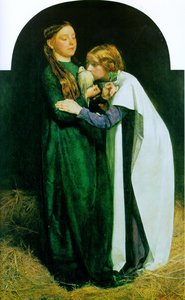
- Un hugonote (1851-1852), que representaba a una joven pareja a punto de ser separada debido a conflictos religiosos.
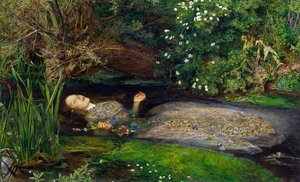
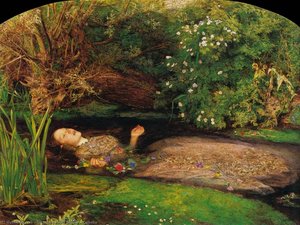
- Ofelia (1851-1852), una pintura que mostraba sus densas y elaboradas superficies pictóricas, a menudo concentrándose en la belleza y complejidad del mundo natural.
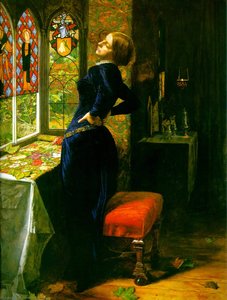
- Mariana (1850-1851), basada en la obra de teatro "Medida por medida" de William Shakespeare y el poema del mismo nombre de Alfred, Lord Tennyson.
Evolución artística e influencias
Las obras posteriores de Sir John Everett Millais fueron influenciadas por su esposa, Effie, que anteriormente había estado casada con el crítico John Ruskin. Su estilo evolucionó hacia una forma más amplia de realismo, que inicialmente fue condenado por Ruskin pero posteriormente reconocido como una contribución significativa al mundo del arte. Millais se destacó por su meticuloso estudio de la naturaleza y su habilidad para representar detalles con gran precisión. Su enfoque en los detalles botánicos en obras como "Ofelia" es un testimonio de su dedicación a la observación directa.Legado e importancia histórica
Sir John Everett Millais' legado se extiende más allá de su arte. Fue un pionero en el movimiento prerrafaelita y una figura significativa en el desarrollo del arte británico. Su influencia se puede ver en generaciones posteriores de artistas que buscaron combinar realismo con simbolismo y una profunda conexión con la naturaleza. Sus obras son apreciadas por su belleza, detalle y exploración de temas morales y sociales.- Aprenda más sobre Sir John Everett Millais en ArtsDot.com.
- Explore la Hermandad Prerrafaelita y su influencia en el arte británico en Wikipedia.
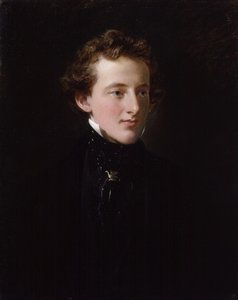
Sir John Everett Millais
1829 - 1896 , Reino Unido
Datos clave
- Artistas Que Influyeron:
- William Holman Hunt
- Dante Gabriel Rossetti
- Fecha De Nacimiento: 8 de junio de 1829
- Influencia En Artistas: Movimiento Estético, Simbolista
- Lugar De Nacimiento: Southampton, Reino Unido
- Movimiento Artístico: Pre-Rafaelita
- Nacionalidad: Británico
- Nombre Completo: Sir John Everett Millais
- Obras Notables:
- Cristo en casa de sus padres
- Un hugonote
- Ofelia
- Mariana
Artículos relacionados
Dante Gabriel Rossetti: Las 25 Obras Maestras del Prerrafaelismo | ArtsDot
Descubre las 25 obras maestras de Dante Gabriel Rossetti, el máximo exponente del Prerrafaelismo. Explora su simbolismo, retratos victorianos y la belleza femenina en lienzos inolvidables. Reproducciones de arte exclusivas en ArtsDot.com.
La Hermandad Prerrafaelita: Rebelión Estética y Romance Medieval en el Arte Victoriano
Descubre la fascinante historia de la Hermandad Prerrafaelita y su rebelión estética contra el arte victoriano. Análisis profundo de sus obras, temas y legado con expertos en arte.

Sir Joshua Reynolds: Las 25 Obras Maestras del Retrato Inglés | ArtsDot
Descubre las 25 obras maestras de Sir Joshua Reynolds, el pintor inglés que elevó el retrato a la categoría de arte. Explora su técnica clásica, estilo rococó y significado histórico en ArtsDot.com. ¡Encuentra reproducciones de alta calidad para tu hogar!
Sir John Everett Millais: Pre-Raphaelite Rebellion & Victorian Narrative Detail
Explore the revolutionary art of Sir John Everett Millais & the Pre-Raphaelite Brotherhood. Discover their radical realism, symbolic narratives, and lasting impact on Victorian aesthetics. A deep dive into 19th-century masterpieces.
John Singer Sargent: Las 25 Obras Maestras del Retrato y la Belle Époque | ArtsDot
Descubre las 25 obras maestras de John Singer Sargent, el maestro del retrato y la Belle Époque. Explora su técnica impresionista, historias fascinantes y encuentra reproducciones de arte exclusivas para decorar tu hogar con elegancia en ArtsDot.com.