


 Ver en contexto
 Enviar
 Compartir
 Detalles

 Descargar
 Similares
 Radiografía
 Presentación de diapositivas
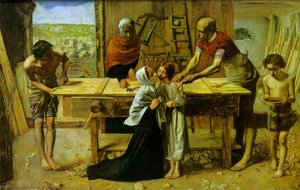
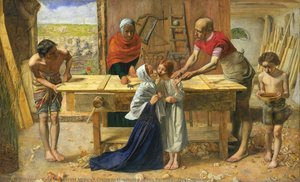
Christ in the House of His Parents


 Ver más
Adquiera una imagen digital de alta resolución y optimizada, muy superior a la vista previa en línea.
Cada archivo es preparado meticulosamente por nuestros especialistas internos mediante el uso de herramientas avanzadas y un experto retoque manual. Nos aseguramos de que cada imagen posea una claridad excepcional, una precisión cromática impecable y un detalle minucioso.
El archivo final se entrega por correo electrónico en un plazo de 72 horas, optimizado para su uso inmediato en entornos profesionales, editoriales y de impresión. Esta es la misma calidad en la que confían los estudios de diseño, las editoriales y las galerías de primer nivel.
Imagen Digital
Descarga un archivo de alta resolución para exhibición personal, impresión y proyectos creativos. ( Comprar impresión Comprar pintura hecha a mano)
Incluido en cada pedido de imágenes digitales
Entrega digital experta, garantizada.
Al elegir ArtsDot.com, no solo está adquiriendo una imagen; está recibiendo una obra de arte digital mejorada profesionalmente, elaborada con precisión y respaldada por una garantía de satisfacción. Esto es todo lo que incluye su pedido, automáticamente:

Entrega rápida por email
Recibirá su archivo de imagen digital en alta resolución por correo electrónico en un plazo de 72 horas tras realizar su pedido, listo para su uso inmediato.

Archivo digital optimizado por IA
Su obra de arte se optimiza profesionalmente mediante herramientas avanzadas de IA y edición manual, garantizando el máximo detalle, claridad y precisión cromática.

Reenvío gratuito de por vida
¿Has borrado o perdido tu archivo por error? No te preocupes: te lo volveremos a enviar en cualquier momento, sin coste adicional.

Sin gastos de importación, siempre
Disfrute de su obra de arte al instante sin aduanas, aranceles ni gastos de envío; las descargas digitales siempre están libres de impuestos.

Garantía de fidelidad de color
Garantizamos que su imagen digital refleje los colores originales con la mayor fidelidad posible, mediante el uso de herramientas profesionales y gestión del color.

Garantía de satisfacción de 60 días
Si no está satisfecho con su imagen digital, la revisaremos o le reembolsaremos el 100% en un plazo de 60 días, sin preguntas.

100% Garantía de devolución de dinero
¿No está satisfecho? Obtenga un reembolso completo dentro de los 60 días posteriores a la recepción de su archivo digital, sin necesidad de explicaciones.

Descuentos por pedidos grandes
Compra 3 imágenes, ahorra 10% - Compra 5, ahorra 15% - Compra 10+, ahorra 20%. Ideal para proyectos creativos, galerías y agencias.
Descripción del coleccionable
Sir John Everett Millais's 'Christ in the House of His Parents': A Window into Victorian Faith
Sir John Everett Millais’s “Christ in the House of His Parents,” often referred to as "The Carpenter’s Shop," stands as a monumental achievement within the Pre-Raphaelite Brotherhood and a cornerstone of 19th-century British art. Painted between 1849 and 1850, this oil on canvas transcends mere religious depiction; it's an immersive tableau of domestic life imbued with profound symbolism and executed with a meticulous realism that captivated – and occasionally scandalized – Victorian society. Measuring 86.4 cm × 139.7 cm, the painting’s scale invites viewers into the heart of Joseph’s workshop, allowing for an intimate contemplation of faith, sacrifice, and the everyday miracle of Christ's birth.
A Pre-Raphaelite Vision: Reclaiming Medieval Truth
Millais was a founding member of the Pre-Raphaelite Brotherhood, a group dedicated to rejecting the idealized forms and artificiality of Renaissance art – particularly that of Raphael – in favor of a return to the perceived sincerity and detail of medieval and early Renaissance works. This movement prioritized truth to nature, demanding an almost photographic accuracy in their depictions. “Christ in the House of His Parents” exemplifies this commitment; every nail, splinter of wood, and strand of hair is rendered with painstaking precision, creating a scene that feels utterly authentic and immediate. The artist’s dedication to detail wasn't simply stylistic; it was a deliberate act of rebellion against the prevailing artistic conventions of the time.
- Technique: Millais employed a layering technique, building up color through countless thin glazes – a hallmark of Pre-Raphaelite painting. This created an unparalleled luminosity and depth, particularly evident in the play of light on the wood and fabrics.
- Composition: The crowded composition, filled with twelve figures engaged in various activities, reflects the Pre-Raphaelites’ fascination with depicting complex scenes with a sense of naturalism.
- Color Palette: The rich, earthy tones – browns, reds, and greens – contribute to the painting's solemn atmosphere and evoke the feeling of a warm, dimly lit workshop.
Symbolic Layers Within a Simple Scene
Beyond its immediate depiction of the Holy Family, “Christ in the House of His Parents” is laden with symbolic meaning. The central image of Christ, as a young boy, cutting himself while working alongside his father immediately foreshadows his future suffering and sacrifice. The blood flowing from the wound isn’t merely a depiction of injury; it represents the shedding of Christ's blood for humanity’s salvation. The tools of Joseph’s trade – the saw, hammer, and plane – are interpreted as representing the Holy Trinity, while the ladder leaning against the wall alludes to Jacob’s Ladder, a biblical symbol of ascent towards God. The inclusion of Saint Anne, Jesus’s grandmother, further reinforces the theme of familial devotion and lineage.
Controversy and Enduring Legacy
The painting's initial reception was far from universally positive. Writer Charles Dickens famously criticized Millais for his unflinching realism, finding the scene too vulgar and unsettling. John Ruskin initially offered support, recognizing the work’s technical brilliance. However, scandal followed when Millais married Euphemia Gray, who had previously been married to Ruskin – a connection that fueled gossip and damaged Millais's reputation. Despite this controversy, “Christ in the House of His Parents” has secured its place as one of Millais’s most important works and a defining image of the Pre-Raphaelite movement. Its meticulous detail, profound symbolism, and emotional resonance continue to captivate viewers today.
NoneObras relacionadas
Biografía del artista
Primeros años y educación
Sir John Everett Millais, un renombrado pintor e ilustrador inglés, nació el 8 de junio de 1829 en Southampton, Inglaterra. Como niño prodigio, se convirtió en el estudiante más joven en ingresar a las escuelas de la Royal Academy a los once años.Fundación de la Hermandad Prerrafaelita
En septiembre de 1848, Sir John Everett Millais, junto con William Holman Hunt y Dante Gabriel Rossetti, fundó la Hermandad Prerrafaelita en su casa familiar en Gower Street, Londres. Este movimiento buscaba revivir el estilo del primer Renacimiento italiano.Obras destacadas
Algunas de las obras más notables de Sir John Everett Millais incluyen:- Cristo en la casa de sus padres (1849-1850), una obra altamente controvertida que mostraba su retrato realista de una familia santa de clase trabajadora.
- Un hugonote (1851-1852), que representaba a una joven pareja a punto de ser separada debido a conflictos religiosos.
- Ofelia (1851-1852), una pintura que mostraba sus densas y elaboradas superficies pictóricas, a menudo concentrándose en la belleza y complejidad del mundo natural.
- Mariana (1850-1851), basada en la obra de teatro "Medida por medida" de William Shakespeare y el poema del mismo nombre de Alfred, Lord Tennyson.
Evolución artística e influencias
Las obras posteriores de Sir John Everett Millais fueron influenciadas por su esposa, Effie, que anteriormente había estado casada con el crítico John Ruskin. Su estilo evolucionó hacia una forma más amplia de realismo, que inicialmente fue condenado por Ruskin pero posteriormente reconocido como una contribución significativa al mundo del arte. Millais se destacó por su meticuloso estudio de la naturaleza y su habilidad para representar detalles con gran precisión. Su enfoque en los detalles botánicos en obras como "Ofelia" es un testimonio de su dedicación a la observación directa.Legado e importancia histórica
Sir John Everett Millais' legado se extiende más allá de su arte. Fue un pionero en el movimiento prerrafaelita y una figura significativa en el desarrollo del arte británico. Su influencia se puede ver en generaciones posteriores de artistas que buscaron combinar realismo con simbolismo y una profunda conexión con la naturaleza. Sus obras son apreciadas por su belleza, detalle y exploración de temas morales y sociales.- Aprenda más sobre Sir John Everett Millais en ArtsDot.com.
- Explore la Hermandad Prerrafaelita y su influencia en el arte británico en Wikipedia.

Sir John Everett Millais
1829 - 1896 , Reino Unido
Breves datos
- Artistas Que Influyeron:
- William Holman Hunt
- Dante Gabriel Rossetti
- Fecha De Nacimiento: 8 de junio de 1829
- Influencia En Artistas: Movimiento Estético, Simbolista
- Lugar De Nacimiento: Southampton, Reino Unido
- Movimiento Artístico: Pre-Rafaelita
- Nacionalidad: Británico
- Nombre Completo: Sir John Everett Millais
- Obras Notables:
- Cristo en casa de sus padres
- Un hugonote
- Ofelia
- Mariana

