 Ver en contexto
 Enviar
 Compartir
 Detalles

 Descargar
 Similares
 Radiografía
 Presentación de diapositivas
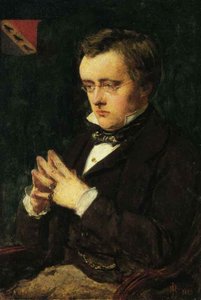
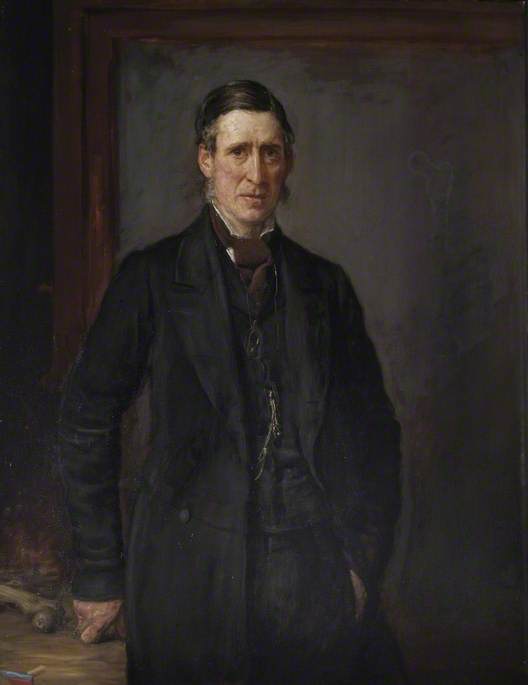
Sir James Paget (1814–1899), Bt, Lecturer and Surgeon at St Bartholomew's Hospital
 Acrylic
- WallArt
- Pre-Raphaelite Brotherhood
 1872
1872 126.0 x 100.0 cm
 Hospital y Archivo del Hospital de San Bartolomé
 Ver más
Giclée / Impresión de arte
Impresiones giclée o en lienzo de calidad de museo con producción rápida y opciones de acabado flexibles. ( Comprar pintura hecha a mano Comprar imagen)




P118B $10

P118H $10

P118W $10

P438Z $10

P508JH $12

P508YH $12

P805H $10

P805Z $10

P919BZ $10

P919G $10

P919XJ $10

P959ZH $10

P968JZ $12

W106C $8

W218G $10

W218JH $8

W218Y $10

W307PJ $10

W316G $10

W316PJ $8

W316Y $10

W398PJ $8

W4111J $10

W500HY $15

W500JH $15

W692G $12

W849H $8

W940BG $15

W953PJ $8




Elija entre nuestros tamaños predefinidos que respetan las proporciones originales de la obra.

Puede introducir sus propias dimensiones para adaptarse a un marco o espacio específico. Si el tamaño seleccionado no coincide con las proporciones de la imagen original, recortaremos la obra de arte o extenderemos la imagen con un borde con efecto espejo o de color sólido. Se enviará una maqueta digital para su aprobación antes de que comience la producción.
Tenga en cuenta que la vista previa en pantalla no refleja el recorte o la extensión real. Solo la maqueta mostrará con precisión la composición final.
Aunque existen tamaños personalizados, recomendamos seleccionar una dimensión de la lista predefinida para preservar las proporciones originales.
Envío a todo el mundo () en 2 semanas en lugar de las 4/5 semanas estándar. (27 agosto)

Envío exprés gratuito a todo el mundo

Lienzo de lino de alta calidad

Seguro de envío total

Garantía de reembolso de impuestos aduaneros

Garantía de fidelidad cromática exacta

Política de devolución de 60 días (solo por defectos)

Garantía de devolución del 100% del dinero

Descuento por cantidad
 La opción de vidrio solo está disponible en tamaños inferiores a 110 cm.

Sir James Paget (1814–1899), Bt, Lecturer and Surgeon at St Bartholomew's Hospital
Giclée / Impresión de arte
Dimensiones de la reproducción
-


Precio total final
$ 62
Descripción de la pieza
A Portrait Steeped in Victorian Dignity: Sir James Paget by John Everett Millais
The painting “Sir James Paget,” executed by Sir John Everett Millais in 1872, stands as a testament to the Pre-Raphaelite Brotherhood’s unwavering commitment to artistic integrity and meticulous realism. More than just a likeness of a prominent surgeon, it embodies the spirit of Victorian intellectual curiosity and moral seriousness—qualities deeply valued during Millais's era. The portrait captures Paget in a moment of contemplative gaze, conveying an air of quiet authority and scholarly concentration.Subject Matter and Composition
The subject is Sir James Paget (1814–1899), a respected lecturer and surgeon at St Bartholomew’s Hospital. Millais skillfully portrays Paget seated formally, dressed in a dark suit—a sartorial choice reflecting the conventions of Victorian gentlemanly attire. Details like the meticulously rendered waistcoat and pocket watch underscore the artist's dedication to capturing accurate representations of everyday life. The composition prioritizes focus on Paget himself, utilizing a blurred background that directs the viewer’s eye directly to his face and expression. This technique—characteristic of Millais’s style—was deliberately employed to elevate Paget’s portrait beyond mere visual depiction; it aimed to convey an inner psychological state.Style and Technique: The Pre-Raphaelite Ideal
Millais's artistic approach aligns perfectly with the core tenets of the Pre-Raphaelites, who rejected the idealized conventions prevalent in academic art following Raphael. Instead, they championed a return to the sincerity and directness of early Renaissance painting—a stylistic impulse that profoundly influenced Millais’s oeuvre. The artist employed oil paints on canvas with painstaking precision, achieving remarkable tonal gradations and textural nuances. His brushwork is deliberate and controlled, meticulously blending colors to create an illusion of depth and luminosity. This technique wasn't simply about reproducing what was seen; it was about conveying emotion through visual means—a hallmark of Pre-Raphaelite art.Historical Context: Victorian Morality and Scientific Advancement
Painted during the Victorian period (1837–1901), “Sir James Paget” reflects the broader cultural landscape of its time – a society grappling with rapid industrialization alongside an enduring fascination for moral philosophy and scientific progress. The Pre-Raphaelites actively engaged in intellectual debates concerning aesthetics, ethics, and social reform. Millais’s portrayal of Paget speaks to this spirit of inquiry, representing not only a celebrated medical practitioner but also someone embodying Victorian ideals of intellectuality and responsibility.Symbolism and Emotional Impact
Beyond its technical brilliance, the portrait carries subtle symbolic weight. The stern gaze of Paget conveys confidence and seriousness—qualities associated with leadership and intellectual pursuits. The inclusion of the pocket watch serves as a reminder of time’s passage and the importance of diligence in scholarly endeavors. Overall, “Sir James Paget” evokes a feeling of dignified contemplation, inviting viewers to consider the complexities of Victorian society and the enduring legacy of artistic innovation. It remains an evocative image—a beautifully rendered depiction of a man who embodied both scientific rigor and moral virtue.Obras relacionadas
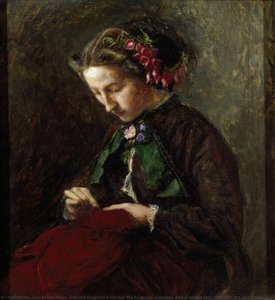
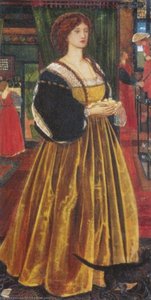
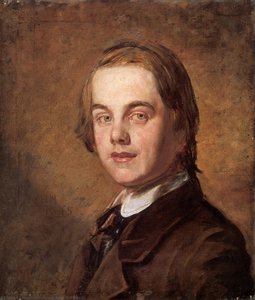
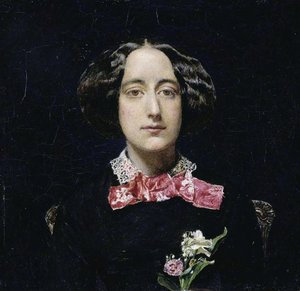
Biografía del artista
Primeros años y educación
Sir John Everett Millais, un renombrado pintor e ilustrador inglés, nació el 8 de junio de 1829 en Southampton, Inglaterra. Como niño prodigio, se convirtió en el estudiante más joven en ingresar a las escuelas de la Royal Academy a los once años.Fundación de la Hermandad Prerrafaelita
En septiembre de 1848, Sir John Everett Millais, junto con William Holman Hunt y Dante Gabriel Rossetti, fundó la Hermandad Prerrafaelita en su casa familiar en Gower Street, Londres. Este movimiento buscaba revivir el estilo del primer Renacimiento italiano.Obras destacadas
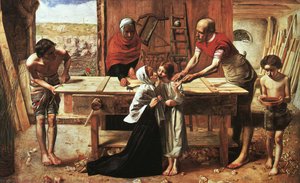
Algunas de las obras más notables de Sir John Everett Millais incluyen:- Cristo en la casa de sus padres (1849-1850), una obra altamente controvertida que mostraba su retrato realista de una familia santa de clase trabajadora.
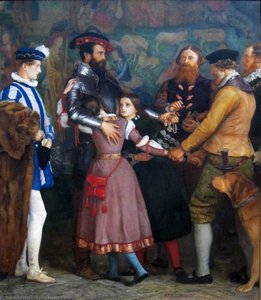
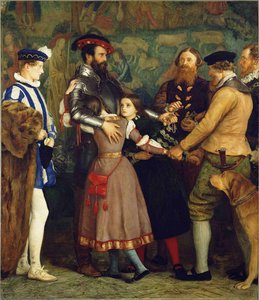
- Un hugonote (1851-1852), que representaba a una joven pareja a punto de ser separada debido a conflictos religiosos.
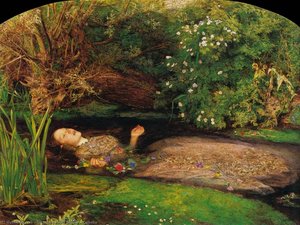
- Ofelia (1851-1852), una pintura que mostraba sus densas y elaboradas superficies pictóricas, a menudo concentrándose en la belleza y complejidad del mundo natural.
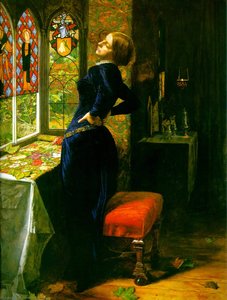
- Mariana (1850-1851), basada en la obra de teatro "Medida por medida" de William Shakespeare y el poema del mismo nombre de Alfred, Lord Tennyson.
Evolución artística e influencias
Las obras posteriores de Sir John Everett Millais fueron influenciadas por su esposa, Effie, que anteriormente había estado casada con el crítico John Ruskin. Su estilo evolucionó hacia una forma más amplia de realismo, que inicialmente fue condenado por Ruskin pero posteriormente reconocido como una contribución significativa al mundo del arte. Millais se destacó por su meticuloso estudio de la naturaleza y su habilidad para representar detalles con gran precisión. Su enfoque en los detalles botánicos en obras como "Ofelia" es un testimonio de su dedicación a la observación directa.Legado e importancia histórica
Sir John Everett Millais' legado se extiende más allá de su arte. Fue un pionero en el movimiento prerrafaelita y una figura significativa en el desarrollo del arte británico. Su influencia se puede ver en generaciones posteriores de artistas que buscaron combinar realismo con simbolismo y una profunda conexión con la naturaleza. Sus obras son apreciadas por su belleza, detalle y exploración de temas morales y sociales.- Aprenda más sobre Sir John Everett Millais en ArtsDot.com.
- Explore la Hermandad Prerrafaelita y su influencia en el arte británico en Wikipedia.
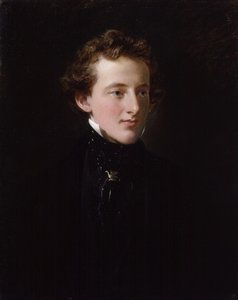
Sir John Everett Millais
1829 - 1896 , Reino Unido
Datos clave
- Artistas Que Influyeron:
- William Holman Hunt
- Dante Gabriel Rossetti
- Fecha De Nacimiento: 8 de junio de 1829
- Influencia En Artistas: Movimiento Estético, Simbolista
- Lugar De Nacimiento: Southampton, Reino Unido
- Movimiento Artístico: Pre-Rafaelita
- Nacionalidad: Británico
- Nombre Completo: Sir John Everett Millais
- Obras Notables:
- Cristo en casa de sus padres
- Un hugonote
- Ofelia
- Mariana
Artículos relacionados
Dante Gabriel Rossetti: Las 25 Obras Maestras del Prerrafaelismo | ArtsDot
Descubre las 25 obras maestras de Dante Gabriel Rossetti, el máximo exponente del Prerrafaelismo. Explora su simbolismo, retratos victorianos y la belleza femenina en lienzos inolvidables. Reproducciones de arte exclusivas en ArtsDot.com.
La Estética Refinada de la Ilustración Victoriana: Narrativa y Técnica en el Arte del Siglo XIX
Descubra la estética refinada de la ilustración victoriana y el impacto revolucionario de los Prerrafaelitas. Análisis profundo de técnicas, narrativa y simbolismo en el arte del siglo XIX.
Sir John Everett Millais: Pre-Raphaelite Rebellion & Victorian Narrative Detail
Explore the revolutionary art of Sir John Everett Millais & the Pre-Raphaelite Brotherhood. Discover their radical realism, symbolic narratives, and lasting impact on Victorian aesthetics. A deep dive into 19th-century masterpieces.

La Hermandad Prerrafaelita: Rebelión Estética y Romance Medieval en el Arte Victoriano
Descubre la fascinante historia de la Hermandad Prerrafaelita y su rebelión estética contra el arte victoriano. Análisis profundo de sus obras, temas y legado con expertos en arte.
Arthur Hughes: Pre-Raphaelite Visions of Beauty & Melancholy
Explore the captivating world of Arthur Hughes (1832-1915), a leading Pre-Raphaelite painter. Discover his dreamy landscapes, poetic narratives & iconic Victorian artworks. Learn about his life, style & collecting today.