 Vista previa
 Compartir
 Compartir
 Ver detalles

 Descargar
 Ver similares
 Radiografía
 Presentación de diapositivas
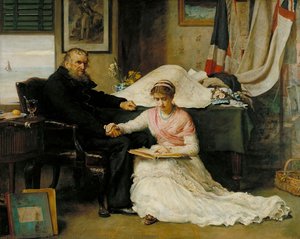
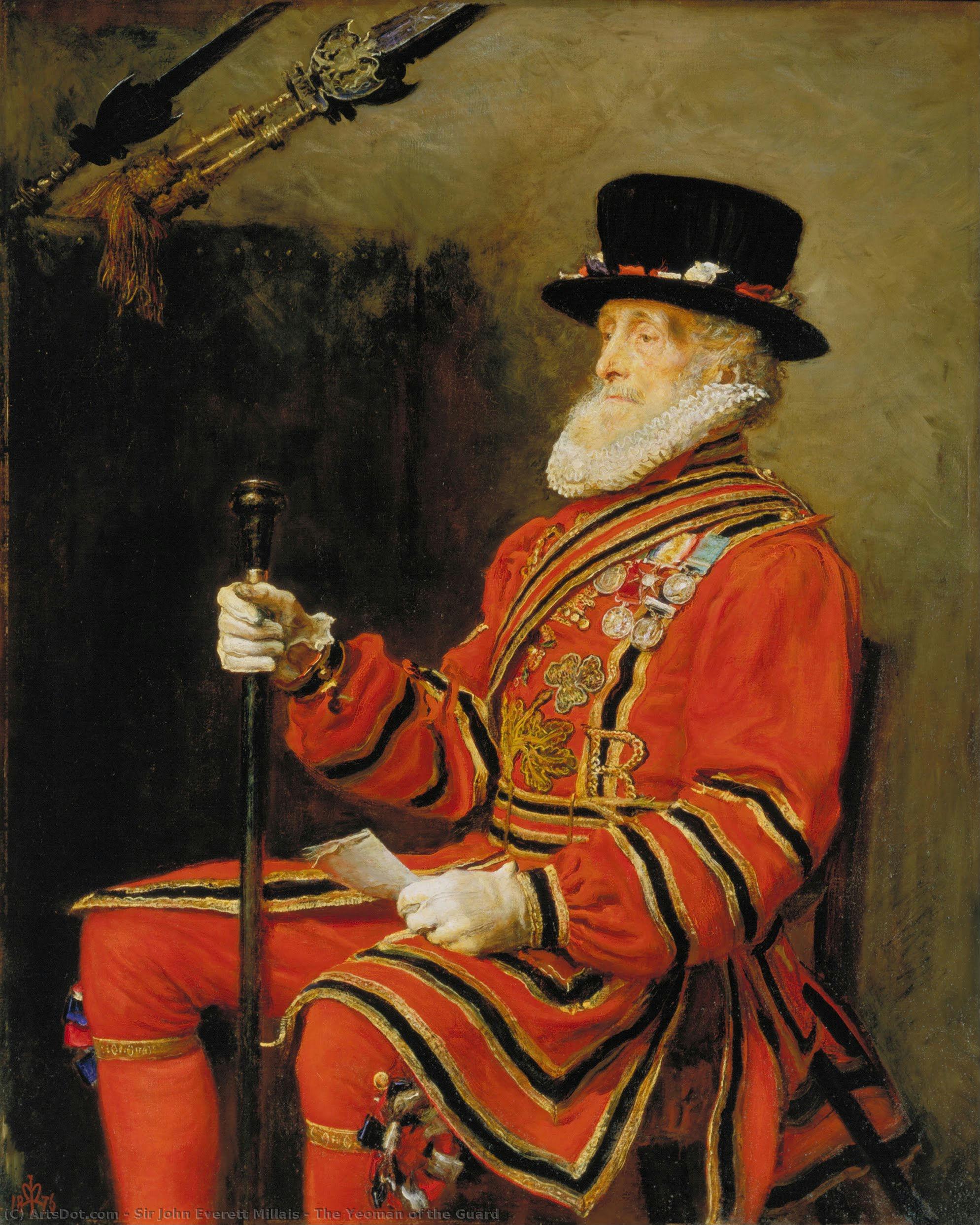
The Yeoman of the Guard
 Óleo sobre lienzo
- Arte de pared
- Pre-Raphaelite Brotherhood
 1876
1876 111.0 x 139.0 cm
 Tate Britain
 Leer más
Reproducción al óleo hecha a mano
Óleo sobre lienzo pintado a mano en el tamaño y marco de su elección, realizado por encargo por nuestros artistas. ( Pedir impresión Comprar descarga)




P118B $10

P118H $10

P118W $10

P438Z $10

P508JH $12

P508YH $12

P805H $10

P805Z $10

P919BZ $10

P919G $10

P919XJ $10

P959ZH $10

P968JZ $12

W106C $8

W218G $10

W218JH $8

W218Y $10

W307PJ $10

W316G $10

W316PJ $8

W316Y $10

W398PJ $8

W4111J $10

W500HY $15

W500JH $15

W692G $12

W849H $8

W940BG $15

W953PJ $8




Elija entre nuestros tamaños predefinidos que respetan las proporciones originales de la obra.

Puede ingresar sus propias dimensiones para adaptarse a un marco o espacio específico. Si el tamaño seleccionado no coincide con las proporciones de la imagen original, recortaremos la obra o extenderemos la pintura con elementos adicionales pintados a mano. Se le enviará una maqueta digital para su aprobación antes de comenzar la producción.
Tenga en cuenta que la vista previa en pantalla no refleja el recorte o la extensión reales. Solo la maqueta mostrará con precisión la composición final.
Si bien existen tamaños personalizados, recomendamos seleccionar una dimensión de la lista predefinida para preservar las proporciones originales.
Tras realizar el pedido, el equipo de ArtsDot.com enviará un correo electrónico al cliente para solicitar instrucciones y proporcionarle una vista previa del boceto.
Envío a todo el mundo () en 3-4 semanas en lugar de las 5 semanas estándar. (21 agosto). Sin comprometer la calidad.

Envío exprés gratuito a todo el mundo

Lienzo de lino de alta calidad

Seguro de envío completo

Garantía de reembolso de aranceles aduaneros

Garantía de fidelidad cromática exacta

Política de devolución de 60 días (solo por defectos)

Garantía de devolución del 100% del dinero

Oferta por volumen
 La opción de vidrio solo está disponible en tamaños inferiores a 110 cm.

The Yeoman of the Guard
Técnica de reproducción
Tamaño de la reproducción
-


Precio total
$ 263
Descripción de la obra
A Glimpse into Victorian Grandeur: Sir John Everett Millais’s ‘The Yeoman of the Guard’
Sir John Everett Millais's 1876 painting, “The Yeoman of the Guard,” is more than just a portrait; it’s a meticulously crafted window into the heart of Victorian England. The canvas captures John Charles Montague, a distinguished figure elevated to the prestigious rank of Yeoman of the Guard – a role steeped in tradition and signifying unwavering loyalty to the British monarchy. Millais doesn't simply depict a man; he constructs an atmosphere of dignified formality, reflecting the importance placed on military service and aristocratic honor during this era.
The painting immediately draws the eye with its rich palette and masterful use of light. The deep crimson of Montague’s coat, accented by gleaming gold trim, commands attention, while the subtle gradations of color in his attire – from the dark browns of his waistcoat to the muted tones of his hat – speak volumes about his status and experience. The background, deliberately understated with two birds—a robin and a lark—adds a touch of natural beauty and perhaps hints at Montague’s connection to the countryside, despite his prominent military career. The composition itself is carefully balanced, drawing the viewer's eye from the figure’s commanding presence to the details of his uniform and the subtle gestures that convey both confidence and quiet contemplation.
Pre-Raphaelite Precision: Technique and Symbolism
As a leading member of the Pre-Raphaelite Brotherhood, Millais championed a return to the artistic principles of the early Renaissance—a rejection of the academic conventions prevalent at the time. This philosophy is vividly evident in “The Yeoman of the Guard.” Millais’s meticulous attention to detail is breathtaking; every stitch in Montague's coat, every glint of metal on his sword hilt, is rendered with painstaking accuracy. He employed a technique known as ‘wet-on-wet,’ applying paint while it was still wet on the canvas, creating soft edges and luminous effects that contribute to the painting’s overall sense of realism.
Beyond mere representation, Millais infused his work with symbolism. The cane in Montague's hand isn’t merely a prop; it suggests authority and experience. The birds, often associated with heraldry and loyalty, further reinforce this theme. The Yeoman of the Guard themselves were historically responsible for carrying messages to the monarch, highlighting their role as trusted messengers and guardians of the realm. The painting subtly communicates a narrative of service, duty, and unwavering commitment.
Historical Context: A Royal Appointment
To fully appreciate “The Yeoman of the Guard,” it’s essential to understand the significance of the rank itself. Established by King Henry VII after the Battle of Bosworth Field in 1485, the Yeomen of the Guard were initially a small group of archers tasked with protecting the king. Over time, their role evolved into that of personal bodyguards and ceremonial attendants. John Charles Montague’s appointment as a Yeoman of the Guard in 1847 was a considerable honor, recognizing his distinguished service in the 16th Lancers—a regiment renowned for its bravery and loyalty.
The painting was created during a period of significant social and political change in Britain. The Victorian era was characterized by rapid industrialization, growing imperial power, and a renewed emphasis on tradition and stability. Millais’s portrait captures this spirit perfectly, presenting Montague as a symbol of the enduring values that underpinned British society—honor, duty, and loyalty to the crown.
A Timeless Portrait: Reproduction and Artistic Legacy
ArtsDot offers meticulously crafted hand-painted reproductions of “The Yeoman of the Guard,” allowing you to bring this iconic Victorian masterpiece into your home or office. Our skilled artists replicate Millais’s intricate details, vibrant colors, and atmospheric lighting with exceptional precision, ensuring that your reproduction captures the essence of the original painting. Whether displayed as a statement piece in a formal study or incorporated into a more eclectic interior design scheme, this reproduction will serve as a beautiful reminder of British history and artistic excellence.
Obras relacionadas

Biografía del artista
Primeros años y educación
Sir John Everett Millais, un renombrado pintor e ilustrador inglés, nació el 8 de junio de 1829 en Southampton, Inglaterra. Como niño prodigio, se convirtió en el estudiante más joven en ingresar a las escuelas de la Royal Academy a los once años.Fundación de la Hermandad Prerrafaelita
En septiembre de 1848, Sir John Everett Millais, junto con William Holman Hunt y Dante Gabriel Rossetti, fundó la Hermandad Prerrafaelita en su casa familiar en Gower Street, Londres. Este movimiento buscaba revivir el estilo del primer Renacimiento italiano.Obras destacadas
Algunas de las obras más notables de Sir John Everett Millais incluyen:- Cristo en la casa de sus padres (1849-1850), una obra altamente controvertida que mostraba su retrato realista de una familia santa de clase trabajadora.
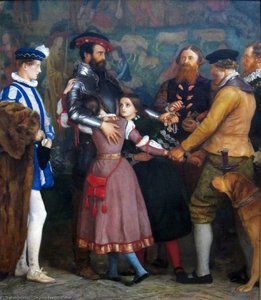
- Un hugonote (1851-1852), que representaba a una joven pareja a punto de ser separada debido a conflictos religiosos.
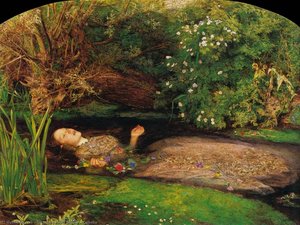
- Ofelia (1851-1852), una pintura que mostraba sus densas y elaboradas superficies pictóricas, a menudo concentrándose en la belleza y complejidad del mundo natural.
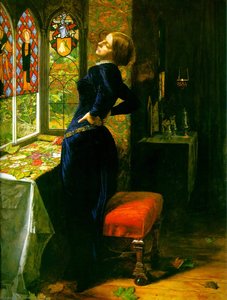
- Mariana (1850-1851), basada en la obra de teatro "Medida por medida" de William Shakespeare y el poema del mismo nombre de Alfred, Lord Tennyson.
Evolución artística e influencias
Las obras posteriores de Sir John Everett Millais fueron influenciadas por su esposa, Effie, que anteriormente había estado casada con el crítico John Ruskin. Su estilo evolucionó hacia una forma más amplia de realismo, que inicialmente fue condenado por Ruskin pero posteriormente reconocido como una contribución significativa al mundo del arte. Millais se destacó por su meticuloso estudio de la naturaleza y su habilidad para representar detalles con gran precisión. Su enfoque en los detalles botánicos en obras como "Ofelia" es un testimonio de su dedicación a la observación directa.Legado e importancia histórica
Sir John Everett Millais' legado se extiende más allá de su arte. Fue un pionero en el movimiento prerrafaelita y una figura significativa en el desarrollo del arte británico. Su influencia se puede ver en generaciones posteriores de artistas que buscaron combinar realismo con simbolismo y una profunda conexión con la naturaleza. Sus obras son apreciadas por su belleza, detalle y exploración de temas morales y sociales.- Aprenda más sobre Sir John Everett Millais en ArtsDot.com.
- Explore la Hermandad Prerrafaelita y su influencia en el arte británico en Wikipedia.
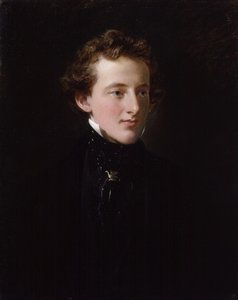
Sir John Everett Millais
1829 - 1896 , Reino Unido
Datos clave
- Artistas Que Influyeron:
- William Holman Hunt
- Dante Gabriel Rossetti
- Fecha De Nacimiento: 8 de junio de 1829
- Influencia En Artistas: Movimiento Estético, Simbolista
- Lugar De Nacimiento: Southampton, Reino Unido
- Movimiento Artístico: Pre-Rafaelita
- Nacionalidad: Británico
- Nombre Completo: Sir John Everett Millais
- Obras Notables:
- Cristo en casa de sus padres
- Un hugonote
- Ofelia
- Mariana
Artículos relacionados
Sir John Everett Millais: Pre-Raphaelite Rebellion & Victorian Narrative Detail
Explore the revolutionary art of Sir John Everett Millais & the Pre-Raphaelite Brotherhood. Discover their radical realism, symbolic narratives, and lasting impact on Victorian aesthetics. A deep dive into 19th-century masterpieces.
Dante Gabriel Rossetti: Las 25 Obras Maestras del Prerrafaelismo | ArtsDot
Descubre las 25 obras maestras de Dante Gabriel Rossetti, el máximo exponente del Prerrafaelismo. Explora su simbolismo, retratos victorianos y la belleza femenina en lienzos inolvidables. Reproducciones de arte exclusivas en ArtsDot.com.

La Estética Refinada de la Ilustración Victoriana: Narrativa y Técnica en el Arte del Siglo XIX
Descubra la estética refinada de la ilustración victoriana y el impacto revolucionario de los Prerrafaelitas. Análisis profundo de técnicas, narrativa y simbolismo en el arte del siglo XIX.

La Hermandad Prerrafaelita: Rebelión Estética y Romance Medieval en el Arte Victoriano
Descubre la fascinante historia de la Hermandad Prerrafaelita y su rebelión estética contra el arte victoriano. Análisis profundo de sus obras, temas y legado con expertos en arte.

Anthony Frederick Sandys: Pre-Raphaelite Vision & Victorian Aesthetic Exploration
Discover the captivating Pre-Raphaelite world of Anthony Frederick Sandys (1829-1904). Explore his mythological scenes, portraits & Victorian artistry. Learn about his influences and lasting legacy.