

 Ver en contexto
 Enviar
 Compartir
 Detalles

 Descargar
 Similares
 Radiografía
 Presentación de diapositivas
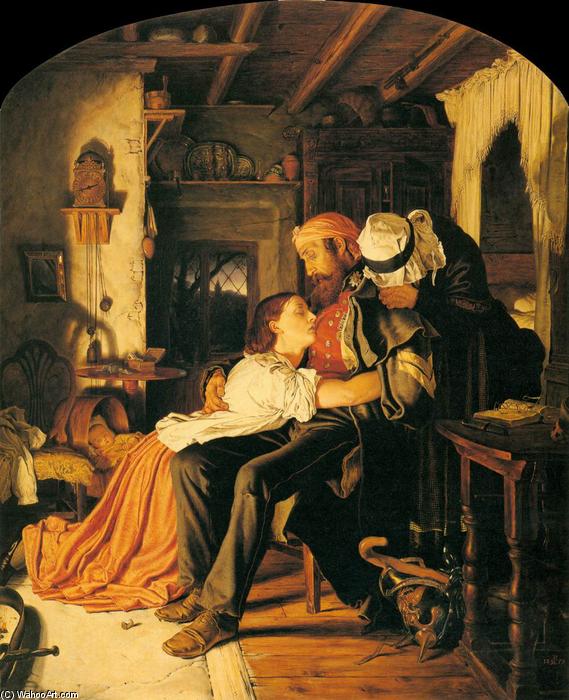
'Home': The Return from the Crimea
 Oil On Panel
- Pre-Raphaelite Brotherhood
 1859
1859- 19th Century
 71.0 x 58.0 cm
 Colección Real
 Ver más
Reproducción al óleo hecha a mano
Óleo sobre lienzo pintado a mano en el tamaño y marco de su elección, realizado por encargo por nuestros artistas. ( Comprar impresión Comprar imagen)




P118B $10

P118H $10

P118W $10

P438Z $10

P508JH $12

P508YH $12

P805H $10

P805Z $10

P919BZ $10

P919G $10

P919XJ $10

P959ZH $10

P968JZ $12

W106C $8

W218G $10

W218JH $8

W218Y $10

W307PJ $10

W316G $10

W316PJ $8

W316Y $10

W398PJ $8

W4111J $10

W500HY $15

W500JH $15

W692G $12

W849H $8

W940BG $15

W953PJ $8




Elija entre nuestros tamaños predefinidos que respetan las proporciones originales de la obra.

Puede ingresar sus propias dimensiones para adaptarse a un marco o espacio específico. Si el tamaño seleccionado no coincide con las proporciones de la imagen original, recortaremos la obra o extenderemos la pintura con elementos adicionales pintados a mano. Se le enviará una maqueta digital para su aprobación antes de comenzar la producción.
Tenga en cuenta que la vista previa en pantalla no refleja el recorte o la extensión reales. Solo la maqueta mostrará con precisión la composición final.
Si bien existen tamaños personalizados, recomendamos seleccionar una dimensión de la lista predefinida para preservar las proporciones originales.
Tras realizar el pedido, el equipo de ArtsDot.com enviará un correo electrónico al cliente para solicitar instrucciones y proporcionarle una vista previa del boceto.
Envío a todo el mundo () en 3-4 semanas en lugar de las 5 semanas estándar. (7 septiembre). Sin comprometer la calidad.

Envío exprés gratuito a todo el mundo

Lienzo de lino de alta calidad

Seguro de envío total

Garantía de reembolso de impuestos aduaneros

Garantía de fidelidad cromática exacta

Política de devolución de 100 días (solo por defectos)

Garantía de devolución del 100% del dinero

Descuento por cantidad
 La opción de vidrio solo está disponible en tamaños inferiores a 110 cm.

'Home': The Return from the Crimea
Técnica de reproducción
Dimensiones de la reproducción
-


Precio total final
$ 263
Home (The Return from the Crimea) by Sir Joseph Noel Paton
Sir Joseph Noel Paton’s “Home: The Return from the Crimea” stands as a poignant emblem of Victorian compassion and artistic innovation, capturing a moment of profound familial reunion amidst the lingering shadows of conflict. Painted in 1859, this oil on panel masterpiece transcends mere depiction; it embodies a carefully considered meditation on themes of homecoming, faith, and the enduring strength of love—subjects championed by John Ruskin’s call for artists to engage with moral considerations.
The painting's narrative unfolds with exquisite detail. A Crimean War veteran returns home after months away, greeted with overwhelming emotion by his wife and mother. The corporal’s weary posture – bandaged head, missing arm – serves as a stark reminder of the brutal realities faced by soldiers during the era, juxtaposed against the tender embrace of family members. Paton skillfully employs chiaroscuro—the dramatic interplay of light and shadow—to illuminate this intimate scene, emphasizing the warmth emanating from the hearth and highlighting the vulnerability of those awaiting their loved one’s return.
Beyond its realism lies a rich tapestry of symbolism. The inclusion of a Russian infantry helmet underscores the pervasive presence of war, while folded letters symbolize communication and longing. A Crimean campaign medal represents honor and service—a tangible testament to the sacrifices made for the nation. However, most powerfully, Paton’s composition echoes the Lamentation over Christ—a deliberate reference to biblical iconography—where Mary Magdalene and the Virgin Mary support Jesus after his crucifixion. This allusion elevates the scene beyond a simple portrayal of domestic life, imbuing it with spiritual significance.
Queen Victoria herself recognized the painting's profound emotional impact, commenting that “It is beautiful in sentiment & execution,” demonstrating the royal patronage’s appreciation for Paton’s artistic vision. The commission reflects Victoria’s deep concern for her soldiers and their families—a testament to the artist’s ability to capture not only visual beauty but also the moral heart of his time.
Further research reveals that Paton's work was lauded by critics like Lady Eastlake who described it as “A superb thing,” highlighting its masterful blend of realism and emotive storytelling. The painting’s enduring appeal stems from its ability to convey universal human experiences—the bittersweet joy of reunion, the solace found in faith, and the unwavering bond between family members—themes that continue to resonate with audiences today.
The provenance of “Home” traces back to Queen Victoria herself who commissioned a reproduction of this artwork. This royal endorsement solidified Paton’s reputation as one of Victorian Britain's foremost painters, cementing his legacy as an artist who skillfully blended artistic technique with moral contemplation—a distinction that continues to inspire admiration and scholarly interest.
Obras relacionadas
Biografía del artista
A Scottish Visionary: The Life and Art of Sir Joseph Noel Paton
Sir Joseph Noel Paton (1821–1901) was a Scottish painter who achieved remarkable renown during the Victorian era, establishing himself as one of Scotland’s foremost artistic figures. Born in Dunfermline, Fife, on December 13, 1821, into a family steeped in craftsmanship—his father was a damask weaver—Paton demonstrated an early aptitude for visual arts, nurtured by his familial surroundings and fueled by an innate curiosity about the world around him. Though he eschewed formal academic training, preferring to learn through observation and experimentation, Paton’s artistic sensibilities were profoundly shaped by the Pre-Raphaelite movement, with whom he formed a significant friendship during his studies at the Royal Academy in London in 1843. This connection instilled in him a dedication to meticulous detail and a fascination for capturing the beauty of nature—characteristics that would become hallmarks of his distinctive style.Weaving Myth and Morality: The Development of a Unique Style
Paton’s artistic journey was marked by an extraordinary synthesis of diverse influences. He wasn't merely illustrating tales; he was breathing life into them with meticulous detail and emotional depth. His early works, such as “The Quarrel of Oberon and Titania” (1847), now a cornerstone of the National Gallery of Scotland’s collection, immediately established his reputation for capturing fantastical scenes with remarkable realism. This painting, inspired by Shakespeare's *A Midsummer Night's Dream*, showcases not only technical skill but also Paton’s ability to imbue mythological subjects with psychological complexity. He didn’t simply depict fairies; he portrayed their passions, conflicts, and vulnerabilities. Beyond the realm of folklore, Paton explored religious themes with equal fervor, as evidenced in works like “Luther Discovering Justification by Faith,” revealing a deep engagement with theological concepts. His paintings are not just visually stunning but also intellectually stimulating, inviting viewers to contemplate profound questions about faith, morality, and the human condition. He wasn’t merely recreating stories; he was using them as vehicles for exploring universal human experiences.- His meticulous attention to detail—evident in the intricate costumes, landscapes, and facial expressions—adds layers of meaning to his compositions.
- The use of dramatic lighting and rich color palettes enhances the emotional impact of his paintings.
- Paton’s works often feature allegorical figures representing abstract concepts like love, death, and justice.
A Royal Appointment and Enduring Legacy
Recognition of Paton’s exceptional talent came in 1865 with his appointment as Queen's Limner for Scotland—a prestigious position that solidified his status as the foremost artist in the country. Two years later, he was knighted, a testament to his significant contributions to the arts and Scottish culture. This period saw him continue to produce works that blended historical accuracy with imaginative storytelling. Paintings like “Puck and Fairies” exemplify his mastery of capturing the ethereal beauty and mischievous spirit of the fairy world. However, Paton’s unique blend of Celtic mythology, religious themes, and Victorian sensibilities sets him apart as a truly original artist. He stood as a testament to the power of art to transport us to other worlds, explore profound truths, and celebrate the rich cultural heritage of Scotland. His paintings are not merely historical artifacts; they are living embodiments of imagination, faith, and artistic vision. Notable Achievements:- He was elected Associate of the Royal Scottish Academy in 1847
- He attained Full Academician status in 1850
- He received Knighthood from Her Majesty Queen Victoria in 1867
- He was awarded Honorary Doctorate of Laws (LL.D.) by the University of Edinburgh
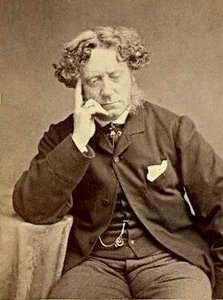
Sir Joseph Noel Paton
1821 - 1901 , Reino Unido
Datos clave
- Artistic Movement Or Style: Pre-Raphaelite influences
- Artists Who Influenced This Artist: ['John Everett Millais']
- Date Of Birth: December 13, 1821
- Date Of Death: December 26, 1901
- Full Name: Sir Joseph Noel Paton
- Nationality: Scottish
- Notable Artworks:
- The Quarrel of Oberon and Titania
- Puck and Fairies
- Hesperus
- Place Of Birth: Dunfermline, UK
Artículos relacionados
William Owen: A Poetic Vision of War & Landscape in British Modernism
Explore the poignant war poetry of Wilfred Owen, a key figure in British Modernism. Discover his innovative style, themes of loss & camaraderie, and lasting impact on 20th-century literature. Analysis & historical context included.
La Estética Refinada de la Ilustración Victoriana: Narrativa y Técnica en el Arte del Siglo XIX
Descubra la estética refinada de la ilustración victoriana y el impacto revolucionario de los Prerrafaelitas. Análisis profundo de técnicas, narrativa y simbolismo en el arte del siglo XIX.
C.R.W. Nevinson: A Vorticist Vision of War & Modernity
Explore the powerful art of C.R.W. Nevinson, a key British Vorticist painter. Discover his impactful depictions of WWI and evolution beyond Futurism. Expert analysis & high-quality reproductions at ArtsDot.
Echoes of Trauma & Hope: Representing Transformation in Artworks of 1918
Explore the profound artistic responses to World War I's trauma & hope. Discover Expressionist masterpieces by Bacon, de Kooning & more. Expert insights for collectors & art enthusiasts at ArtsDot.
William Powell Frith: Narratives of Victorian Society & the Rise of Realist Painting
Explore the life & works of William Powell Frith, the 'greatest British painter of social scenes.' Discover his iconic Victorian genre paintings and learn about his lasting impact on realist art. Hand-painted reproductions available.