

 Ver en contexto
 Enviar
 Compartir
 Detalles

 Descargar
 Similares
 Radiografía
 Presentación de diapositivas
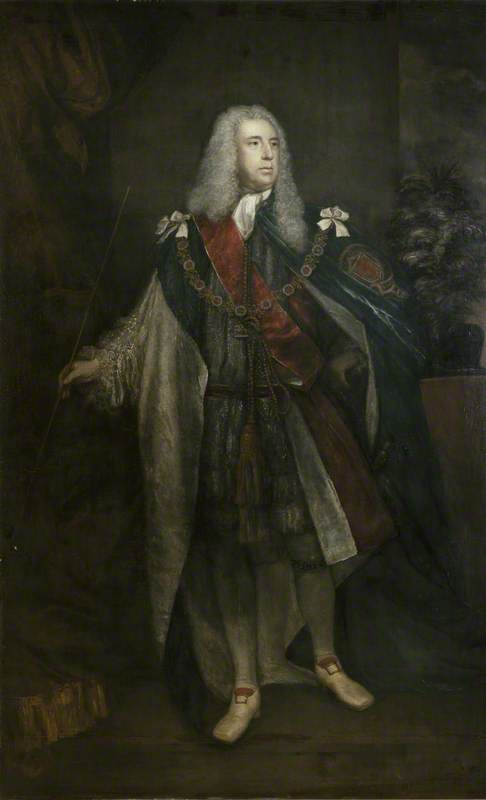
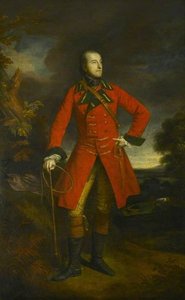
Charles Fitzroy, 2nd Duke of Grafton
 Oil On Canvas
- WallArt
- Neoclassicism
 1757
1757 236.0 x 145.0 cm
 El Museo Ashmolean de Arte y Arqueología
 Ver más
Adquiera una imagen digital de alta resolución y optimizada, muy superior a la vista previa en línea.
Cada archivo es preparado meticulosamente por nuestros especialistas internos mediante el uso de herramientas avanzadas y un experto retoque manual. Nos aseguramos de que cada imagen posea una claridad excepcional, una precisión cromática impecable y un detalle minucioso.
El archivo final se entrega por correo electrónico en un plazo de 72 horas, optimizado para su uso inmediato en entornos profesionales, editoriales y de impresión. Esta es la misma calidad en la que confían los estudios de diseño, las editoriales y las galerías de primer nivel.
Imagen Digital
Descarga un archivo de alta resolución para exhibición personal, impresión y proyectos creativos. ( Comprar impresión Comprar pintura hecha a mano)
Incluido en cada pedido de imágenes digitales
Entrega digital experta, garantizada.
Al elegir ArtsDot.com, no solo está adquiriendo una imagen; está recibiendo una obra de arte digital mejorada profesionalmente, elaborada con precisión y respaldada por una garantía de satisfacción. Esto es todo lo que incluye su pedido, automáticamente:

Entrega rápida por email
Recibirá su archivo de imagen digital en alta resolución por correo electrónico en un plazo de 72 horas tras realizar su pedido, listo para su uso inmediato.

Archivo digital optimizado por IA
Su obra de arte se optimiza profesionalmente mediante herramientas avanzadas de IA y edición manual, garantizando el máximo detalle, claridad y precisión cromática.

Reenvío gratuito de por vida
¿Has borrado o perdido tu archivo por error? No te preocupes: te lo volveremos a enviar en cualquier momento, sin coste adicional.

Sin gastos de importación, siempre
Disfrute de su obra de arte al instante sin aduanas, aranceles ni gastos de envío; las descargas digitales siempre están libres de impuestos.

Garantía de fidelidad de color
Garantizamos que su imagen digital refleje los colores originales con la mayor fidelidad posible, mediante el uso de herramientas profesionales y gestión del color.

Garantía de satisfacción de 60 días
Si no está satisfecho con su imagen digital, la revisaremos o le reembolsaremos el 100% en un plazo de 60 días, sin preguntas.

100% Garantía de devolución de dinero
¿No está satisfecho? Obtenga un reembolso completo dentro de los 60 días posteriores a la recepción de su archivo digital, sin necesidad de explicaciones.

Descuentos por pedidos grandes
Compra 3 imágenes, ahorra 10% - Compra 5, ahorra 15% - Compra 10+, ahorra 20%. Ideal para proyectos creativos, galerías y agencias.
A Portrait of Dignified Authority: Charles Fitzroy, 2nd Duke of Grafton
Sir Joshua Reynolds’s “Charles FitzRoy, 2nd Duke of Grafton,” painted in 1757, is more than just a likeness; it's a carefully constructed embodiment of aristocratic power and the measured elegance of the mid-18th century. This oil on canvas offers a glimpse into the world of landed gentry, capturing not merely appearance but also an aura of quiet authority and understated wealth. The painting immediately draws the eye to the subject’s commanding presence – his posture is upright, suggesting confidence and bearing, while his gaze holds a subtle hint of contemplation.
Reynolds masterfully employs the ‘Grand Style,’ a technique he championed that prioritized idealized representation over strict realism. Notice how the Duke's features are subtly refined—his nose is straight, his jawline firm, and his eyes possess an almost unnerving stillness. The artist skillfully uses light and shadow to sculpt the form, creating a sense of depth and volume that elevates the portrait beyond a simple depiction. The dark background, punctuated by the rich velvet of his coat, serves to further emphasize the subject’s importance and draw attention to his meticulously rendered attire.
A Symphony of Velvet and Detail
The Duke's clothing is a testament to the wealth and status afforded by his title. The deep burgundy velvet coat, adorned with intricate embroidery—a hallmark of Reynolds’s style— speaks volumes about his position within society. Observe the meticulous detail in the fabric’s texture; each thread seems to shimmer under the light, reflecting Reynolds's dedication to capturing the nuances of material. The elaborate sash and the delicate lace at his cuffs further underscore the portrait’s opulence. Beyond the clothing, the subtle details—the polished slippers beneath his feet, the walking stick in hand—add layers of meaning, suggesting a life of leisure and responsibility.
The potted plant behind the Duke is not merely decorative; it's a symbolic element. Plants were often used in portraits to represent virtues such as fertility, prosperity, or longevity – qualities highly valued in aristocratic circles. Its inclusion subtly reinforces the Duke’s role as a landowner and steward of his estate.
Historical Context and Reynolds’s Vision
Painted during a period of significant political and social change—the aftermath of the War of Succession and the rise of Hanoverian rule—the portrait reflects the anxieties and aspirations of the era. Charles Fitzroy, 2nd Duke of Grafton, was a prominent figure in British politics, serving as a Member of Parliament and holding various important positions within the government. Reynolds, one of the most influential artists of his time, skillfully captured not only the Duke’s physical appearance but also his character and standing within society.
Reynolds himself was deeply interested in classical art and philosophy, which informed his approach to portraiture. He believed that a successful portrait should not simply resemble its subject but also convey their inner qualities—their virtues, ambitions, and social role. His meticulous attention to detail, combined with his understanding of human psychology, resulted in portraits that are both visually stunning and psychologically revealing.
A Legacy of Elegance
"Charles Fitzroy, 2nd Duke of Grafton" stands as a remarkable example of Reynolds’s artistic skill and his ability to capture the essence of his subject. The painting's enduring appeal lies in its combination of technical mastery, historical significance, and emotional resonance. It offers a captivating window into the world of 18th-century aristocracy—a world of wealth, power, and refined sensibilities. Reproductions of this iconic portrait continue to be sought after by collectors and interior designers alike, who appreciate its timeless beauty and sophisticated charm.
Obras relacionadas
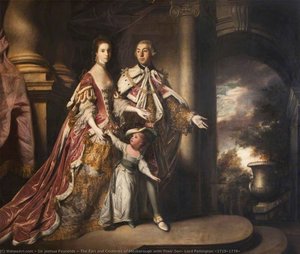
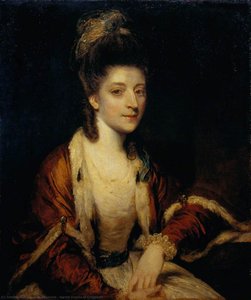
Biografía del artista
Vida Temprana y Formación
Sir Joshua Reynolds (1723-1792), una figura destacada del arte británico del siglo XVIII, nació el 16 de julio de 1723 en Plympton, Devon. Era el tercer hijo del Rev. Samuel Reynolds, maestro de la escuela gramatical gratuita de Plympton. Desde temprana edad, mostró interés por el arte, lo que llevó a un aprendizaje con Thomas Hudson, un popular pintor de retratos londinense, desde 1740 hasta 1743. Esta formación inicial sentó las bases para su posterior desarrollo artístico.Ascenso a la Prominencia y el "Estilo Grandioso"
El talento artístico y el estilo innovador de Reynolds le valieron rápidamente reconocimiento. Se convirtió en miembro fundador y primer presidente de la Royal Academy of Arts, un hito significativo en la historia del arte británico. En 1769, fue nombrado caballero por el rey Jorge III. Reynolds abogó fervientemente por el "Estilo Grandioso" en la pintura, que enfatizaba la idealización de las imperfecciones y se inspiraba en los maestros clásicos italianos. Esta filosofía influyó profundamente a una generación de artistas británicos, marcando un cambio hacia una estética más formal y refinada en el retrato.Obras Notables y Colaboraciones
La prolífica carrera de Reynolds incluye numerosos retratos de la nobleza británica, como el duque de Devonshire y el duque de Grafton. Sus obras se encuentran en importantes museos, incluyendo la Tate Britain (Londres, Reino Unido), que exhibe su obra maestra, *Peter Darnell Muilman, Charles Crokatt y William Keable en un Paisaje*. Reynolds también colaboró con grabadores como Samuel William Reynolds, quien reprodujo sus pinturas en mezzotinta. Su habilidad para capturar la personalidad y el estatus de sus sujetos lo convirtió en uno de los retratistas más solicitados de su época.Influencia e Importancia Histórica
El legado de Reynolds se extiende más allá de su arte. Fue un pionero en el desarrollo de instituciones artísticas británicas, desempeñando un papel crucial en la configuración de la identidad artística del país. Su influencia es evidente en las obras de artistas posteriores como Thomas Gainsborough, quien también se especializó en la pintura de retratos. Reynolds no solo fue un retratista excepcional sino también un teórico del arte y un líder influyente que ayudó a elevar el estatus de los artistas británicos. Su promoción del "Estilo Grandioso" contribuyó a una mayor apreciación por la calidad técnica y la composición en la pintura, dejando una huella duradera en el desarrollo del arte británico.Legado y Obras Destacadas
Algunas de las obras más notables de Reynolds incluyen:- Retrato de John Hayes St. Leger (Colección Real, Hampton Court, Reino Unido)
- Peter Darnell Muilman, Charles Crokatt y William Keable en un Paisaje (Tate Britain, Londres, Reino Unido)
- El Sr. y la Sra. William Lindow (Tate Britain, Londres, Reino Unido)
- El Niño Hércules Ahogando a las Serpientes (State Hermitage Museum)
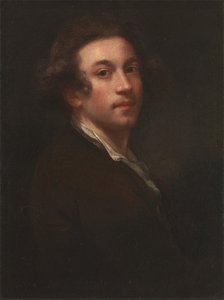
Sir Joshua Reynolds
1723 - 1792 , Reino Unido
Breves datos
- Artistas Influyentes: ['Thomas Hudson']
- Estilo Artístico: Neoclasicismo, Grand Style
- Fecha De Nacimiento: 16 de julio de 1723
- Influencia En Artistas: ['Thomas Gainsborough']
- Lugar De Nacimiento: Plymouth, Reino Unido
- Nacionalidad: Británico
- Nombre Completo: Sir Joshua Reynolds
- Obras Notables:
- Peter Darnell Muilman y otros
- Retrato de John Hayes St. Leger
- Sr. y Sra. William Lindow

