 Vista previa
 Compartir
 Compartir
 Ver detalles

 Descargar
 Ver similares
 Radiografía
 Presentación de diapositivas
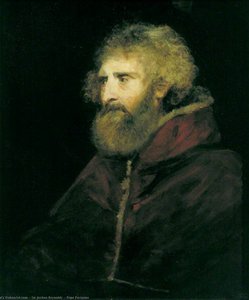
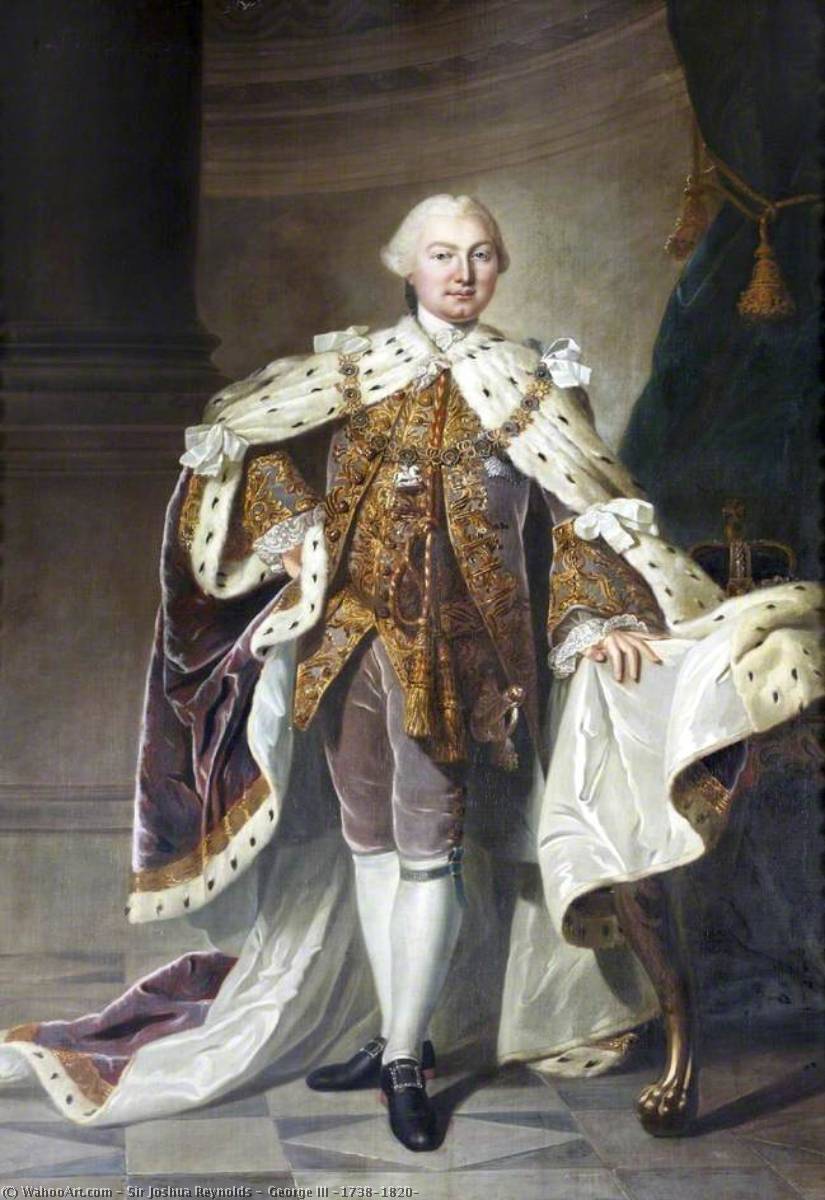
George III (1738–1820)
 Neoclassicism
 77.0 x 64.0 cm
 Ayuntamiento de Tiverton
 Leer más
Reproducción al óleo hecha a mano
Óleo sobre lienzo pintado a mano en el tamaño y marco de su elección, realizado por encargo por nuestros artistas. ( Pedir impresión Comprar descarga)




P118B $10

P118H $10

P118W $10

P438Z $10

P508JH $12

P508YH $12

P805H $10

P805Z $10

P919BZ $10

P919G $10

P919XJ $10

P959ZH $10

P968JZ $12

W106C $8

W218G $10

W218JH $8

W218Y $10

W307PJ $10

W316G $10

W316PJ $8

W316Y $10

W398PJ $8

W4111J $10

W500HY $15

W500JH $15

W692G $12

W849H $8

W940BG $15

W953PJ $8




Elija entre nuestros tamaños predefinidos que respetan las proporciones originales de la obra.

Puede ingresar sus propias dimensiones para adaptarse a un marco o espacio específico. Si el tamaño seleccionado no coincide con las proporciones de la imagen original, recortaremos la obra o extenderemos la pintura con elementos adicionales pintados a mano. Se le enviará una maqueta digital para su aprobación antes de comenzar la producción.
Tenga en cuenta que la vista previa en pantalla no refleja el recorte o la extensión reales. Solo la maqueta mostrará con precisión la composición final.
Si bien existen tamaños personalizados, recomendamos seleccionar una dimensión de la lista predefinida para preservar las proporciones originales.
Tras realizar el pedido, el equipo de ArtsDot.com enviará un correo electrónico al cliente para solicitar instrucciones y proporcionarle una vista previa del boceto.
Envío a todo el mundo () en 3-4 semanas en lugar de las 5 semanas estándar. (21 agosto). Sin comprometer la calidad.

Envío exprés gratuito a todo el mundo

Lienzo de lino de alta calidad

Seguro de envío completo

Garantía de reembolso de aranceles aduaneros

Garantía de fidelidad cromática exacta

Política de devolución de 60 días (solo por defectos)

Garantía de devolución del 100% del dinero

Oferta por volumen
 La opción de vidrio solo está disponible en tamaños inferiores a 110 cm.

George III (1738–1820)
Técnica de reproducción
Tamaño de la reproducción
-


Precio total
$ 263
Descripción de la obra
The Majesty of George III: A Portrait by Sir Joshua Reynolds
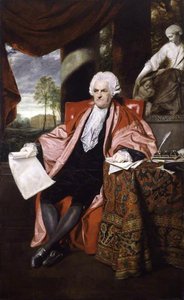
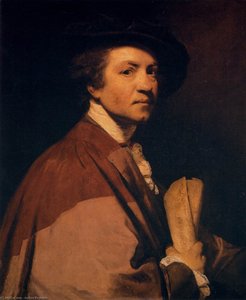
Sir Joshua Reynolds’s portrait of King George III, painted in 1779, stands as a monumental achievement within the landscape of British art – a testament to both the artist's mastery and the grandeur of the Georgian era. More than simply a likeness, this painting embodies the power, authority, and carefully constructed image of a monarch navigating a complex political world. It’s a window into the mind of a king, rendered with meticulous detail and infused with the stylistic hallmarks of Reynolds’s “Grand Style,” a technique that prioritized idealized representation over strict realism. The work resides within the Royal Collection, a testament to its enduring value and historical significance.A Vision of Power: Style and Technique
Reynolds' approach in this portrait is deeply rooted in Neoclassicism, an artistic movement that drew inspiration from the art and ideals of ancient Greece and Rome. However, Reynolds wasn’t merely replicating classical forms; he was adapting them to suit the needs of a British monarchy. The composition itself is carefully orchestrated – George III dominates the canvas with his imposing stature, seated within a richly appointed interior that speaks volumes about royal wealth and status. The use of linear perspective draws the eye towards the king, reinforcing his central importance. Reynolds’s brushwork is remarkably smooth and controlled, particularly evident in the rendering of the velvet robes, lace trim, and intricate details of the crown and scepter – symbols of absolute power. The lighting, originating from a subtle source above and to the left, casts dramatic shadows that accentuate the folds of fabric and create a sense of depth and volume, adding considerable realism to the scene. Notably, Reynolds subtly incorporates elements of portraiture conventions of the era, emphasizing the king’s dignified bearing and serene expression – qualities essential for projecting an image of stability and competence.Symbolism and Context: The King in His Realm
The setting within the painting is crucial to understanding its symbolic weight. The draped curtain or tapestry suggests a formal state room, a space reserved for important audiences and ceremonies. George III’s attire – the crimson coat, the gold embroidery, the elaborate crown, and the scepter – are all potent symbols of his authority as King of Great Britain and Ireland. The inclusion of the Garter ribbon, an honor bestowed upon him by Queen Anne, further underscores his position within the established order. Painted during George III’s reign (1760-1820), a period marked by significant political and military upheaval – including the American Revolution and protracted wars with France – the portrait served as a deliberate projection of strength and stability. It was intended to reassure both the British public and European powers that the monarchy remained firmly in control, capable of navigating turbulent times.Beyond the Surface: Emotional Resonance
Despite the formality of the subject matter, Reynolds masterfully captures a sense of quiet dignity within George III’s expression. The king's gaze is direct and unwavering, conveying an air of authority and self-assurance. The subtle hint of melancholy in his eyes suggests a man burdened by the responsibilities of leadership – a sentiment that resonates deeply with viewers even today. This isn’t simply a representation of a ruler; it’s a portrait of a complex individual grappling with the challenges of his time. The painting invites contemplation, prompting us to consider not only George III's role as king but also the broader themes of power, duty, and human experience that lie beneath the surface. The work remains a powerful reminder of Reynolds’s skill in capturing both the outward appearance and the inner character of his subjects, solidifying its place as a cornerstone of British portraiture.Obras relacionadas
Biografía del artista
Vida Temprana y Formación
Sir Joshua Reynolds (1723-1792), una figura destacada del arte británico del siglo XVIII, nació el 16 de julio de 1723 en Plympton, Devon. Era el tercer hijo del Rev. Samuel Reynolds, maestro de la escuela gramatical gratuita de Plympton. Desde temprana edad, mostró interés por el arte, lo que llevó a un aprendizaje con Thomas Hudson, un popular pintor de retratos londinense, desde 1740 hasta 1743. Esta formación inicial sentó las bases para su posterior desarrollo artístico.Ascenso a la Prominencia y el "Estilo Grandioso"
El talento artístico y el estilo innovador de Reynolds le valieron rápidamente reconocimiento. Se convirtió en miembro fundador y primer presidente de la Royal Academy of Arts, un hito significativo en la historia del arte británico. En 1769, fue nombrado caballero por el rey Jorge III. Reynolds abogó fervientemente por el "Estilo Grandioso" en la pintura, que enfatizaba la idealización de las imperfecciones y se inspiraba en los maestros clásicos italianos. Esta filosofía influyó profundamente a una generación de artistas británicos, marcando un cambio hacia una estética más formal y refinada en el retrato.Obras Notables y Colaboraciones
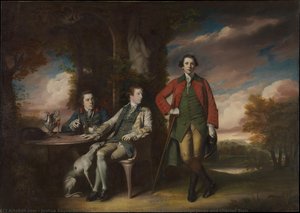
La prolífica carrera de Reynolds incluye numerosos retratos de la nobleza británica, como el duque de Devonshire y el duque de Grafton. Sus obras se encuentran en importantes museos, incluyendo la Tate Britain (Londres, Reino Unido), que exhibe su obra maestra, *Peter Darnell Muilman, Charles Crokatt y William Keable en un Paisaje*. Reynolds también colaboró con grabadores como Samuel William Reynolds, quien reprodujo sus pinturas en mezzotinta. Su habilidad para capturar la personalidad y el estatus de sus sujetos lo convirtió en uno de los retratistas más solicitados de su época.Influencia e Importancia Histórica
El legado de Reynolds se extiende más allá de su arte. Fue un pionero en el desarrollo de instituciones artísticas británicas, desempeñando un papel crucial en la configuración de la identidad artística del país. Su influencia es evidente en las obras de artistas posteriores como Thomas Gainsborough, quien también se especializó en la pintura de retratos. Reynolds no solo fue un retratista excepcional sino también un teórico del arte y un líder influyente que ayudó a elevar el estatus de los artistas británicos. Su promoción del "Estilo Grandioso" contribuyó a una mayor apreciación por la calidad técnica y la composición en la pintura, dejando una huella duradera en el desarrollo del arte británico.Legado y Obras Destacadas
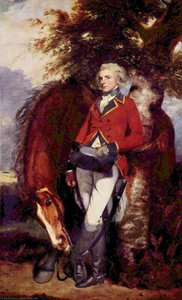
Algunas de las obras más notables de Reynolds incluyen:- Retrato de John Hayes St. Leger (Colección Real, Hampton Court, Reino Unido)
- Peter Darnell Muilman, Charles Crokatt y William Keable en un Paisaje (Tate Britain, Londres, Reino Unido)
- El Sr. y la Sra. William Lindow (Tate Britain, Londres, Reino Unido)
- El Niño Hércules Ahogando a las Serpientes (State Hermitage Museum)
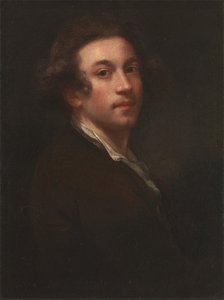
Sir Joshua Reynolds
1723 - 1792 , Reino Unido
Datos clave
- Artistas Influyentes: ['Thomas Hudson']
- Estilo Artístico: Neoclasicismo, Grand Style
- Fecha De Nacimiento: 16 de julio de 1723
- Influencia En Artistas: ['Thomas Gainsborough']
- Lugar De Nacimiento: Plymouth, Reino Unido
- Nacionalidad: Británico
- Nombre Completo: Sir Joshua Reynolds
- Obras Notables:
- Peter Darnell Muilman y otros
- Retrato de John Hayes St. Leger
- Sr. y Sra. William Lindow
Artículos relacionados
Sir Joshua Reynolds: Las 25 Obras Maestras del Retrato Inglés | ArtsDot
Descubre las 25 obras maestras de Sir Joshua Reynolds, el pintor inglés que elevó el retrato a la categoría de arte. Explora su técnica clásica, estilo rococó y significado histórico en ArtsDot.com. ¡Encuentra reproducciones de alta calidad para tu hogar!

Georges Braque: Las 25 Obras Maestras del Cubismo y su Legado en el Arte Moderno
Descubre las 25 obras maestras de Georges Braque, pionero del cubismo. Explora su innovadora técnica, colores y el legado del arte moderno francés. Reproducciones de alta calidad en ArtsDot.com. ¡Encuentra tu inspiración!

Georges Seurat: Las 25 Obras Maestras del Pionero Puntillista | ArtsDot
Descubre las 25 obras maestras de Georges Seurat, el innovador del puntillismo. Explora su técnica única, colores vibrantes y legado artístico en ArtsDot.com. Reproducciones de arte de museo para tu hogar.
Sir Joshua Reynolds: Shaping British Art Through Grand Style & Societal Portraiture
Explore the life & work of Sir Joshua Reynolds, a master of British portraiture and founder of the Royal Academy. Discover his 'Grand Style,' techniques, and lasting influence on art history. Learn more at ArtsDot.
George Stubbs: Anatomical Precision & Romantic Vision in 18th-Century British Art
Explore the captivating world of George Stubbs, the 18th-century master renowned for his anatomical precision & Romantic animal paintings. Discover his legacy and investment potential.