 Ver en contexto
 Enviar
 Compartir
 Detalles

 Descargar
 Similares
 Radiografía
 Presentación de diapositivas
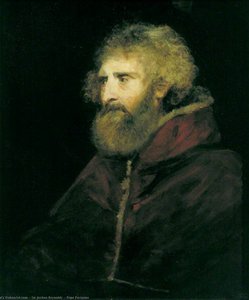
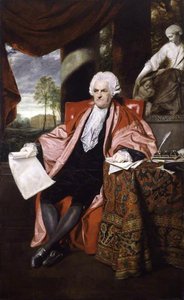
John Parker, 1st Baron Boringdon


 Ver más
Giclée / Impresión de arte
Impresiones giclée o en lienzo de calidad de museo con producción rápida y opciones de acabado flexibles. ( Comprar pintura hecha a mano Comprar imagen)




P118B $10

P118H $10

P118W $10

P438Z $10

P508JH $12

P508YH $12

P805H $10

P805Z $10

P919BZ $10

P919G $10

P919XJ $10

P959ZH $10

P968JZ $12

W106C $8

W218G $10

W218JH $8

W218Y $10

W307PJ $10

W316G $10

W316PJ $8

W316Y $10

W398PJ $8

W4111J $10

W500HY $15

W500JH $15

W692G $12

W849H $8

W940BG $15

W953PJ $8




Elija entre nuestros tamaños predefinidos que respetan las proporciones originales de la obra.

Puede introducir sus propias dimensiones para adaptarse a un marco o espacio específico. Si el tamaño seleccionado no coincide con las proporciones de la imagen original, recortaremos la obra de arte o extenderemos la imagen con un borde con efecto espejo o de color sólido. Se enviará una maqueta digital para su aprobación antes de que comience la producción.
Tenga en cuenta que la vista previa en pantalla no refleja el recorte o la extensión real. Solo la maqueta mostrará con precisión la composición final.
Aunque existen tamaños personalizados, recomendamos seleccionar una dimensión de la lista predefinida para preservar las proporciones originales.
Envío a todo el mundo () en 2 semanas en lugar de las 4/5 semanas estándar. (24 agosto)

Envío exprés gratuito a todo el mundo

Lienzo de lino de alta calidad

Seguro de envío total

Garantía de reembolso de impuestos aduaneros

Garantía de fidelidad cromática exacta

Política de devolución de 60 días (solo por defectos)

Garantía de devolución del 100% del dinero

Descuento por cantidad
 La opción de vidrio solo está disponible en tamaños inferiores a 110 cm.

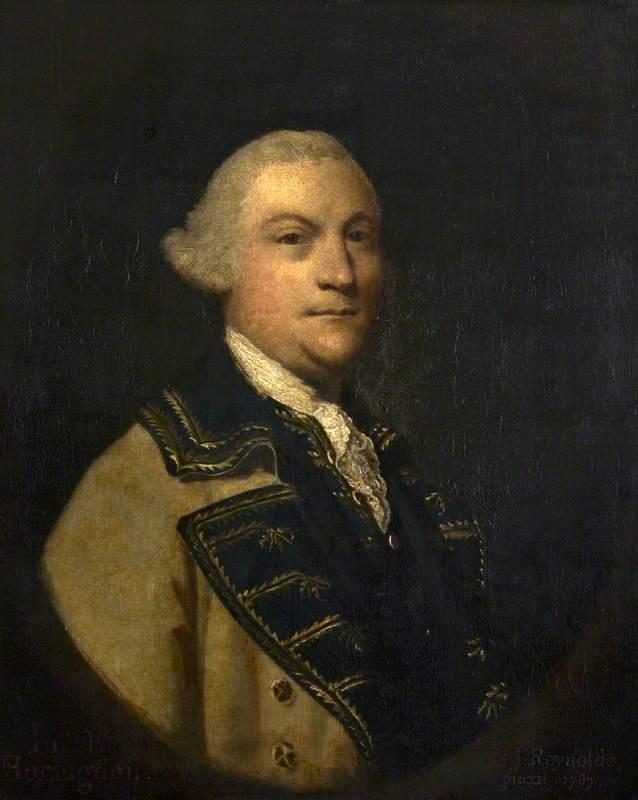
John Parker, 1st Baron Boringdon
Giclée / Impresión de arte
Dimensiones de la reproducción
-


Precio total final
$ 62
Descripción de la pieza
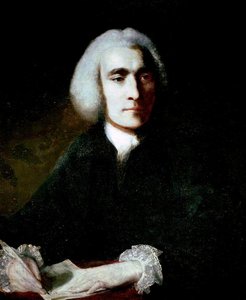
A Portrait of Dignified Reserve: Sir Joshua Reynolds’ John Parker, 1st Baron Boringdon
Sir Joshua Reynolds's portrait of John Parker, 1st Baron Boringdon, painted in 1767, is more than a simple likeness; it’s a carefully constructed tableau of status, wealth, and the restrained elegance characteristic of late 18th-century English society. This masterful work transcends mere representation, offering a glimpse into the world of aristocratic patronage and the subtle power dynamics within it. The painting immediately commands attention with its dramatic chiaroscuro – a deliberate manipulation of light and shadow that sculpts Parker’s face and clothing, lending him an air of both authority and melancholy. Reynolds wasn't simply capturing a man; he was crafting an image, imbuing it with layers of meaning rooted in the conventions of portraiture and the prevailing aesthetic sensibilities of the time.
The Neoclassical Framework: Style and Technique
Reynolds’s approach firmly anchors this portrait within the Neoclassical tradition. The composition, centered on Parker's figure against a dark, almost impenetrable background, emphasizes his importance and isolates him within a world of refined decorum. The meticulous attention to detail—the carefully rendered texture of his coat, the subtle sheen of his waistcoat, the precise brushstrokes defining his features—demonstrates Reynolds’s unparalleled skill in capturing both physical likeness and psychological nuance. The painting is executed in oil on canvas, utilizing layering techniques to build up depth and richness of color. Notice how he subtly blends tones to create a sense of volume and form, particularly in the folds of the fabric. The restrained palette—predominantly browns, creams, and blues—reflects the seriousness and gravity associated with portraiture during this period, contributing to the overall atmosphere of dignified reserve.
A Man of His Time: Historical Context and Symbolism
To fully appreciate Parker’s portrait, it's essential to understand its historical context. Painted in 1767, during a period of significant social and political change in Britain, the work reflects the values and aspirations of the landed gentry. The Baron’s attire—the richly embroidered coat, the lace cravat, the elaborate waistcoat—are all symbols of his wealth and status, meticulously chosen to project an image of power and refinement. The inclusion of decorative elements within his clothing – subtle gold accents – further reinforce this message of affluence. Furthermore, Parker's posture, upright and composed, embodies the ideals of self-control and civic virtue that were highly valued in the Enlightenment era. The portrait speaks volumes about the expectations placed upon men of his station: to be both respected for their wealth and admired for their moral character.
Beyond the Surface: Emotional Resonance and Artistic Legacy
Despite its formal presentation, Parker’s portrait possesses a subtle emotional depth. The slight downturn of his mouth, the thoughtful gaze directed towards the viewer, suggests a quiet introspection—a hint of melancholy beneath the surface of outward composure. Reynolds masterfully captures this duality, creating an image that is both captivating and subtly poignant. The painting's enduring appeal lies not only in its technical brilliance but also in its ability to evoke a sense of connection with a distant past. It serves as a window into the world of 18th-century England, offering a glimpse into the lives and aspirations of those who shaped its history. As a cornerstone of Reynolds’s oeuvre, Parker's portrait continues to be studied and admired for its masterful execution and profound insights into human nature.
Further Research
Obras relacionadas
Biografía del artista
Vida Temprana y Formación
Sir Joshua Reynolds (1723-1792), una figura destacada del arte británico del siglo XVIII, nació el 16 de julio de 1723 en Plympton, Devon. Era el tercer hijo del Rev. Samuel Reynolds, maestro de la escuela gramatical gratuita de Plympton. Desde temprana edad, mostró interés por el arte, lo que llevó a un aprendizaje con Thomas Hudson, un popular pintor de retratos londinense, desde 1740 hasta 1743. Esta formación inicial sentó las bases para su posterior desarrollo artístico.Ascenso a la Prominencia y el "Estilo Grandioso"
El talento artístico y el estilo innovador de Reynolds le valieron rápidamente reconocimiento. Se convirtió en miembro fundador y primer presidente de la Royal Academy of Arts, un hito significativo en la historia del arte británico. En 1769, fue nombrado caballero por el rey Jorge III. Reynolds abogó fervientemente por el "Estilo Grandioso" en la pintura, que enfatizaba la idealización de las imperfecciones y se inspiraba en los maestros clásicos italianos. Esta filosofía influyó profundamente a una generación de artistas británicos, marcando un cambio hacia una estética más formal y refinada en el retrato.Obras Notables y Colaboraciones
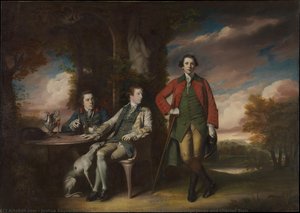
La prolífica carrera de Reynolds incluye numerosos retratos de la nobleza británica, como el duque de Devonshire y el duque de Grafton. Sus obras se encuentran en importantes museos, incluyendo la Tate Britain (Londres, Reino Unido), que exhibe su obra maestra, *Peter Darnell Muilman, Charles Crokatt y William Keable en un Paisaje*. Reynolds también colaboró con grabadores como Samuel William Reynolds, quien reprodujo sus pinturas en mezzotinta. Su habilidad para capturar la personalidad y el estatus de sus sujetos lo convirtió en uno de los retratistas más solicitados de su época.Influencia e Importancia Histórica
El legado de Reynolds se extiende más allá de su arte. Fue un pionero en el desarrollo de instituciones artísticas británicas, desempeñando un papel crucial en la configuración de la identidad artística del país. Su influencia es evidente en las obras de artistas posteriores como Thomas Gainsborough, quien también se especializó en la pintura de retratos. Reynolds no solo fue un retratista excepcional sino también un teórico del arte y un líder influyente que ayudó a elevar el estatus de los artistas británicos. Su promoción del "Estilo Grandioso" contribuyó a una mayor apreciación por la calidad técnica y la composición en la pintura, dejando una huella duradera en el desarrollo del arte británico.Legado y Obras Destacadas
Algunas de las obras más notables de Reynolds incluyen:- Retrato de John Hayes St. Leger (Colección Real, Hampton Court, Reino Unido)
- Peter Darnell Muilman, Charles Crokatt y William Keable en un Paisaje (Tate Britain, Londres, Reino Unido)
- El Sr. y la Sra. William Lindow (Tate Britain, Londres, Reino Unido)
- El Niño Hércules Ahogando a las Serpientes (State Hermitage Museum)
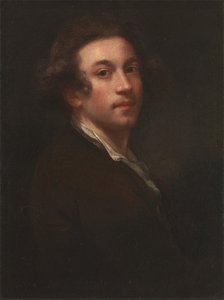
Sir Joshua Reynolds
1723 - 1792 , Reino Unido
Datos clave
- Artistas Influyentes: ['Thomas Hudson']
- Estilo Artístico: Neoclasicismo, Grand Style
- Fecha De Nacimiento: 16 de julio de 1723
- Influencia En Artistas: ['Thomas Gainsborough']
- Lugar De Nacimiento: Plymouth, Reino Unido
- Nacionalidad: Británico
- Nombre Completo: Sir Joshua Reynolds
- Obras Notables:
- Peter Darnell Muilman y otros
- Retrato de John Hayes St. Leger
- Sr. y Sra. William Lindow
Artículos relacionados
Sir Joshua Reynolds: Las 25 Obras Maestras del Retrato Inglés | ArtsDot
Descubre las 25 obras maestras de Sir Joshua Reynolds, el pintor inglés que elevó el retrato a la categoría de arte. Explora su técnica clásica, estilo rococó y significado histórico en ArtsDot.com. ¡Encuentra reproducciones de alta calidad para tu hogar!

John Singer Sargent: Las 25 Obras Maestras del Retrato y la Belle Époque | ArtsDot
Descubre las 25 obras maestras de John Singer Sargent, el maestro del retrato y la Belle Époque. Explora su técnica impresionista, historias fascinantes y encuentra reproducciones de arte exclusivas para decorar tu hogar con elegancia en ArtsDot.com.

John Constable: Las 25 Obras Maestras del Paisaje Inglés | ArtsDot
Descubre las 25 obras maestras de John Constable, el pintor romántico inglés que capturó la belleza del paisaje. Explora su técnica, historia y significado en ArtsDot.com. Reproducciones de arte de alta calidad para tu hogar.

Alfred Munnings: Las 25 Obras Maestras del Pintor de Caballos | ArtsDot
Descubre las 25 obras maestras de Alfred Munnings, el pintor británico de caballos por excelencia. Explora su impresionismo inglés, escenas campestres y técnica única. Encuentra reproducciones de arte de alta calidad en ArtsDot.com.
Sir Joshua Reynolds: Shaping British Art Through Grand Style & Societal Portraiture
Explore the life & work of Sir Joshua Reynolds, a master of British portraiture and founder of the Royal Academy. Discover his 'Grand Style,' techniques, and lasting influence on art history. Learn more at ArtsDot.