 Ver en contexto
 Enviar
 Compartir
 Detalles

 Descargar
 Similares
 Radiografía
 Presentación de diapositivas
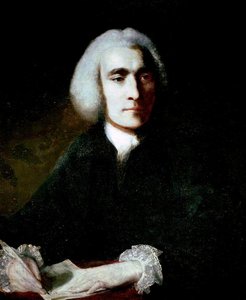
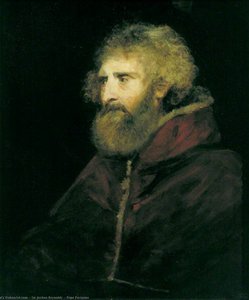
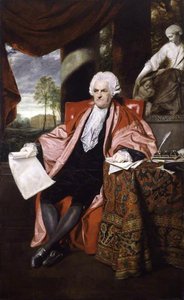
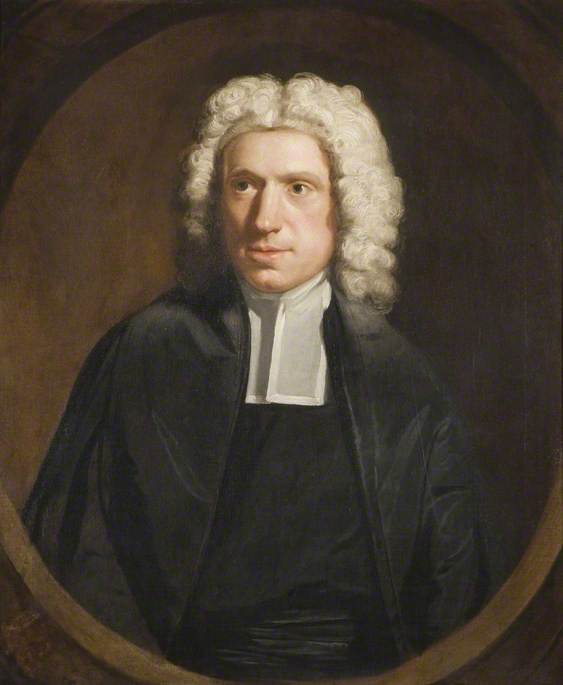
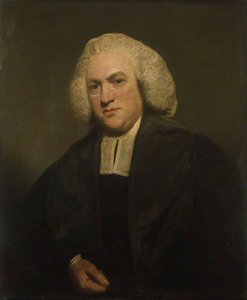
The Reverend William Beele (1704–1757)


 Ver más
Reproducción al óleo hecha a mano
Óleo sobre lienzo pintado a mano en el tamaño y marco de su elección, realizado por encargo por nuestros artistas. ( Comprar impresión Comprar imagen)




P118B $10

P118H $10

P118W $10

P438Z $10

P508JH $12

P508YH $12

P805H $10

P805Z $10

P919BZ $10

P919G $10

P919XJ $10

P959ZH $10

P968JZ $12

W106C $8

W218G $10

W218JH $8

W218Y $10

W307PJ $10

W316G $10

W316PJ $8

W316Y $10

W398PJ $8

W4111J $10

W500HY $15

W500JH $15

W692G $12

W849H $8

W940BG $15

W953PJ $8




Elija entre nuestros tamaños predefinidos que respetan las proporciones originales de la obra.

Puede ingresar sus propias dimensiones para adaptarse a un marco o espacio específico. Si el tamaño seleccionado no coincide con las proporciones de la imagen original, recortaremos la obra o extenderemos la pintura con elementos adicionales pintados a mano. Se le enviará una maqueta digital para su aprobación antes de comenzar la producción.
Tenga en cuenta que la vista previa en pantalla no refleja el recorte o la extensión reales. Solo la maqueta mostrará con precisión la composición final.
Si bien existen tamaños personalizados, recomendamos seleccionar una dimensión de la lista predefinida para preservar las proporciones originales.
Tras realizar el pedido, el equipo de ArtsDot.com enviará un correo electrónico al cliente para solicitar instrucciones y proporcionarle una vista previa del boceto.
Envío a todo el mundo () en 3-4 semanas en lugar de las 5 semanas estándar. (22 agosto). Sin comprometer la calidad.

Envío exprés gratuito a todo el mundo

Lienzo de lino de alta calidad

Seguro de envío total

Garantía de reembolso de impuestos aduaneros

Garantía de fidelidad cromática exacta

Política de devolución de 60 días (solo por defectos)

Garantía de devolución del 100% del dinero

Descuento por cantidad
 La opción de vidrio solo está disponible en tamaños inferiores a 110 cm.

The Reverend William Beele (1704–1757)
Técnica de reproducción
Dimensiones de la reproducción
-


Precio total final
$ 263
Descripción de la obra
Sir Joshua Reynolds’s Portrait of The Reverend William Beele: A Window into Georgian Society
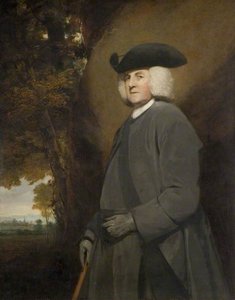
Joshua Reynolds's "The Reverend William Beele (1704–1757)," painted in 1748-1749, is more than just a likeness; it’s a meticulously crafted tableau of Georgian society, imbued with the intellectual and artistic currents of the Enlightenment. This portrait, now housed at The Barber Institute of Fine Arts, offers a captivating glimpse into the life of a clergyman, revealing not only his individual character but also the values, aspirations, and social dynamics of the era. Reynolds, already establishing himself as the leading portraitist in London, masterfully employed his signature “Grand Style,” prioritizing idealized beauty and carefully constructed narratives to elevate his subjects beyond mere representation.
The painting itself is a study in restrained elegance. The Reverend Beele sits within an implied architectural setting – a subtly suggested stone niche that frames him like a sacred space. His pose, reminiscent of the Apollo Belvedere, a celebrated Roman sculpture embodying ideal male beauty, immediately establishes a connection to classical antiquity and elevates his status. Reynolds’s skill lies not just in capturing the details of Beele's features—the neatly trimmed beard, the thoughtful gaze, the dignified bearing—but also in creating an atmosphere of quiet contemplation. The muted palette – dominated by browns, greys, and creams – contributes to this sense of solemnity and gravitas, reflecting the Reverend’s role as a spiritual leader.
Reynolds's Technique: A Masterclass in Composition and Light
Reynolds’s technique is characterized by its remarkable realism combined with an undeniable artistic sensibility. He meticulously rendered Beele’s clothing – the rich fabrics of his coat, the delicate lace at his cuffs – demonstrating a keen eye for detail and a deep understanding of material textures. The artist's use of light is particularly noteworthy; it’s not merely illuminating the subject but sculpting his form, highlighting key features and creating subtle gradations of tone. Notice how the light catches the folds of his garment, adding depth and volume to the composition. Reynolds employed a technique known as “sfumato,” softening edges and blending colors to create an atmospheric effect that enhances the sense of realism while simultaneously imbuing the portrait with a certain ethereal quality.
Furthermore, the background is deliberately blurred, drawing all attention to Beele himself – a deliberate choice that underscores his importance within the scene. This technique, combined with the carefully orchestrated composition, creates a powerful focal point and reinforces the Reverend’s commanding presence. The painting's dimensions—76 x 64 cm—are perfectly proportioned, contributing to its overall sense of balance and harmony.
Historical Context: A Portrait of an Age
To fully appreciate “The Reverend William Beele,” it’s essential to understand the historical context in which it was created. The mid-18th century was a period of profound social, political, and intellectual change in Britain – the era of the Enlightenment. Reynolds's art reflected this shift, embracing classical ideals while simultaneously engaging with contemporary trends. Portraits like this one were not simply representations of individuals; they were carefully constructed statements about status, wealth, and virtue. The Reverend Beele’s attire and demeanor communicated his piety, respectability, and social standing – qualities highly valued within Georgian society.
The painting also offers a glimpse into the role of religion in shaping public life. Beele's position as a clergyman highlights the significant influence of the Church of England during this period. Reynolds’s portrayal suggests that religious leadership was not only a matter of spiritual guidance but also a marker of social prestige and authority.
Symbolism and Emotional Impact
Beyond its technical brilliance, “The Reverend William Beele” is rich in symbolism. The reference to the Apollo Belvedere speaks to ideals of masculine beauty, strength, and divine inspiration – qualities associated with religious leaders and figures of authority. Beele’s contemplative gaze invites viewers to contemplate his inner life and consider his role within the community. The painting evokes a sense of quiet dignity and solemn reflection, prompting us to pause and appreciate the complexities of Georgian society.
Reproductions of this masterpiece offer an opportunity to bring its elegance and intellectual depth into any setting. Whether adorning a study, a library, or a formal dining room, “The Reverend William Beele” serves as a timeless reminder of the enduring power of portraiture to capture not only likeness but also the spirit of an age.
Obras relacionadas
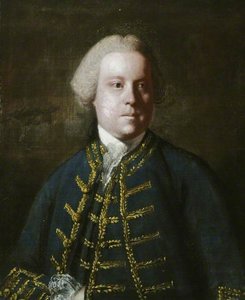
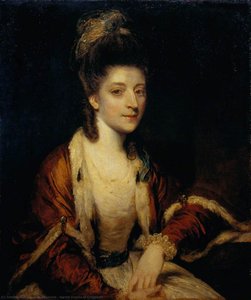
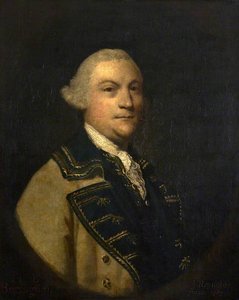
Biografía del artista
Vida Temprana y Formación
Sir Joshua Reynolds (1723-1792), una figura destacada del arte británico del siglo XVIII, nació el 16 de julio de 1723 en Plympton, Devon. Era el tercer hijo del Rev. Samuel Reynolds, maestro de la escuela gramatical gratuita de Plympton. Desde temprana edad, mostró interés por el arte, lo que llevó a un aprendizaje con Thomas Hudson, un popular pintor de retratos londinense, desde 1740 hasta 1743. Esta formación inicial sentó las bases para su posterior desarrollo artístico.Ascenso a la Prominencia y el "Estilo Grandioso"
El talento artístico y el estilo innovador de Reynolds le valieron rápidamente reconocimiento. Se convirtió en miembro fundador y primer presidente de la Royal Academy of Arts, un hito significativo en la historia del arte británico. En 1769, fue nombrado caballero por el rey Jorge III. Reynolds abogó fervientemente por el "Estilo Grandioso" en la pintura, que enfatizaba la idealización de las imperfecciones y se inspiraba en los maestros clásicos italianos. Esta filosofía influyó profundamente a una generación de artistas británicos, marcando un cambio hacia una estética más formal y refinada en el retrato.Obras Notables y Colaboraciones
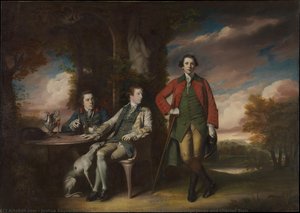
La prolífica carrera de Reynolds incluye numerosos retratos de la nobleza británica, como el duque de Devonshire y el duque de Grafton. Sus obras se encuentran en importantes museos, incluyendo la Tate Britain (Londres, Reino Unido), que exhibe su obra maestra, *Peter Darnell Muilman, Charles Crokatt y William Keable en un Paisaje*. Reynolds también colaboró con grabadores como Samuel William Reynolds, quien reprodujo sus pinturas en mezzotinta. Su habilidad para capturar la personalidad y el estatus de sus sujetos lo convirtió en uno de los retratistas más solicitados de su época.Influencia e Importancia Histórica
El legado de Reynolds se extiende más allá de su arte. Fue un pionero en el desarrollo de instituciones artísticas británicas, desempeñando un papel crucial en la configuración de la identidad artística del país. Su influencia es evidente en las obras de artistas posteriores como Thomas Gainsborough, quien también se especializó en la pintura de retratos. Reynolds no solo fue un retratista excepcional sino también un teórico del arte y un líder influyente que ayudó a elevar el estatus de los artistas británicos. Su promoción del "Estilo Grandioso" contribuyó a una mayor apreciación por la calidad técnica y la composición en la pintura, dejando una huella duradera en el desarrollo del arte británico.Legado y Obras Destacadas
Algunas de las obras más notables de Reynolds incluyen:- Retrato de John Hayes St. Leger (Colección Real, Hampton Court, Reino Unido)
- Peter Darnell Muilman, Charles Crokatt y William Keable en un Paisaje (Tate Britain, Londres, Reino Unido)
- El Sr. y la Sra. William Lindow (Tate Britain, Londres, Reino Unido)
- El Niño Hércules Ahogando a las Serpientes (State Hermitage Museum)
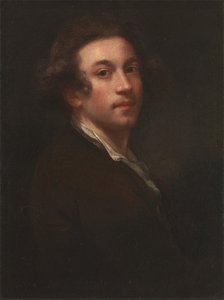
Sir Joshua Reynolds
1723 - 1792 , Reino Unido
Datos clave
- Artistas Influyentes: ['Thomas Hudson']
- Estilo Artístico: Neoclasicismo, Grand Style
- Fecha De Nacimiento: 16 de julio de 1723
- Influencia En Artistas: ['Thomas Gainsborough']
- Lugar De Nacimiento: Plymouth, Reino Unido
- Nacionalidad: Británico
- Nombre Completo: Sir Joshua Reynolds
- Obras Notables:
- Peter Darnell Muilman y otros
- Retrato de John Hayes St. Leger
- Sr. y Sra. William Lindow
Artículos relacionados
Sir Joshua Reynolds: Las 25 Obras Maestras del Retrato Inglés | ArtsDot
Descubre las 25 obras maestras de Sir Joshua Reynolds, el pintor inglés que elevó el retrato a la categoría de arte. Explora su técnica clásica, estilo rococó y significado histórico en ArtsDot.com. ¡Encuentra reproducciones de alta calidad para tu hogar!
Sir Joshua Reynolds: Shaping British Art Through Grand Style & Societal Portraiture
Explore the life & work of Sir Joshua Reynolds, a master of British portraiture and founder of the Royal Academy. Discover his 'Grand Style,' techniques, and lasting influence on art history. Learn more at ArtsDot.
Los 10 Maestros del Neoclasicismo: Obras que Definieron una Era |
Descubre los 10 imprescindibles del Neoclasicismo con . Obras de David, Ingres y Canova que marcaron una era. Historia, técnica y significado de cada pieza. Encuentra reproducciones de arte de museo en
El Siglo XVIII en el Arte: 10 Obras Maestras para Decorar con Historia y Elegancia
Descubre 10 obras maestras del siglo XVIII: Goya, Fragonard y más. Explora la historia, el arte barroco, rococó y neoclasicismo que inspiran decoración elegante. Reproducciones de alta calidad en ArtsDot.com.

Elegancia en el Arte: 10 Obras Maestras para un Hogar Sofisticado |
Descubre 10 obras maestras que definen la elegancia en el arte clásico. Explora la historia de artistas como Monet y Renoir, sus técnicas y paletas sofisticadas. Encuentra reproducciones de arte de museo para un hogar refinado en .