

![In The Clouds [hiram Stevens Maxim] — Sir Leslie Matthew Ward](/media/artworks/images-full/af/4c/af4c764c6840fac9dc681357e698ee85.jpg)
 Ver en contexto
 Enviar
 Compartir
 Detalles

 Descargar
 Similares
 Radiografía
 Presentación de diapositivas
 Estadísticas
In the Clouds [Hiram Stevens Maxim]


 Ver más
Giclée / Impresión de arte
Impresiones giclée o en lienzo de calidad de museo con producción rápida y opciones de acabado flexibles. ( Comprar pintura hecha a mano Cambiar a imagen digital)




P118B $10

P118H $10

P118W $10

P438Z $10

P508JH $12

P508YH $12

P805H $10

P805Z $10

P919BZ $10

P919G $10

P919XJ $10

P959ZH $10

P968JZ $12

W106C $8

W218G $10

W218JH $8

W218Y $10

W307PJ $10

W316G $10

W316PJ $8

W316Y $10

W398PJ $8

W4111J $10

W500HY $15

W500JH $15

W692G $12

W849H $8

W940BG $15

W953PJ $8




Elija entre nuestros tamaños predefinidos que respetan las proporciones originales de la obra.

Puede introducir sus propias dimensiones para adaptarse a un marco o espacio específico. Si el tamaño seleccionado no coincide con las proporciones de la imagen original, recortaremos la obra de arte o extenderemos la imagen con un borde con efecto espejo o de color sólido. Se enviará una maqueta digital para su aprobación antes de que comience la producción.
Tenga en cuenta que la vista previa en pantalla no refleja el recorte o la extensión real. Solo la maqueta mostrará con precisión la composición final.
Aunque existen tamaños personalizados, recomendamos seleccionar una dimensión de la lista predefinida para preservar las proporciones originales.
Envío a todo el mundo () en 2 semanas en lugar de las 4/5 semanas estándar. (10 septiembre)

Envío exprés gratuito a todo el mundo

Lienzo de lino de alta calidad

Seguro de envío total

Garantía de reembolso de impuestos aduaneros

Garantía de fidelidad cromática exacta

Política de devolución de 100 días (solo por defectos)

Garantía de devolución del 100% del dinero

Descuento por cantidad
 La opción de vidrio solo está disponible en tamaños inferiores a 110 cm.

In the Clouds [Hiram Stevens Maxim]
Giclée / Impresión de arte
Dimensiones de la reproducción
-


Precio total final
$ 62
A Moment of Levity and Observation
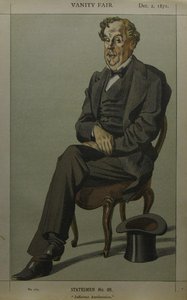
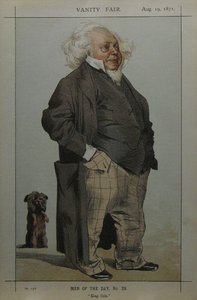
Sir Leslie Matthew Ward’s “In the Clouds,” a captivating caricature print from 1904, isn't merely a portrait; it’s a shrewd observation of Victorian society delivered with a generous dose of humor. Created under the pseudonym ‘Spy,’ Ward was a master of capturing the essence of his subjects – often prominent figures in politics and finance – through exaggerated features and subtle social commentary. This particular piece, depicting a portly gentleman seemingly engaged in a serious conversation with an oversized fish, immediately draws the eye with its playful dissonance. It’s a scene brimming with quiet amusement, inviting us to consider the peculiarities of human interaction and the often-absurd nature of power.
The print's genesis lies within *Vanity Fair*, where Ward’s caricatures were a staple for decades. He meticulously observed his subjects – from Parliamentarians to socialites – absorbing their mannerisms and translating them into instantly recognizable visual representations. “Spy” wasn’t simply drawing faces; he was dissecting personalities, revealing hidden traits beneath the surface of formality. The choice of a fish as the subject's companion is particularly intriguing, hinting at themes of incongruity, perhaps suggesting that the man is out of his element or surrounded by something utterly unexpected.
The Art of Caricature: Technique and Style
Ward’s technique is characterized by a masterful command of line. The stark black and white palette emphasizes form and structure, with carefully rendered pinstripes defining the man's suit and creating a sense of depth within his face. Hatching and cross-hatching are employed to build up tonal values, lending texture to the fabric and subtly suggesting the contours of the fish’s scales. The exaggerated features – the prominent mustache, bushy eyebrows, and double chin – are hallmarks of caricature style, designed to amplify specific characteristics and create a memorable image. The flattened perspective, typical of this genre, further contributes to the print's immediate impact, focusing attention on the central figures and their interaction.
- Line Work: Precise and deliberate lines define form and texture.
- Hatching & Cross-hatching: Used for shading and creating tonal variations.
- Exaggeration: Key element of caricature, amplifying features for comedic effect.
- Monochromatic Palette: Enhances contrast and emphasizes form.
A Victorian Snapshot – Context and Symbolism
“In the Clouds” offers a fascinating glimpse into Victorian society—a period defined by rigid social hierarchies, burgeoning industrialization, and a fascination with spectacle. The man’s attire—a pinstriped suit, waistcoat, and polished shoes—underscores his status as a member of the upper class, while the telephone he holds suggests an engagement with the rapidly evolving world of communication. The fish itself is rich in symbolism; often representing folly, excess, or simply the unexpected. It could be interpreted as a commentary on the man’s vanity, his detachment from reality, or perhaps even a subtle critique of the social conventions he embodies.
Ward's work reflects the broader satirical spirit of the era, challenging societal norms and exposing hypocrisy through humor and wit. The print’s enduring appeal lies in its ability to simultaneously entertain and provoke thought, inviting viewers to question the values and behaviors of their time.
Capturing a Moment: The Legacy of “In the Clouds”
“In the Clouds” stands as a testament to Sir Leslie Matthew Ward’s skill as a caricaturist and his keen understanding of human nature. It's a work that transcends its historical context, offering timeless insights into the complexities of social interaction and the enduring power of visual satire. Reproductions of this iconic print continue to resonate with audiences today, serving as a reminder of Ward’s legacy and the captivating world he created through his distinctive artistic vision.
Obras relacionadas
Biografía del artista
Primeros años y familia
- Nombre: Sir Leslie Matthew Ward
- Pseudónimos: Spy, Drawl
- Nacimiento: 21 de noviembre de 1851, Londres, Reino Unido
- Padres: Edward Matthew Ward y Henrietta Ward. Ambos fueron artistas consumados; Edward era un pintor de género histórico, y Henrietta se especializaba en pinturas históricas y retratos de niños.
- Trasfondo familiar: Ward provenía de una larga estirpe de artistas. Su abuelo paterno fue el renombrado pintor de animales James Ward. La familia de su madre también poseía fuertes vínculos artísticos, incluyendo grabadores y pintores de miniaturas.
- Educación temprana: Asistió al Eton College, donde comenzó a crear caricaturas de sus compañeros y maestros.
Formación artística y primeros años de carrera
- Trayectoria profesional inicial: Inicialmente fue aprendiz del arquitecto Sydney Smirke, pero su verdadera pasión residía en el arte.
- Formación formal: Estudió en las Royal Academy Schools a partir de 1871.
- Ingreso en Vanity Fair: En 1873, comenzó a contribuir con caricaturas a la revista Vanity Fair bajo el pseudónimo "Spy", reemplazando a Carlo Pellegrini ("Ape"). Thomas Gibson Bowles reconoció su talento y lo contrató.
- Estilo temprano: Sus retratos iniciales eran de cuerpo entero y a menudo presentaban proporciones exageradas, inclinándose hacia la caricatura. Más tarde refinó su estilo hacia los “retratos característicos”, que buscaban una representación más realista sin dejar de capturar la esencia del sujeto.
Obras maestras y desarrollo artístico
- Producción prolífica: Creó más de 1,325 retratos para Vanity Fair entre 1873 y 1911.
- Temática: Se centró principalmente en retratos de figuras prominentes de la sociedad británica, incluyendo la realeza, la nobleza, políticos, artistas y escritores.
- Evolución del estilo: Transitó de caricaturas exageradas a "retratos característicos" más refinados a medida que ganaba aceptación dentro de los círculos sociales que retrataba. Este cambio reflejó el deseo de evitar ofender a sus posibles modelos.
- Metodología: Ward a menudo trabajaba de memoria, basándose en observaciones realizadas en eventos como hipódromos y sesiones parlamentarias. Enfatizaba la importancia de capturar la atmósfera y la personalidad de sus sujetos.
- Obras notables: Aunque muchos retratos siguen siendo populares, algunas obras individuales específicas son menos conocidas por su nombre debido al enorme volumen producido para Vanity Fair. Su conjunto de obra en su totalidad se considera significativo.
Legado e importancia histórica
- Influencia en la caricatura: La influencia de Ward fue tan profunda que todas las caricaturas en Vanity Fair pasaron a ser conocidas comúnmente como "Spy cartoons", independientemente del artista.
- Comentario social: Sus retratos proporcionaron valiosas perspectivas de la sociedad victoriana y sus figuras prominentes, capturando sus personalidades y posición social.
- Técnica artística: La capacidad de Ward para combinar la caricatura con el retrato realista fue una contribución única a esta forma de arte.
- Autobiografía publicada: Escribió "Forty Years of 'Spy'" (1915), ofreciendo visiones íntimas de su vida y su proceso artístico.
- Reconocimiento: Fue nombrado caballero en 1910, consolidando su lugar como un artista respetado dentro de la sociedad británica.
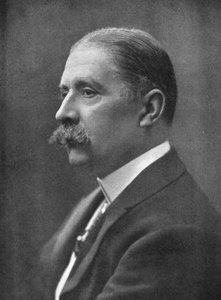
Sir Leslie Matthew Ward
1851 - 1922 , Reino Unido
Datos clave
- Artistic Movement Or Style: Retratista, caricaturista
- Date Of Birth: 21 de noviembre de 1851
- Date Of Death: 15 de mayo de 1922
- Full Name: Sir Leslie Matthew Ward
- Nationality: Británica
- Notable Artworks:
- Leslie Ward y su hermana
- El Príncipe de Gales
- Old Bones, Dr. Richard Owen
- Place Of Birth: Londres, Reino Unido
Artículos relacionados
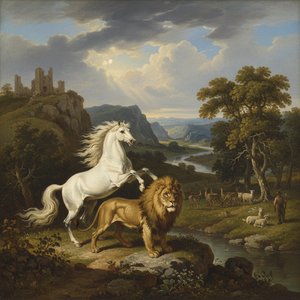
James Ward: A Study in British Romantic Landscape and Animal Painting
Explore the captivating world of James Ward (1769-1859), a master of British Romantic landscape & animal painting. Discover his iconic 'Gordale Scar' and exquisite portraits – a timeless art investment. Learn about his influences, style, and enduring legacy.
Tactile Maximalism: The Expert Guide to Styling Bold Pop Art for Dopamine Decor Interiors
Master the art of Dopamine Decor with our expert guide to Tactile Maximalism. Learn how to professionally style bold Pop Art through texture, color theory, and curated layers to create a joyful, high-end interior that inspires.
Maxime Maufra: Capturing Atmospheric Luminosity in Post-Impressionist Landscapes
Discover the captivating landscapes of Maxime Maufra, a key figure in Post-Impressionism. Explore his mastery of light, atmosphere & connection to the Pont-Aven School. Learn about collecting his work at ArtsDot.
Thomas Rowlandson: Satire, Society & the Art of Caricature in Georgian England
Explore the witty world of Thomas Rowlandson, master Georgian caricaturist! Discover his satirical prints & insightful social commentary on 18th-century England. Learn about his life, techniques, and enduring influence.
Charles Robert Leslie: Navigating Romantic Ideals & Academic Tradition
Explore the life & art of Charles Robert Leslie, a key figure bridging Romantic ideals with Victorian academic tradition. Discover his captivating portraits, literary scenes, and enduring legacy as Constable’s biographer.