 Ver en contexto
 Enviar
 Compartir
 Detalles

 Descargar
 Similares
 Radiografía
 Presentación de diapositivas
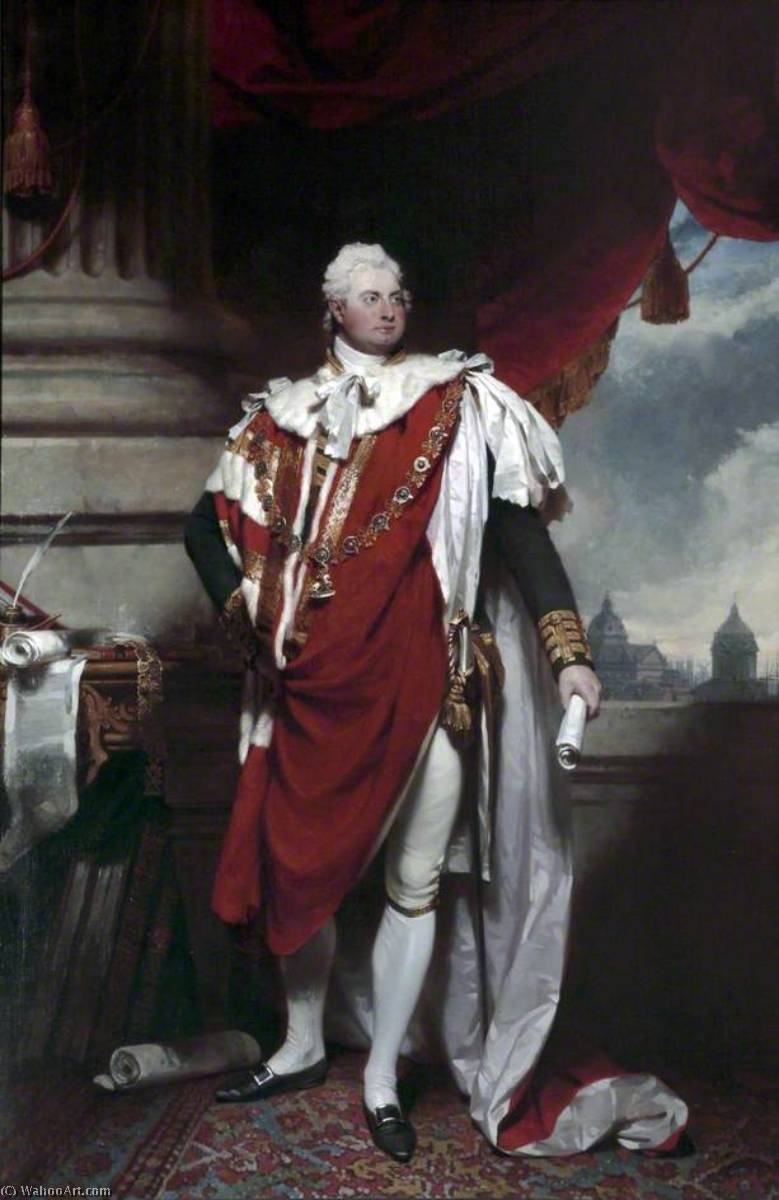
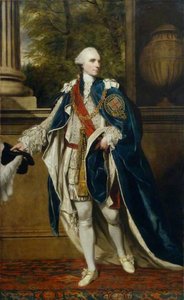
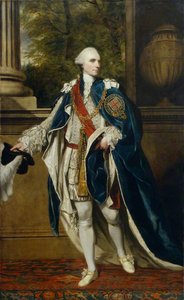
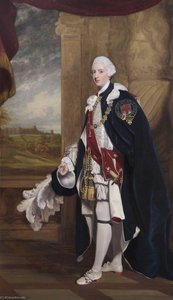
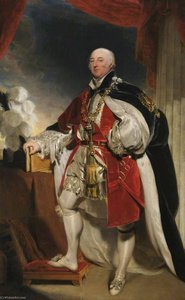
Duke of Clarence (1765–1837), Later William IV
 Oil On Canvas
- WallArt
- Neoclassicism
 1800
1800 254.0 x 174.0 cm
 Galería de Arte Walker
 Ver más
Reproducción al óleo hecha a mano
Óleo sobre lienzo pintado a mano en el tamaño y marco de su elección, realizado por encargo por nuestros artistas. ( Comprar impresión Comprar imagen)




P118B $10

P118H $10

P118W $10

P438Z $10

P508JH $12

P508YH $12

P805H $10

P805Z $10

P919BZ $10

P919G $10

P919XJ $10

P959ZH $10

P968JZ $12

W106C $8

W218G $10

W218JH $8

W218Y $10

W307PJ $10

W316G $10

W316PJ $8

W316Y $10

W398PJ $8

W4111J $10

W500HY $15

W500JH $15

W692G $12

W849H $8

W940BG $15

W953PJ $8




Elija entre nuestros tamaños predefinidos que respetan las proporciones originales de la obra.

Puede ingresar sus propias dimensiones para adaptarse a un marco o espacio específico. Si el tamaño seleccionado no coincide con las proporciones de la imagen original, recortaremos la obra o extenderemos la pintura con elementos adicionales pintados a mano. Se le enviará una maqueta digital para su aprobación antes de comenzar la producción.
Tenga en cuenta que la vista previa en pantalla no refleja el recorte o la extensión reales. Solo la maqueta mostrará con precisión la composición final.
Si bien existen tamaños personalizados, recomendamos seleccionar una dimensión de la lista predefinida para preservar las proporciones originales.
Tras realizar el pedido, el equipo de ArtsDot.com enviará un correo electrónico al cliente para solicitar instrucciones y proporcionarle una vista previa del boceto.
Envío a todo el mundo () en 3-4 semanas en lugar de las 5 semanas estándar. (30 agosto). Sin comprometer la calidad.

Envío exprés gratuito a todo el mundo

Lienzo de lino de alta calidad

Seguro de envío total

Garantía de reembolso de impuestos aduaneros

Garantía de fidelidad cromática exacta

Política de devolución de 60 días (solo por defectos)

Garantía de devolución del 100% del dinero

Descuento por cantidad
 La opción de vidrio solo está disponible en tamaños inferiores a 110 cm.

Duke of Clarence (1765–1837), Later William IV
Técnica de reproducción
Dimensiones de la reproducción
-


Precio total final
$ 263
A Portrait of Regal Dignity: Sir Martin Archer Shee’s ‘Duke of Clarence’
The Walker Art Gallery proudly houses “Duke of Clarence (1765–1837), Later William IV,” a masterpiece by Sir Martin Archer Shee, completed between 1798 and 1800. More than just a likeness of the Prince Regent—later King William IV—this painting embodies the grandeur and formality characteristic of British portraiture during the Napoleonic era, offering a glimpse into the opulent tastes and aspirations of the aristocracy.- Subject Matter: Shee meticulously captured William IV in a pose that exudes confidence and authority. He stands rigidly upright, dressed in richly embroidered robes adorned with intricate patterns—a deliberate statement of royal status and lineage.
- Style & Technique: Executed in the classical oil painting style championed by Joshua Reynolds, Shee’s approach prioritizes realism combined with idealized beauty. The artist skillfully employs linear perspective to create depth within the composition, guiding the viewer's eye towards the central figure while subtly incorporating a blurred cityscape backdrop—a visual shorthand for wealth and influence.
- Composition: The painting’s balanced symmetry reinforces its solemn tone. Shee utilizes careful brushwork to define the folds of William IV’s garments and wig with precision, highlighting textural contrasts between smooth skin tones and rough drapery fabrics. Lines converge towards the figure's face, emphasizing his gaze and conveying a sense of dignified contemplation.
Historical Context: The Reign of William IV and Artistic Patronage
William IV ascended to the throne in 1830 amidst considerable political instability following the tumultuous reign of George IV. Shee’s portrait reflects this era's preoccupation with establishing legitimacy and projecting an image of stability—values paramount to securing royal approval and bolstering national pride. The painting was commissioned during a period when aristocratic patronage fueled artistic innovation, ensuring that artists like Shee could dedicate themselves to producing works of exceptional quality.Symbolism: Dress and Landscape as Markers of Status
The opulent attire worn by William IV serves as a powerful symbol of his royal authority and hereditary privilege. The intricate embroidery and embellishments underscore the wealth and prestige associated with the monarchy, reflecting broader societal values during the Victorian period. Simultaneously, the cityscape—depicted in muted tones—represents not merely a location but also an emblem of power and dominion—a visual reminder of William IV’s control over vast territories and resources.Emotional Impact: Dignity and Contemplation
Despite its formal presentation, Shee's ‘Duke of Clarence’ possesses a profound emotional resonance. The subject’s gaze directs outwards, conveying an air of solemn contemplation—suggesting introspection and responsibility alongside regal bearing. Through meticulous attention to detail and masterful use of light and shadow, Shee captures not only William IV’s physical appearance but also his inner character—creating a portrait that transcends mere representation and speaks to the enduring ideals of dignity and nobility.Materials & Craftsmanship
The artwork is crafted from oil paints on canvas – a technique favored for its ability to achieve luminous colors and subtle tonal variations, ensuring that Shee’s vision remains vivid across generations. The artist's meticulous brushwork guarantees the preservation of textural nuances—capturing the richness of fabric and skin—a testament to the enduring legacy of Victorian artistic excellence.Obras relacionadas
Biografía del artista
Primeros años y educación
Martin Archer Shee, un destacado retratista irlandés, nació el 23 de diciembre de 1769 en Dublín, Irlanda. Su padre, Martin Shee, un comerciante, inicialmente desaprobó el deseo de su hijo de seguir una carrera en la pintura, considerándolo una ocupación inadecuada para un descendiente de los Shee. Sin embargo, la pasión por el arte de Martin prevaleció y continuó estudiando en la Royal Dublin Society.Carrera artística
La trayectoria artística de Shee comenzó en 1788 cuando fue presentado a Joshua Reynolds, un artista renombrado, por Edmund Burke. Este encuentro llevó a Shee a inscribirse en las escuelas de la Royal Academy. En 1789, expuso sus primeras dos pinturas, "cabeza de un anciano" y "retrato de un caballero", marcando el comienzo de su exitosa carrera. Shee fue elegido como asociado de la Royal Academy en 1798 y se convirtió en miembro titular en 1800. También sirvió como presidente de la Royal Academy desde 1830 hasta su muerte en 1850.Obras destacadas y exposiciones
Algunas de las obras más notables de Shee incluyen:- Belisarius (128 x 102 cm, óleo sobre lienzo, Royal Academy of Arts, Reino Unido)
- Reina Victoria (1819-1901) (270 x 178 cm, óleo sobre lienzo, Royal Academy of Arts, Reino Unido)
- Jorge IV (1762-1830) (después de Thomas Lawrence) (275 x 184 cm, óleo sobre lienzo, Royal Academy of Arts, Reino Unido)
Legado y vida personal
Shee se casó con Mary, la hija mayor de James Power de Youghal, en 1789. Tuvo tres hijos que se convirtieron en exitosos abogados y tres hijas. Los descendientes de Shee incluyen a George Archer-Shee, cuya historia inspiró la obra de teatro "The Winslow Boy" de Terence Rattigan. Shee falleció el 13 de agosto de 1850 en Brighton y fue enterrado en la extensión occidental del cementerio de St Nicholas. Su lápida permanece, pero ha sido colocada horizontalmente y trasladada al perímetro del sitio.- Ver más obras de Sir Martin Archer Shee en https://ArtsDot.com/@/sir-martin-archer-shee
- Explore la colección de la Royal Academy of Arts en /es/art/show/art-d3cf6h-es/
- Aprenda más sobre la vida y las obras de Shee en Wikipedia: https://es.wikipedia.org/wiki/Martin_Archer_Shee
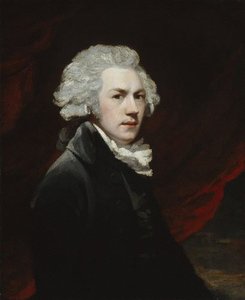
Sir Martin Archer Shee
1769 - 1850 , Irlanda
Datos clave
- Artistas Que Influyeron: ['Joshua Reynolds']
- Fecha De Fallecimiento: 19 de agosto de 1850
- Fecha De Nacimiento: 20 de diciembre de 1769
- Lugar De Nacimiento: Dublín, Irlanda
- Nacionalidad: Irlandés
- Nombre Completo: Sir Martin Archer Shee
- Obras Notables:
- Belisarius
- Retrato de la Reina Victoria
- Jorge IV (después de Lawrence)
Artículos relacionados
Sir Joshua Reynolds: Shaping British Art Through Grand Style & Societal Portraiture
Explore the life & work of Sir Joshua Reynolds, a master of British portraiture and founder of the Royal Academy. Discover his 'Grand Style,' techniques, and lasting influence on art history. Learn more at ArtsDot.
Los 10 Maestros del Neoclasicismo: Obras que Definieron una Era |
Descubre los 10 imprescindibles del Neoclasicismo con . Obras de David, Ingres y Canova que marcaron una era. Historia, técnica y significado de cada pieza. Encuentra reproducciones de arte de museo en
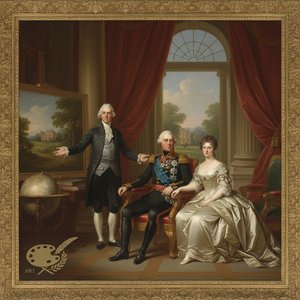
John Hoppner: Portraiture, Patronage & British Identity in the Late Georgian Era
Explore the life & work of John Hoppner, a leading Georgian portraitist. Discover his vibrant style, influential patrons, and lasting impact on British art history. Expert insights for collectors.
El Legado Perenne del Clasicismo: Principios Fundamentales, Evolución e Influencia en el Arte Occidental
Descubre la historia del arte clásico occidental: desde sus orígenes en Grecia y Roma hasta su influencia en el Renacimiento y las corrientes contemporáneas. Análisis experto, artistas clave y obras maestras imperdibles.
El Legado Perenne del Retrato Clásico: Tradición, Innovación e Identidad
Descubra el legado del retrato clásico con ArtsDot. Explore la historia, los maestros y las técnicas de retratos renacentistas. Invierta en arte atemporal.