 Ver en contexto
 Enviar
 Compartir
 Detalles

 Descargar
 Similares
 Radiografía
 Presentación de diapositivas
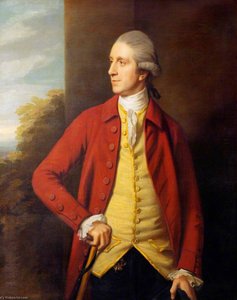
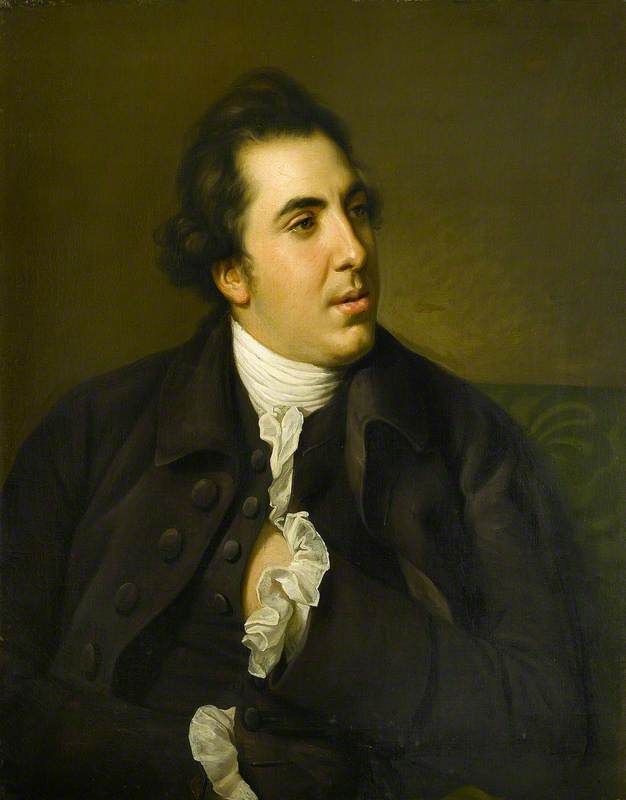
Sir John Russell (1741–1783), 9th Bt
 Oil On Canvas
- WallArt
- Neoclassicism
 76.0 x 64.0 cm
 Chequers Court
 Ver más
Giclée / Impresión de arte
Impresiones giclée o en lienzo de calidad de museo con producción rápida y opciones de acabado flexibles. ( Comprar pintura hecha a mano Comprar imagen)




P118B $10

P118H $10

P118W $10

P438Z $10

P508JH $12

P508YH $12

P805H $10

P805Z $10

P919BZ $10

P919G $10

P919XJ $10

P959ZH $10

P968JZ $12

W106C $8

W218G $10

W218JH $8

W218Y $10

W307PJ $10

W316G $10

W316PJ $8

W316Y $10

W398PJ $8

W4111J $10

W500HY $15

W500JH $15

W692G $12

W849H $8

W940BG $15

W953PJ $8




Elija entre nuestros tamaños predefinidos que respetan las proporciones originales de la obra.

Puede introducir sus propias dimensiones para adaptarse a un marco o espacio específico. Si el tamaño seleccionado no coincide con las proporciones de la imagen original, recortaremos la obra de arte o extenderemos la imagen con un borde con efecto espejo o de color sólido. Se enviará una maqueta digital para su aprobación antes de que comience la producción.
Tenga en cuenta que la vista previa en pantalla no refleja el recorte o la extensión real. Solo la maqueta mostrará con precisión la composición final.
Aunque existen tamaños personalizados, recomendamos seleccionar una dimensión de la lista predefinida para preservar las proporciones originales.
Envío a todo el mundo () en 2 semanas en lugar de las 4/5 semanas estándar. (23 agosto)

Envío exprés gratuito a todo el mundo

Lienzo de lino de alta calidad

Seguro de envío total

Garantía de reembolso de impuestos aduaneros

Garantía de fidelidad cromática exacta

Política de devolución de 60 días (solo por defectos)

Garantía de devolución del 100% del dinero

Descuento por cantidad
 La opción de vidrio solo está disponible en tamaños inferiores a 110 cm.

Sir John Russell (1741–1783), 9th Bt
Giclée / Impresión de arte
Dimensiones de la reproducción
-


Precio total final
$ 62
Descripción de la pieza
A Portrait of Statesman and Dignity: Nathaniel Dance Holland’s Sir John Russell
Sir John Russell (1741–1783), 9th Bt, presented to us by the masterful hand of Sir Nathaniel Dance Holland, is more than a mere portrait; it's a carefully constructed tableau of Georgian identity, intellectual gravitas, and understated power. Painted in the heart of London around 1775-1780, this neoclassical masterpiece offers a rare glimpse into the world of a prominent Whig politician and influential figure during a pivotal era in British history. Holland’s skill lies not just in his technical proficiency – evident in the meticulous rendering of fabric, skin, and hair – but also in his ability to imbue the subject with an aura of dignified seriousness that transcends the conventions of formal portraiture.The Neoclassical Composition: Order and Restraint
Holland’s approach is firmly rooted in the neoclassical style, a movement that sought inspiration from the art and architecture of ancient Greece and Rome. This manifests most strikingly in the painting's balanced composition – a central figure framed within a carefully delineated space. The subject, Sir John Russell, occupies the majority of the canvas, his gaze direct and unwavering, commanding the viewer’s attention. Geometric shapes dominate: the rectangular form of his jacket, the oval of his face, and the rounded elements of his collar all contribute to an impression of order and control. The dark background, devoid of extraneous detail, serves to heighten the impact of Russell's features and clothing, emphasizing their importance within the overall design. The limited perspective, a frontal view, fosters an intimate connection with the subject, inviting us into his presence as if he were standing before us directly.Technique and Materials: Layers of Subtle Brilliance
Holland’s technique is characterized by its painstaking attention to detail and masterful use of oil paint. He employed a layering method known as *glazing*, applying thin, translucent layers of color upon one another to build up depth, luminosity, and subtle tonal variations. This approach allowed him to achieve the remarkable smoothness of Russell's skin – a feat achieved through countless hours of meticulous brushwork. Note particularly the delicate rendering of his forehead and cheekbones, sculpted with an almost sculptural precision. The rich textures of his clothing are rendered with astonishing realism, capturing the sheen of velvet and the folds of fabric with subtle gradations of light and shadow. The use of warm earth tones – browns, ochres, and reds – creates a sense of warmth and solidity, while carefully placed highlights draw attention to key features, such as Russell’s piercing eyes.Symbolism and Context: A Portrait of Influence
Beyond its technical brilliance, the portrait is laden with symbolic meaning. Sir John Russell was a prominent figure in British politics during the late 18th century, serving as Home Secretary under William Pitt the Younger and later as Prime Minister. The painting reflects his status and influence – he’s depicted not as a warrior or adventurer, but as a man of intellect and authority. His attire—a dark coat and waistcoat—suggests seriousness and responsibility, while his posture conveys confidence and self-assuredness. The inclusion of the family crest on his jacket subtly reinforces his lineage and social standing. Considering the period, the portrait speaks to the burgeoning ideals of Enlightenment thought and the rise of a powerful, informed elite shaping the course of British governance.Emotional Resonance: Contemplation and Dignified Strength
Ultimately, Sir John Russell is not merely a representation of a man; it’s an evocation of character. The painting’s somber lighting – dominated by deep shadows and subtle highlights – contributes to a sense of seriousness and perhaps even melancholy. Russell's direct gaze invites contemplation, suggesting a mind engaged in weighty matters. Despite the formality of the pose, there is a palpable sense of dignity and inner strength radiating from the subject. This portrait serves as a powerful reminder of the complexities of Georgian society—a world of political intrigue, intellectual debate, and enduring social hierarchies—and the lasting legacy of men like Sir John Russell who shaped its trajectory. A reproduction captures this essence beautifully, offering a window into a bygone era and the character of a man whose influence continues to resonate today.Obras relacionadas
Biografía del artista
Primeros años y carrera
Sir Nathaniel Dance Holland, oficial británico de la Honorable Compañía de las Indias Orientales, nació en Londres el 20 de junio de 1748. Su vida tomó un giro interesante cuando su padre, James Dance, abandonó a la familia para dedicarse a una carrera como actor y dramaturgo. Esto llevó a que el joven Nathaniel fuera criado por su abuelo paterno, George Dance el Anciano, un arquitecto prominente de la ciudad de Londres.Ascenso en la jerarquía
La carrera marítima de Nathaniel comenzó bajo el patrocinio de Nathaniel Smith, un alto funcionario de la Honorable Compañía de las Indias Orientales. Para 1780, Dance había realizado ocho viajes a India, así como uno al Mediterráneo y otro a las Indias Occidentales. Su noveno viaje resultó ser crucial, ya que fue capturado por una flota combinada español-francesa durante la acción del 9 de agosto de 1780.Heroísmo en las Guerras Napoleónicas
El mayor logro de Dance llegó durante las Guerras Napoleónicas, cuando, como comodoro de una de las flotas de la compañía, se encontró con una escuadra francesa bajo el mando del contralmirante Comte de Linois. A través de una hábil navegación y tácticas agresivas, Dance engañó a los franceses haciéndoles creer que el convoy británico estaba escoltado por poderosas fuerzas navales. Esto llevó a que los franceses decidieran no atacar, y Dance posteriormente los persiguió a pesar de una disparidad significativa en la fuerza.Legado y vida posterior
El heroísmo de Dance le valió una caballería y una recompensa sustancial. Pasó sus últimos años en una cómoda jubilación, falleciendo el 25 de marzo de 1811. Aunque es conocido principalmente por sus hazañas marítimas, el legado de Dance se extiende también al mundo del arte, con varias de sus obras expuestas en ArtsDot.com, una plataforma que ofrece reproducciones de alta calidad de famosas obras de arte.- Vea la obra de Sir Nathaniel Dance Holland en ArtsDot: https://ArtsDot.com/@/sir_nathaniel_dance_holland
- Explore el movimiento artístico de la Edad de Oro Neerlandesa, que influyó en el estilo artístico de Dance: el movimiento artístico de la Edad de Oro Neerlandesa
- Descubra más sobre George Dance el Anciano en Wikipedia: George Dance
Influencias Artísticas
El estilo de Dance Holland muestra una clara influencia de la Edad de Oro Neerlandesa, particularmente en su enfoque en el retrato y la representación precisa de detalles como vestimenta y accesorios. Se puede observar una atención meticulosa al detalle y un realismo que recuerda a los maestros holandeses del siglo XVIII. Además, su formación inicial bajo la tutela de artistas británicos influyó en su técnica pictórica, combinando elementos clásicos con un enfoque más moderno y dinámico.Desarrollo Artístico y Obras Destacadas
Dance Holland se especializó principalmente en retratos, capturando a menudo figuras prominentes de la sociedad británica y colonial. Sus obras se caracterizan por una composición equilibrada, una iluminación sutil y una representación fiel de los personajes retratados. Entre sus obras más destacadas se encuentran retratos de oficiales navales, miembros de la nobleza y personalidades influyentes de la Compañía de las Indias Orientales. Su habilidad para capturar la personalidad y el carácter de sus modelos lo convirtió en un artista muy solicitado durante su época. Un ejemplo notable es el retrato de Sir William Fordyce, que ejemplifica su maestría en la representación de figuras militares y su capacidad para transmitir elegancia y distinción.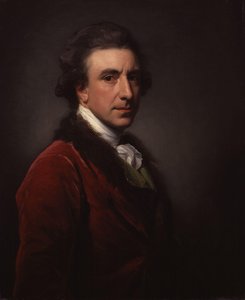
Sir Nathaniel Dance Holland
1735 - 1811 , Reino Unido
Datos clave
- Artistas Que Influyeron: ['Dutch Masters']
- Estilo Artístico: Retratos marítimos
- Fecha De Fallecimiento: 25 de marzo de 1811
- Fecha De Nacimiento: 20 de junio de 1748
- Lugar De Nacimiento: Londres, Reino Unido
- Movimiento Artístico: Dutch Golden Age
- Nacionalidad: Británico
- Nombre Completo: Sir Nathaniel Dance Holland
- Obras Notables: ['Sir William Fordyce']
Artículos relacionados
Sir Joshua Reynolds: Las 25 Obras Maestras del Retrato Inglés | ArtsDot
Descubre las 25 obras maestras de Sir Joshua Reynolds, el pintor inglés que elevó el retrato a la categoría de arte. Explora su técnica clásica, estilo rococó y significado histórico en ArtsDot.com. ¡Encuentra reproducciones de alta calidad para tu hogar!
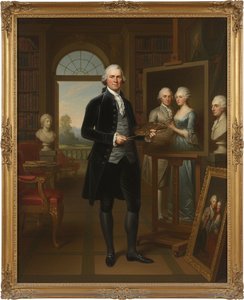
Sir Nathaniel Dance-Holland: Portraiture, Patronage & Georgian Identity
Explore the life & art of Sir Nathaniel Dance-Holland, a leading Georgian portraitist. Discover his masterful technique, influential patrons, and lasting impact on 18th-century British society. A guide for discerning collectors.

John Singer Sargent: Las 25 Obras Maestras del Retrato y la Belle Époque | ArtsDot
Descubre las 25 obras maestras de John Singer Sargent, el maestro del retrato y la Belle Époque. Explora su técnica impresionista, historias fascinantes y encuentra reproducciones de arte exclusivas para decorar tu hogar con elegancia en ArtsDot.com.
Alfred Munnings: Las 25 Obras Maestras del Pintor de Caballos | ArtsDot
Descubre las 25 obras maestras de Alfred Munnings, el pintor británico de caballos por excelencia. Explora su impresionismo inglés, escenas campestres y técnica única. Encuentra reproducciones de arte de alta calidad en ArtsDot.com.

John Constable: Las 25 Obras Maestras del Paisaje Inglés | ArtsDot
Descubre las 25 obras maestras de John Constable, el pintor romántico inglés que capturó la belleza del paisaje. Explora su técnica, historia y significado en ArtsDot.com. Reproducciones de arte de alta calidad para tu hogar.