 Ver en contexto
 Enviar
 Compartir
 Detalles

 Descargar
 Similares
 Radiografía
 Presentación de diapositivas
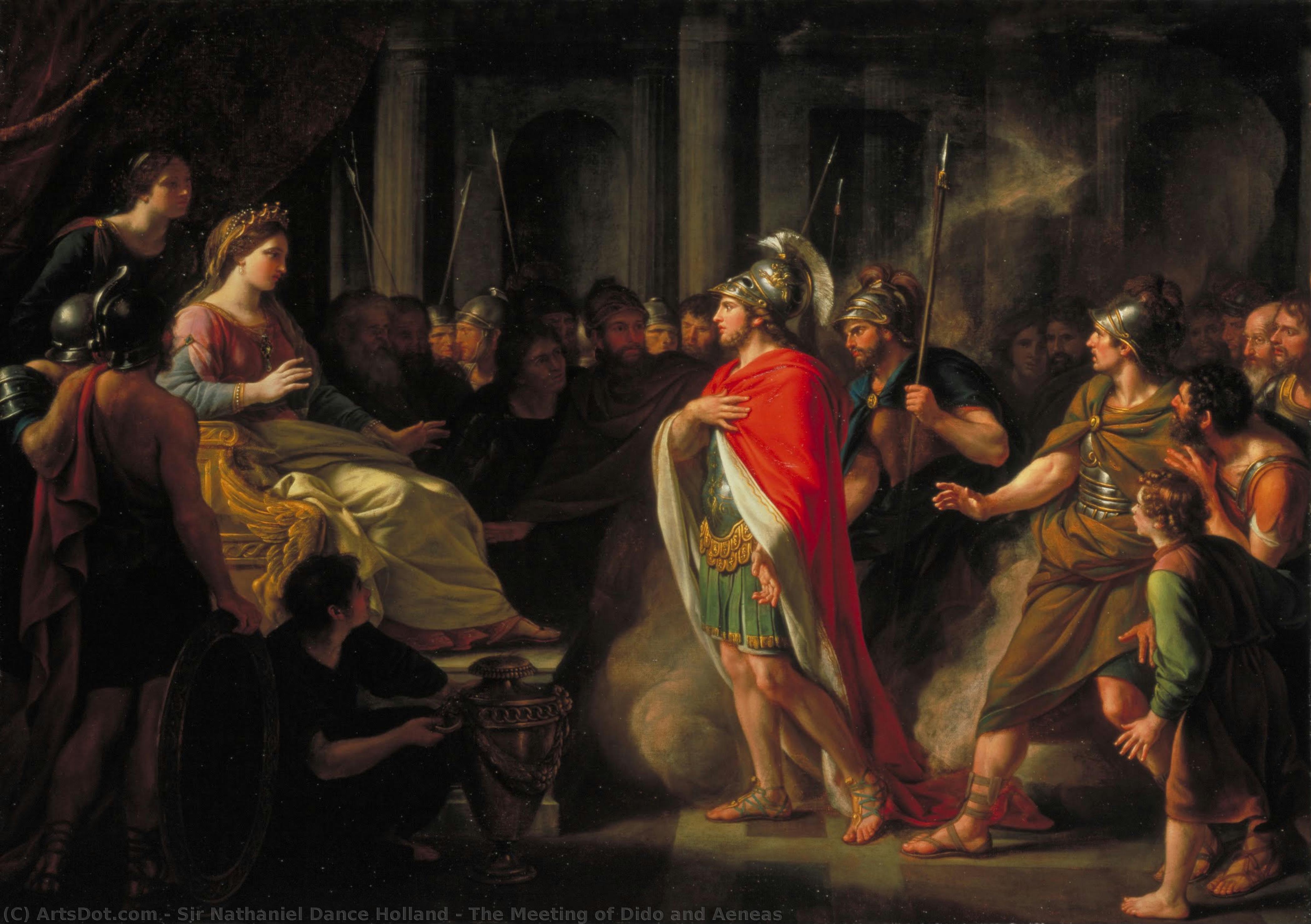
The Meeting of Dido and Aeneas
 Oil On Canvas
- WallArt
- Neoclassical Art
 1766
1766- Early Modern
 71.0 x 12.0 cm
 Tate Britain
 Ver más
Giclée / Impresión de arte
Impresiones giclée o en lienzo de calidad de museo con producción rápida y opciones de acabado flexibles. ( Comprar pintura hecha a mano Comprar imagen)




P118B $10

P118H $10

P118W $10

P438Z $10

P508JH $12

P508YH $12

P805H $10

P805Z $10

P919BZ $10

P919G $10

P919XJ $10

P959ZH $10

P968JZ $12

W106C $8

W218G $10

W218JH $8

W218Y $10

W307PJ $10

W316G $10

W316PJ $8

W316Y $10

W398PJ $8

W4111J $10

W500HY $15

W500JH $15

W692G $12

W849H $8

W940BG $15

W953PJ $8




Elija entre nuestros tamaños predefinidos que respetan las proporciones originales de la obra.

Puede introducir sus propias dimensiones para adaptarse a un marco o espacio específico. Si el tamaño seleccionado no coincide con las proporciones de la imagen original, recortaremos la obra de arte o extenderemos la imagen con un borde con efecto espejo o de color sólido. Se enviará una maqueta digital para su aprobación antes de que comience la producción.
Tenga en cuenta que la vista previa en pantalla no refleja el recorte o la extensión real. Solo la maqueta mostrará con precisión la composición final.
Aunque existen tamaños personalizados, recomendamos seleccionar una dimensión de la lista predefinida para preservar las proporciones originales.
Envío a todo el mundo () en 2 semanas en lugar de las 4/5 semanas estándar. (30 agosto)

Envío exprés gratuito a todo el mundo

Lienzo de lino de alta calidad

Seguro de envío total

Garantía de reembolso de impuestos aduaneros

Garantía de fidelidad cromática exacta

Política de devolución de 60 días (solo por defectos)

Garantía de devolución del 100% del dinero

Descuento por cantidad
 La opción de vidrio solo está disponible en tamaños inferiores a 110 cm.

The Meeting of Dido and Aeneas
Giclée / Impresión de arte
Dimensiones de la reproducción
-


Precio total final
$ 62
A Grand Encounter in the Neoclassical Light
In the grand theater of eighteenth-century British art, few moments capture the intersection of myth and human emotion as poignantly as Sir Nathaniel Dance Holland’s The Meeting of Dido and Aeneas. Completed in 1766, this monumental oil on canvas serves as a breathtaking window into the classical soul of the Enlightenment. The painting transports the viewer to the shores of ancient Carthage, where the legendary Queen Dido awaits the arrival of the Trojan hero, Aeneas. It is not merely a depiction of a historical or mythological event; it is a masterclass in narrative tension, capturing that fleeting, fateful instant when two destinies collide under the watchful eyes of a royal court.
Holland, a founding member of the Royal Academy, utilizes a stage-like composition to heighten the drama. The central figures are bathed in a focus that demands attention: Dido, draped in regal, heavy robes and adorned with the shimmering jewelry of her station, stands in profound dialogue with Aeneas. He appears as the quintessential Roman soldier, his presence marked by the ruggedness of a man who has survived perilous voyages and the scars of battle. Around this central pair, a meticulously arranged hierarchy of attendants and dignitaries creates a sense of ceremonial gravity, ensuring that the viewer feels the weight of the political and personal stakes involved in this encounter.
The Virtuosity of Technique and Classical Order
To behold this work is to witness the precision of a true virtuoso. Holland’s technique is characterized by an exquisite attention to detail that breathes life into every texture. Through the sophisticated use of glazing—the application of thin, translucent layers of paint—the artist achieves a luminous quality that seems to radiate from within the canvas itself. This method allows for a breathtaking rendering of light reflecting off silk, the cold glint of armor, and the soft, atmospheric depth of the background, creating a sense of three-dimensional space that draws the eye irresistibly toward the protagonists.
The painting is a triumph of Neoclassical principles, where clarity and balance reign supreme. Unlike the more exuberant and chaotic Baroque style, Holland employs a structured perspective to establish order amidst the emotional intensity of the scene. Every brushstroke serves the purpose of reinforcing the hierarchical visual order, guiding the observer through the crowded court toward the heart of the drama. For the collector or interior designer, this balance makes the piece an extraordinary focal point; it possesses the rare ability to command a room with its historical grandeur while maintaining a sophisticated, disciplined elegance that complements refined decor.
A Legacy of Emotion and Timeless Elegance
Beyond the technical mastery lies the profound emotional resonance of Virgil’s epic tale. The painting captures the bittersweet essence of the Aeneid—the promise of connection shadowed by the inevitability of tragedy. There is a palpable sense of longing and gravity in the way the figures interact, inviting the viewer to contemplate themes of duty, love, and fate. This emotional depth ensures that the artwork remains much more than a historical document; it is a living piece of storytelling.
For those seeking to adorn a space with art that inspires contemplation and prestige, The Meeting of Dido and Aeneas offers an unparalleled opportunity. Whether as a centerpiece in a formal library or a sophisticated addition to a contemporary gallery wall, a high-quality reproduction of this masterpiece brings with it the intellectual weight of the Enlightenment and the timeless beauty of classical mythology. It is an investment in culture, a tribute to the enduring power of the human narrative, and a stunning testament to the brilliance of Sir Nathaniel Dance Holland.
Obras relacionadas

Biografía del artista
Primeros años y carrera
Sir Nathaniel Dance Holland, oficial británico de la Honorable Compañía de las Indias Orientales, nació en Londres el 20 de junio de 1748. Su vida tomó un giro interesante cuando su padre, James Dance, abandonó a la familia para dedicarse a una carrera como actor y dramaturgo. Esto llevó a que el joven Nathaniel fuera criado por su abuelo paterno, George Dance el Anciano, un arquitecto prominente de la ciudad de Londres.Ascenso en la jerarquía
La carrera marítima de Nathaniel comenzó bajo el patrocinio de Nathaniel Smith, un alto funcionario de la Honorable Compañía de las Indias Orientales. Para 1780, Dance había realizado ocho viajes a India, así como uno al Mediterráneo y otro a las Indias Occidentales. Su noveno viaje resultó ser crucial, ya que fue capturado por una flota combinada español-francesa durante la acción del 9 de agosto de 1780.Heroísmo en las Guerras Napoleónicas
El mayor logro de Dance llegó durante las Guerras Napoleónicas, cuando, como comodoro de una de las flotas de la compañía, se encontró con una escuadra francesa bajo el mando del contralmirante Comte de Linois. A través de una hábil navegación y tácticas agresivas, Dance engañó a los franceses haciéndoles creer que el convoy británico estaba escoltado por poderosas fuerzas navales. Esto llevó a que los franceses decidieran no atacar, y Dance posteriormente los persiguió a pesar de una disparidad significativa en la fuerza.Legado y vida posterior
El heroísmo de Dance le valió una caballería y una recompensa sustancial. Pasó sus últimos años en una cómoda jubilación, falleciendo el 25 de marzo de 1811. Aunque es conocido principalmente por sus hazañas marítimas, el legado de Dance se extiende también al mundo del arte, con varias de sus obras expuestas en ArtsDot.com, una plataforma que ofrece reproducciones de alta calidad de famosas obras de arte.- Vea la obra de Sir Nathaniel Dance Holland en ArtsDot: https://ArtsDot.com/@/sir_nathaniel_dance_holland
- Explore el movimiento artístico de la Edad de Oro Neerlandesa, que influyó en el estilo artístico de Dance: el movimiento artístico de la Edad de Oro Neerlandesa
- Descubra más sobre George Dance el Anciano en Wikipedia: George Dance
Influencias Artísticas
El estilo de Dance Holland muestra una clara influencia de la Edad de Oro Neerlandesa, particularmente en su enfoque en el retrato y la representación precisa de detalles como vestimenta y accesorios. Se puede observar una atención meticulosa al detalle y un realismo que recuerda a los maestros holandeses del siglo XVIII. Además, su formación inicial bajo la tutela de artistas británicos influyó en su técnica pictórica, combinando elementos clásicos con un enfoque más moderno y dinámico.Desarrollo Artístico y Obras Destacadas
Dance Holland se especializó principalmente en retratos, capturando a menudo figuras prominentes de la sociedad británica y colonial. Sus obras se caracterizan por una composición equilibrada, una iluminación sutil y una representación fiel de los personajes retratados. Entre sus obras más destacadas se encuentran retratos de oficiales navales, miembros de la nobleza y personalidades influyentes de la Compañía de las Indias Orientales. Su habilidad para capturar la personalidad y el carácter de sus modelos lo convirtió en un artista muy solicitado durante su época. Un ejemplo notable es el retrato de Sir William Fordyce, que ejemplifica su maestría en la representación de figuras militares y su capacidad para transmitir elegancia y distinción.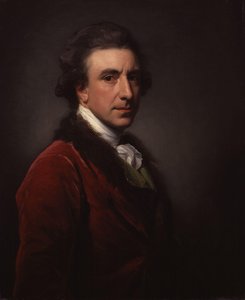
Sir Nathaniel Dance Holland
1735 - 1811 , Reino Unido
Datos clave
- Artistas Que Influyeron: ['Dutch Masters']
- Estilo Artístico: Retratos marítimos
- Fecha De Fallecimiento: 25 de marzo de 1811
- Fecha De Nacimiento: 20 de junio de 1748
- Lugar De Nacimiento: Londres, Reino Unido
- Movimiento Artístico: Dutch Golden Age
- Nacionalidad: Británico
- Nombre Completo: Sir Nathaniel Dance Holland
- Obras Notables: ['Sir William Fordyce']
Artículos relacionados
Neoclasicismo: 10 Obras Maestras que Definieron un Estilo Eterno |
Descubre las 10 obras maestras del Neoclasicismo con . Explora la historia de David, Ingres y Canova, su técnica y el legado de este estilo eterno. Reproducciones de arte de museo para tu hogar. ¡Explora la colección online!

El Renacimiento de la Antigüedad: Explorando los Ideales y el Legado Duradero del Arte Neoclásico
Descubre el Neoclasicismo: su historia, características clave y legado artístico. Explora la influencia de la antigüedad greco-romana en la pintura, escultura y arquitectura con ArtsDot.

The Revival of Antiquity: Exploring the Neoclassical Movement & its Enduring Legacy
Explore the revival of classical art with our deep dive into Neoclassicism! Discover key artists like Jacques-Louis David, Enlightenment influences & lasting impact on art history. High-quality reproductions at ArtsDot.

The Enduring Legacy of Neoclassical Art: Order, Reason & Antiquity's Revival
Explore the enduring legacy of Neoclassical art! Discover masterpieces by David, Girodet & Garnier. Expert analysis, custom reproductions & art appraisal at ArtsDot.
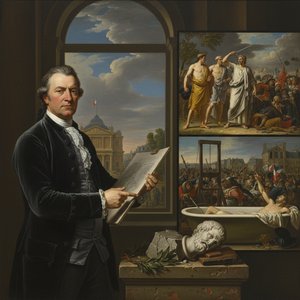
Jacques-Louis David: Neoclassical Ideals & Revolutionary Witness
Explore the life & art of Jacques-Louis David, leading Neoclassical painter of the French Revolution. Discover iconic works like 'The Death of Marat' and his lasting impact on art history. Expert analysis & high-quality reproductions at ArtsDot.