

 Ver en contexto
 Enviar
 Compartir
 Detalles

 Descargar
 Similares
 Radiografía
 Presentación de diapositivas
 Estadísticas
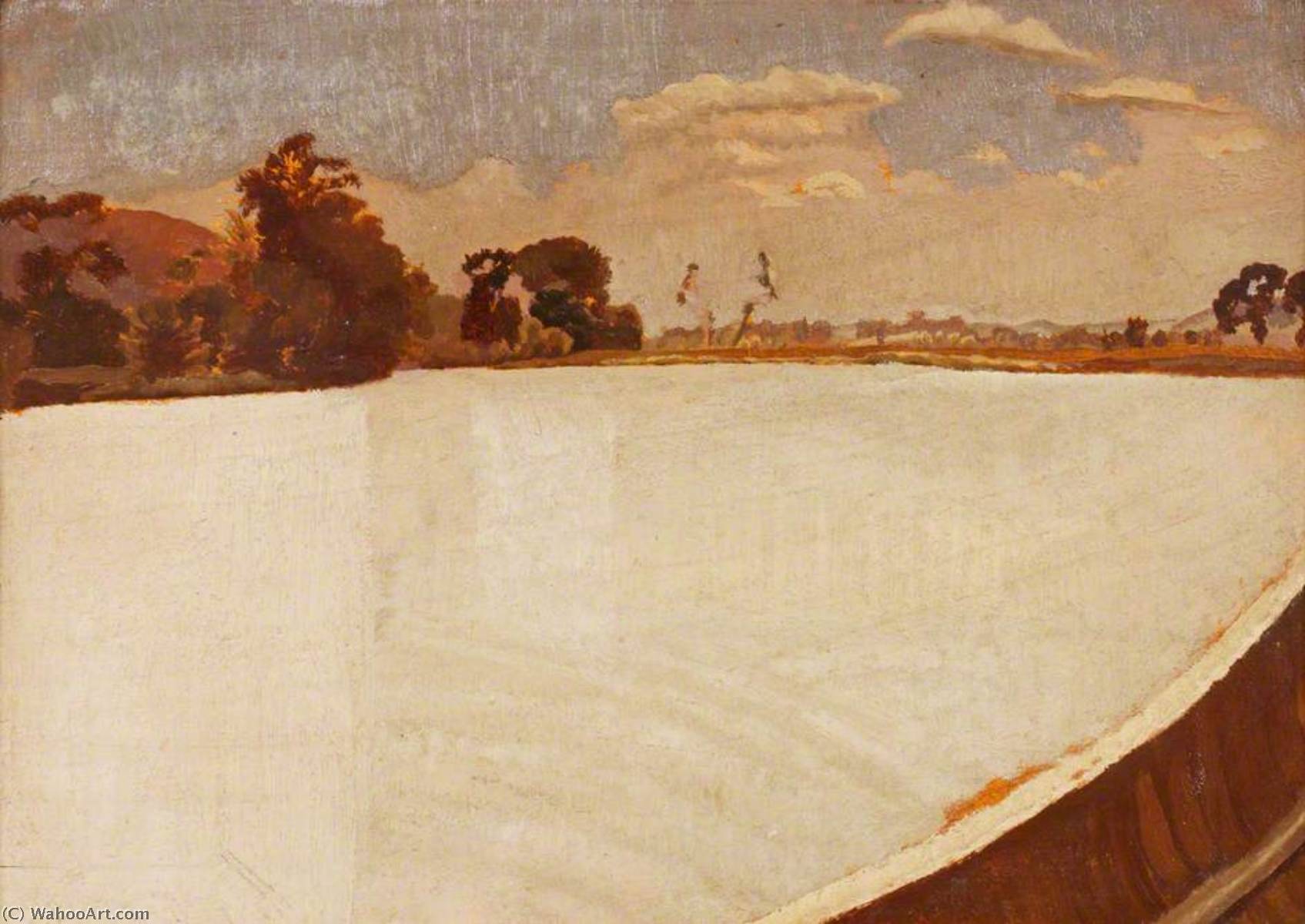
Bourne End Looking towards Marlow
 Oil
Oil- WallArt
- Pre-Raphaelite
 1921
1921- Modern
 23.0 x 33.0 cm
 Colección de Arte del Gobierno
 Ver más
Adquiera una imagen digital de alta resolución y optimizada, muy superior a la vista previa en línea.
Cada archivo es preparado meticulosamente por nuestros especialistas internos mediante el uso de herramientas avanzadas y un experto retoque manual. Nos aseguramos de que cada imagen posea una claridad excepcional, una precisión cromática impecable y un detalle minucioso.
El archivo final se entrega por correo electrónico en un plazo de 72 horas, optimizado para su uso inmediato en entornos profesionales, editoriales y de impresión. Esta es la misma calidad en la que confían los estudios de diseño, las editoriales y las galerías de primer nivel.
Imagen Digital
Descarga un archivo de alta resolución para exhibición personal, impresión y proyectos creativos. ( Cambiar a Impresión Comprar pintura hecha a mano)
Incluido en cada pedido de imágenes digitales
Entrega digital experta, garantizada.
Al elegir ArtsDot.com, no solo está adquiriendo una imagen; está recibiendo una obra de arte digital mejorada profesionalmente, elaborada con precisión y respaldada por una garantía de satisfacción. Esto es todo lo que incluye su pedido, automáticamente:

Entrega rápida por email
Recibirá su archivo de imagen digital en alta resolución por correo electrónico en un plazo de 72 horas tras realizar su pedido, listo para su uso inmediato.

Archivo digital optimizado por IA
Su obra de arte se optimiza profesionalmente mediante herramientas avanzadas de IA y edición manual, garantizando el máximo detalle, claridad y precisión cromática.

Reenvío gratuito de por vida
¿Has borrado o perdido tu archivo por error? No te preocupes: te lo volveremos a enviar en cualquier momento, sin coste adicional.

Sin gastos de importación, siempre
Disfrute de su obra de arte al instante sin aduanas, aranceles ni gastos de envío; las descargas digitales siempre están libres de impuestos.

Garantía de fidelidad de color
Garantizamos que su imagen digital refleje los colores originales con la mayor fidelidad posible, mediante el uso de herramientas profesionales y gestión del color.

Garantía de satisfacción de 100 días
Si no está satisfecho con su imagen digital, la revisaremos o le reembolsaremos el 100% en un plazo de 100 días, sin preguntas.

100% Garantía de devolución de dinero
¿No está satisfecho? Obtenga un reembolso completo dentro de los 100 días posteriores a la recepción de su archivo digital, sin preguntas.

Descuentos por pedidos grandes
Compra 3 imágenes, ahorra 10% - Compra 5, ahorra 15% - Compra 10+, ahorra 20%. Ideal para proyectos creativos, galerías y agencias.
A Serene Vision of the Thames: The Spirit of Bourne End
In the gentle light of 1921, Sir Stanley Spencer captured a moment of profound stillness in his masterpiece, Bourne End Looking towards Marlow. This exquisite landscape serves as more than just a topographical record of the River Thames; it is an invitation into a world where the boundaries between the earthly and the divine begin to blur. The painting presents a lush, verdant riverbank where the water flows with a rhythmic, quiet grace, mirroring the tranquility of the English countryside. Through his masterful use of composition, Spencer directs the eye across the shimmering surface toward distant boats that drift like silent memories upon the tide. The presence of two solitary figures—one nestled near the center-left and another poised toward the right edge—imbues the landscape with a poignant sense of human connection, suggesting that even in our quietest moments, we are part of a much larger, breathing tapestry of life.
The technique employed in this work reflects Spencer’s unique ability to marry meticulous detail with a dreamlike atmosphere. While his roots can be traced back to the precision of the Pre-Raphaelite tradition, there is an unmistakable softness here, a way in which the light seems to emanate from within the foliage and the water itself. The brushwork, though controlled, allows for a texture that feels organic and alive, capturing the subtle shifts in color from the deep greens of the riverside trees to the pale, reflective hues of the river. For the discerning collector or interior designer, this piece offers a sophisticated balance of complexity and calm, making it an ideal focal point for spaces designed to evoke contemplation and peace.
The Sacred in the Everyday: Historical and Symbolic Depth
To understand Bourne End Looking towards Marlow, one must understand the soul of its creator. Sir Stanley Spencer was a painter who famously transformed his beloved village of Cookham into a "village in heaven," finding biblical significance in the most mundane aspects of English life. In this painting, the landscape is not merely scenery; it is a sanctuary. The way the trees frame the river and the figures inhabit the space suggests a harmonious coexistence between humanity and nature, a recurring theme in Spencer’s oeuvre. The boats in the distance act as symbols of journey and transition, echoing the spiritual passage that Spencer so often explored in his larger, more overtly religious compositions.
For those looking to integrate fine art into a curated home environment, this reproduction offers an opportunity to possess a fragment of British art history. The painting’s intimate scale—a delicate 23 x 33 cm—allows it to nestle beautifully within a gallery wall or stand alone as a window into a more tranquil era. It carries with it the weight of the post-war period, a time when artists sought solace in the enduring beauty of the natural world. Owning such a piece is not merely about decoration; it is about bringing a sense of historical continuity and emotional depth into the modern living space, providing a constant, quiet reminder of the beauty found in stillness.
Obras relacionadas
Biografía del artista
Primeros años y educación
Sir Stanley Spencer, un renombrado pintor inglés, nació el 30 de junio de 1891 en Cookham, Berkshire. Era el octavo hijo sobreviviente de William y Anna Caroline Spencer (de soltera Slack). La educación temprana de Spencer tuvo lugar en casa, donde fue educado por sus hermanas Annie y Florence. Más tarde, asistió a la Slade School of Fine Art en Londres desde 1908 hasta 1912, bajo la tutela de Henry Tonks.Carrera artística
La carrera artística de Spencer cobró impulso poco después de dejar la Slade School of Art. Se hizo conocido por sus pinturas que representaban escenas bíblicas ambientadas en Cookham, un pequeño pueblo junto al río Támesis donde nació y pasó gran parte de su vida. Cookham, al que Spencer se refería como "un pueblo en el cielo", sirvió como telón de fondo para muchas de sus obras.Obras notables y estilo
El estilo de Spencer, caracterizado por su atención al detalle similar a la de los prerrafaelitas, a menudo expresaba su ferviente pero poco convencional fe cristiana. Algunas de sus obras más destacadas incluyen:- La Natividad, que ganó un premio de composición de la Slade en 1912.
- Apple Gatherers, expuesta en la primera exposición de la Sociedad Contemporánea de Arte en 1913.
- Autorretrato (1914), una obra audaz y austera que presenta a Spencer mismo, que fue comprada más tarde por el artista Henry Lamb.
Influencias y legado
El trabajo temprano de Spencer se considera una síntesis del postimpresionismo francés, ejemplificado por Paul Gauguin, y la pintura italiana temprana tipificada por Giotto. Aunque no se unió a ningún movimiento artístico, sus obras aún parecen estilísticas y experimentales, prefigurando algunos de los trabajos posteriores de Lucian Freud. Su obra también muestra influencias del arte inglés tradicional y una profunda conexión con su entorno local. Spencer exploró temas religiosos, sociales y personales en su trabajo, a menudo combinándolos de manera inusual e impactante.Obras de Spencer en museos
- El museo de la colección de arte de la Universidad del Sur de Gales, que alberga una impresionante colección de obras de arte, incluidas las de Spencer.
- La Galería de Arte Whitworth, ubicada en Manchester, Reino Unido, que presenta una vasta colección de obras maestras pictóricas de varios artistas y movimientos.
Otros artistas relacionados
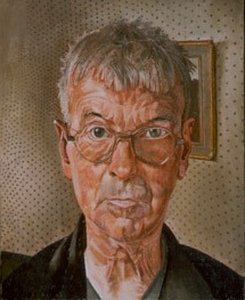
Sir Stanley Spencer
1891 - 1959 , Reino Unido
Breves datos
- Artistas Que Influyeron:
- Paul Gauguin
- Giotto
- Estilo Artístico: Pre-Rafaelita, Post-Impresionismo
- Fecha De Muerte: 14 de diciembre de 1959
- Fecha De Nacimiento: 30 de junio de 1891
- Influenciado A Artistas: ['Lucian Freud']
- Lugar De Nacimiento: Cookham, Reino Unido
- Nacionalidad: Británico
- Nombre Completo: Sir Stanley Spencer
- Obras Notables:
- La Natividad
- Apple Gatherers
- Autorretrato (1914)