 Ver en contexto
 Enviar
 Compartir
 Detalles

 Descargar
 Similares
 Radiografía
 Presentación de diapositivas
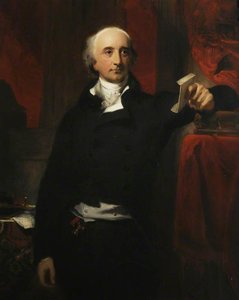
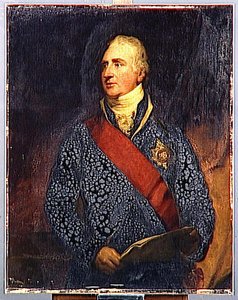
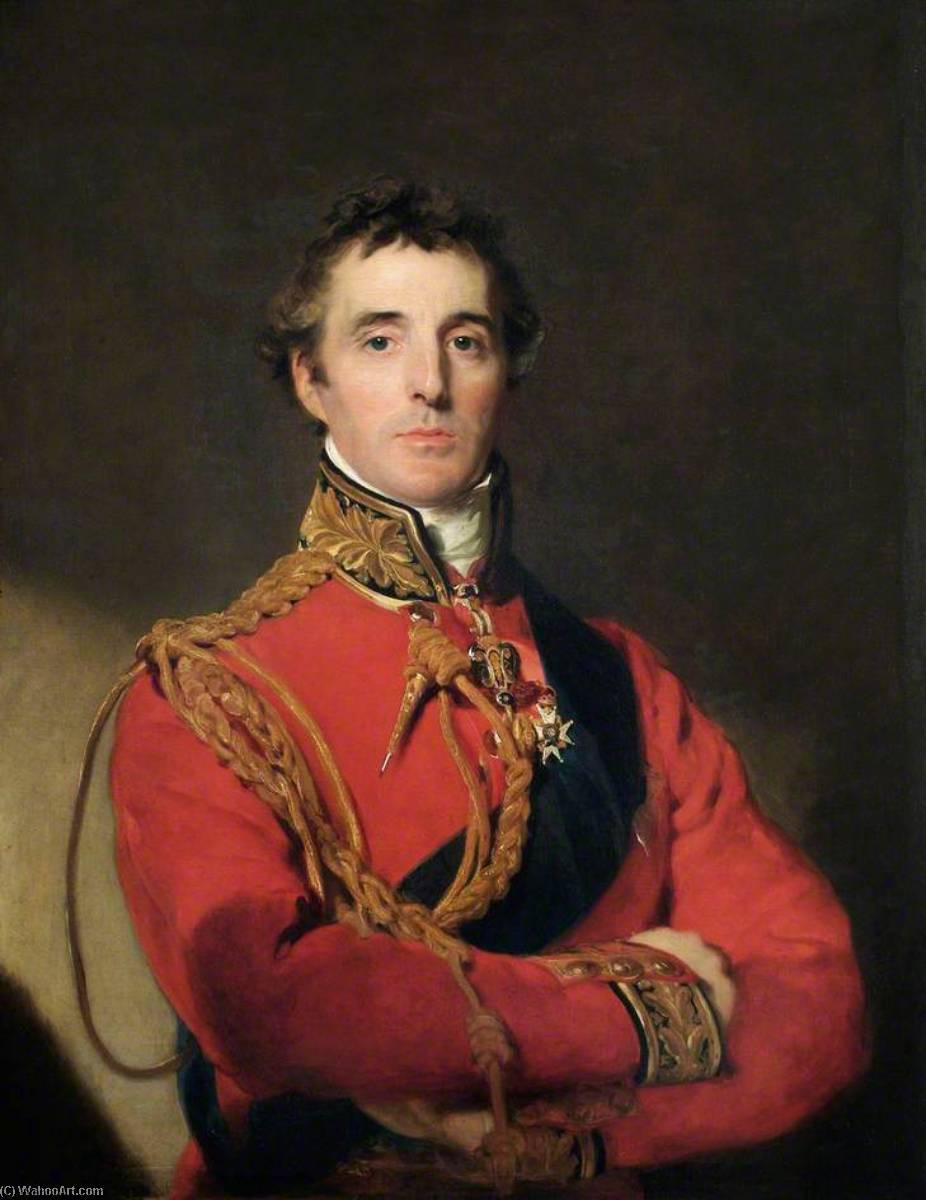
Arthur Wellesley (1769–1852), 1st Duke of Wellington
 Óleo sobre lienzo
- Arte de pared
- Romanticism
 1816
1816 92.0 x 71.0 cm
 English Heritage
 Ver más
Reproducción al óleo hecha a mano
Óleo sobre lienzo pintado a mano en el tamaño y marco de su elección, realizado por encargo por nuestros artistas. ( Comprar impresión Comprar imagen)




P118B $10

P118H $10

P118W $10

P438Z $10

P508JH $12

P508YH $12

P805H $10

P805Z $10

P919BZ $10

P919G $10

P919XJ $10

P959ZH $10

P968JZ $12

W106C $8

W218G $10

W218JH $8

W218Y $10

W307PJ $10

W316G $10

W316PJ $8

W316Y $10

W398PJ $8

W4111J $10

W500HY $15

W500JH $15

W692G $12

W849H $8

W940BG $15

W953PJ $8




Elija entre nuestros tamaños predefinidos que respetan las proporciones originales de la obra.

Puede ingresar sus propias dimensiones para adaptarse a un marco o espacio específico. Si el tamaño seleccionado no coincide con las proporciones de la imagen original, recortaremos la obra o extenderemos la pintura con elementos adicionales pintados a mano. Se le enviará una maqueta digital para su aprobación antes de comenzar la producción.
Tenga en cuenta que la vista previa en pantalla no refleja el recorte o la extensión reales. Solo la maqueta mostrará con precisión la composición final.
Si bien existen tamaños personalizados, recomendamos seleccionar una dimensión de la lista predefinida para preservar las proporciones originales.
Tras realizar el pedido, el equipo de ArtsDot.com enviará un correo electrónico al cliente para solicitar instrucciones y proporcionarle una vista previa del boceto.
Envío a todo el mundo () en 3-4 semanas en lugar de las 5 semanas estándar. (31 agosto). Sin comprometer la calidad.

Envío exprés gratuito a todo el mundo

Lienzo de lino de alta calidad

Seguro de envío total

Garantía de reembolso de impuestos aduaneros

Garantía de fidelidad cromática exacta

Política de devolución de 60 días (solo por defectos)

Garantía de devolución del 100% del dinero

Descuento por cantidad
 La opción de vidrio solo está disponible en tamaños inferiores a 110 cm.

Arthur Wellesley (1769–1852), 1st Duke of Wellington
Técnica de reproducción
Dimensiones de la reproducción
-


Precio total final
$ 263
A Brushstroke of Regency Splendor: The Life and Art of Sir Thomas Lawrence
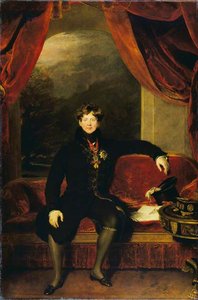
Sir Thomas Lawrence emerged as a prodigious talent during the opulent Regency era (1811–1820), captivating audiences not merely with his artistic skill but also with an entrepreneurial spirit that underpinned his remarkable career. Born amidst the bustling port city of Bristol in 1769, he defied conventional expectations for a young man of modest means, embarking on a nomadic existence fuelled by innate ability and keen observation—a path that ultimately led him to Bath where he honed his craft as a pastel portraitist while supporting his family. This early independence fostered a self-reliance that would characterize his entire artistic journey, even as he navigated the complexities of London society and established himself as one of Britain’s foremost artists. Lawrence's distinctive style—characterized by meticulous detail, luminous color palettes, and an uncanny ability to capture psychological nuance—quickly gained acclaim, securing commissions from influential figures across the social spectrum.- Subject Matter: The portrait depicts Arthur Wellesley, 1st Duke of Wellington, a celebrated military commander who had spearheaded Britain’s victory over Napoleon during the Napoleonic Wars. Lawrence aimed to portray Wellington not just as a warrior but also as a statesman—a figure embodying honor, dignity, and unwavering resolve.
- Style: Lawrence's artistic approach embraced Neoclassical ideals, blending classical influences with Romantic sensibilities. He skillfully employed chiaroscuro—the dramatic interplay of light and shadow—to sculpt Wellington’s form and convey an aura of solemn grandeur.
- Technique: Executed in oil on canvas, the painting demonstrates Lawrence's mastery of layering pigments to achieve remarkable tonal richness and textural depth. His meticulous brushwork captures every nuance of Wellington’s facial expression and posture, conveying a profound sense of composure and authority.
Historical Context: Triumph Over Napoleon
The commission for this portrait arose from the fervor surrounding Wellington's decisive victory at Waterloo in 1815—a pivotal moment that secured Britain’s dominance on the European continent and cemented Wellington’s reputation as a military genius. Lawrence was tasked by George IV, the Prince Regent who ruled in place of his ailing father King George III, to create a pantheon of heroic figures representing Britain's triumphs during the Napoleonic Wars—a project intended to bolster national pride and commemorate the achievements of those who had defended the monarchy’s interests. Alongside Wellington, Lawrence painted portraits of prominent diplomats and statesmen, reflecting the broader cultural landscape of the era—one characterized by aristocratic patronage and a fervent belief in classical ideals.Symbolism: Honors and Dignity
Lawrence meticulously incorporated symbolic elements into the composition to elevate Wellington’s stature and convey his accomplishments. The Duke wears the Order of the Garter, the Order of the Golden Fleece, and the Order of the Bath—honors bestowed upon him for distinguished service to the Crown and symbolizing his unwavering loyalty to the monarchy. His gaze is directed off into the distance, suggesting contemplation and introspection—a characteristic that underscores Wellington’s inner strength and moral fortitude. Furthermore, the inclusion of Copenhagen—Wellington's horse—represents military prowess and symbolizes victory itself.Emotional Impact: Portraiture as Propaganda
Ultimately, Lawrence’s portrait transcends mere visual representation; it serves as a powerful statement about Wellington’s character and achievements—a deliberate effort to inspire admiration and bolster morale during a period of political uncertainty. The painting's luminous colors and dramatic lighting evoke a sense of majesty and grandeur, conveying Wellington’s unwavering conviction in upholding British values and defending the nation’s honor. It remains an enduring testament to Lawrence’s artistic skill and his role as a propagandist for the monarchy—a masterpiece that continues to captivate viewers with its evocative portrayal of heroism and dignity.Obras relacionadas

Biografía del artista
Primeros Años y Educación
- Nacimiento: Bristol, Reino Unido, 13 de abril de 1769
- Fallecimiento: Londres, 7 de enero de 1830
- Padres: Thomas Lawrence (supervisor de rentas) y Lucy Read.
- Primer Talento: Demostró un prodigioso talento artístico desde una edad temprana, comenzando a dibujar alrededor de los diez años.
- Autodidacta: En gran medida autodidacta, aunque recibió alguna instrucción en francés y latín.
- Apoyo Familiar: Inicialmente apoyó a su familia con retratos pastel mientras vivía en Bath.
- Mudanza a Londres: Se mudó a Londres a la edad de 18 años y rápidamente estableció una reputación como retratista.
Carrera y Desarrollo Artístico
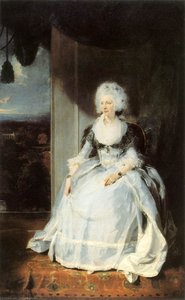
- Primeras Comisiones: Recibió su primera comisión real, un retrato de la Reina Charlotte, en 1789.
- Afiliación a la Royal Academy: Se convirtió en Asociado de la Royal Academy en 1791 y miembro titular en 1794.
- Presidente de la Royal Academy: Sirvió como Presidente de la Royal Academy desde 1820.
- Retratos de la Cámara de Waterloo: Fue comisionado para pintar retratos de líderes aliados para la Cámara de Waterloo en Windsor Castle, mostrando su habilidad y obteniendo reconocimiento internacional.
- Estilo y Técnica: Conocido por su capacidad para capturar rasgos faciales y su virtuosismo al manejar la pintura. Influenciado por Sir Joshua Reynolds. Su estilo evolucionó poco a lo largo de su carrera.
- Temática: Se centró principalmente en el retrato, representando a la nobleza, la realeza y figuras prominentes de la época del Regencia.
Logros Destacados y Reconocimiento
- Retratista más de moda: Fue considerado uno de los retratistas más de moda en Europa durante su tiempo.
- Patronazgo Real: Disfrutó del generoso patrocinio del Príncipe Regente (luego Rey Jorge IV).
- Acogida Internacional: Su obra fue expuesta en el Salón de París de 1824, ganando la admiración de artistas franceses como Delacroix.
- Participación en la National Gallery: Jugó un papel en la fundación de la National Gallery y en asegurar los Mármoles de Elgin para Gran Bretaña.
- Honores: Fue nombrado caballero en 1815.
Influencias y Legado
- Sir Joshua Reynolds: Una influencia significativa en el desarrollo temprano de Lawrence como retratista.
- Antiguos Maestros: Estudió extensamente dibujos de los Antiguos Maestros, particularmente aquellos de Miguel Ángel y Rafael.
- Romanticismo: Su obra reflejó el glamour de la época del Regencia y se alineó con ideales artísticos románticos.
- Declive en la Era Victoriana: La reputación de Lawrence disminuyó durante el período victoriano, pero desde entonces ha sido parcialmente restaurada.
- Impacto Duradero: Sigue siendo una figura importante en la historia del arte británico, celebrado por su habilidad, encanto y capacidad para capturar la esencia de sus sujetos.
Controversias y Vida Personal
- Dificultades Financieras: A pesar de su éxito, Lawrence pasó gran parte de su vida profundamente endeudado.
- Relaciones Complejas: Tuvo relaciones tortuosas con Sally y Maria Siddons.
- Conexiones de los Retratados: Sus retratados incluyeron tanto a dueños de esclavos como a abolicionistas, reflejando el complejo panorama social de su época.
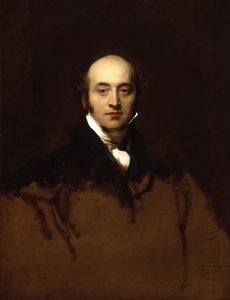
Sir Thomas Lawrence
1769 - 1830 , Reino Unido
Datos clave
- Artistas Que Influyeron: ['Sir Joshua Reynolds']
- Fecha De Fallecimiento: 7 de enero de 1830
- Fecha De Nacimiento: 13 de abril de 1769
- Lugar De Nacimiento: Bristol, Reino Unido
- Movimiento Artístico: Retrato del período Regencia
- Nacionalidad: Británico
- Nombre Completo: Sir Thomas Lawrence
- Obras Notables:
- Retrato de la Reina Charlotte
- Retratos de la Cámara de Waterloo
Artículos relacionados
Sir Thomas Lawrence: Portraiture, Power & Regency Society's Aesthetics
Explore the captivating world of Sir Thomas Lawrence, Regency England's premier portraitist. Discover his artistic techniques, powerful representations of society, and enduring legacy. Expert insights for discerning art collectors.
Thomas Phillips: Portraiture, Patronage & the Rise of Victorian Society Art
Explore the life & work of Thomas Phillips (1770-1845), a leading Victorian portrait painter renowned for his captivating portrayals of Britain's 'men of genius'. Discover his artistic journey, patronage, and lasting legacy.
The Enduring Legacy of Formal Portraiture: Power, Identity & Artistic Exploration
Explore the rich history of formal portraiture & its enduring power to capture identity and shape perception. Discover investment-worthy artworks, expert appraisals, and custom reproduction services at ArtsDot.
Thomas Hudson: A Study in 18th-Century Portraiture & British Artistic Identity
Explore the life & work of Thomas Hudson, a leading 18th-century British portraitist. Discover his mastery of the 'Grand Manner,' influential style, and lasting impact on British art. Learn about his notable portraits like Judge William Noel & Alexander Van Aken.
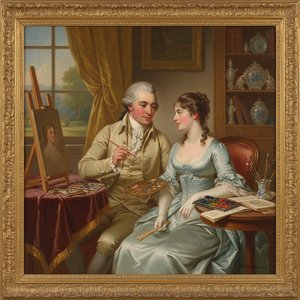
Richard Cosway: Capturing Regency Elegance & Intimacy Through Portraiture
Explore the captivating world of Richard Cosway, Regency society's celebrated portrait miniaturist. Discover his exquisite art, aristocratic patrons & lasting legacy with ArtsDot.