 Vista previa
 Compartir
 Compartir
 Ver detalles

 Descargar
 Ver similares
 Radiografía
 Presentación de diapositivas
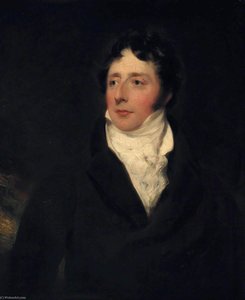
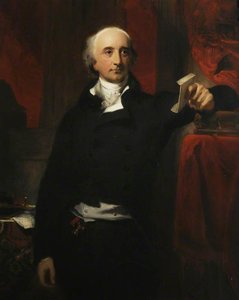
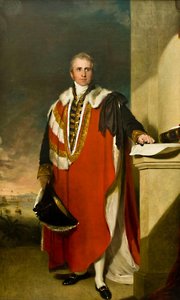
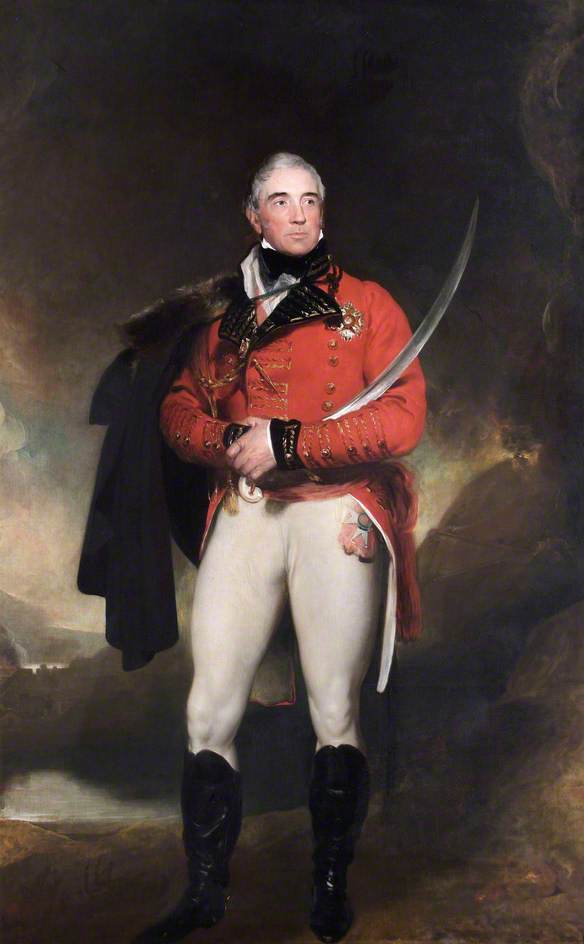
Thomas Graham (1748–1843), Lord Lynedoch, GCB, GCMG
 Oil On Canvas
- WallArt
- Regency Portraiture
 1830
1830 236.0 x 146.0 cm
 English Heritage
 Leer más
Reproducción al óleo hecha a mano
Óleo sobre lienzo pintado a mano en el tamaño y marco de su elección, realizado por encargo por nuestros artistas. ( Pedir impresión Comprar descarga)




P118B $10

P118H $10

P118W $10

P438Z $10

P508JH $12

P508YH $12

P805H $10

P805Z $10

P919BZ $10

P919G $10

P919XJ $10

P959ZH $10

P968JZ $12

W106C $8

W218G $10

W218JH $8

W218Y $10

W307PJ $10

W316G $10

W316PJ $8

W316Y $10

W398PJ $8

W4111J $10

W500HY $15

W500JH $15

W692G $12

W849H $8

W940BG $15

W953PJ $8




Elija entre nuestros tamaños predefinidos que respetan las proporciones originales de la obra.

Puede ingresar sus propias dimensiones para adaptarse a un marco o espacio específico. Si el tamaño seleccionado no coincide con las proporciones de la imagen original, recortaremos la obra o extenderemos la pintura con elementos adicionales pintados a mano. Se le enviará una maqueta digital para su aprobación antes de comenzar la producción.
Tenga en cuenta que la vista previa en pantalla no refleja el recorte o la extensión reales. Solo la maqueta mostrará con precisión la composición final.
Si bien existen tamaños personalizados, recomendamos seleccionar una dimensión de la lista predefinida para preservar las proporciones originales.
Tras realizar el pedido, el equipo de ArtsDot.com enviará un correo electrónico al cliente para solicitar instrucciones y proporcionarle una vista previa del boceto.
Envío a todo el mundo () en 3-4 semanas en lugar de las 5 semanas estándar. (22 agosto). Sin comprometer la calidad.

Envío exprés gratuito a todo el mundo

Lienzo de lino de alta calidad

Seguro de envío completo

Garantía de reembolso de aranceles aduaneros

Garantía de fidelidad cromática exacta

Política de devolución de 60 días (solo por defectos)

Garantía de devolución del 100% del dinero

Oferta por volumen
 La opción de vidrio solo está disponible en tamaños inferiores a 110 cm.

Thomas Graham (1748–1843), Lord Lynedoch, GCB, GCMG
Técnica de reproducción
Tamaño de la reproducción
-


Precio total
$ 263
Descripción de la obra
A Regency Portrait of Distinction: Thomas Graham, Lord Lynedoch
Sir Thomas Lawrence’s captivating portrait of Thomas Graham, 1st Baron Lynedoch, offers more than just a likeness; it's a window into the character and ambitions of a pivotal figure in British military and political history. Painted in 1830, this oil-on-canvas masterpiece embodies the elegance and restrained power characteristic of Regency portraiture, capturing not merely a man’s appearance but also his bearing and inner strength. The painting resides within the National Portrait Gallery's collection, a testament to Lawrence’s enduring legacy as one of Britain’s most celebrated artists.
Lawrence’s style is immediately recognizable – a masterful blend of meticulous detail and subtle suggestion. He employs a carefully constructed composition, placing Graham centrally within a richly textured background that speaks volumes about his status and accomplishments. The lighting, expertly rendered, highlights the subject's face and shoulders, drawing the viewer’s eye to his confident gaze. Note the precise rendering of his uniform – a testament to Lawrence’s ability to capture both the formality and the inherent dignity of military attire. The subtle use of color—the deep reds and whites of his coat contrasting with the darker tones of the background—creates a sense of depth and visual interest, while simultaneously conveying an air of authority.
A Man Forged by War and Duty
Thomas Graham’s life itself is a compelling narrative. Born in 1748, he inherited a substantial estate in Scotland but found his true calling on the battlefield. Rising through the ranks during the French Revolutionary Wars and the Napoleonic conflicts, Graham distinguished himself as a courageous officer and a skilled strategist. His military career spanned decades, culminating in the rank of Lieutenant General and later General, earning him the prestigious titles of GCB (Knight Commander of the Order of the Bath) and GCMG (Knight Grand Cross of the Order of St Michael and St George). The portrait reflects this distinguished service – the proud bearing, the commanding presence, all hallmarks of a man who had faced danger and achieved considerable success.
Beyond his military exploits, Graham was also a significant figure in British politics. He served as a Member of Parliament and held various important government positions. His political career further cemented his reputation as a respected and influential member of society. The painting subtly hints at this multifaceted life – the serious expression on his face suggests both strategic thinking and a sense of responsibility, while the overall composition projects an image of strength and leadership.
Symbolism and Context
The backdrop to the portrait is rich with symbolic detail. The muted colors and architectural elements suggest a refined country estate—reflecting Graham’s landed gentry background. The inclusion of two figures in the distance, one on the left and another further back on the right, adds a layer of narrative complexity, perhaps hinting at his family life or social connections. Even the umbrella held by one of these figures subtly references the prevailing weather conditions of the time – a common motif in Regency portraiture used to create atmosphere and suggest mood.
Painted in 1830, just a few years before Graham’s death at the age of 95, the portrait captures him at the height of his career. It stands as a remarkable record of a man who played a significant role in shaping British history – a military hero, a political leader, and a respected member of society. The painting is not merely a likeness; it’s a carefully constructed image that embodies the values and aspirations of the Regency era.
A Timeless Masterpiece for Display
Reproductions of Sir Thomas Lawrence's portrait of Thomas Graham, Lord Lynedoch, offer an exceptional opportunity to bring this captivating work of art into any setting. Its dignified presence and evocative details make it a perfect addition to formal living rooms, studies, or galleries. The painting’s rich colors and intricate detail will undoubtedly serve as a focal point, sparking conversation and admiration. Whether you are an art collector, an interior designer, or simply someone seeking a piece of history, this portrait is sure to be a treasured possession for years to come.
Obras relacionadas
Biografía del artista
Primeros Años y Educación
- Nacimiento: Bristol, Reino Unido, 13 de abril de 1769
- Fallecimiento: Londres, 7 de enero de 1830
- Padres: Thomas Lawrence (supervisor de rentas) y Lucy Read.
- Primer Talento: Demostró un prodigioso talento artístico desde una edad temprana, comenzando a dibujar alrededor de los diez años.
- Autodidacta: En gran medida autodidacta, aunque recibió alguna instrucción en francés y latín.
- Apoyo Familiar: Inicialmente apoyó a su familia con retratos pastel mientras vivía en Bath.
- Mudanza a Londres: Se mudó a Londres a la edad de 18 años y rápidamente estableció una reputación como retratista.
Carrera y Desarrollo Artístico
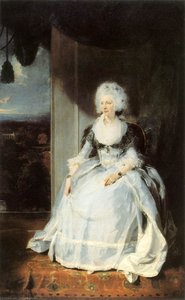
- Primeras Comisiones: Recibió su primera comisión real, un retrato de la Reina Charlotte, en 1789.
- Afiliación a la Royal Academy: Se convirtió en Asociado de la Royal Academy en 1791 y miembro titular en 1794.
- Presidente de la Royal Academy: Sirvió como Presidente de la Royal Academy desde 1820.
- Retratos de la Cámara de Waterloo: Fue comisionado para pintar retratos de líderes aliados para la Cámara de Waterloo en Windsor Castle, mostrando su habilidad y obteniendo reconocimiento internacional.
- Estilo y Técnica: Conocido por su capacidad para capturar rasgos faciales y su virtuosismo al manejar la pintura. Influenciado por Sir Joshua Reynolds. Su estilo evolucionó poco a lo largo de su carrera.
- Temática: Se centró principalmente en el retrato, representando a la nobleza, la realeza y figuras prominentes de la época del Regencia.
Logros Destacados y Reconocimiento
- Retratista más de moda: Fue considerado uno de los retratistas más de moda en Europa durante su tiempo.
- Patronazgo Real: Disfrutó del generoso patrocinio del Príncipe Regente (luego Rey Jorge IV).
- Acogida Internacional: Su obra fue expuesta en el Salón de París de 1824, ganando la admiración de artistas franceses como Delacroix.
- Participación en la National Gallery: Jugó un papel en la fundación de la National Gallery y en asegurar los Mármoles de Elgin para Gran Bretaña.
- Honores: Fue nombrado caballero en 1815.
Influencias y Legado
- Sir Joshua Reynolds: Una influencia significativa en el desarrollo temprano de Lawrence como retratista.
- Antiguos Maestros: Estudió extensamente dibujos de los Antiguos Maestros, particularmente aquellos de Miguel Ángel y Rafael.
- Romanticismo: Su obra reflejó el glamour de la época del Regencia y se alineó con ideales artísticos románticos.
- Declive en la Era Victoriana: La reputación de Lawrence disminuyó durante el período victoriano, pero desde entonces ha sido parcialmente restaurada.
- Impacto Duradero: Sigue siendo una figura importante en la historia del arte británico, celebrado por su habilidad, encanto y capacidad para capturar la esencia de sus sujetos.
Controversias y Vida Personal
- Dificultades Financieras: A pesar de su éxito, Lawrence pasó gran parte de su vida profundamente endeudado.
- Relaciones Complejas: Tuvo relaciones tortuosas con Sally y Maria Siddons.
- Conexiones de los Retratados: Sus retratados incluyeron tanto a dueños de esclavos como a abolicionistas, reflejando el complejo panorama social de su época.
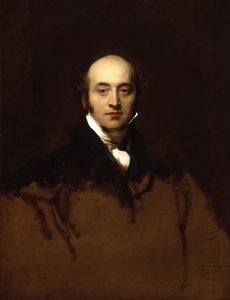
Sir Thomas Lawrence
1769 - 1830 , Reino Unido
Datos clave
- Artistas Que Influyeron: ['Sir Joshua Reynolds']
- Fecha De Fallecimiento: 7 de enero de 1830
- Fecha De Nacimiento: 13 de abril de 1769
- Lugar De Nacimiento: Bristol, Reino Unido
- Movimiento Artístico: Retrato del período Regencia
- Nacionalidad: Británico
- Nombre Completo: Sir Thomas Lawrence
- Obras Notables:
- Retrato de la Reina Charlotte
- Retratos de la Cámara de Waterloo
Artículos relacionados
Sir Joshua Reynolds: Las 25 Obras Maestras del Retrato Inglés | ArtsDot
Descubre las 25 obras maestras de Sir Joshua Reynolds, el pintor inglés que elevó el retrato a la categoría de arte. Explora su técnica clásica, estilo rococó y significado histórico en ArtsDot.com. ¡Encuentra reproducciones de alta calidad para tu hogar!
Sir Thomas Lawrence: Portraiture, Power & Regency Society's Aesthetics
Explore the captivating world of Sir Thomas Lawrence, Regency England's premier portraitist. Discover his artistic techniques, powerful representations of society, and enduring legacy. Expert insights for discerning art collectors.

Alfred Munnings: Las 25 Obras Maestras del Pintor de Caballos | ArtsDot
Descubre las 25 obras maestras de Alfred Munnings, el pintor británico de caballos por excelencia. Explora su impresionismo inglés, escenas campestres y técnica única. Encuentra reproducciones de arte de alta calidad en ArtsDot.com.
John Graham Gilbert: Rediscovering a Victorian Master of Narrative & Portraiture
Discover the captivating world of John Graham Gilbert, a Victorian master! Explore his portraits, genre scenes & illustrations. Learn about his influences, legacy & find high-quality reproductions at ArtsDot.

Grahame Sydney: Evoking Otago's Soul Through Light & Landscape
Explore the captivating landscapes of Sir Grahame Sydney, a leading New Zealand artist renowned for his magic realism & evocative depictions of Otago's beauty. Discover key works and delve into his artistic legacy.