 Ver en contexto
 Enviar
 Compartir
 Detalles

 Descargar
 Similares
 Radiografía
 Presentación de diapositivas
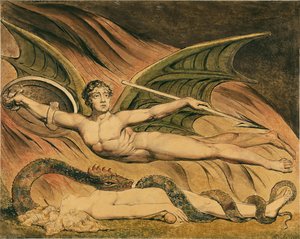
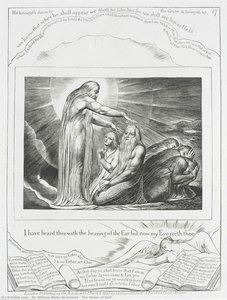
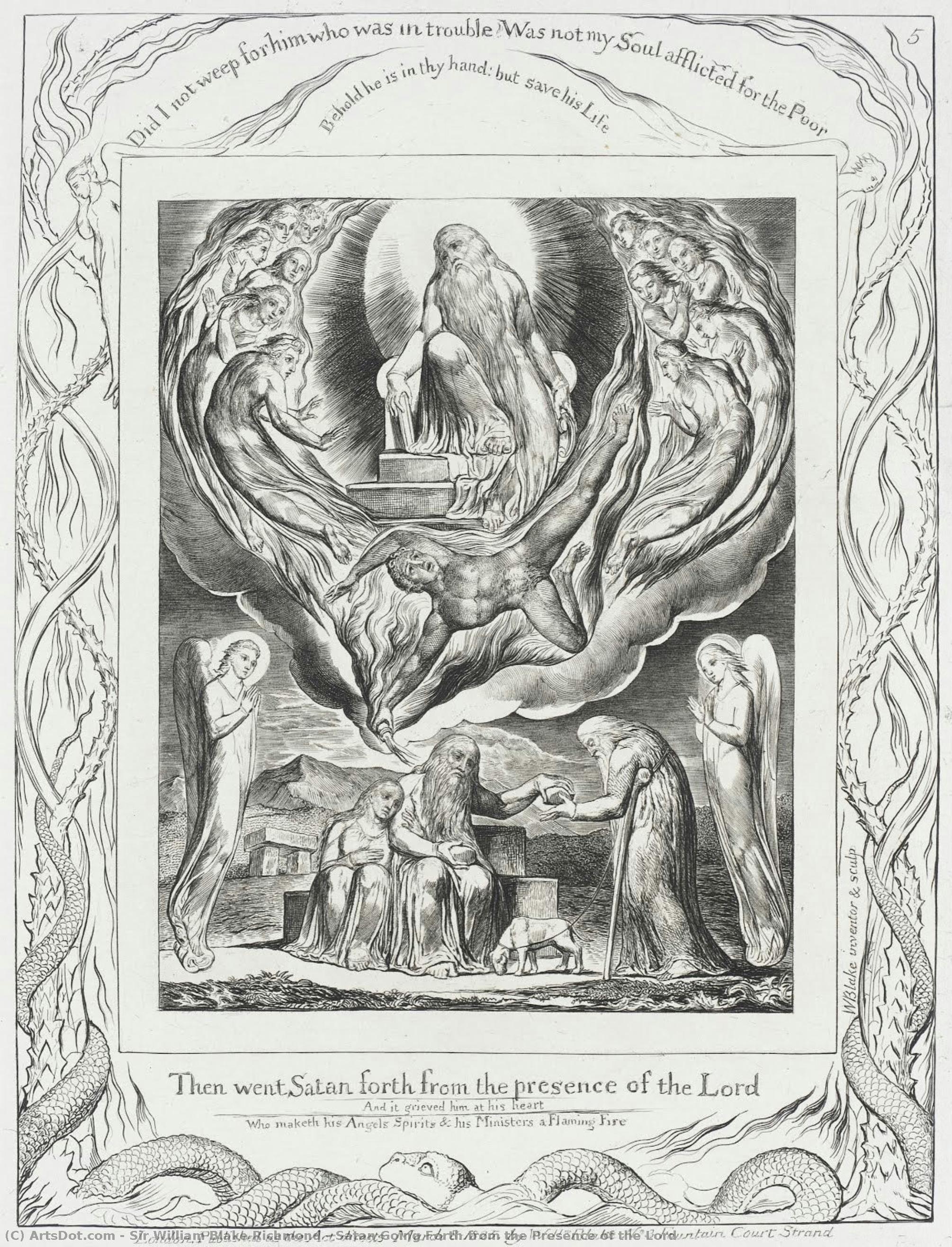
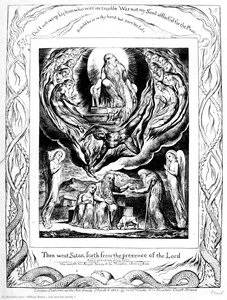
Satan Going Forth from the Presence of the Lord
 Engraving
- WallArt
- Romanticism
 1825
1825 19.0 x 14.0 cm
 Museo de Arte del Condado de Los Ángeles
 Ver más
Reproducción al óleo hecha a mano
Óleo sobre lienzo pintado a mano en el tamaño y marco de su elección, realizado por encargo por nuestros artistas. ( Comprar impresión Comprar imagen)




P118B $10

P118H $10

P118W $10

P438Z $10

P508JH $12

P508YH $12

P805H $10

P805Z $10

P919BZ $10

P919G $10

P919XJ $10

P959ZH $10

P968JZ $12

W106C $8

W218G $10

W218JH $8

W218Y $10

W307PJ $10

W316G $10

W316PJ $8

W316Y $10

W398PJ $8

W4111J $10

W500HY $15

W500JH $15

W692G $12

W849H $8

W940BG $15

W953PJ $8




Elija entre nuestros tamaños predefinidos que respetan las proporciones originales de la obra.

Puede ingresar sus propias dimensiones para adaptarse a un marco o espacio específico. Si el tamaño seleccionado no coincide con las proporciones de la imagen original, recortaremos la obra o extenderemos la pintura con elementos adicionales pintados a mano. Se le enviará una maqueta digital para su aprobación antes de comenzar la producción.
Tenga en cuenta que la vista previa en pantalla no refleja el recorte o la extensión reales. Solo la maqueta mostrará con precisión la composición final.
Si bien existen tamaños personalizados, recomendamos seleccionar una dimensión de la lista predefinida para preservar las proporciones originales.
Tras realizar el pedido, el equipo de ArtsDot.com enviará un correo electrónico al cliente para solicitar instrucciones y proporcionarle una vista previa del boceto.
Envío a todo el mundo () en 3-4 semanas en lugar de las 5 semanas estándar. (23 agosto). Sin comprometer la calidad.

Envío exprés gratuito a todo el mundo

Lienzo de lino de alta calidad

Seguro de envío total

Garantía de reembolso de impuestos aduaneros

Garantía de fidelidad cromática exacta

Política de devolución de 60 días (solo por defectos)

Garantía de devolución del 100% del dinero

Descuento por cantidad
 La opción de vidrio solo está disponible en tamaños inferiores a 110 cm.

Satan Going Forth from the Presence of the Lord
Técnica de reproducción
Dimensiones de la reproducción
-


Precio total final
$ 563
Descripción de la obra
Satan Going Forth from the Presence of the Lord: A Romantic Vision of Divine Judgment
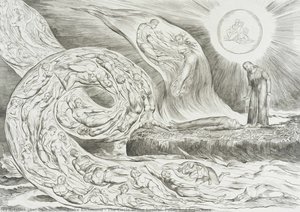
Sir William Blake Richmond’s “Satan Going Forth from the Presence of the Lord” stands as one of his most arresting achievements, a monumental engraving that encapsulates the turbulent spirit of Romanticism and wrestles with profound theological questions. Executed in 1825, it's more than just an image; it’s a carefully constructed narrative designed to provoke contemplation on themes of good versus evil, divine retribution, and humanity’s struggle against temptation—concepts deeply rooted in the biblical Book of Job. Richmond himself identified with Job’s plight, embodying the artist’s lifelong preoccupation with faith and suffering.- Composition & Context: The artwork is framed within a rectangular border adorned with text referencing scripture, immediately establishing its religious significance. At its core lies a swirling vortex of figures representing angelic beings radiating outwards from a higher point—a visual depiction of God’s expulsion of Satan from heaven. Below this celestial drama unfolds a tableau of human characters observing the unfolding event, their postures conveying fear and awe. Dominating the lower portion is a serpentine creature symbolizing evil and temptation, anchoring the scene in earthly realities.
- Style & Technique: Richmond's masterful use of engraving—a printmaking process demanding precision and detail—is evident throughout. Fine lines dominate the image, meticulously crafted to create textures that convey both grandeur and unease. The artist skillfully employs chiaroscuro, manipulating light and shadow to heighten dramatic tension and emphasize key elements within the composition. This technique aligns perfectly with Romantic ideals of emotional intensity and expressive rendering.
- Symbolism & Narrative: Richmond’s artistic choices are laden with symbolic meaning. The serpent embodies temptation and represents Satan's challenge to God’s authority, mirroring Job’s unwavering faith despite immense adversity. The swirling vortex symbolizes chaos and upheaval—the disruption caused by divine judgment—while the angelic figures embody righteousness and purity. Each gesture and expression contributes to a larger narrative exploring the complexities of morality and spirituality.
- Historical Significance: Produced during the Romantic era, “Satan Going Forth” reflects the period’s fascination with mythology, folklore, and dramatic storytelling. Richmond's work aligns with broader artistic trends aimed at capturing the sublime—the awe-inspiring grandeur of nature and the overwhelming power of divine forces. It stands as a testament to Blake’s enduring influence on Victorian art and continues to inspire artists today.
- Emotional Impact: Viewing “Satan Going Forth” evokes a visceral response, prompting reflection on existential questions about faith, suffering, and redemption. Richmond's ability to convey profound emotion through visual language underscores the artwork’s enduring power—a reminder of humanity’s vulnerability in the face of divine judgment and the importance of moral fortitude.
Obras relacionadas
Biografía del artista
Vida temprana e influencias
Sir William Blake Richmond, un renombrado pintor y retratista inglés, nació el 28 de marzo de 1809 en el Reino Unido. Su vida temprana estuvo marcada por su asociación con los Antiguos, un grupo de seguidores del visionario poeta y artista William Blake. Esta influencia se puede ver en las primeras obras de Richmond, como Abel el pastor y Cristo y la mujer de Samaria, expuestas en la Royal Academy en 1825.Aspectos destacados de su carrera
A medida que Richmond maduró, estableció una exitosa carrera como retratista, capturando la esencia de la gentry británica, la nobleza y la realeza. Su trabajo se caracteriza por su atención al detalle y la capacidad para transmitir la personalidad del sujeto. Entre sus obras notables se incluyen árboles en Bocca d'Arno y la corona de paz, que muestran su dominio del romanticismo.
Asociaciones y viajes notables
- En 1828, Richmond viajó a París para estudiar arte y anatomía, donde pasó un invierno en las escuelas y hospitales.
- Conoció a Beau Brummell en Calais, intercambiando pinzas de tabaco, marcando un encuentro significativo.
- Su asociación con Lord Sidmouth llevó a valiosos consejos y un retrato del lord, ahora en la National Portrait Gallery.
Vida posterior y legado
La vida posterior de Richmond vio un cambio hacia retratos más convencionales, pero su legado como retratista preeminente perdura. Falleció el 19 de marzo de 1896, dejando atrás una obra que continúa inspirando a artistas y entusiastas del arte por igual.
- Vea las obras de Sir William Blake Richmond en ArtsDot: https://ArtsDot.com/@/sir-william-blake-richmond
- Explore la colección del British Council, que presenta obras de artistas renombrados como Morris Louis, William Larkin y Alison Watt: /es/art/show/art-d3ckkb-es/
- Descubra más sobre los Antiguos y su influencia en la obra de Richmond: https://en.wikipedia.org/wiki/the_ancients
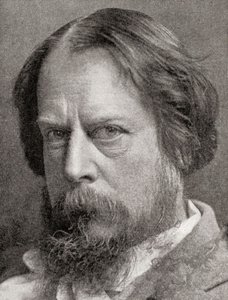
Sir William Blake Richmond
1809 - 1896 , Reino Unido
Datos clave
- Artistas Que Influyeron: ['William Blake']
- Fecha De Muerte: 19 de marzo de 1896
- Fecha De Nacimiento: 28 de marzo de 1809
- Lugar De Nacimiento: Brompton, Reino Unido
- Movimiento Artístico: Romanticismo
- Nacionalidad: Británico
- Nombre Completo: Sir William Blake Richmond
- Obras Notables:
- Ábel el pastor
- Cristo y la mujer samaritana
- Árboles en Bocca d'Arno
- La corona de paz
Artículos relacionados

William Blake: Romantic Visionary & Mystical Genius of the Imagination
Explore the mystical art & poetic genius of William Blake (1757-1827). Discover his revolutionary illuminated printing, rich symbolism, and lasting influence on Romanticism. Find handmade reproductions at ArtsDot.
Los 10 Grabados Legendarios que Transformaron la Historia del Arte | ArtsDot
Descubre los 10 grabados legendarios de Dürer, Rembrandt y Goya que revolucionaron el arte. Explora la historia, técnicas y belleza atemporal de estas obras maestras. Reproducciones de alta calidad en ArtsDot.com para decorar tu hogar con arte clásico.
Engraving: A Historical Survey of Technique, Artistic Expression & Enduring Legacy
Explore the rich history of engraving with ArtsDot. Discover techniques, iconic artists like Dürer & Callot, collecting tips, and expert guidance for preserving your art investment. Learn about intaglio printing & more!
El Intricado Mundo del Grabado: Técnica, Expresión y Legado Histórico
Descubre la fascinante historia del grabado calcográfico: técnicas ancestrales, maestros como Goya y su impacto en el arte y la ciencia. Guía experta para coleccionistas y amantes del arte.
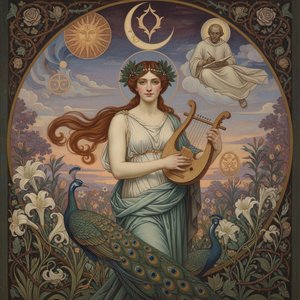
Sir William Blake Richmond: A Visionary of Aestheticism & Symbolism
Explore the life & art of Sir William Blake Richmond, a pivotal figure bridging Pre-Raphaelitism and Aestheticism. Discover his stunning portraits, mosaics at St Paul's Cathedral, and lasting influence on Victorian art.