 Ver en contexto
 Enviar
 Compartir
 Detalles

 Descargar
 Similares
 Radiografía
 Presentación de diapositivas
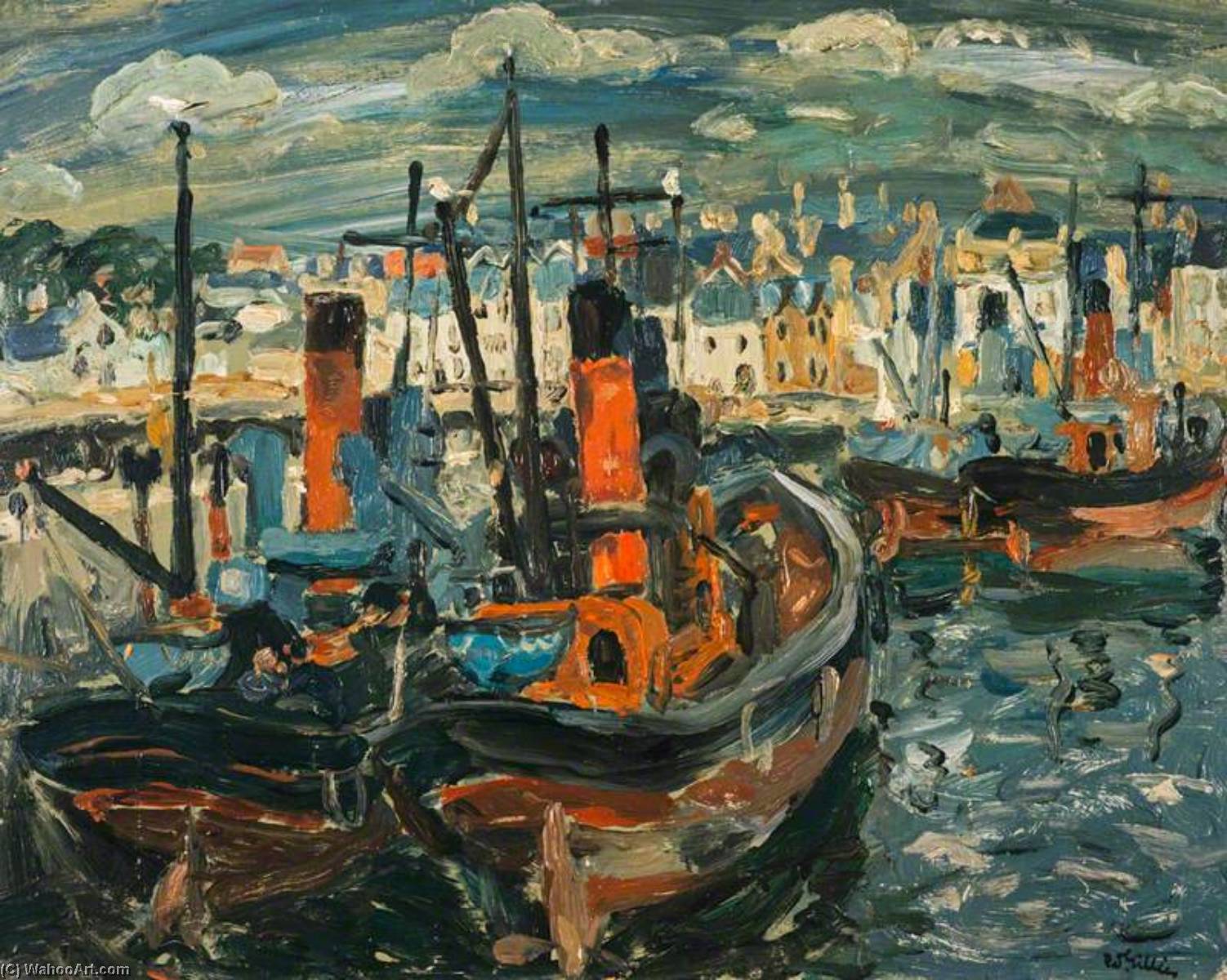
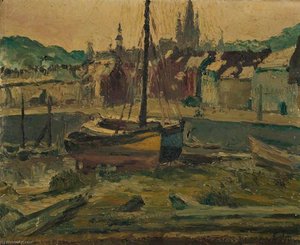
Fishing Boats, Anstruther Harbour


 Ver más
Giclée / Impresión de arte
Impresiones giclée o en lienzo de calidad de museo con producción rápida y opciones de acabado flexibles. ( Comprar pintura hecha a mano Comprar imagen)




P118B $10

P118H $10

P118W $10

P438Z $10

P508JH $12

P508YH $12

P805H $10

P805Z $10

P919BZ $10

P919G $10

P919XJ $10

P959ZH $10

P968JZ $12

W106C $8

W218G $10

W218JH $8

W218Y $10

W307PJ $10

W316G $10

W316PJ $8

W316Y $10

W398PJ $8

W4111J $10

W500HY $15

W500JH $15

W692G $12

W849H $8

W940BG $15

W953PJ $8




Elija entre nuestros tamaños predefinidos que respetan las proporciones originales de la obra.

Puede introducir sus propias dimensiones para adaptarse a un marco o espacio específico. Si el tamaño seleccionado no coincide con las proporciones de la imagen original, recortaremos la obra de arte o extenderemos la imagen con un borde con efecto espejo o de color sólido. Se enviará una maqueta digital para su aprobación antes de que comience la producción.
Tenga en cuenta que la vista previa en pantalla no refleja el recorte o la extensión real. Solo la maqueta mostrará con precisión la composición final.
Aunque existen tamaños personalizados, recomendamos seleccionar una dimensión de la lista predefinida para preservar las proporciones originales.
Envío a todo el mundo () en 2 semanas en lugar de las 4/5 semanas estándar. (29 agosto)

Envío exprés gratuito a todo el mundo

Lienzo de lino de alta calidad

Seguro de envío total

Garantía de reembolso de impuestos aduaneros

Garantía de fidelidad cromática exacta

Política de devolución de 60 días (solo por defectos)

Garantía de devolución del 100% del dinero

Descuento por cantidad
 La opción de vidrio solo está disponible en tamaños inferiores a 110 cm.

Fishing Boats, Anstruther Harbour
Giclée / Impresión de arte
Dimensiones de la reproducción
-


Precio total final
$ 62
A Symphony of Maritime Life
In the quiet, salt-sprayed atmosphere of mid-century Scotland, Sir William George Gillies captured a moment of profound vitality in Fishing Boats, Anstruther Harbour. This evocative oil painting serves as a window into a bustling maritime world, where the rhythmic dance of vessels against the water tells a story of community and tradition. The composition is masterfully layered, drawing the eye through a fleet of at least twelve boats that populate the harbor. Some vessels rest heavily in the foreground, their presence felt through thick, textured strokes, while others drift toward the horizon, creating a sense of immense depth and atmospheric perspective. This arrangement does more than just depict a scene; it invites the viewer to step onto the docks, feeling the gentle sway of the tide and the industrious energy of a harbor in motion.
The painting is not merely a study of maritime hardware but a celebration of human presence within the landscape. Scattered throughout the canvas, small figures move with purpose near the center and periphery, their silhouettes blending into the daily choreography of fishing life. These figures provide a vital emotional anchor, transforming a seascape into a lived experience. For the collector or interior designer, this piece offers a captivating focal point that balances the stillness of the water with the kinetic energy of human endeavor, making it an ideal centerpiece for spaces that value both tranquility and narrative depth.
Mastery of Color and Form
Reflecting his sophisticated artistic evolution, Gillies employs a technique that marries the structural discipline of his early Cubist influences with the emotive, imaginative use of color inspired by Paul Klee. In Fishing Boats, Anstruther Harbour, one can observe a masterful command over light and pigment. The palette is rich yet grounded, utilizing tones that evoke the cool, misty air of the East Lothian coast. The way the light interacts with the hulls of the boats and the surface of the water demonstrates a profound understanding of texture; the paint appears to hold the weight of the sea itself.
The artist’s ability to balance composition is nothing short of extraordinary. By varying the scale and positioning of the boats, Gillies creates a visual rhythm that guides the viewer's gaze in a continuous loop around the harbor. This technique prevents the eye from resting too long on a single point, instead encouraging an exploration of the entire scene. For those seeking to adorn a sophisticated interior, this work provides a sense of structured beauty—a perfect marriage of organic maritime chaos and deliberate, painterly order.
A Timeless Legacy for the Modern Collector
Created in 1945, a year marking both the end of global conflict and a period of profound transition, this painting carries an underlying sense of resilience and continuity. The harbor at Anstruther stands as a symbol of enduring tradition, a sanctuary of stability amidst a changing world. To possess a reproduction of this work is to hold a piece of Scottish art history, embodying the spirit of a master who spent decades shaping the aesthetic landscape of his homeland.
Whether placed in a sunlit gallery, a professional studio, or a curated residential living space, Fishing Boats, Anstruther Harbour brings with it an aura of nostalgic elegance. It is a work that transcends mere decoration, offering instead a contemplative experience. It invites the observer to pause, to breathe in the imagined salt air, and to find beauty in the industrious, quiet moments of life by the sea.
Obras relacionadas
Biografía del artista
Sir William George Gillies: Una Vida en el Arte Escocés
Infancia y Educación Temprana
- Nacido: Haddington, East Lothian, Reino Unido, 1898.
- Gillies se matriculó inicialmente en la Escuela de Arte de Edimburgo, pero sus estudios fueron interrumpidos por el servicio en la Primera Guerra Mundial con los Ingenieros Reales.
- Tras la guerra, regresó para completar su educación en la Escuela de Arte de Edimburgo, donde se graduó y posteriormente se convirtió en un dedicado profesor allí durante más de 40 años.
Desarrollo Artístico e Influencias
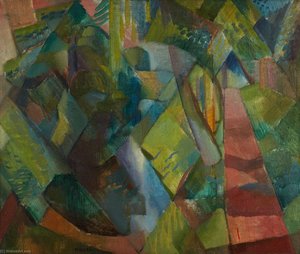
- El viaje artístico de Gillies comenzó con una exploración del Cubismo después de estudiar bajo André Lhote en París (1923) y viajar a Italia (1924).
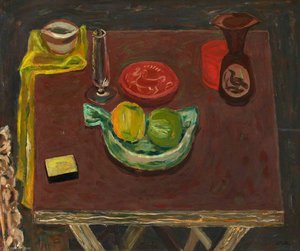
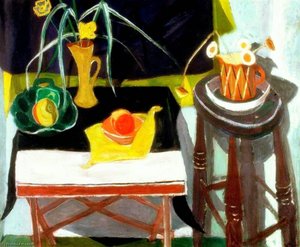
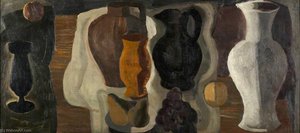
- Las obras tempranas, como “Dos Olla, Vaso y Fruta” (1933), demuestran esta influencia, mostrando una disposición inspirada en Cézanne con paletas de colores sobrias de Braque y Picasso.
- Un momento decisivo llegó en 1934 cuando se encontró con el trabajo de Paul Klee, lo que le inspiró a adoptar un uso más imaginativo del color y cualidades infantiles en sus composiciones.
- Gradualmente se alejó del Cubismo estricto, desarrollando un estilo distintivo arraigado en las tradiciones escocesas de paisajes y bodegones.
El Grupo 1922 y Espíritu Colaborativo
- En 1922, Gillies cofundó el “Grupo 1922” junto con otros artistas como William Crozier, William Geissler y William MacTaggart.
- Esta sociedad de exposiciones proporcionó una plataforma para que los artistas escoceses emergentes mostraran su trabajo en la New Gallery de Edimburgo durante diez años.
- El grupo fomentó un sentido de comunidad e innovación dentro del panorama artístico escocés.
Temas y Materia Prima
- Paisajes: Gillies es conocido por sus representaciones de las regiones de Lothian, Fife y Border de Escocia. Capturó la esencia de estos paisajes con un ojo sensible.
- Bodegones: Los bodegones fueron otro enfoque significativo, a menudo presentando cerámicas creadas por su hermana menor, Emma Smith Gillies, cuya muerte prematura en 1936 lo afectó profundamente.
- Retratos: Si bien experimentó con retratos al principio de su carrera, los paisajes y bodegones se convirtieron en sus temas principales.
Logros y Reconocimientos Importantes
- Gillies sirvió como Principal de la Escuela de Arte de Edimburgo desde 1959 hasta su jubilación en 1966.
- Su prolífica producción y dedicación a la enseñanza tuvieron una profunda influencia en las generaciones de pintores escoceses.
- Fue elegido Académico Real (RA), lo que significaba un reconocimiento significativo dentro del mundo del arte.
Significado Histórico e Legado
- Sir William George Gillies se considera uno de los pintores más importantes del siglo XX en Escocia.
- Su obra cierra la brecha entre el modernismo temprano y una identidad artística escocesa distintiva.
- Legado: Su influencia se extiende más allá de sus pinturas, dando forma a la dirección del arte escocés a través de su enseñanza y mentoría.
- Murió en 1973, dejando atrás un rico cuerpo de trabajo que sigue siendo celebrado por su belleza, sensibilidad y relevancia perdurable.
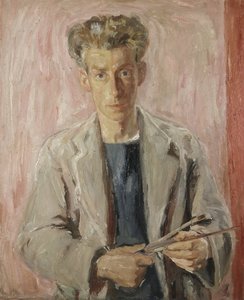
sir william george gillies
1898 - 1973 , United Kingdom
Datos clave
- Artistic Movement Or Style: Cubism, Scottish Colourists
- Artists Who Influenced This Artist:
- André Lhote
- Cézanne
- Braque
- Picasso
- Paul Klee
- Country: United Kingdom
- Date Of Birth: 1898
- Full Name: Sir William George Gillies
- Nationality: Scottish
- Notable Artworks:
- Young Boy with a Teapot
- Mediterranean Landscape with Overcast Sky
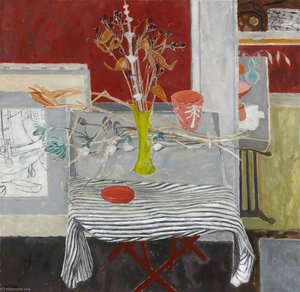
- Still Life – Yellow Jug and Striped Cloth
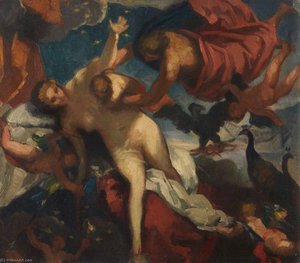
- The Origin of the Milky Way (after Jacopo Tintoretto)
- Place Of Birth: Haddington
Artículos relacionados
Barcos en el Arte: 10 Obras Maestras para Inspirar tu Decoración
Descubre 10 obras maestras que capturan la belleza y el simbolismo de los barcos. Desde Monet hasta Van Gogh, explora la historia del arte marítimo e inspira tu decoración con reproducciones de museo en ArtsDot.com.
Navigating Symbolism & Sentiment: A Comprehensive Exploration of Boats in Art History
Explore the rich history of boats in art! Discover symbolism & style from ancient myths to Impressionist masterpieces. Expert insights for collectors at ArtsDot.
George Paul Chalmers: Rediscovering the Angus Rembrandt & Scottish Colourist Roots
Explore the captivating world of George Paul Chalmers (1833-1878), a pivotal Scottish painter. Discover his landscapes, portraits & connection to the Aesthetic Movement and Colourists. Learn about this 'Angus Rembrandt's' legacy with ArtsDot.
Sir John Watson Gordon: A Study in Scottish Landscape Painting & Tonal Impressionism
Explore the captivating portraits of Sir John Watson Gordon, a leading Scottish master. Discover his evolution from neoclassical style to atmospheric Tonalism and influence on 19th-century British art. Learn about his iconic sitters & legacy.
Los 10 Cuadros Más Famosos para un Salón de Ensueño |
Descubre los 10 cuadros más famosos para transformar tu salón. Explora la historia de Van Gogh, Monet y otros maestros del arte clásico e impresionismo. Encuentra lienzos decorativos y reproducciones de museos en