 Ver en contexto
 Enviar
 Compartir
 Detalles

 Descargar
 Similares
 Radiografía
 Presentación de diapositivas
 Stats
StatsLandscape with Yellow Fields


 Ver más
Giclée / Impresión de arte
Impresiones giclée o en lienzo de calidad de museo con producción rápida y opciones de acabado flexibles. ( Comprar pintura hecha a mano Switch to Digital Image)




P118B $10

P118H $10

P118W $10

P438Z $10

P508JH $12

P508YH $12

P805H $10

P805Z $10

P919BZ $10

P919G $10

P919XJ $10

P959ZH $10

P968JZ $12

W106C $8

W218G $10

W218JH $8

W218Y $10

W307PJ $10

W316G $10

W316PJ $8

W316Y $10

W398PJ $8

W4111J $10

W500HY $15

W500JH $15

W692G $12

W849H $8

W940BG $15

W953PJ $8




Elija entre nuestros tamaños predefinidos que respetan las proporciones originales de la obra.

Puede introducir sus propias dimensiones para adaptarse a un marco o espacio específico. Si el tamaño seleccionado no coincide con las proporciones de la imagen original, recortaremos la obra de arte o extenderemos la imagen con un borde con efecto espejo o de color sólido. Se enviará una maqueta digital para su aprobación antes de que comience la producción.
Tenga en cuenta que la vista previa en pantalla no refleja el recorte o la extensión real. Solo la maqueta mostrará con precisión la composición final.
Aunque existen tamaños personalizados, recomendamos seleccionar una dimensión de la lista predefinida para preservar las proporciones originales.
Envío a todo el mundo () en 2 semanas en lugar de las 4/5 semanas estándar. (8 septiembre)

Envío exprés gratuito a todo el mundo

Lienzo de lino de alta calidad

Seguro de envío total

Garantía de reembolso de impuestos aduaneros

Garantía de fidelidad cromática exacta

Política de devolución de 100 días (solo por defectos)

Garantía de devolución del 100% del dinero

Descuento por cantidad
 La opción de vidrio solo está disponible en tamaños inferiores a 110 cm.

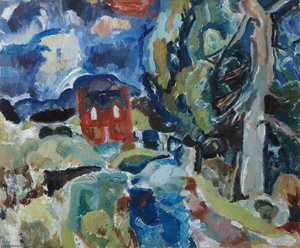
Landscape with Yellow Fields
Giclée / Impresión de arte
Dimensiones de la reproducción
-


Precio total final
$ 62
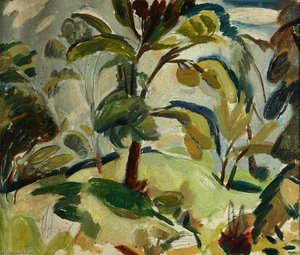
A Frozen Reverie: Sir William George Gillies’ “Landscape with Yellow Fields”
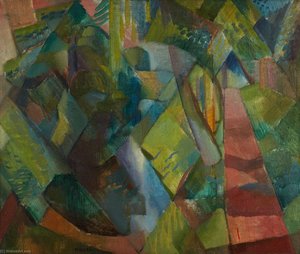
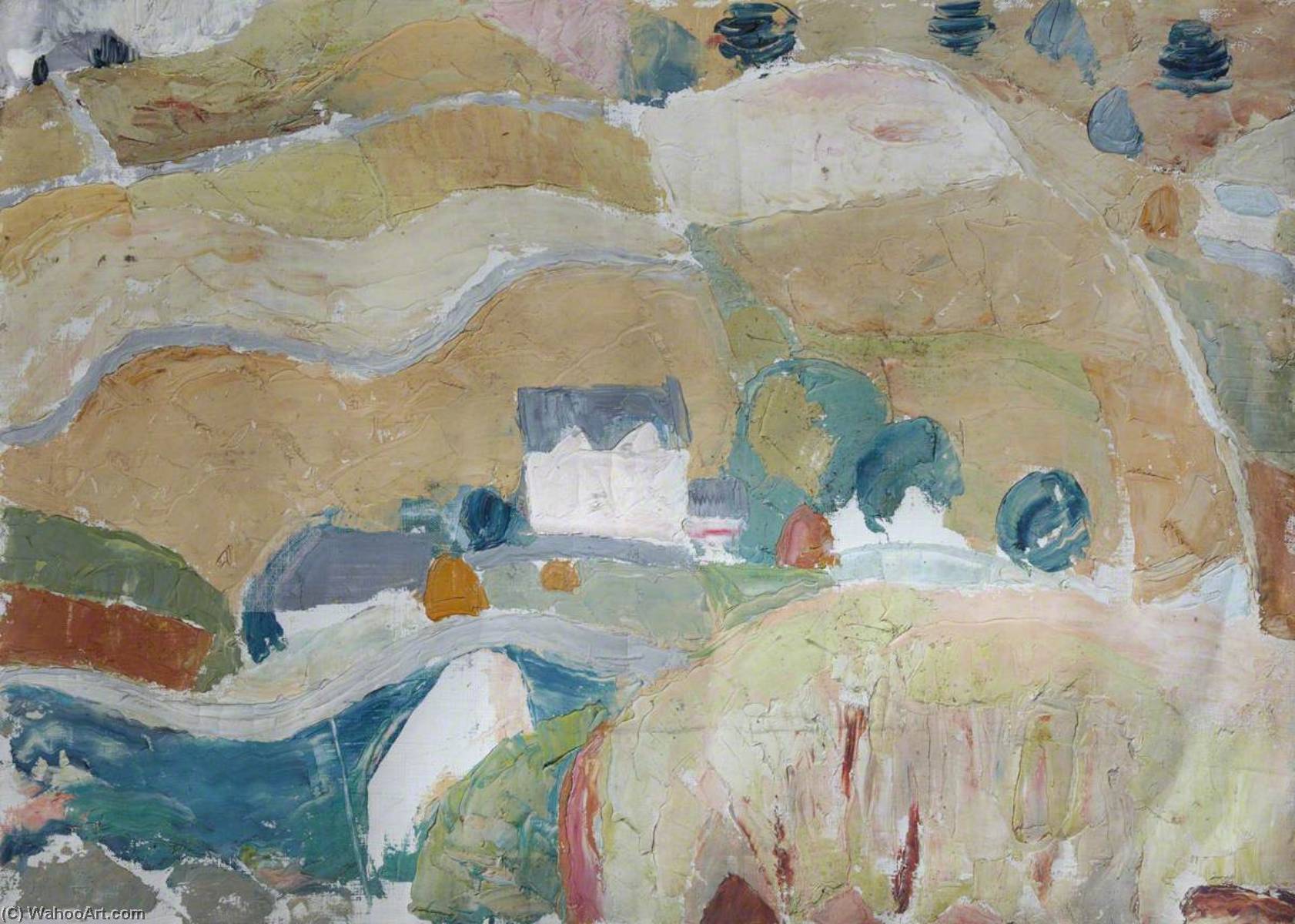
Sir William George Gillies' "Landscape with Yellow Fields" isn’t merely a depiction of a rural scene; it’s a carefully constructed meditation on light, color, and the quiet dignity of the Scottish countryside. Painted around 1934, this work stands as a pivotal moment in Gillies’ artistic evolution, bridging his earlier explorations of Cubism with a deeply rooted appreciation for the evocative beauty of the British Isles. The painting captures a quintessential Highland vista – a rolling expanse of golden fields punctuated by a modest farmhouse and scattered trees, all bathed in the soft, diffused light characteristic of a late afternoon. It's a scene that feels both familiar and profoundly serene, inviting the viewer to step into a timeless moment of rural tranquility.
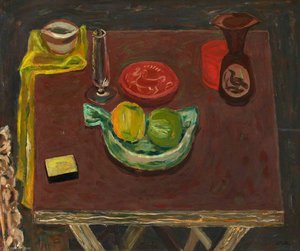
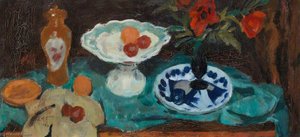
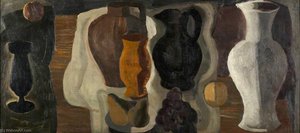
Gillies’ artistic journey had been shaped by encounters with European masters. His time in Paris with André Lhote exposed him to the principles of Cubism, leading to early works like “Two Pots, Saucer and Fruit,” where objects were fragmented and reassembled into geometric arrangements. However, a transformative encounter with Paul Klee in 1934 ignited a shift towards a more intuitive and emotionally resonant style. Klee’s use of vibrant color and childlike simplicity – his ability to imbue everyday subjects with a sense of wonder – profoundly influenced Gillies, prompting him to embrace bolder hues and a looser, more expressive brushstroke.
The Language of Color and Light
What immediately draws the eye is Gillies’ masterful manipulation of color. The dominant yellow of the fields isn't a flat, uniform hue; it’s layered with subtle variations – ochre, amber, and hints of gold – creating an illusion of depth and movement. This rich palette is expertly contrasted against the muted greens and browns of the trees and distant hills, further emphasizing the warmth and luminosity of the foreground. The red roof of the farmhouse acts as a striking focal point, anchoring the composition and adding a touch of domesticity to the vast landscape. Gillies’ use of light isn't photographic realism; it’s an artistic interpretation – a deliberate choice to capture the *feeling* of sunlight filtering through the air.
The technique employed is distinctly Impressionistic, yet infused with Gillies’ unique sensibility. He utilizes short, broken brushstrokes to build up texture and create a sense of atmosphere. These strokes aren't blended smoothly; instead, they retain their individual character, contributing to the painting’s vibrant energy. The layering of color and the visible brushwork invite the viewer to actively engage with the artwork, noticing the subtle shifts in tone and hue as they gaze upon it.
A Portrait of Rural Scotland
Beyond its aesthetic qualities, “Landscape with Yellow Fields” offers a glimpse into the heart of rural Scottish life. The farmhouse, modest yet sturdy, suggests a connection to the land and a sense of community. The scattered trees hint at the presence of wildlife and the rhythms of nature. Gillies’ paintings frequently depicted scenes from his native Scotland, capturing its distinctive landscapes and portraying the lives of its people with empathy and understanding.
The painting's historical context is also significant. Created during a period of economic hardship in Britain, it reflects a longing for simpler times and a connection to the land – values that resonated deeply with many at the time. Gillies’ work served as a powerful reminder of the beauty and resilience of the Scottish countryside.
Collecting the Essence: Reproduction & Beyond
Reproductions of “Landscape with Yellow Fields” offer an accessible way to experience the painting's captivating atmosphere. ArtsDot meticulously recreates Gillies’ techniques, capturing the nuances of color, texture, and light that make this artwork so compelling. The 55 x 76 cm size is ideal for adding a touch of rustic charm to any interior space – whether it’s a living room, bedroom, or study.
More than just a decorative piece, “Landscape with Yellow Fields” evokes a sense of nostalgia and tranquility. It's an invitation to slow down, appreciate the beauty of nature, and connect with the timeless spirit of rural Scotland. Consider this reproduction not merely as a print, but as a portal – a window into a world of quiet contemplation and artistic brilliance.
Obras relacionadas

Biografía del artista
Sir William George Gillies: Una Vida en el Arte Escocés
Infancia y Educación Temprana
- Nacido: Haddington, East Lothian, Reino Unido, 1898.
- Gillies se matriculó inicialmente en la Escuela de Arte de Edimburgo, pero sus estudios fueron interrumpidos por el servicio en la Primera Guerra Mundial con los Ingenieros Reales.
- Tras la guerra, regresó para completar su educación en la Escuela de Arte de Edimburgo, donde se graduó y posteriormente se convirtió en un dedicado profesor allí durante más de 40 años.
Desarrollo Artístico e Influencias
- El viaje artístico de Gillies comenzó con una exploración del Cubismo después de estudiar bajo André Lhote en París (1923) y viajar a Italia (1924).
- Las obras tempranas, como “Dos Olla, Vaso y Fruta” (1933), demuestran esta influencia, mostrando una disposición inspirada en Cézanne con paletas de colores sobrias de Braque y Picasso.
- Un momento decisivo llegó en 1934 cuando se encontró con el trabajo de Paul Klee, lo que le inspiró a adoptar un uso más imaginativo del color y cualidades infantiles en sus composiciones.
- Gradualmente se alejó del Cubismo estricto, desarrollando un estilo distintivo arraigado en las tradiciones escocesas de paisajes y bodegones.
El Grupo 1922 y Espíritu Colaborativo
- En 1922, Gillies cofundó el “Grupo 1922” junto con otros artistas como William Crozier, William Geissler y William MacTaggart.
- Esta sociedad de exposiciones proporcionó una plataforma para que los artistas escoceses emergentes mostraran su trabajo en la New Gallery de Edimburgo durante diez años.
- El grupo fomentó un sentido de comunidad e innovación dentro del panorama artístico escocés.
Temas y Materia Prima
- Paisajes: Gillies es conocido por sus representaciones de las regiones de Lothian, Fife y Border de Escocia. Capturó la esencia de estos paisajes con un ojo sensible.
- Bodegones: Los bodegones fueron otro enfoque significativo, a menudo presentando cerámicas creadas por su hermana menor, Emma Smith Gillies, cuya muerte prematura en 1936 lo afectó profundamente.
- Retratos: Si bien experimentó con retratos al principio de su carrera, los paisajes y bodegones se convirtieron en sus temas principales.
Logros y Reconocimientos Importantes
- Gillies sirvió como Principal de la Escuela de Arte de Edimburgo desde 1959 hasta su jubilación en 1966.
- Su prolífica producción y dedicación a la enseñanza tuvieron una profunda influencia en las generaciones de pintores escoceses.
- Fue elegido Académico Real (RA), lo que significaba un reconocimiento significativo dentro del mundo del arte.
Significado Histórico e Legado
- Sir William George Gillies se considera uno de los pintores más importantes del siglo XX en Escocia.
- Su obra cierra la brecha entre el modernismo temprano y una identidad artística escocesa distintiva.
- Legado: Su influencia se extiende más allá de sus pinturas, dando forma a la dirección del arte escocés a través de su enseñanza y mentoría.
- Murió en 1973, dejando atrás un rico cuerpo de trabajo que sigue siendo celebrado por su belleza, sensibilidad y relevancia perdurable.
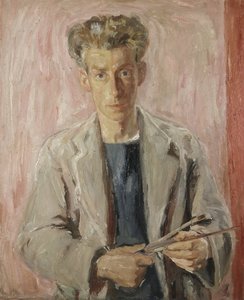
sir william george gillies
1898 - 1973 , United Kingdom
Datos clave
- Artistic Movement Or Style: Cubism, Scottish Colourists
- Artists Who Influenced This Artist:
- André Lhote
- Cézanne
- Braque
- Picasso
- Paul Klee
- Country: United Kingdom
- Date Of Birth: 1898
- Full Name: Sir William George Gillies
- Nationality: Scottish
- Notable Artworks:
- Young Boy with a Teapot
- Mediterranean Landscape with Overcast Sky
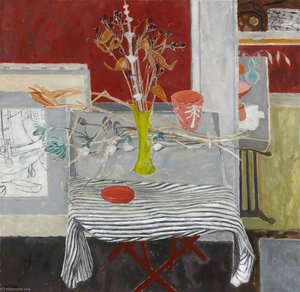
- Still Life – Yellow Jug and Striped Cloth
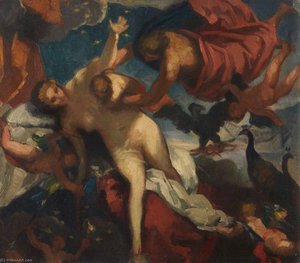
- The Origin of the Milky Way (after Jacopo Tintoretto)
- Place Of Birth: Haddington
Artículos relacionados
Anthony Vandyke Copley Fielding: Rediscovering a Master of Romantic Landscape
Discover the captivating landscapes of Anthony Vandyke Copley Fielding, a master of Romantic watercolour painting. Explore his life, technique, and legacy with ArtsDot – your source for museum-quality art reproductions & expert appraisal.

Paisajes Románticos: 10 Obras Maestras que Definieron un Movimiento Artístico
Descubre los 10 paisajes románticos más influyentes de artistas como Caspar David Friedrich y Turner. Explora la belleza, el simbolismo y las técnicas del movimiento romántico. Reproducciones de arte exclusivas en ArtsDot.com.

John Constable: Las 25 Obras Maestras del Paisaje Inglés | ArtsDot
Descubre las 25 obras maestras de John Constable, el pintor romántico inglés que capturó la belleza del paisaje. Explora su técnica, historia y significado en ArtsDot.com. Reproducciones de arte de alta calidad para tu hogar.
Cultivating Visions: A Historical Journey Through Rural Landscapes in Art
Explore the rich history of rural landscape painting with ArtsDot. Discover Impressionist masterpieces, key artists & movements. Find your perfect serene artwork and bring nature's beauty home.
Sir William George Gillies: A Scottish Colourist's Journey Through Landscape & Abstraction
Explore the captivating world of Sir William George Gillies, a leading Scottish Colourist. Discover his journey from Cubism to iconic landscapes & still lifes. Expert insights for collectors and art enthusiasts.