 Ver en contexto
 Enviar
 Compartir
 Detalles

 Descargar
 Similares
 Radiografía
 Presentación de diapositivas
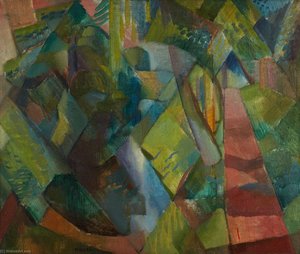
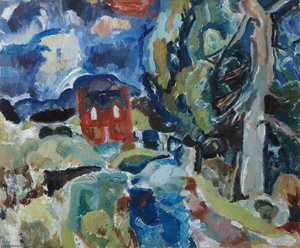
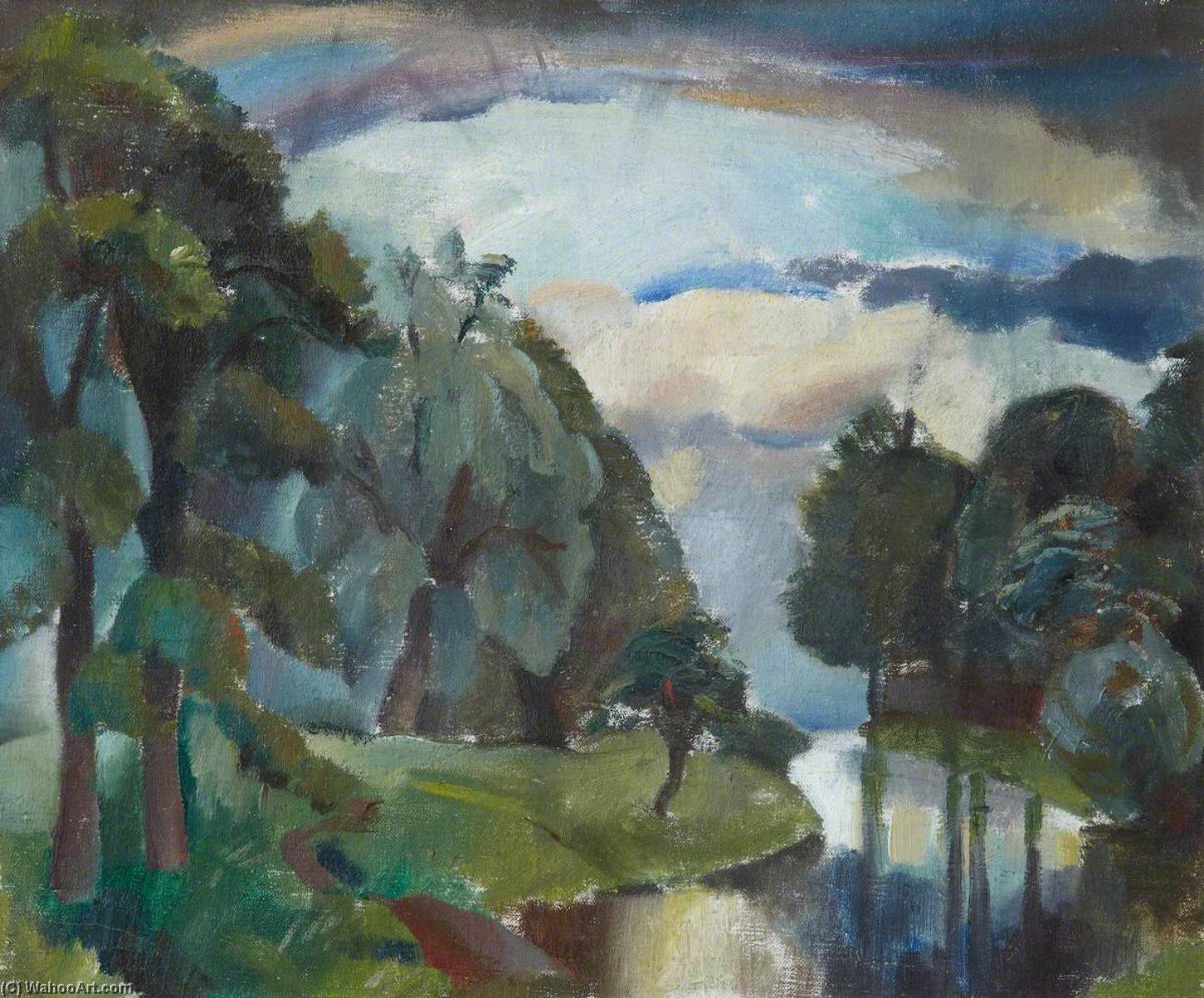
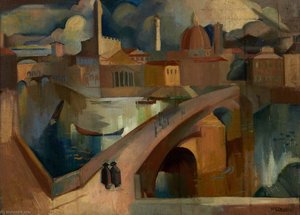
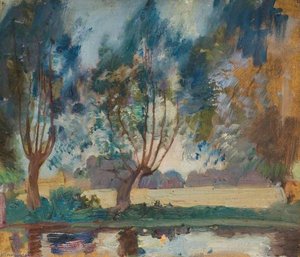
Park on the Tyne, Haddington
 Acrylic On Canvas
- WallArt
- Cubist Influences
 1924
1924 38.0 x 46.0 cm
 Real Academia Escocesa de Arte - Arquitectura
 Ver más
Reproducción al óleo hecha a mano
Óleo sobre lienzo pintado a mano en el tamaño y marco de su elección, realizado por encargo por nuestros artistas. ( Comprar impresión Comprar imagen)




P118B $10

P118H $10

P118W $10

P438Z $10

P508JH $12

P508YH $12

P805H $10

P805Z $10

P919BZ $10

P919G $10

P919XJ $10

P959ZH $10

P968JZ $12

W106C $8

W218G $10

W218JH $8

W218Y $10

W307PJ $10

W316G $10

W316PJ $8

W316Y $10

W398PJ $8

W4111J $10

W500HY $15

W500JH $15

W692G $12

W849H $8

W940BG $15

W953PJ $8




Elija entre nuestros tamaños predefinidos que respetan las proporciones originales de la obra.

Puede ingresar sus propias dimensiones para adaptarse a un marco o espacio específico. Si el tamaño seleccionado no coincide con las proporciones de la imagen original, recortaremos la obra o extenderemos la pintura con elementos adicionales pintados a mano. Se le enviará una maqueta digital para su aprobación antes de comenzar la producción.
Tenga en cuenta que la vista previa en pantalla no refleja el recorte o la extensión reales. Solo la maqueta mostrará con precisión la composición final.
Si bien existen tamaños personalizados, recomendamos seleccionar una dimensión de la lista predefinida para preservar las proporciones originales.
Tras realizar el pedido, el equipo de ArtsDot.com enviará un correo electrónico al cliente para solicitar instrucciones y proporcionarle una vista previa del boceto.
Envío a todo el mundo () en 3-4 semanas en lugar de las 5 semanas estándar. (28 agosto). Sin comprometer la calidad.

Envío exprés gratuito a todo el mundo

Lienzo de lino de alta calidad

Seguro de envío total

Garantía de reembolso de impuestos aduaneros

Garantía de fidelidad cromática exacta

Política de devolución de 60 días (solo por defectos)

Garantía de devolución del 100% del dinero

Descuento por cantidad
 La opción de vidrio solo está disponible en tamaños inferiores a 110 cm.

Park on the Tyne, Haddington
Técnica de reproducción
Dimensiones de la reproducción
-


Precio total final
$ 263
A Moment Frozen in Time: William George Gillies’ “Park on the Tyne, Haddington”
William George Gillies' "Park on the Tyne, Haddington," painted circa 1924-30, isn’t merely a depiction of a rural scene; it’s a carefully constructed meditation on solitude, memory, and the melancholic beauty of the Scottish landscape. The painting captures a solitary figure standing within a vast, rolling field, bordered by the muted greens and browns of trees that seem to both embrace and observe him. The River Tyne snakes its way through this idyllic vista, reflecting the overcast sky above – a subtle indication of the emotional weight carried by the scene. It’s a work imbued with a quiet intensity, inviting contemplation rather than immediate visual gratification.
Gillies, born in Haddington and deeply rooted in the East Lothian countryside, was a master of capturing the essence of his native land. His artistic journey began with an exploration of Cubism, influenced by figures like Picasso and Braque, as evidenced by the fragmented forms and geometric arrangements present in earlier works. However, a pivotal encounter with Paul Klee in 1934 dramatically shifted his approach. Klee’s emphasis on color, childlike imagination, and emotional expression profoundly impacted Gillies, leading him to embrace a more intuitive and evocative style – one that is powerfully evident in “Park on the Tyne.” The painting showcases this transition beautifully; the muted palette of earlier works gives way to richer, more layered hues, suggesting a deeper engagement with the subject’s inner world.
Technique and Composition: A Study in Light and Shadow
The painting's strength lies not just in its subject matter but also in Gillies’ masterful technique. He employs a loose, expressive brushstroke – particularly noticeable in the depiction of the trees and the flowing river – creating a sense of movement and atmosphere. The light is diffused, casting long shadows that emphasize the vastness of the landscape and the figure's isolation. Gillies utilizes atmospheric perspective; distant elements are rendered paler and less distinct, drawing the viewer’s eye towards the central subject. Note the careful layering of paint – thin washes build up to bolder strokes, creating a tactile quality and adding depth to the scene. The composition itself is deliberately balanced, with the figure positioned slightly off-center, inviting the viewer to share his contemplative gaze.
- Medium: Oil on Canvas
- Size: 38 x 46 cm (approximately)
- Style: A blend of Cubist influence and Klee-inspired emotional expressionism.
Symbolism and Emotional Resonance
The solitary figure in “Park on the Tyne” is a potent symbol of introspection and perhaps even melancholy. He’s not actively engaged with his surroundings; instead, he seems lost in thought, contemplating the vastness of nature and, potentially, his own place within it. The landscape itself can be interpreted as a reflection of the human psyche – the rolling hills representing challenges and uncertainties, while the river symbolizes the flow of time and memory. The muted colors contribute to a sense of quiet sadness, suggesting a longing for something lost or unattainable. It’s a scene that resonates with a universal feeling of isolation and the beauty found in solitude.
Historical Context: A Scottish Vision
Painted during a period of significant artistic experimentation and social change, “Park on the Tyne” reflects Gillies' engagement with both modernism and his deep connection to Scotland. As a teacher at the Edinburgh College of Art for over 40 years, he played a crucial role in shaping the next generation of Scottish artists. His work embodies a distinctly Scottish sensibility – a reverence for the landscape, a sensitivity to light and atmosphere, and an exploration of themes related to identity and memory. The painting’s creation coincided with a time when artists were increasingly interested in capturing subjective experience rather than simply replicating reality, aligning Gillies' approach with broader trends in 20th-century art.
Obras relacionadas
Biografía del artista
Sir William George Gillies: Una Vida en el Arte Escocés
Infancia y Educación Temprana
- Nacido: Haddington, East Lothian, Reino Unido, 1898.
- Gillies se matriculó inicialmente en la Escuela de Arte de Edimburgo, pero sus estudios fueron interrumpidos por el servicio en la Primera Guerra Mundial con los Ingenieros Reales.
- Tras la guerra, regresó para completar su educación en la Escuela de Arte de Edimburgo, donde se graduó y posteriormente se convirtió en un dedicado profesor allí durante más de 40 años.
Desarrollo Artístico e Influencias
- El viaje artístico de Gillies comenzó con una exploración del Cubismo después de estudiar bajo André Lhote en París (1923) y viajar a Italia (1924).
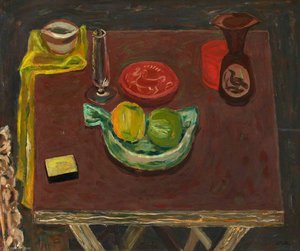
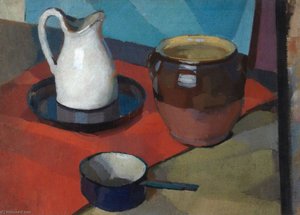
- Las obras tempranas, como “Dos Olla, Vaso y Fruta” (1933), demuestran esta influencia, mostrando una disposición inspirada en Cézanne con paletas de colores sobrias de Braque y Picasso.
- Un momento decisivo llegó en 1934 cuando se encontró con el trabajo de Paul Klee, lo que le inspiró a adoptar un uso más imaginativo del color y cualidades infantiles en sus composiciones.
- Gradualmente se alejó del Cubismo estricto, desarrollando un estilo distintivo arraigado en las tradiciones escocesas de paisajes y bodegones.
El Grupo 1922 y Espíritu Colaborativo
- En 1922, Gillies cofundó el “Grupo 1922” junto con otros artistas como William Crozier, William Geissler y William MacTaggart.
- Esta sociedad de exposiciones proporcionó una plataforma para que los artistas escoceses emergentes mostraran su trabajo en la New Gallery de Edimburgo durante diez años.
- El grupo fomentó un sentido de comunidad e innovación dentro del panorama artístico escocés.
Temas y Materia Prima
- Paisajes: Gillies es conocido por sus representaciones de las regiones de Lothian, Fife y Border de Escocia. Capturó la esencia de estos paisajes con un ojo sensible.
- Bodegones: Los bodegones fueron otro enfoque significativo, a menudo presentando cerámicas creadas por su hermana menor, Emma Smith Gillies, cuya muerte prematura en 1936 lo afectó profundamente.
- Retratos: Si bien experimentó con retratos al principio de su carrera, los paisajes y bodegones se convirtieron en sus temas principales.
Logros y Reconocimientos Importantes
- Gillies sirvió como Principal de la Escuela de Arte de Edimburgo desde 1959 hasta su jubilación en 1966.
- Su prolífica producción y dedicación a la enseñanza tuvieron una profunda influencia en las generaciones de pintores escoceses.
- Fue elegido Académico Real (RA), lo que significaba un reconocimiento significativo dentro del mundo del arte.
Significado Histórico e Legado
- Sir William George Gillies se considera uno de los pintores más importantes del siglo XX en Escocia.
- Su obra cierra la brecha entre el modernismo temprano y una identidad artística escocesa distintiva.
- Legado: Su influencia se extiende más allá de sus pinturas, dando forma a la dirección del arte escocés a través de su enseñanza y mentoría.
- Murió en 1973, dejando atrás un rico cuerpo de trabajo que sigue siendo celebrado por su belleza, sensibilidad y relevancia perdurable.
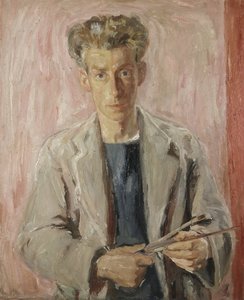
sir william george gillies
1898 - 1973 , United Kingdom
Datos clave
- Artistic Movement Or Style: Cubism, Scottish Colourists
- Artists Who Influenced This Artist:
- André Lhote
- Cézanne
- Braque
- Picasso
- Paul Klee
- Country: United Kingdom
- Date Of Birth: 1898
- Full Name: Sir William George Gillies
- Nationality: Scottish
- Notable Artworks:
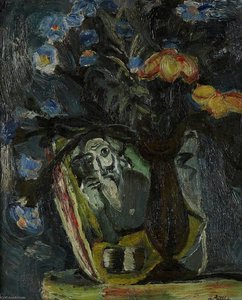
- Young Boy with a Teapot
- Mediterranean Landscape with Overcast Sky
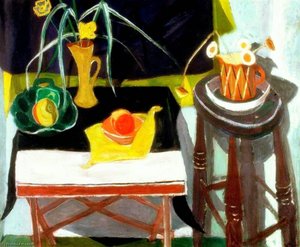
- Still Life – Yellow Jug and Striped Cloth
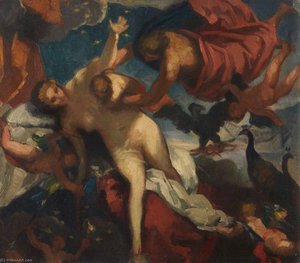
- The Origin of the Milky Way (after Jacopo Tintoretto)
- Place Of Birth: Haddington
Artículos relacionados

Georges Braque: Las 25 Obras Maestras del Cubismo y su Legado en el Arte Moderno
Descubre las 25 obras maestras de Georges Braque, pionero del cubismo. Explora su innovadora técnica, colores y el legado del arte moderno francés. Reproducciones de alta calidad en ArtsDot.com. ¡Encuentra tu inspiración!

Georges Seurat: Las 25 Obras Maestras del Pionero Puntillista | ArtsDot
Descubre las 25 obras maestras de Georges Seurat, el innovador del puntillismo. Explora su técnica única, colores vibrantes y legado artístico en ArtsDot.com. Reproducciones de arte de museo para tu hogar.
Sir William George Gillies: A Scottish Colourist's Journey Through Landscape & Abstraction
Explore the captivating world of Sir William George Gillies, a leading Scottish Colourist. Discover his journey from Cubism to iconic landscapes & still lifes. Expert insights for collectors and art enthusiasts.
George Paul Chalmers: Rediscovering the Angus Rembrandt & Scottish Colourist Roots
Explore the captivating world of George Paul Chalmers (1833-1878), a pivotal Scottish painter. Discover his landscapes, portraits & connection to the Aesthetic Movement and Colourists. Learn about this 'Angus Rembrandt's' legacy with ArtsDot.

Paisajes Románticos: 10 Obras Maestras que Definieron un Movimiento Artístico
Descubre los 10 paisajes románticos más influyentes de artistas como Caspar David Friedrich y Turner. Explora la belleza, el simbolismo y las técnicas del movimiento romántico. Reproducciones de arte exclusivas en ArtsDot.com.