 Vista previa
 Compartir
 Compartir
 Ver detalles

 Descargar
 Ver similares
 Radiografía
 Presentación de diapositivas
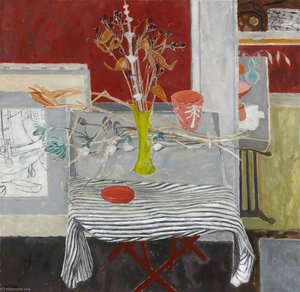
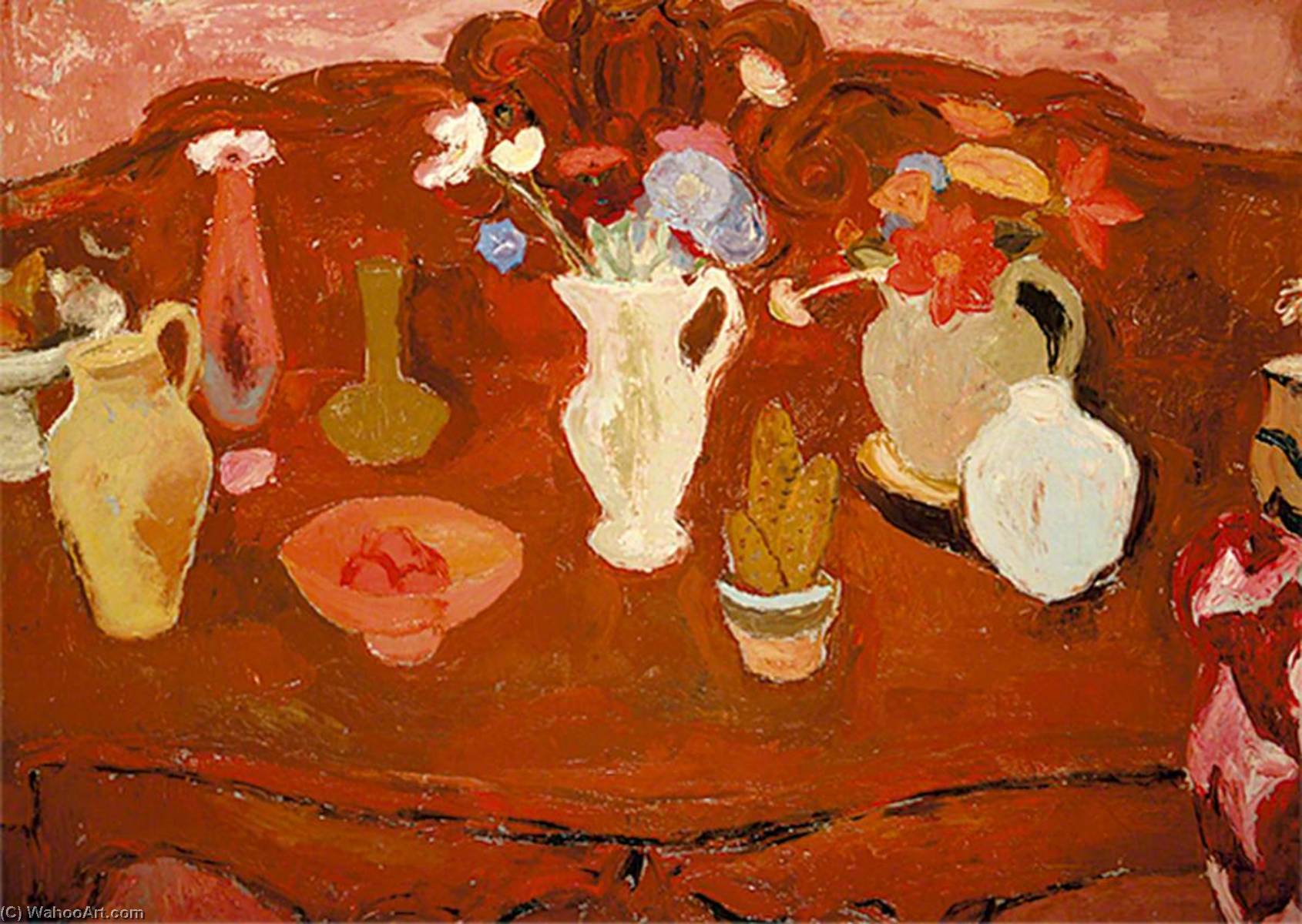
Still Life with Cactus


 Leer más
Giclée / Impresión de arte
Impresiones giclée o en lienzo de calidad de museo con producción rápida y opciones de acabado flexibles. ( Encargar reproducción pintada a mano Comprar descarga)




P118B $10

P118H $10

P118W $10

P438Z $10

P508JH $12

P508YH $12

P805H $10

P805Z $10

P919BZ $10

P919G $10

P919XJ $10

P959ZH $10

P968JZ $12

W106C $8

W218G $10

W218JH $8

W218Y $10

W307PJ $10

W316G $10

W316PJ $8

W316Y $10

W398PJ $8

W4111J $10

W500HY $15

W500JH $15

W692G $12

W849H $8

W940BG $15

W953PJ $8




Elija entre nuestros tamaños predefinidos que respetan las proporciones originales de la obra.

Puede introducir sus propias dimensiones para adaptarse a un marco o espacio específico. Si el tamaño seleccionado no coincide con las proporciones de la imagen original, recortaremos la obra de arte o extenderemos la imagen con un borde con efecto espejo o de color sólido. Se enviará una maqueta digital para su aprobación antes de que comience la producción.
Tenga en cuenta que la vista previa en pantalla no refleja el recorte o la extensión real. Solo la maqueta mostrará con precisión la composición final.
Aunque existen tamaños personalizados, recomendamos seleccionar una dimensión de la lista predefinida para preservar las proporciones originales.
Envío a todo el mundo () en 2 semanas en lugar de las 4/5 semanas estándar. (21 agosto)

Envío exprés gratuito a todo el mundo

Lienzo de lino de alta calidad

Seguro de envío completo

Garantía de reembolso de aranceles aduaneros

Garantía de fidelidad cromática exacta

Política de devolución de 60 días (solo por defectos)

Garantía de devolución del 100% del dinero

Oferta por volumen
 La opción de vidrio solo está disponible en tamaños inferiores a 110 cm.

Still Life with Cactus
Giclée / Impresión de arte
Tamaño de la reproducción
-


Precio total
$ 62
Descripción de la pieza
A Symphony of Earth and Ochre
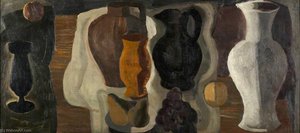
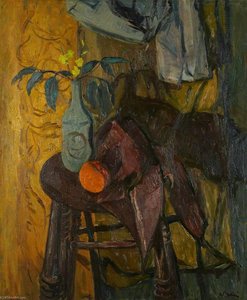
In the quiet intimacy of Sir William George Gillies’ Still Life with Cactus, we are invited into a world where the mundane is elevated to the monumental. Painted in 1933, this evocative oil composition serves as a masterclass in the beauty of simplicity, capturing a collection of ceramic vessels—pitchers, vases, and bowls—arranged with a deliberate, rhythmic grace. The artwork is bathed in an overwhelming palette of warm, earthy tones, ranging from deep, resonant ochre to the soft, sun-baked hues of terracotta. This monochromatic warmth creates an atmosphere of profound stability and domestic peace, making it an ideal centerpiece for any interior seeking to evoke a sense of grounded luxury and timelessness.
The composition breathes with the spirit of early 20th-century modernism. One can clearly trace the lineage of Cubism and the structural lessons of Cézanne within Gillies’ approach. Rather than striving for photographic realism, the artist employs flattened perspectives and simplified, geometric forms to define his subjects. The arrangement feels both chaotic and meticulously balanced; objects overlap in a way that suggests depth through tonal shifts rather than rigid linear recession. This stylistic choice allows the viewer to focus on the interplay of light and shadow, where soft highlights of pink and white dance across the surfaces of the clay, lending a tactile, three-dimensional quality to the painted forms.
The Artistry of Texture and Emotion
Technique and emotion are inextricably linked in this piece. Gillies utilizes a loose, expressive brushwork that celebrates the medium of oil paint itself. In certain areas, the visible impasto creates a rugged, sculptural texture, inviting the eye to wander over the ridges and valleys of the pigment. This raw, gestural application prevents the stillness of the subject from feeling static; instead, there is a pulsing vitality within the heavy, earthen strokes. The lighting, emanating softly from above, casts gentle shadows that anchor each vessel to the horizontal plane, creating a sense of weight and permanence.
Beyond its formal beauty, Still Life with Cactus carries a subtle, melancholic soul. There is a quiet contemplation in the way these inanimate objects are presented—as silent witnesses to the passage of time. The subdued color palette and the heavy, solid forms evoke a feeling of nostalgia and a reverence for the utility of everyday life. For the discerning collector or interior designer, this reproduction offers more than mere decoration; it provides an emotional anchor for a room. It is a piece that speaks of abundance through simplicity, making it a sophisticated choice for those looking to infuse their living spaces with warmth, history, and a profound sense of artistic depth.
Obras relacionadas
Biografía del artista
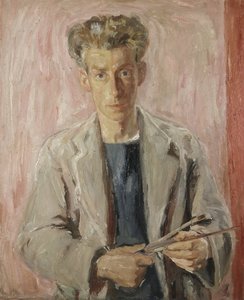
Sir William George Gillies: Una Vida en el Arte Escocés
Infancia y Educación Temprana
- Nacido: Haddington, East Lothian, Reino Unido, 1898.
- Gillies se matriculó inicialmente en la Escuela de Arte de Edimburgo, pero sus estudios fueron interrumpidos por el servicio en la Primera Guerra Mundial con los Ingenieros Reales.
- Tras la guerra, regresó para completar su educación en la Escuela de Arte de Edimburgo, donde se graduó y posteriormente se convirtió en un dedicado profesor allí durante más de 40 años.
Desarrollo Artístico e Influencias
- El viaje artístico de Gillies comenzó con una exploración del Cubismo después de estudiar bajo André Lhote en París (1923) y viajar a Italia (1924).
- Las obras tempranas, como “Dos Olla, Vaso y Fruta” (1933), demuestran esta influencia, mostrando una disposición inspirada en Cézanne con paletas de colores sobrias de Braque y Picasso.
- Un momento decisivo llegó en 1934 cuando se encontró con el trabajo de Paul Klee, lo que le inspiró a adoptar un uso más imaginativo del color y cualidades infantiles en sus composiciones.
- Gradualmente se alejó del Cubismo estricto, desarrollando un estilo distintivo arraigado en las tradiciones escocesas de paisajes y bodegones.
El Grupo 1922 y Espíritu Colaborativo
- En 1922, Gillies cofundó el “Grupo 1922” junto con otros artistas como William Crozier, William Geissler y William MacTaggart.
- Esta sociedad de exposiciones proporcionó una plataforma para que los artistas escoceses emergentes mostraran su trabajo en la New Gallery de Edimburgo durante diez años.
- El grupo fomentó un sentido de comunidad e innovación dentro del panorama artístico escocés.
Temas y Materia Prima
- Paisajes: Gillies es conocido por sus representaciones de las regiones de Lothian, Fife y Border de Escocia. Capturó la esencia de estos paisajes con un ojo sensible.
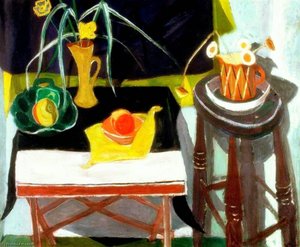
- Bodegones: Los bodegones fueron otro enfoque significativo, a menudo presentando cerámicas creadas por su hermana menor, Emma Smith Gillies, cuya muerte prematura en 1936 lo afectó profundamente.
- Retratos: Si bien experimentó con retratos al principio de su carrera, los paisajes y bodegones se convirtieron en sus temas principales.
Logros y Reconocimientos Importantes
- Gillies sirvió como Principal de la Escuela de Arte de Edimburgo desde 1959 hasta su jubilación en 1966.
- Su prolífica producción y dedicación a la enseñanza tuvieron una profunda influencia en las generaciones de pintores escoceses.
- Fue elegido Académico Real (RA), lo que significaba un reconocimiento significativo dentro del mundo del arte.
Significado Histórico e Legado
- Sir William George Gillies se considera uno de los pintores más importantes del siglo XX en Escocia.
- Su obra cierra la brecha entre el modernismo temprano y una identidad artística escocesa distintiva.
- Legado: Su influencia se extiende más allá de sus pinturas, dando forma a la dirección del arte escocés a través de su enseñanza y mentoría.
- Murió en 1973, dejando atrás un rico cuerpo de trabajo que sigue siendo celebrado por su belleza, sensibilidad y relevancia perdurable.
sir william george gillies
1898 - 1973 , United Kingdom
Datos clave
- Artistic Movement Or Style: Cubism, Scottish Colourists
- Artists Who Influenced This Artist:
- André Lhote
- Cézanne
- Braque
- Picasso
- Paul Klee
- Country: United Kingdom
- Date Of Birth: 1898
- Full Name: Sir William George Gillies
- Nationality: Scottish
- Notable Artworks:
- Young Boy with a Teapot
- Mediterranean Landscape with Overcast Sky
- Still Life – Yellow Jug and Striped Cloth
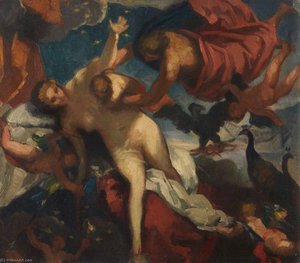
- The Origin of the Milky Way (after Jacopo Tintoretto)
- Place Of Birth: Haddington
Artículos relacionados

The Enduring Legacy of Oil on Canvas: Technique, History & Aesthetic Impact
Explore the rich history & techniques of oil painting – from Renaissance masters to Impressionism. Discover pigments, layering methods, and why this timeless medium endures. Expert insights for artists & art enthusiasts.

El Óleo sobre Lienzo: Historia, Técnica y la Persistencia de un Medio Artístico Atemporal
Descubre la historia y técnica del óleo sobre lienzo. Explora reproducciones fieles hechas a mano, personalización artística y consejos de expertos con ArtsDot. ¡Colecciona arte con confianza!
Silent Narratives: Exploring the Enduring Appeal of Still Life Painting Across Centuries
Explore the rich history of still life painting with ArtsDot. Discover Dutch Masters, decode vanitas symbolism & learn about collecting timeless art. Expert insights and museum-quality reproductions.
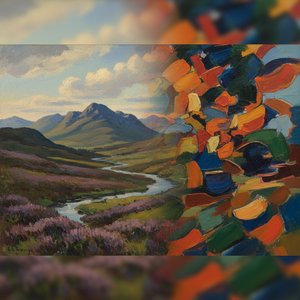
Sir William George Gillies: A Scottish Colourist's Journey Through Landscape & Abstraction
Explore the captivating world of Sir William George Gillies, a leading Scottish Colourist. Discover his journey from Cubism to iconic landscapes & still lifes. Expert insights for collectors and art enthusiasts.

The Enduring Power of Painting: A Historical & Contemporary Exploration of Form and Emotion
Explore the rich history & enduring techniques of oil painting with ArtsDot. Discover masterpieces, learn about art collecting, and find authentic handmade reproductions crafted by skilled artists.