 Ver en contexto
 Enviar
 Compartir
 Detalles

 Descargar
 Similares
 Radiografía
 Presentación de diapositivas
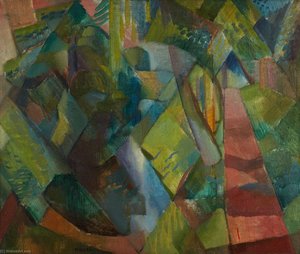
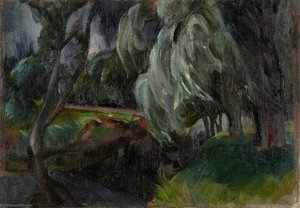
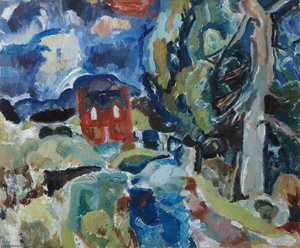
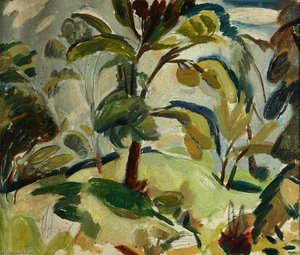
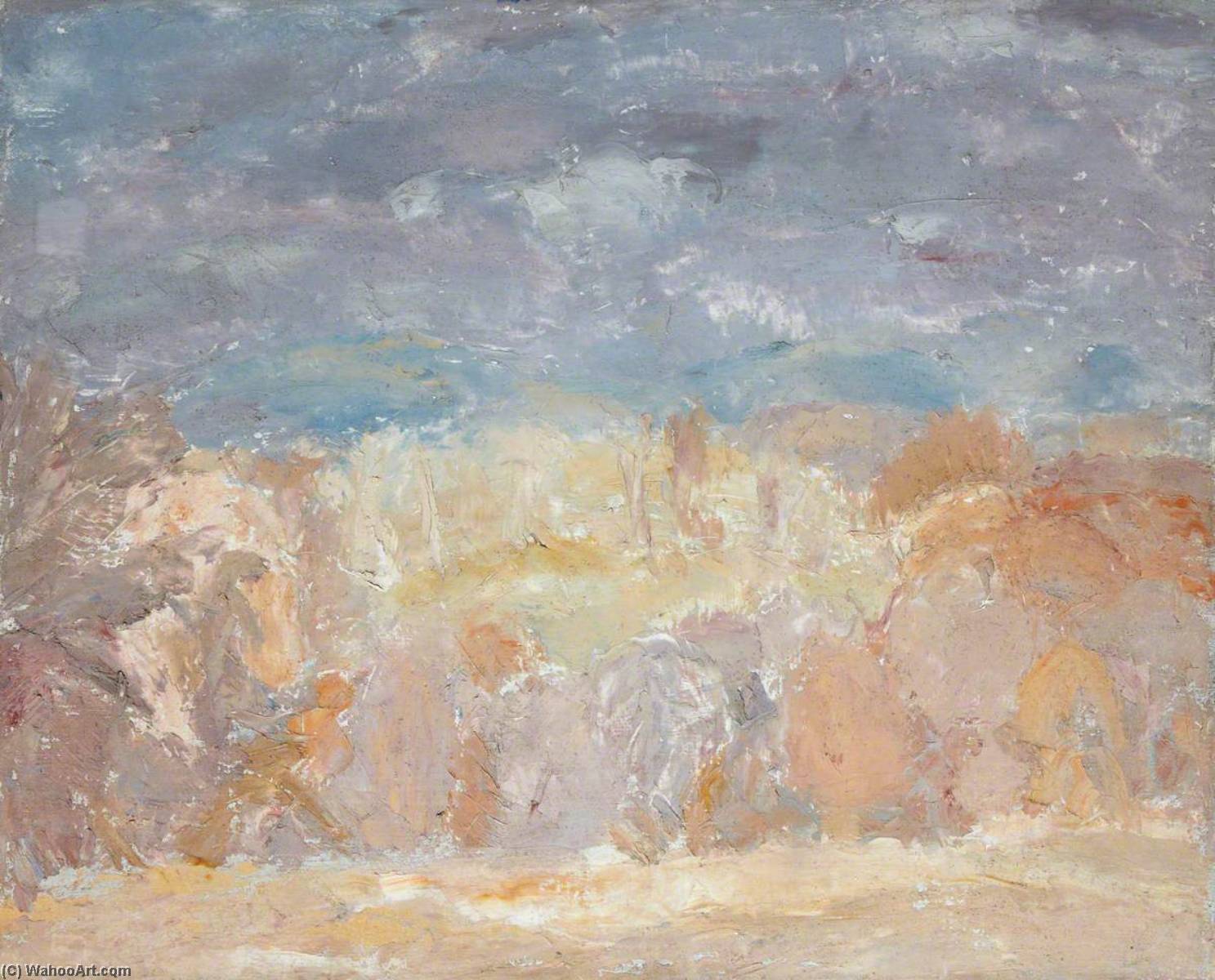
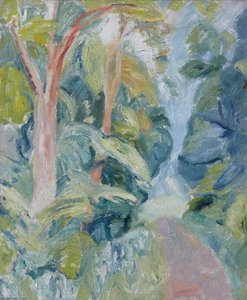
View to the Pentlands from near Temple
 Acrylic On Canvas
- WallArt
- Impressionism
 51.0 x 64.0 cm
 Real Academia Escocesa de Arte - Arquitectura
 Ver más
Reproducción al óleo hecha a mano
Óleo sobre lienzo pintado a mano en el tamaño y marco de su elección, realizado por encargo por nuestros artistas. ( Comprar impresión Comprar imagen)




P118B $10

P118H $10

P118W $10

P438Z $10

P508JH $12

P508YH $12

P805H $10

P805Z $10

P919BZ $10

P919G $10

P919XJ $10

P959ZH $10

P968JZ $12

W106C $8

W218G $10

W218JH $8

W218Y $10

W307PJ $10

W316G $10

W316PJ $8

W316Y $10

W398PJ $8

W4111J $10

W500HY $15

W500JH $15

W692G $12

W849H $8

W940BG $15

W953PJ $8




Elija entre nuestros tamaños predefinidos que respetan las proporciones originales de la obra.

Puede ingresar sus propias dimensiones para adaptarse a un marco o espacio específico. Si el tamaño seleccionado no coincide con las proporciones de la imagen original, recortaremos la obra o extenderemos la pintura con elementos adicionales pintados a mano. Se le enviará una maqueta digital para su aprobación antes de comenzar la producción.
Tenga en cuenta que la vista previa en pantalla no refleja el recorte o la extensión reales. Solo la maqueta mostrará con precisión la composición final.
Si bien existen tamaños personalizados, recomendamos seleccionar una dimensión de la lista predefinida para preservar las proporciones originales.
Tras realizar el pedido, el equipo de ArtsDot.com enviará un correo electrónico al cliente para solicitar instrucciones y proporcionarle una vista previa del boceto.
Envío a todo el mundo () en 3-4 semanas en lugar de las 5 semanas estándar. (29 agosto). Sin comprometer la calidad.

Envío exprés gratuito a todo el mundo

Lienzo de lino de alta calidad

Seguro de envío total

Garantía de reembolso de impuestos aduaneros

Garantía de fidelidad cromática exacta

Política de devolución de 60 días (solo por defectos)

Garantía de devolución del 100% del dinero

Descuento por cantidad
 La opción de vidrio solo está disponible en tamaños inferiores a 110 cm.

View to the Pentlands from near Temple
Técnica de reproducción
Dimensiones de la reproducción
-


Precio total final
$ 263
A Vision of Tranquility: Exploring Gillies’ “View to the Pentlands from near Temple”
William George Gillies (1898–1973), a pivotal figure in Scottish Colourist painting, bequeathed to us not merely landscapes but profound meditations on beauty and perception. His masterpiece, “View to the Pentlands from near Temple,” transcends mere representation; it’s an immersive experience of light, colour, and atmosphere—a testament to Gillies' unwavering dedication to capturing the essence of his surroundings.
Painted in 1934, this oil on canvas exemplifies Gillies’ distinctive approach. Influenced by Paul Cézanne’s geometric simplification and subtly echoed in Braque’s muted palette, “View to the Pentlands” eschews photographic accuracy for an impressionistic vision. The artist deliberately avoids meticulous detail, prioritizing instead the conveyance of mood—a serene stillness punctuated by the gentle interplay of sunlight filtering through the foliage.
- Composition: Gillies employs a carefully considered pyramidal structure, guiding the viewer’s eye upwards towards the distant Pentlands hills. The foreground trees and shrubs are rendered with loose brushstrokes that suggest texture and depth, creating an illusion of tangible presence.
- Colour Palette: Dominated by soft blues and greens—particularly shades of teal and olive—the painting radiates tranquility. Yellow highlights illuminate patches of foliage and contribute to a sense of warmth against the cool backdrop of the sky. Gillies’ masterful use of colour is not merely decorative; it serves as an emotional conduit, mirroring the contemplative spirit of the scene.
- Technique: Gillies' brushwork is characterized by visible marks—a deliberate rejection of academic conventions—that imbue the canvas with vitality and immediacy. The artist achieves remarkable luminosity through layering thin glazes of pigment, capturing the subtle nuances of light and shadow.
Beyond its aesthetic merits, “View to the Pentlands” speaks to a broader cultural context. Gillies’ work emerged during a period of artistic experimentation in Britain—a reaction against the dominance of Cubism and Futurism—and aligns with the burgeoning interest in landscape painting as a means of conveying spiritual contemplation. The Pentlands hills themselves hold symbolic significance, representing Scotland's rugged beauty and enduring connection to nature.
Considered by many critics as Gillies’ most emotionally resonant work, “View to the Pentlands from near Temple” continues to inspire admiration for its understated elegance and profound ability to evoke feelings of peace and wonder. It stands as a cornerstone of Scottish Colourist art—a timeless reminder that true beauty resides not in precise imitation but in capturing the intangible spirit of a moment.
Historical Context & Influences
Gillies’ artistic journey began with an exploration of Cubism after studying under André Lhote in Paris (1923) and traveling to Italy (1924). This initial foray into abstraction instilled a fascination with geometric forms and fragmented perspectives—influences that subtly permeate his later landscapes. However, Gillies quickly recognized the limitations of purely intellectual pursuits and sought inspiration in the expressive traditions of Cézanne and Klee.
Symbolism & Emotional Impact
The painting’s muted colour palette and loose brushstrokes are deliberately designed to foster contemplation. The upward gaze towards the Pentlands hills symbolizes aspiration and connection with the sublime—a yearning for transcendence amidst the everyday realities of life. “View to the Pentlands” invites viewers to pause, breathe deeply, and appreciate the quiet grandeur of the natural world.
Gillies’ Legacy & Artistic Significance
Sir William George Gillies remains a celebrated figure in Scottish art history—a pioneer of Colourist painting who championed a humanist aesthetic rooted in observation and emotion. His unwavering commitment to capturing the beauty of Scotland's landscapes cemented his place among the most influential artists of his generation, ensuring that “View to the Pentlands from near Temple” continues to resonate with audiences today.
Obras relacionadas
Biografía del artista
Sir William George Gillies: Una Vida en el Arte Escocés
Infancia y Educación Temprana
- Nacido: Haddington, East Lothian, Reino Unido, 1898.
- Gillies se matriculó inicialmente en la Escuela de Arte de Edimburgo, pero sus estudios fueron interrumpidos por el servicio en la Primera Guerra Mundial con los Ingenieros Reales.
- Tras la guerra, regresó para completar su educación en la Escuela de Arte de Edimburgo, donde se graduó y posteriormente se convirtió en un dedicado profesor allí durante más de 40 años.
Desarrollo Artístico e Influencias
- El viaje artístico de Gillies comenzó con una exploración del Cubismo después de estudiar bajo André Lhote en París (1923) y viajar a Italia (1924).
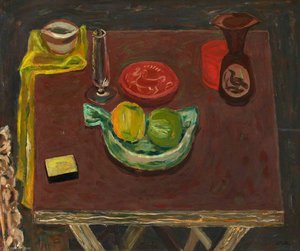
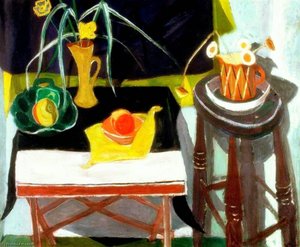
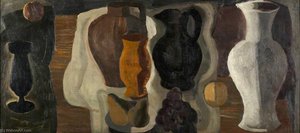
- Las obras tempranas, como “Dos Olla, Vaso y Fruta” (1933), demuestran esta influencia, mostrando una disposición inspirada en Cézanne con paletas de colores sobrias de Braque y Picasso.
- Un momento decisivo llegó en 1934 cuando se encontró con el trabajo de Paul Klee, lo que le inspiró a adoptar un uso más imaginativo del color y cualidades infantiles en sus composiciones.
- Gradualmente se alejó del Cubismo estricto, desarrollando un estilo distintivo arraigado en las tradiciones escocesas de paisajes y bodegones.
El Grupo 1922 y Espíritu Colaborativo
- En 1922, Gillies cofundó el “Grupo 1922” junto con otros artistas como William Crozier, William Geissler y William MacTaggart.
- Esta sociedad de exposiciones proporcionó una plataforma para que los artistas escoceses emergentes mostraran su trabajo en la New Gallery de Edimburgo durante diez años.
- El grupo fomentó un sentido de comunidad e innovación dentro del panorama artístico escocés.
Temas y Materia Prima
- Paisajes: Gillies es conocido por sus representaciones de las regiones de Lothian, Fife y Border de Escocia. Capturó la esencia de estos paisajes con un ojo sensible.
- Bodegones: Los bodegones fueron otro enfoque significativo, a menudo presentando cerámicas creadas por su hermana menor, Emma Smith Gillies, cuya muerte prematura en 1936 lo afectó profundamente.
- Retratos: Si bien experimentó con retratos al principio de su carrera, los paisajes y bodegones se convirtieron en sus temas principales.
Logros y Reconocimientos Importantes
- Gillies sirvió como Principal de la Escuela de Arte de Edimburgo desde 1959 hasta su jubilación en 1966.
- Su prolífica producción y dedicación a la enseñanza tuvieron una profunda influencia en las generaciones de pintores escoceses.
- Fue elegido Académico Real (RA), lo que significaba un reconocimiento significativo dentro del mundo del arte.
Significado Histórico e Legado
- Sir William George Gillies se considera uno de los pintores más importantes del siglo XX en Escocia.
- Su obra cierra la brecha entre el modernismo temprano y una identidad artística escocesa distintiva.
- Legado: Su influencia se extiende más allá de sus pinturas, dando forma a la dirección del arte escocés a través de su enseñanza y mentoría.
- Murió en 1973, dejando atrás un rico cuerpo de trabajo que sigue siendo celebrado por su belleza, sensibilidad y relevancia perdurable.
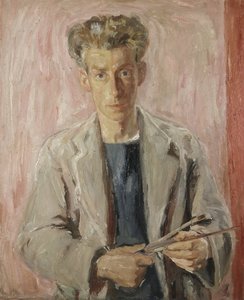
sir william george gillies
1898 - 1973 , United Kingdom
Datos clave
- Artistic Movement Or Style: Cubism, Scottish Colourists
- Artists Who Influenced This Artist:
- André Lhote
- Cézanne
- Braque
- Picasso
- Paul Klee
- Country: United Kingdom
- Date Of Birth: 1898
- Full Name: Sir William George Gillies
- Nationality: Scottish
- Notable Artworks:
- Young Boy with a Teapot
- Mediterranean Landscape with Overcast Sky
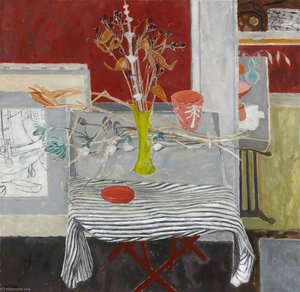
- Still Life – Yellow Jug and Striped Cloth
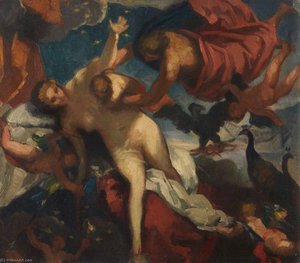
- The Origin of the Milky Way (after Jacopo Tintoretto)
- Place Of Birth: Haddington
Artículos relacionados
Sir William George Gillies: A Scottish Colourist's Journey Through Landscape & Abstraction
Explore the captivating world of Sir William George Gillies, a leading Scottish Colourist. Discover his journey from Cubism to iconic landscapes & still lifes. Expert insights for collectors and art enthusiasts.

Paul Cézanne: Las 25 Obras Maestras que Definieron el Arte Moderno | ArtsDot
Descubre las 25 obras maestras de Paul Cézanne que revolucionaron el arte moderno. Explora su técnica, inspiración y significado en paisajes, bodegones y retratos. Reproducciones de alta calidad para decorar tu hogar con arte inolvidable. ¡Explora la colección completa en ArtsDot.com!

Evocations of Place: A Historical Journey Through Landscape Art
Explore the rich history of landscape art with ArtsDot. Discover renowned artists, movements like Impressionism & Romanticism, and expert guidance for collecting timeless pieces. Find your perfect serene escape today!
Evocations of Place: A Historical Journey Through Landscape Art
Explore the rich history of landscape art with ArtsDot. Discover renowned artists, movements like Impressionism & tonalism, and expert guidance for collecting timeless pieces. Find your perfect serene escape today!
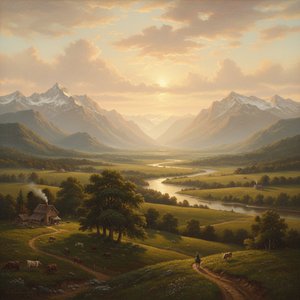
Thomas Hill: Luminosity, Landscape & the American Pastoral Ideal
Explore the luminous landscapes of Thomas Hill, a pivotal figure in the Hudson River School & Luminism movements. Discover his artistic journey, philosophical depth, and enduring legacy with ArtsDot.