

 Ver en contexto
 Enviar
 Compartir
 Detalles

 Descargar
 Similares
 Radiografía
 Presentación de diapositivas
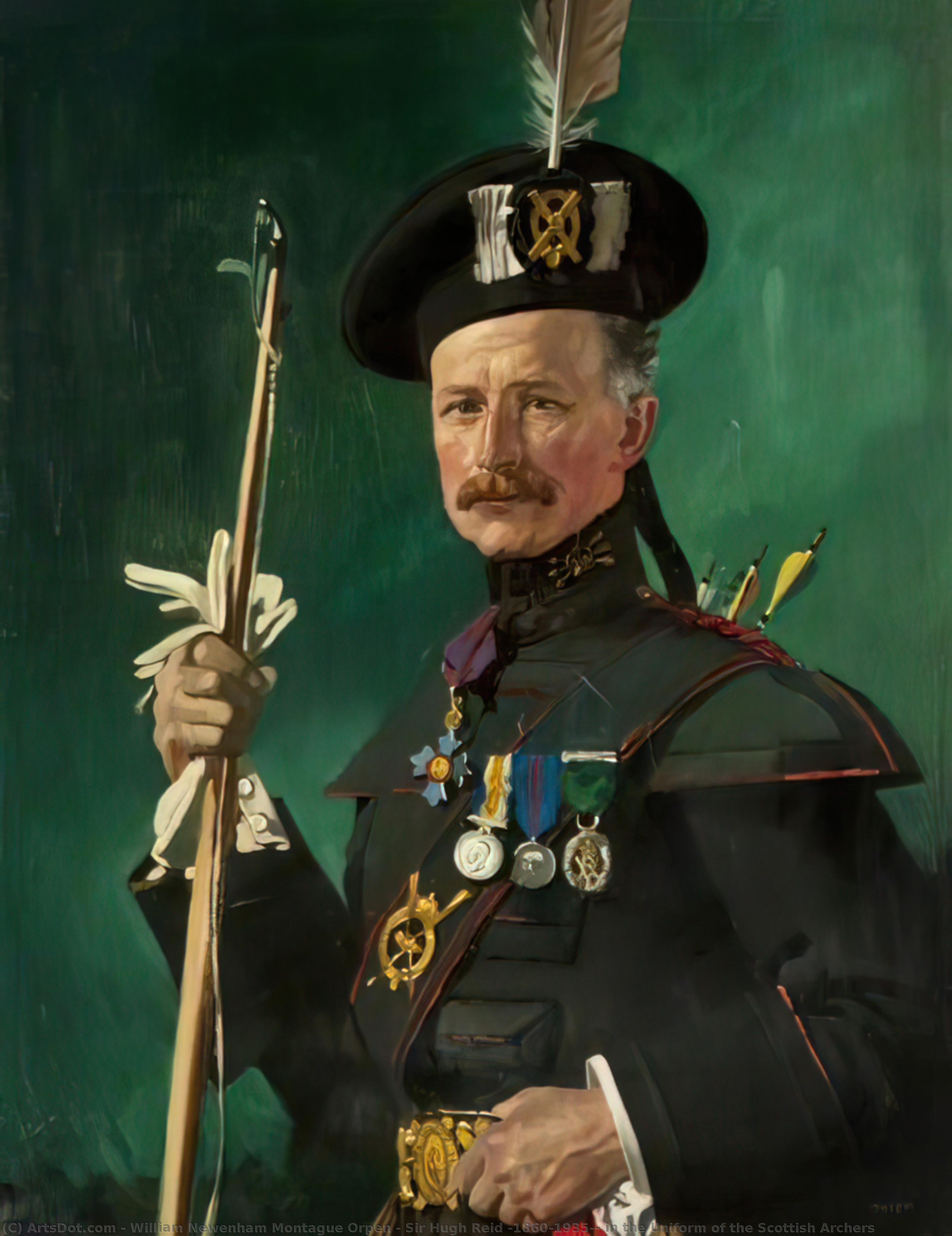
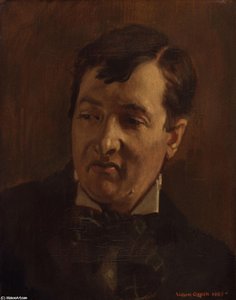
Sir Hugh Reid (1860–1935), in the Uniform of the Scottish Archers
 Oil On Canvas
- WallArt
- Realism
 1929
1929- 19th Century
 107.0 x 81.0 cm
 Ver más
Adquiera una imagen digital de alta resolución y optimizada, muy superior a la vista previa en línea.
Cada archivo es preparado meticulosamente por nuestros especialistas internos mediante el uso de herramientas avanzadas y un experto retoque manual. Nos aseguramos de que cada imagen posea una claridad excepcional, una precisión cromática impecable y un detalle minucioso.
El archivo final se entrega por correo electrónico en un plazo de 72 horas, optimizado para su uso inmediato en entornos profesionales, editoriales y de impresión. Esta es la misma calidad en la que confían los estudios de diseño, las editoriales y las galerías de primer nivel.
Imagen Digital
Descarga un archivo de alta resolución para exhibición personal, impresión y proyectos creativos. ( Comprar impresión Comprar pintura hecha a mano)
Incluido en cada pedido de imágenes digitales
Entrega digital experta, garantizada.
Al elegir ArtsDot.com, no solo está adquiriendo una imagen; está recibiendo una obra de arte digital mejorada profesionalmente, elaborada con precisión y respaldada por una garantía de satisfacción. Esto es todo lo que incluye su pedido, automáticamente:

Entrega rápida por email
Recibirá su archivo de imagen digital en alta resolución por correo electrónico en un plazo de 72 horas tras realizar su pedido, listo para su uso inmediato.

Archivo digital optimizado por IA
Su obra de arte se optimiza profesionalmente mediante herramientas avanzadas de IA y edición manual, garantizando el máximo detalle, claridad y precisión cromática.

Reenvío gratuito de por vida
¿Has borrado o perdido tu archivo por error? No te preocupes: te lo volveremos a enviar en cualquier momento, sin coste adicional.

Sin gastos de importación, siempre
Disfrute de su obra de arte al instante sin aduanas, aranceles ni gastos de envío; las descargas digitales siempre están libres de impuestos.

Garantía de fidelidad de color
Garantizamos que su imagen digital refleje los colores originales con la mayor fidelidad posible, mediante el uso de herramientas profesionales y gestión del color.

Garantía de satisfacción de 100 días
Si no está satisfecho con su imagen digital, la revisaremos o le reembolsaremos el 100% en un plazo de 100 días, sin preguntas.

100% Garantía de devolución de dinero
¿No está satisfecho? Obtenga un reembolso completo dentro de los 100 días posteriores a la recepción de su archivo digital, sin necesidad de explicaciones.

Descuentos por pedidos grandes
Compra 3 imágenes, ahorra 10% - Compra 5, ahorra 15% - Compra 10+, ahorra 20%. Ideal para proyectos creativos, galerías y agencias.
Sir Hugh Reid (1860–1935), in the Uniform of the Scottish Archers: A Portrait of Edwardian Distinction
Sir William Newenham Montague Orpen’s “Sir Hugh Reid (1860–1935), in the Uniform of the Scottish Archers” is more than a simple portrait; it's a meticulously rendered snapshot of a bygone era, capturing the dignified bearing and subtle power of a man deeply embedded within Scotland’s historic traditions. Executed in 1929, this oil on canvas offers a rare glimpse into Edwardian society through the eyes of one of Britain’s most accomplished war artists – an artist known for his unflinching realism and remarkable ability to immortalize both grand figures and quiet moments.
- Subject & Context: The painting depicts Sir Hugh Reid, a prominent figure associated with the Scottish Archers, a prestigious military organization steeped in centuries of Scottish archery heritage. This wasn’t merely a formal portrait; it was an affirmation of status and loyalty within a society still profoundly influenced by its martial past.
- Orpen's Technique: Orpen’s mastery is immediately apparent in the painting’s remarkably detailed execution. His draughtsmanship, honed through years of experience, allows for a precise rendering of Reid’s features – the graying hair, the thoughtful mustache, and the serious gaze directed slightly off-center. The artist skillfully employs light and shadow to sculpt Reid's form, creating a sense of volume and solidity that transcends the two-dimensional surface.
- Color & Texture: The muted palette—dominated by blacks, grays, and subtle greens—reflects the formality of the occasion and the period’s aesthetic sensibilities. Orpen’s use of texture is equally noteworthy; the rough fabric of Reid's coat, the polished wood of his arrow, and even the delicate feathers adorning his hat are rendered with a tactile realism that invites the viewer to almost reach out and touch the scene.
Symbolism & The Scottish Archers
Beyond the technical brilliance, “Sir Hugh Reid” is rich in symbolic meaning. The uniform itself – the black double-breasted coat, the medals and decorations signifying past achievements, and most notably, the feathered hat – are potent emblems of Scottish military tradition and aristocratic identity. The inclusion of the arrow, a central symbol of archery, reinforces this connection to a proud martial heritage. The Scottish Archers were not simply a sporting organization; they represented a lineage of skill, discipline, and loyalty, qualities highly valued in Edwardian Britain.
- Arrow as Symbol: The arrow held firmly in Reid’s hand is more than just a prop; it represents precision, focus, and the inherent power of the archer's craft. It speaks to a time when marksmanship was a highly valued skill, both for hunting and warfare.
- Medals & Decorations: The medals adorning Reid’s coat are not merely decorative elements; they represent his service and achievements within the Scottish Archers, signifying honor and recognition within the social hierarchy of the period.
A Window into Edwardian Society
Created in 1929, “Sir Hugh Reid” offers a valuable glimpse into the social landscape of Edwardian Britain – a society grappling with rapid industrialization while still clinging to traditional values and aristocratic customs. The painting’s formality reflects this duality, presenting Sir Hugh Reid as a figure both rooted in history and engaged with the present. Orpen's work, like many portraits of the era, served not just as a likeness but as a statement of identity and social standing.
This exceptional reproduction captures the essence of Orpen’s artistry and provides an opportunity to own a piece of significant historical and artistic value. Its meticulous detail and evocative portrayal make it a compelling addition to any art collection or a sophisticated element within interior design, transporting the viewer back to a time of elegance, tradition, and unwavering pride.
Obras relacionadas


Biografía del artista
Primeros años y formación
Sir William Newenham Montague Orpen, un renombrado artista irlandés, nació el 27 de noviembre de 1878 en Stillorgan, condado de Dublín. Era el cuarto y más joven hijo de Arthur Herbert Orpen, abogado, y Anne Caulfield, pintora aficionada. La primera infancia de Orpen estuvo marcada por una feliz niñez en Oriel, una gran casa con extensos terrenos. El talento artístico de Orpen fue evidente desde temprana edad. A los 13 años, se inscribió en la Escuela de Arte Metropolitana de Dublín, donde ganó todos los premios principales y la medalla de oro para dibujo a vivo de las Islas Británicas. Posteriormente estudió en la Slade School of Art entre 1897 y 1899, dominando la pintura al óleo y experimentando con diversas técnicas.Carrera artística
La carrera artística de Orpen se caracterizó por su excelente dominio del dibujo y sus exitosos retratos comercialmente rentables de la alta sociedad eduardiana. Sin embargo, muchas de sus pinturas más impactantes son autorretratos. Durante la Primera Guerra Mundial, fue el artista oficial más prolífico, produciendo 138 dibujos y pinturas que donó al gobierno británico y que ahora forman parte de la colección del Imperial War Museum.- Las conexiones de Sir William Newenham Montague Orpen con los rangos superiores del ejército británico le permitieron permanecer más tiempo en Francia que otros artistas de guerra oficiales.
- Fue nombrado Caballero Comendador de la Orden del Imperio Británico en 1918 y elegido miembro de la Royal Academy of Arts.
- La determinación de Orpen de servir como artista de guerra le costó tanto su salud como su posición social en Inglaterra.
Obras notables y legado
- La escena de la obra Hamlet, una pintura de dos metros de ancho, ganó el premio Slade Composition Prize en 1899.
- El espejo, expuesta en el New English Art Club en 1900, hace referencia al retrato de Arnolfini de Jan van Eyck y a elementos de los interiores holandeses del siglo XVII.
- Mediodía en la playa, expuesta en el New English Art Club en 1910, muestra su distintivo estilo *plein-air*.
Museos y colecciones
- El Imperial War Museum alberga las 138 obras donadas por Orpen, incluidos dibujos y pinturas de la Primera Guerra Mundial.
- La colección del British Council, operada por la Galería de Arte Hugh Lane y el Ayuntamiento de Dublín, presenta una amplia gama de obras de arte, incluidas las de artistas reconocidos como Morris Louis, William Larkin y Alison Watt.
- El museo de la Facultad de Lengua Inglesa y Literatura en Oxford, Reino Unido, es un tesoro para los entusiastas de la literatura, con obras de arte que muestran la rica historia de la literatura inglesa.
Conclusión
El legado artístico de Sir William Newenham Montague Orpen es un testimonio de su maestría en el retrato eduardiano. Sus contribuciones a la colección del Imperial War Museum y su impacto en la escena artística británica son innegables. Explore más obras de Orpen y otros artistas notables en ArtsDot.com, y descubra el mundo del arte con las tranquilas escenas de género de Gerard ter Borch o los meticulosos grabados de Edward Fisher.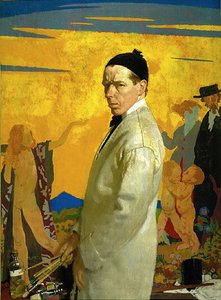
Sir William Newenham Montague Orpen
1878 - 1931 , Irlanda
Breves datos
- Artistas Que Influyeron: ['Jan van Eyck']
- Estilo Artístico: Realismo, Plein-air
- Fecha De Fallecimiento: 1931
- Fecha De Nacimiento: 27 de noviembre de 1878
- Lugar De Nacimiento: Stillorgan, Irlanda
- Nacionalidad: Irlandés
- Nombre Completo: Sir William Newenham Montague Orpen
- Obras Notables:
- The Play Scene from Hamlet
- The Mirror
- Midday on the Beach