 Ver en contexto
 Enviar
 Compartir
 Detalles

 Descargar
 Similares
 Radiografía
 Presentación de diapositivas
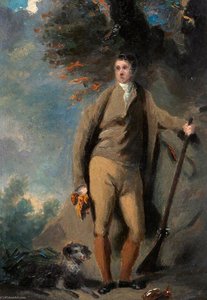
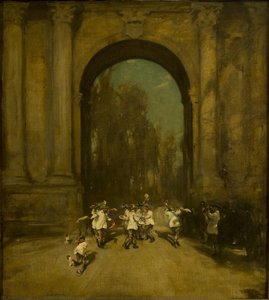
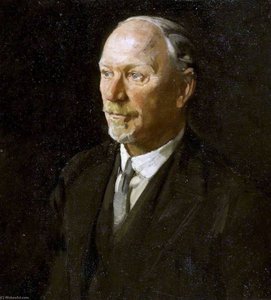
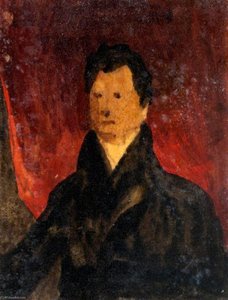
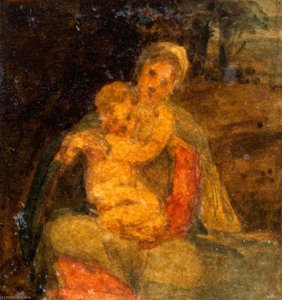
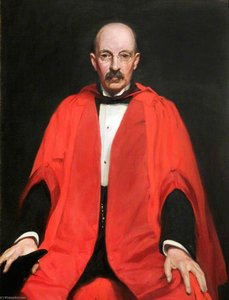
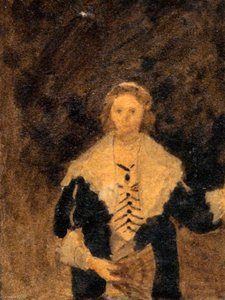
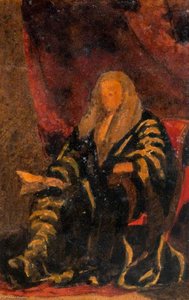
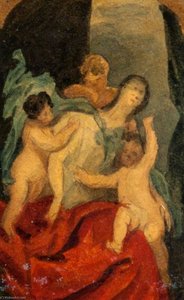
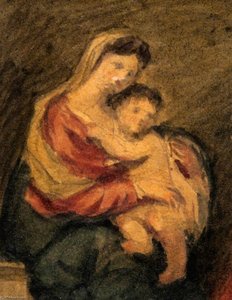
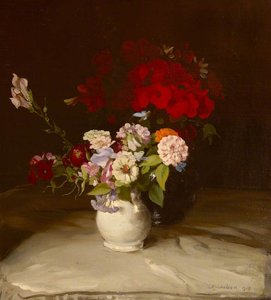
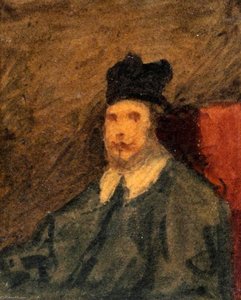
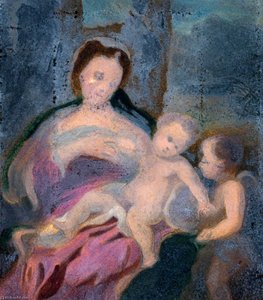
Album Copies of Old Masters and other Paintings (no.15, p.9)


 Ver más
Giclée / Impresión de arte
Impresiones giclée o en lienzo de calidad de museo con producción rápida y opciones de acabado flexibles. ( Comprar pintura hecha a mano Comprar imagen)




P118B $10

P118H $10

P118W $10

P438Z $10

P508JH $12

P508YH $12

P805H $10

P805Z $10

P919BZ $10

P919G $10

P919XJ $10

P959ZH $10

P968JZ $12

W106C $8

W218G $10

W218JH $8

W218Y $10

W307PJ $10

W316G $10

W316PJ $8

W316Y $10

W398PJ $8

W4111J $10

W500HY $15

W500JH $15

W692G $12

W849H $8

W940BG $15

W953PJ $8




Elija entre nuestros tamaños predefinidos que respetan las proporciones originales de la obra.

Puede introducir sus propias dimensiones para adaptarse a un marco o espacio específico. Si el tamaño seleccionado no coincide con las proporciones de la imagen original, recortaremos la obra de arte o extenderemos la imagen con un borde con efecto espejo o de color sólido. Se enviará una maqueta digital para su aprobación antes de que comience la producción.
Tenga en cuenta que la vista previa en pantalla no refleja el recorte o la extensión real. Solo la maqueta mostrará con precisión la composición final.
Aunque existen tamaños personalizados, recomendamos seleccionar una dimensión de la lista predefinida para preservar las proporciones originales.
Envío a todo el mundo () en 2 semanas en lugar de las 4/5 semanas estándar. (3 septiembre)

Envío exprés gratuito a todo el mundo

Lienzo de lino de alta calidad

Seguro de envío total

Garantía de reembolso de impuestos aduaneros

Garantía de fidelidad cromática exacta

Política de devolución de 60 días (solo por defectos)

Garantía de devolución del 100% del dinero

Descuento por cantidad
 La opción de vidrio solo está disponible en tamaños inferiores a 110 cm.

Album Copies of Old Masters and other Paintings (no.15, p.9)
Giclée / Impresión de arte
Dimensiones de la reproducción
-


Precio total final
$ 62
A Serene Portrait of an Era
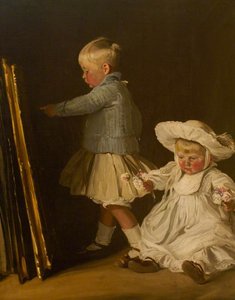
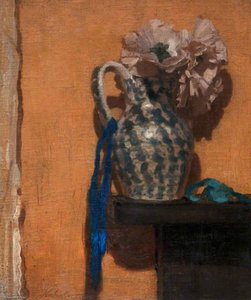
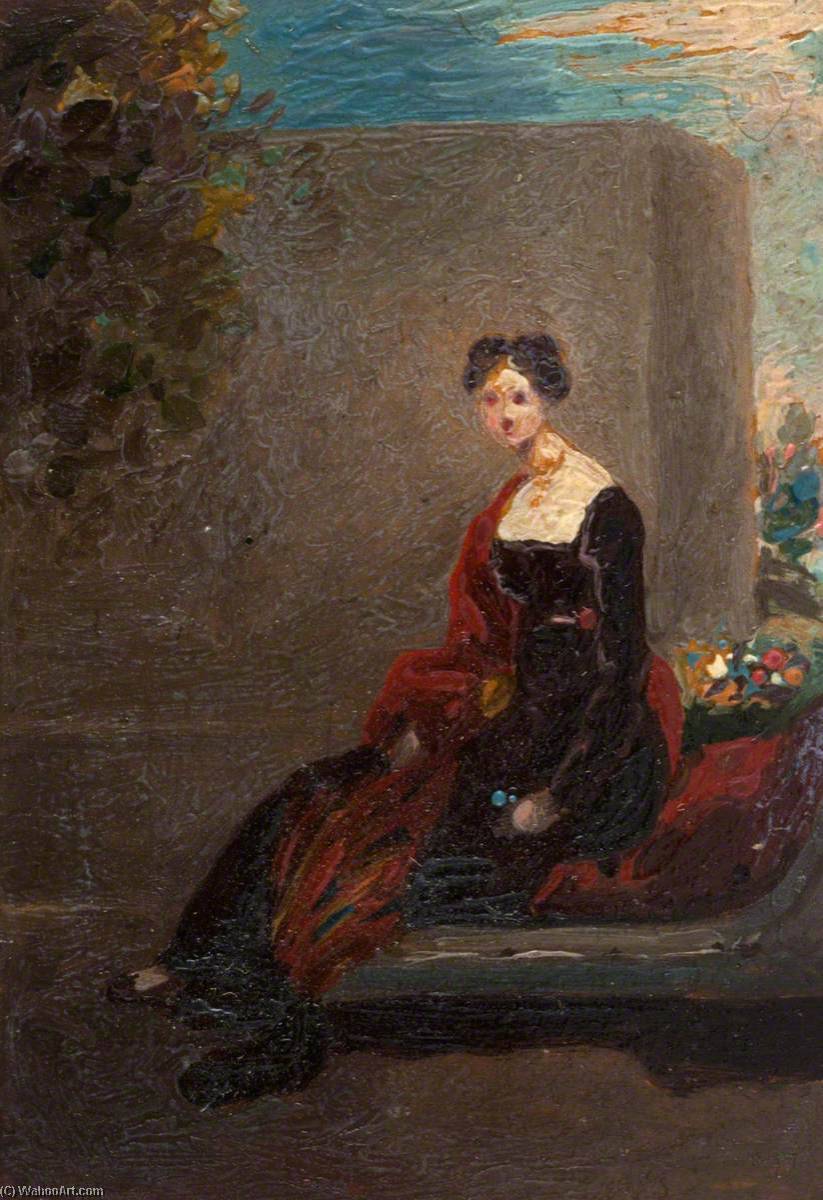
Sir William Nicholson’s “Album Copies of Old Masters and other Paintings” – specifically this exquisite rendition of a woman in red – offers a captivating glimpse into the artistic sensibilities of late 19th-century Britain. More than just a simple portrait, it's a carefully constructed tableau, imbued with the quiet elegance and subtle symbolism characteristic of Nicholson’s oeuvre. The painting, executed in oil on canvas, immediately draws the eye with its harmonious palette – the dominant red of the woman’s dress acting as a vibrant counterpoint to the muted tones of her attire and the surrounding setting. This masterful use of color establishes an immediate sense of drama and intimacy, inviting the viewer into a private moment.
Nicholson's style leans heavily towards Impressionism, yet retains a distinctly British sensibility. Notice the loose brushstrokes, capturing not just the likeness of the subject but also the play of light and shadow across her face and garments. The textured impasto – thick application of paint – adds depth and physicality to the image, lending it a tactile quality that’s both engaging and remarkably detailed. This technique was particularly favored by Nicholson, allowing him to build up layers of color and create a sense of three-dimensionality rarely achieved through smoother painting styles.
The Beggarstaff Legacy & Collaborative Spirit
Understanding the context of this work is crucial to appreciating its full significance. Sir William Nicholson was a pivotal figure in the “Beggarstaffs,” a celebrated graphic design partnership with his brother-in-law, James Pryde. This collaboration began in 1893 and produced an astonishing body of posters, advertisements, and illustrations – all characterized by their bold lines, striking compositions, and often darkly humorous subject matter. The Beggarstaffs’ approach was revolutionary for its time, blending fine art techniques with commercial design, and influencing generations of artists and designers. The “Album Copies” series itself reflects this spirit of experimentation and cross-pollination, drawing upon the couple's diverse artistic experiences.
Nicholson’s background as a painter, illustrator, and printmaker is evident in every brushstroke. He was deeply influenced by Whistler, whose emphasis on capturing fleeting moments of light and color profoundly shaped his own style. The composition echoes Whistler’s aesthetic – a focus on atmosphere and mood rather than literal representation. The woman's pose, with her hands clasped gently before her, conveys a sense of quiet contemplation and inner peace, while the potted plant and vase subtly enhance the scene’s decorative quality.
Symbolism & The Portrait as Window
Beyond its aesthetic appeal, the painting is rich in symbolic meaning. The red dress, often associated with passion, vitality, and even danger, immediately commands attention. It suggests a woman of strength and character, yet also hints at an underlying vulnerability. The setting – a simple bench bathed in soft light – creates a sense of intimacy and privacy, as if we’ve been granted access to a private moment in her life. The inclusion of the plant and vase adds layers of meaning, representing growth, beauty, and perhaps even remembrance.
Nicholson's portraits were not merely likenesses; they were carefully constructed narratives designed to reveal something about the subject’s personality and inner world. This particular portrait invites us to speculate about the woman’s life – her hopes, dreams, and experiences. It is a timeless image that transcends its historical context, speaking to universal themes of beauty, grace, and human connection. The painting's small size (6 x 4 cm) makes it an intimate treasure, perfect for adorning a bedside table or adding a touch of elegance to any room.
A Legacy in Reproduction & Artistic Appreciation
Today, thanks to the meticulous work of artists like Sir William Nicholson, we can experience this masterpiece through high-quality reproductions. The ability to bring such beauty into our homes is a testament to the enduring appeal of art and its power to enrich our lives. Whether you’re an avid collector, an interior designer seeking inspiration, or simply someone who appreciates exquisite craftsmanship, this painting offers a unique opportunity to connect with a pivotal moment in British art history.
Obras relacionadas
Biografía del artista
Primeros años y formación
Sir William Newzam Prior Nicholson, un reconocido pintor británico, nació el 5 de febrero de 1872 en Newark-on-Trent. Era el hijo menor de William Newzam Nicholson, un industrial y diputado conservador, y su esposa Annie Elizabeth Prior. Desde los nueve años, Nicholson asistió a la Escuela Gramática Magnus, donde recibió clases de arte de William Cubley, pintor y político.Carrera artística
La carrera artística de Nicholson puede dividirse en varias fases, cada una marcada por un estilo y medio único. En sus primeros veinte años, colaboró con su cuñado James Pryde en el diseño de carteles y trabajos gráficos, produciendo carteles innovadores que mostraban la audacia de sus contornos y la simplicidad de su tratamiento.- La asociación Beggarstaff (1893-1898): La colaboración de Nicholson con James Pryde dio como resultado una serie de carteles revolucionarios, incluyendo Don Quijote (1895) y Harper's Magazine (1895).
- Xilografía y grabado en madera (1900s): Nicholson evolucionó a partir de los carteles, desarrollando un estilo personal que explotó a través de las técnicas de xilografía y grabado en madera.
- Pintura (1910s): Se concentró en la pintura, animado por Whistler, y expuso por primera vez como pintor en la Sociedad Internacional.
Obras notables y exposiciones
Algunas de las obras más destacadas de Nicholson incluyen:- Lady in Furs, Mme. P. (c.1907), un retrato que muestra su dominio para capturar la esencia de sus sujetos.
- The Lowestoft Bowl (1911), una pintura de bodegón que demuestra su atención al detalle y el uso del color.
- Estudio para 'Plaza de Toros, Málaga' (1935), un paisaje que destaca su capacidad para capturar la atmósfera de un lugar.
Influencias y desarrollo artístico
Nicholson recibió una fuerte influencia de Whistler, quien lo animó en sus primeros años como artista. Su estilo evolucionó a través de varias etapas: desde los carteles gráficos con Pryde bajo el seudónimo Beggarstaff, hasta las detalladas xilografías y finalmente a la pintura de retratos, bodegones y paisajes. Su trabajo refleja una búsqueda constante de simplicidad y elegancia, caracterizada por líneas claras, colores sutiles y una atención meticulosa al detalle. La influencia de Whistler es evidente en su enfoque del retrato, buscando capturar no solo la apariencia física sino también la personalidad y el carácter del sujeto.Legado e importancia histórica
Las obras de Nicholson se encuentran en varios museos importantes, incluyendo la Tate Britain y las Galerías Nacionales de Escocia. Su contribución al arte gráfico británico a finales del siglo XIX y principios del XX es significativa, especialmente su trabajo con Pryde como Beggarstaff, que influyó en el diseño de carteles modernos. Además, sus retratos de figuras prominentes de la época ofrecen una valiosa documentación visual de la sociedad británica durante ese período. Su habilidad para combinar técnicas tradicionales con un estilo moderno lo convierte en una figura importante en la historia del arte británico.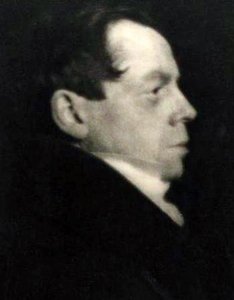
Sir William Nicholson
1872 - 1949 , Reino Unido
Datos clave
- Estilo Artístico: Modernismo, Postimpresionismo
- Fecha De Fallecimiento: 16 de mayo de 1949
- Fecha De Nacimiento: 5 de febrero de 1872
- Influencias Artísticas: ['Whistler']
- Lugar De Nacimiento: Newark, Reino Unido
- Nacionalidad: Británico
- Nombre Completo: Sir William Newzam Prior Nicholson
- Obras Notables:
- Lady in Furs, Mme. P.
- The Lowestoft Bowl
- Study for 'Plaza de Toros'
Artículos relacionados

Crimson Threads of Narrative: Exploring Symbolism & Representation in Artworks Featuring the Red Dress
Explore the rich symbolism of the red dress in art history! From ancient power displays to iconic portraits like Cézanne’s 'Madame Cezanne', discover the cultural and artistic significance behind this captivating color. Expert analysis & insights.
Sir William Nicholson: A Study in Post-Impressionist Portraiture & Decorative Modernism
Explore the life & work of Sir William Nicholson, a pivotal British Post-Impressionist painter. Discover his striking portraits, innovative woodcuts, and lasting influence on early 20th-century art. Expert insights for collectors.

The Enduring Legacy of Oil on Canvas: Technique, History & Aesthetic Impact
Explore the rich history & techniques of oil painting – from Renaissance masters to Impressionism. Discover pigments, layering methods, and why this timeless medium endures. Expert insights for artists & art enthusiasts.

El Óleo sobre Lienzo: Historia, Técnica y la Persistencia de un Medio Artístico Atemporal
Descubre la historia y técnica del óleo sobre lienzo. Explora reproducciones fieles hechas a mano, personalización artística y consejos de expertos con ArtsDot. ¡Colecciona arte con confianza!

The Enduring Power of Painting: A Historical & Contemporary Exploration of Form and Emotion
Explore the rich history & enduring techniques of oil painting with ArtsDot. Discover masterpieces, learn about art collecting, and find authentic handmade reproductions crafted by skilled artists.