 Ver en contexto
 Enviar
 Compartir
 Detalles

 Descargar
 Similares
 Radiografía
 Presentación de diapositivas
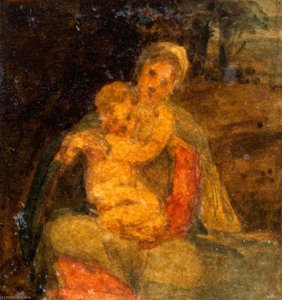
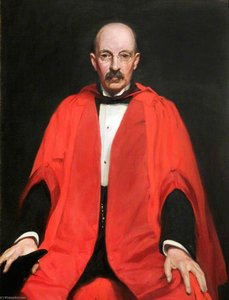
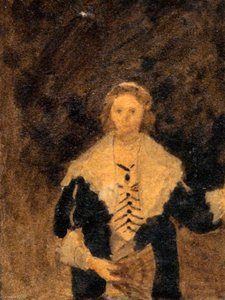
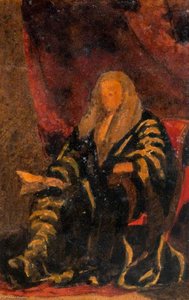
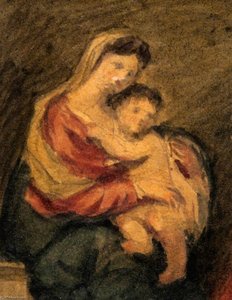
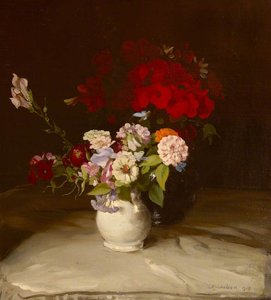
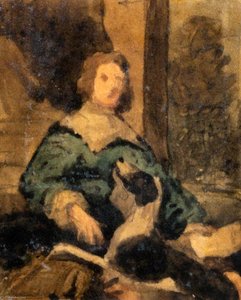
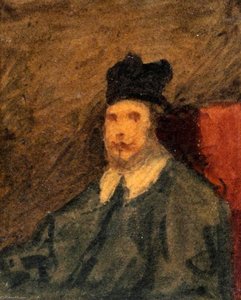
Album Copies of Old Masters and other Paintings (no.52, p.26)


 Ver más
Reproducción al óleo hecha a mano
Óleo sobre lienzo pintado a mano en el tamaño y marco de su elección, realizado por encargo por nuestros artistas. ( Comprar impresión Comprar imagen)




P118B $10

P118H $10

P118W $10

P438Z $10

P508JH $12

P508YH $12

P805H $10

P805Z $10

P919BZ $10

P919G $10

P919XJ $10

P959ZH $10

P968JZ $12

W106C $8

W218G $10

W218JH $8

W218Y $10

W307PJ $10

W316G $10

W316PJ $8

W316Y $10

W398PJ $8

W4111J $10

W500HY $15

W500JH $15

W692G $12

W849H $8

W940BG $15

W953PJ $8




Elija entre nuestros tamaños predefinidos que respetan las proporciones originales de la obra.

Puede ingresar sus propias dimensiones para adaptarse a un marco o espacio específico. Si el tamaño seleccionado no coincide con las proporciones de la imagen original, recortaremos la obra o extenderemos la pintura con elementos adicionales pintados a mano. Se le enviará una maqueta digital para su aprobación antes de comenzar la producción.
Tenga en cuenta que la vista previa en pantalla no refleja el recorte o la extensión reales. Solo la maqueta mostrará con precisión la composición final.
Si bien existen tamaños personalizados, recomendamos seleccionar una dimensión de la lista predefinida para preservar las proporciones originales.
Tras realizar el pedido, el equipo de ArtsDot.com enviará un correo electrónico al cliente para solicitar instrucciones y proporcionarle una vista previa del boceto.
Envío a todo el mundo () en 3-4 semanas en lugar de las 5 semanas estándar. (1 septiembre). Sin comprometer la calidad.

Envío exprés gratuito a todo el mundo

Lienzo de lino de alta calidad

Seguro de envío total

Garantía de reembolso de impuestos aduaneros

Garantía de fidelidad cromática exacta

Política de devolución de 60 días (solo por defectos)

Garantía de devolución del 100% del dinero

Descuento por cantidad
 La opción de vidrio solo está disponible en tamaños inferiores a 110 cm.

Album Copies of Old Masters and other Paintings (no.52, p.26)
Técnica de reproducción
Dimensiones de la reproducción
-


Precio total final
$ 263
A Window into Victorian Sentiment: Sir William Nicholson’s Album Copy of ‘Charles I with M. de St Antoine’
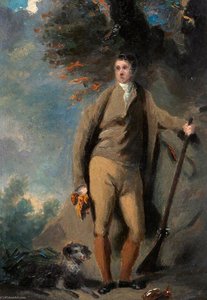
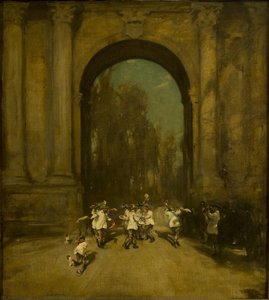
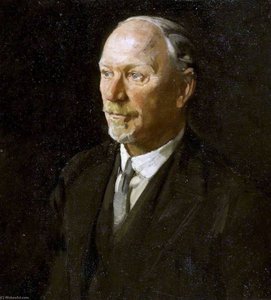
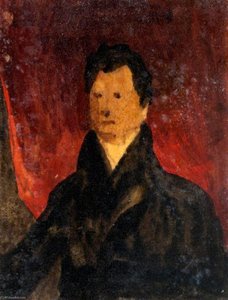
Sir William Nicholson's "Album Copies of Old Masters and other Paintings," specifically this intimate rendition of Anthony van Dyck’s iconic portrait, offers a captivating glimpse into the artistic sensibilities of 19th-century Britain. More than just a faithful reproduction, it embodies a deliberate act of homage—a scholar’s study, an artist's meditation, and a testament to the enduring power of classical imagery. Nicholson, born in Newark in 1872, navigated a career marked by diverse mediums, from woodcuts to portraiture, yet consistently demonstrated a profound understanding of composition, light, and emotional resonance.
The painting itself is a masterful exercise in controlled imitation. Nicholson meticulously recreated Van Dyck’s original, capturing the sumptuous fabrics, the carefully rendered details of the figures' clothing, and the subtle interplay of light and shadow. However, Nicholson isn’t merely copying; he subtly alters the scene, imbuing it with his own distinct artistic voice. The background is deepened, creating a richer, more atmospheric space than Van Dyck’s original, while the red hues are intensified, lending a dramatic intensity to the composition. This shift suggests not a rejection of the master but an expansion upon his vision, a conversation between artist and artist across time.
The Victorian Context: Sentimentality and Artistic Reverence
To fully appreciate Nicholson’s work, it's crucial to understand the prevailing artistic and cultural climate of the mid-19th century. Victorian England was an era deeply invested in sentimentality—a fascination with emotion, nostalgia, and the idealized past. Portraiture flourished as a means of commemorating individuals and families, often imbued with carefully constructed narratives of lineage and social standing. Album copies, like this one, were particularly popular; they allowed collectors to own affordable reproductions of celebrated works, fostering a widespread appreciation for art within increasingly affluent households.
The act of commissioning an album copy wasn’t simply about acquiring a beautiful image; it was often a demonstration of erudition and artistic taste. Owners would display these copies prominently, signaling their knowledge of the classical canon and their commitment to preserving artistic heritage. Nicholson's work, therefore, represents more than just a painting—it embodies a specific social and cultural practice.
Decoding Symbolism: Power, Status, and Courtly Intrigue
Van Dyck’s original portrait depicts Charles I of England and his secretary, Michel de St. Antoine, in a scene of relaxed formality. The arrangement speaks volumes about the power dynamics at play – Charles, resplendent in velvet and jewels, holds court while St. Antoine attentively listens. Nicholson faithfully reproduces this visual language, reinforcing the established hierarchy. However, subtle shifts in color and brushwork hint at a deeper layer of meaning.
The red background, for instance, can be interpreted as symbolizing royal authority and power. The careful rendering of the fabrics suggests wealth and status, while the intimate setting hints at a private conversation—a carefully constructed tableau of courtly intrigue. Nicholson’s choices subtly amplify these themes, inviting viewers to contemplate the complexities of power and social interaction within the context of 17th-century England.
A Legacy of Reproduction: Art for the Masses
This particular album copy exemplifies a fascinating trend in art history—the democratization of artistic appreciation. The rise of mass reproduction techniques, coupled with increasing literacy and access to printed materials, made high art more accessible than ever before. Artists like Nicholson recognized the potential of these reproductions to cultivate a wider audience for classical masterpieces.
Furthermore, the process itself – the meticulous copying—became an artistic endeavor in its own right. Nicholson’s skill lay not just in replicating Van Dyck's image but in imbuing it with his own stylistic nuances and emotional sensibility. This work serves as a reminder that art reproduction is not merely a technical exercise; it’s a creative act, a dialogue between past and present, and a testament to the enduring appeal of artistic beauty.
Obras relacionadas
Biografía del artista
Primeros años y formación
Sir William Newzam Prior Nicholson, un reconocido pintor británico, nació el 5 de febrero de 1872 en Newark-on-Trent. Era el hijo menor de William Newzam Nicholson, un industrial y diputado conservador, y su esposa Annie Elizabeth Prior. Desde los nueve años, Nicholson asistió a la Escuela Gramática Magnus, donde recibió clases de arte de William Cubley, pintor y político.Carrera artística
La carrera artística de Nicholson puede dividirse en varias fases, cada una marcada por un estilo y medio único. En sus primeros veinte años, colaboró con su cuñado James Pryde en el diseño de carteles y trabajos gráficos, produciendo carteles innovadores que mostraban la audacia de sus contornos y la simplicidad de su tratamiento.- La asociación Beggarstaff (1893-1898): La colaboración de Nicholson con James Pryde dio como resultado una serie de carteles revolucionarios, incluyendo Don Quijote (1895) y Harper's Magazine (1895).
- Xilografía y grabado en madera (1900s): Nicholson evolucionó a partir de los carteles, desarrollando un estilo personal que explotó a través de las técnicas de xilografía y grabado en madera.
- Pintura (1910s): Se concentró en la pintura, animado por Whistler, y expuso por primera vez como pintor en la Sociedad Internacional.
Obras notables y exposiciones
Algunas de las obras más destacadas de Nicholson incluyen:- Lady in Furs, Mme. P. (c.1907), un retrato que muestra su dominio para capturar la esencia de sus sujetos.
- The Lowestoft Bowl (1911), una pintura de bodegón que demuestra su atención al detalle y el uso del color.
- Estudio para 'Plaza de Toros, Málaga' (1935), un paisaje que destaca su capacidad para capturar la atmósfera de un lugar.
Influencias y desarrollo artístico
Nicholson recibió una fuerte influencia de Whistler, quien lo animó en sus primeros años como artista. Su estilo evolucionó a través de varias etapas: desde los carteles gráficos con Pryde bajo el seudónimo Beggarstaff, hasta las detalladas xilografías y finalmente a la pintura de retratos, bodegones y paisajes. Su trabajo refleja una búsqueda constante de simplicidad y elegancia, caracterizada por líneas claras, colores sutiles y una atención meticulosa al detalle. La influencia de Whistler es evidente en su enfoque del retrato, buscando capturar no solo la apariencia física sino también la personalidad y el carácter del sujeto.Legado e importancia histórica
Las obras de Nicholson se encuentran en varios museos importantes, incluyendo la Tate Britain y las Galerías Nacionales de Escocia. Su contribución al arte gráfico británico a finales del siglo XIX y principios del XX es significativa, especialmente su trabajo con Pryde como Beggarstaff, que influyó en el diseño de carteles modernos. Además, sus retratos de figuras prominentes de la época ofrecen una valiosa documentación visual de la sociedad británica durante ese período. Su habilidad para combinar técnicas tradicionales con un estilo moderno lo convierte en una figura importante en la historia del arte británico.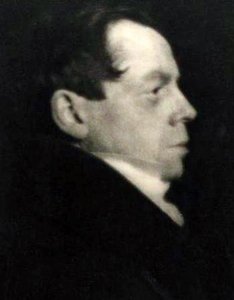
Sir William Nicholson
1872 - 1949 , Reino Unido
Datos clave
- Estilo Artístico: Modernismo, Postimpresionismo
- Fecha De Fallecimiento: 16 de mayo de 1949
- Fecha De Nacimiento: 5 de febrero de 1872
- Influencias Artísticas: ['Whistler']
- Lugar De Nacimiento: Newark, Reino Unido
- Nacionalidad: Británico
- Nombre Completo: Sir William Newzam Prior Nicholson
- Obras Notables:
- Lady in Furs, Mme. P.
- The Lowestoft Bowl
- Study for 'Plaza de Toros'
Artículos relacionados
Sir William Nicholson: A Study in Post-Impressionist Portraiture & Decorative Modernism
Explore the life & work of Sir William Nicholson, a pivotal British Post-Impressionist painter. Discover his striking portraits, innovative woodcuts, and lasting influence on early 20th-century art. Expert insights for collectors.
William Powell Frith: Narratives of Victorian Society & the Rise of Realist Painting
Explore the life & works of William Powell Frith, the 'greatest British painter of social scenes.' Discover his iconic Victorian genre paintings and learn about his lasting impact on realist art. Hand-painted reproductions available.
R.A. Benjamin Williams: Victorian Genre Painting & Social Commentary
Explore the captivating world of Benjamin Williams Leader's Victorian genre paintings. Discover his mastery of naturalism, social commentary & lasting influence on British art. Expert insights at ArtsDot.
William Salter: A Life Immersed in Colour – Victorian Botanical Art & Social Vision
Explore the life & art of William Salter (1804-1875), a Victorian master renowned for his botanical illustrations and striking portraits. Discover his social vision & legacy at ArtsDot.
William Etty: Rediscovering Victorian Sensibility & the Sublime in Historical Painting
Explore the captivating world of William Etty, a pioneering Victorian artist famed for his dramatic historical paintings and groundbreaking nude figures. Discover his life, controversial reception, and enduring legacy with our expert analysis.