 Ver en contexto
 Enviar
 Compartir
 Detalles

 Descargar
 Similares
 Radiografía
 Presentación de diapositivas
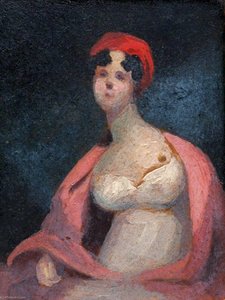
Album Copies of Old Masters and other Paintings (p.46)


 Ver más
Reproducción al óleo hecha a mano
Óleo sobre lienzo pintado a mano en el tamaño y marco de su elección, realizado por encargo por nuestros artistas. ( Comprar impresión Comprar imagen)




P118B $10

P118H $10

P118W $10

P438Z $10

P508JH $12

P508YH $12

P805H $10

P805Z $10

P919BZ $10

P919G $10

P919XJ $10

P959ZH $10

P968JZ $12

W106C $8

W218G $10

W218JH $8

W218Y $10

W307PJ $10

W316G $10

W316PJ $8

W316Y $10

W398PJ $8

W4111J $10

W500HY $15

W500JH $15

W692G $12

W849H $8

W940BG $15

W953PJ $8




Elija entre nuestros tamaños predefinidos que respetan las proporciones originales de la obra.

Puede ingresar sus propias dimensiones para adaptarse a un marco o espacio específico. Si el tamaño seleccionado no coincide con las proporciones de la imagen original, recortaremos la obra o extenderemos la pintura con elementos adicionales pintados a mano. Se le enviará una maqueta digital para su aprobación antes de comenzar la producción.
Tenga en cuenta que la vista previa en pantalla no refleja el recorte o la extensión reales. Solo la maqueta mostrará con precisión la composición final.
Si bien existen tamaños personalizados, recomendamos seleccionar una dimensión de la lista predefinida para preservar las proporciones originales.
Tras realizar el pedido, el equipo de ArtsDot.com enviará un correo electrónico al cliente para solicitar instrucciones y proporcionarle una vista previa del boceto.
Envío a todo el mundo () en 3-4 semanas en lugar de las 5 semanas estándar. (2 septiembre). Sin comprometer la calidad.

Envío exprés gratuito a todo el mundo

Lienzo de lino de alta calidad

Seguro de envío total

Garantía de reembolso de impuestos aduaneros

Garantía de fidelidad cromática exacta

Política de devolución de 60 días (solo por defectos)

Garantía de devolución del 100% del dinero

Descuento por cantidad
 La opción de vidrio solo está disponible en tamaños inferiores a 110 cm.

Album Copies of Old Masters and other Paintings (p.46)
Técnica de reproducción
Dimensiones de la reproducción
-


Precio total final
$ 263
A Window into Victorian Society: Sir William Nicholson’s Album Copy
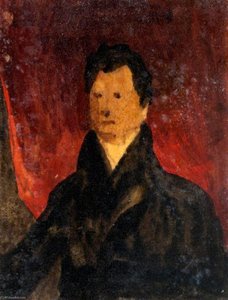
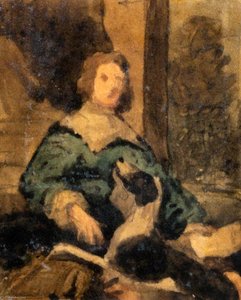
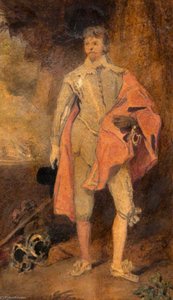
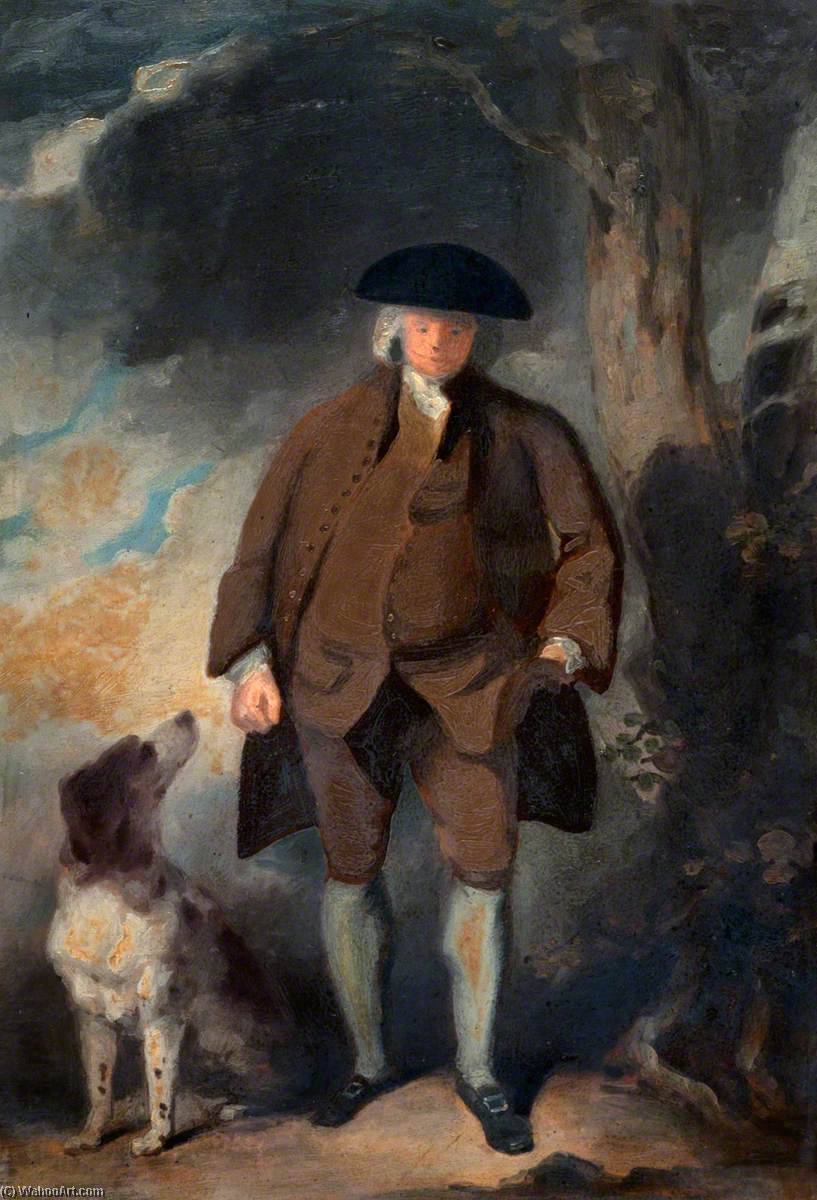
Sir William Newzam Prior Nicholson's "Album Copies of Old Masters and other Paintings," specifically this rendition of an unidentified masterwork, offers a captivating glimpse into the social fabric and artistic sensibilities of 19th-century Britain. Dating from around 1890, this piece transcends mere reproduction; it’s a carefully considered interpretation, imbued with Nicholson's distinctive style and reflecting the prevailing aesthetic trends of his time. The image itself depicts a gentleman, formally dressed in the attire characteristic of the late Victorian era – a dark coat, a high-collared shirt, and a distinguished black hat – accompanied by a loyal dog. This seemingly simple composition speaks volumes about the values and relationships prevalent within British society at the turn of the century.
Nicholson’s approach to creating these “Album Copies” wasn't simply about replicating an existing artwork; it was a process of distillation, of capturing the essence of the original while imbuing it with his own artistic voice. He frequently employed a technique known as "imposto," where he would paint directly onto the back of a printed image, layering his brushstrokes and adding subtle variations in color and tone. This method allowed him to maintain the crispness of the print while simultaneously injecting a sense of immediacy and spontaneity into the work. The resulting paintings possess a remarkable depth and texture, achieved through the skillful application of thick impasto – a technique where paint is applied heavily, creating a three-dimensional surface.
The Language of Portraiture: Symbolism and Composition
The composition itself is meticulously crafted to convey a sense of quiet dignity and restrained emotion. The man’s posture, slightly turned away from the viewer, suggests both reserve and contemplation. His gaze, though unseen, invites the observer into his world. The dog, positioned beside him, serves as a potent symbol of loyalty, companionship, and perhaps even social standing – a common motif in Victorian art reflecting the close bonds between humans and animals within the era’s hierarchical society.
The background, featuring a cloudy sky and a distant tree line, provides a subtle yet effective contrast to the figure's formality. The muted palette of dark browns, greys, and blues evokes a sense of melancholy or introspection, while strategically placed highlights – particularly on the dog’s coat and patches of light in the sky – draw attention to key elements within the composition. The overall effect is one of understated elegance and quiet observation, characteristic of Nicholson's mature style.
A Masterclass in Technique: Nicholson’s Approach
Nicholson was a remarkably versatile artist, working across various mediums including painting, watercolor, and illustration. However, his Album Copies stand out for their technical brilliance and innovative approach to reproduction. He wasn’t merely copying; he was transforming. His use of color is particularly noteworthy – he often employed a technique called “tonal underpainting,” building up layers of color beneath the final surface layer to create depth and luminosity. This layering process, combined with his masterful control of brushwork, results in paintings that possess an extraordinary sense of realism and atmospheric quality.
Furthermore, Nicholson’s understanding of light and shadow is exceptional. He skillfully manipulated these elements to create a dramatic effect, emphasizing the contours of the figure's clothing and highlighting key features within the composition. This attention to detail elevates the work beyond a simple copy, transforming it into a compelling visual narrative.
Collecting an Echo of Victorian England
Reproductions of Sir William Nicholson’s Album Copies offer a unique opportunity to bring a piece of 19th-century British society into your home or studio. These works are not just beautiful images; they are windows into a bygone era, reflecting the values, customs, and artistic sensibilities of a fascinating period in history. Their rich textures, evocative symbolism, and masterful technique make them ideal additions to any collection of fine art. Consider these pieces as more than mere reproductions – they’re tangible connections to a world both familiar and distant, offering a profound appreciation for the artistry and cultural context of Victorian England.
Obras relacionadas
Biografía del artista
Primeros años y formación
Sir William Newzam Prior Nicholson, un reconocido pintor británico, nació el 5 de febrero de 1872 en Newark-on-Trent. Era el hijo menor de William Newzam Nicholson, un industrial y diputado conservador, y su esposa Annie Elizabeth Prior. Desde los nueve años, Nicholson asistió a la Escuela Gramática Magnus, donde recibió clases de arte de William Cubley, pintor y político.Carrera artística
La carrera artística de Nicholson puede dividirse en varias fases, cada una marcada por un estilo y medio único. En sus primeros veinte años, colaboró con su cuñado James Pryde en el diseño de carteles y trabajos gráficos, produciendo carteles innovadores que mostraban la audacia de sus contornos y la simplicidad de su tratamiento.- La asociación Beggarstaff (1893-1898): La colaboración de Nicholson con James Pryde dio como resultado una serie de carteles revolucionarios, incluyendo Don Quijote (1895) y Harper's Magazine (1895).
- Xilografía y grabado en madera (1900s): Nicholson evolucionó a partir de los carteles, desarrollando un estilo personal que explotó a través de las técnicas de xilografía y grabado en madera.
- Pintura (1910s): Se concentró en la pintura, animado por Whistler, y expuso por primera vez como pintor en la Sociedad Internacional.
Obras notables y exposiciones
Algunas de las obras más destacadas de Nicholson incluyen:- Lady in Furs, Mme. P. (c.1907), un retrato que muestra su dominio para capturar la esencia de sus sujetos.
- The Lowestoft Bowl (1911), una pintura de bodegón que demuestra su atención al detalle y el uso del color.
- Estudio para 'Plaza de Toros, Málaga' (1935), un paisaje que destaca su capacidad para capturar la atmósfera de un lugar.
Influencias y desarrollo artístico
Nicholson recibió una fuerte influencia de Whistler, quien lo animó en sus primeros años como artista. Su estilo evolucionó a través de varias etapas: desde los carteles gráficos con Pryde bajo el seudónimo Beggarstaff, hasta las detalladas xilografías y finalmente a la pintura de retratos, bodegones y paisajes. Su trabajo refleja una búsqueda constante de simplicidad y elegancia, caracterizada por líneas claras, colores sutiles y una atención meticulosa al detalle. La influencia de Whistler es evidente en su enfoque del retrato, buscando capturar no solo la apariencia física sino también la personalidad y el carácter del sujeto.Legado e importancia histórica
Las obras de Nicholson se encuentran en varios museos importantes, incluyendo la Tate Britain y las Galerías Nacionales de Escocia. Su contribución al arte gráfico británico a finales del siglo XIX y principios del XX es significativa, especialmente su trabajo con Pryde como Beggarstaff, que influyó en el diseño de carteles modernos. Además, sus retratos de figuras prominentes de la época ofrecen una valiosa documentación visual de la sociedad británica durante ese período. Su habilidad para combinar técnicas tradicionales con un estilo moderno lo convierte en una figura importante en la historia del arte británico.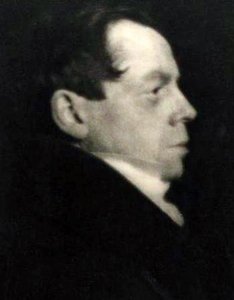
Sir William Nicholson
1872 - 1949 , Reino Unido
Datos clave
- Estilo Artístico: Modernismo, Postimpresionismo
- Fecha De Fallecimiento: 16 de mayo de 1949
- Fecha De Nacimiento: 5 de febrero de 1872
- Influencias Artísticas: ['Whistler']
- Lugar De Nacimiento: Newark, Reino Unido
- Nacionalidad: Británico
- Nombre Completo: Sir William Newzam Prior Nicholson
- Obras Notables:
- Lady in Furs, Mme. P.
- The Lowestoft Bowl
- Study for 'Plaza de Toros'
Artículos relacionados
Los 10 Maestros del Neoclasicismo: Obras que Definieron una Era |
Descubre los 10 imprescindibles del Neoclasicismo con . Obras de David, Ingres y Canova que marcaron una era. Historia, técnica y significado de cada pieza. Encuentra reproducciones de arte de museo en
Sir William Nicholson: A Study in Post-Impressionist Portraiture & Decorative Modernism
Explore the life & work of Sir William Nicholson, a pivotal British Post-Impressionist painter. Discover his striking portraits, innovative woodcuts, and lasting influence on early 20th-century art. Expert insights for collectors.
El Legado Perenne del Clasicismo: Principios Fundamentales, Evolución e Influencia en el Arte Occidental
Descubre la historia del arte clásico occidental: desde sus orígenes en Grecia y Roma hasta su influencia en el Renacimiento y las corrientes contemporáneas. Análisis experto, artistas clave y obras maestras imperdibles.
Resonancia Atemporal: Explorando el Vibe Clásico en el Arte – Un Análisis Histórico y Estético
Explora la atemporal belleza del arte clásico y neoclásico con nuestro análisis histórico y estético. Descubre cómo integrar estos estilos en tu hogar con ArtsDot.com.
The Enduring Legacy of Classical Style: Form, Narrative & Influence in Art
Explore the enduring legacy of classical art – from ancient Greece & Rome to Neoclassicism. Discover key artists, philosophical roots & build a timeless collection with ArtsDot's expert guidance.