

 Ver en contexto
 Enviar
 Compartir
 Detalles

 Descargar
 Similares
 Radiografía
 Presentación de diapositivas
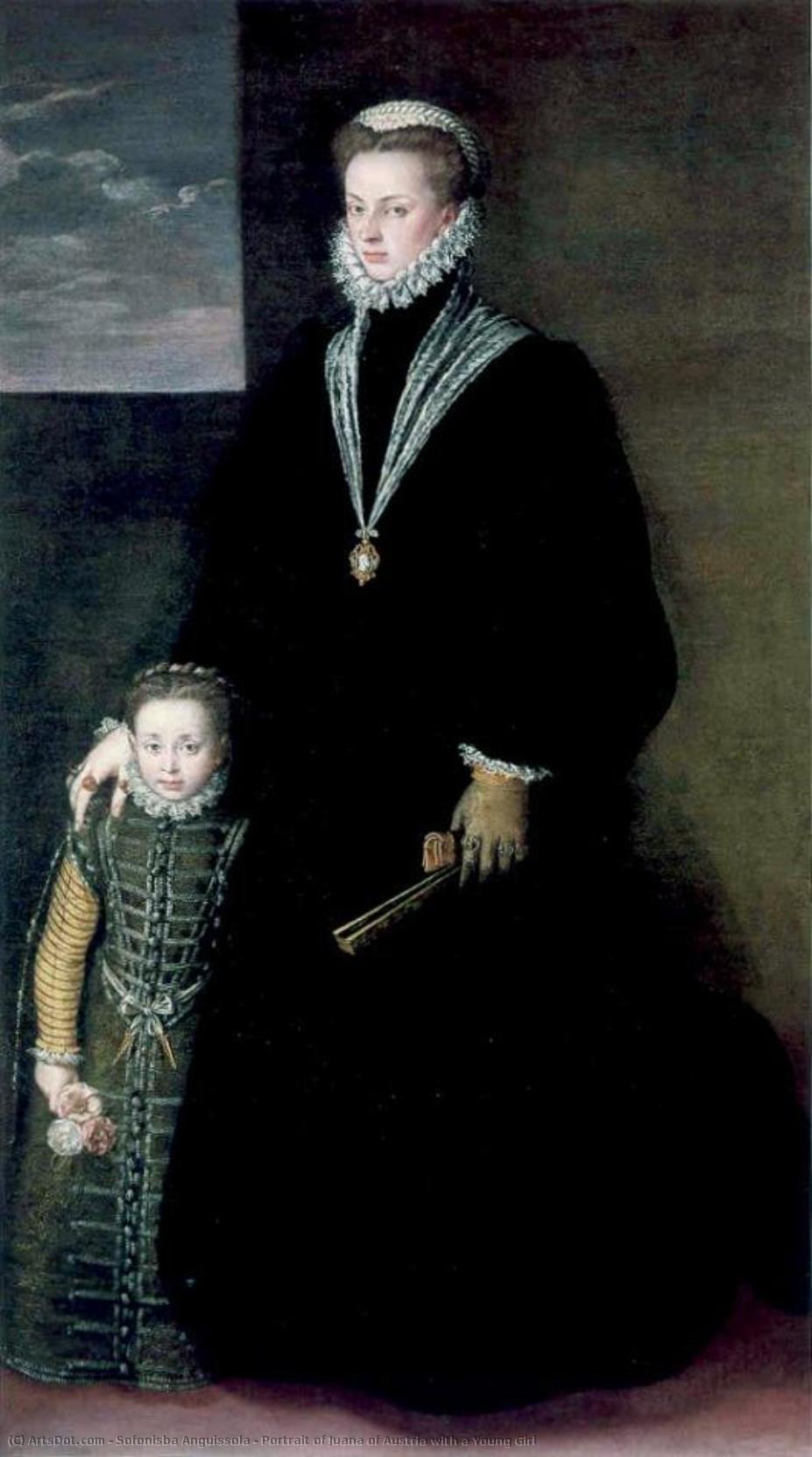
Portrait of Juana of Austria with a Young Girl


 Ver más
Adquiera una imagen digital de alta resolución y optimizada, muy superior a la vista previa en línea.
Cada archivo es preparado meticulosamente por nuestros especialistas internos mediante el uso de herramientas avanzadas y un experto retoque manual. Nos aseguramos de que cada imagen posea una claridad excepcional, una precisión cromática impecable y un detalle minucioso.
El archivo final se entrega por correo electrónico en un plazo de 72 horas, optimizado para su uso inmediato en entornos profesionales, editoriales y de impresión. Esta es la misma calidad en la que confían los estudios de diseño, las editoriales y las galerías de primer nivel.
Imagen Digital
Descarga un archivo de alta resolución para exhibición personal, impresión y proyectos creativos. ( Comprar impresión Comprar pintura hecha a mano)
Incluido en cada pedido de imágenes digitales
Entrega digital experta, garantizada.
Al elegir ArtsDot.com, no solo está adquiriendo una imagen; está recibiendo una obra de arte digital mejorada profesionalmente, elaborada con precisión y respaldada por una garantía de satisfacción. Esto es todo lo que incluye su pedido, automáticamente:

Entrega rápida por email
Recibirá su archivo de imagen digital en alta resolución por correo electrónico en un plazo de 72 horas tras realizar su pedido, listo para su uso inmediato.

Archivo digital optimizado por IA
Su obra de arte se optimiza profesionalmente mediante herramientas avanzadas de IA y edición manual, garantizando el máximo detalle, claridad y precisión cromática.

Reenvío gratuito de por vida
¿Has borrado o perdido tu archivo por error? No te preocupes: te lo volveremos a enviar en cualquier momento, sin coste adicional.

Sin gastos de importación, siempre
Disfrute de su obra de arte al instante sin aduanas, aranceles ni gastos de envío; las descargas digitales siempre están libres de impuestos.

Garantía de fidelidad de color
Garantizamos que su imagen digital refleje los colores originales con la mayor fidelidad posible, mediante el uso de herramientas profesionales y gestión del color.

Garantía de satisfacción de 60 días
Si no está satisfecho con su imagen digital, la revisaremos o le reembolsaremos el 100% en un plazo de 60 días, sin preguntas.

100% Garantía de devolución de dinero
¿No está satisfecho? Obtenga un reembolso completo dentro de los 60 días posteriores a la recepción de su archivo digital, sin necesidad de explicaciones.

Descuentos por pedidos grandes
Compra 3 imágenes, ahorra 10% - Compra 5, ahorra 15% - Compra 10+, ahorra 20%. Ideal para proyectos creativos, galerías y agencias.
A Royal Encounter Captured in Light and Shadow
In the quiet, dignified halls of the Isabella Stewart Gardner Museum, there exists a window into the heart of the sixteenth-century Spanish court. Sofonisba Anguissola’s Portrait of Juana of Austria with a Young Girl is far more than a mere record of royal lineage; it is an intimate encounter between two generations, frozen in the amber of the High Renaissance. As viewers approach this masterpiece, they are immediately struck by the profound sense of presence emanating from the figures. The portrait captures Juana of Austria, a woman of immense political and social significance, alongside a young companion—perhaps a daughter or niece—whose tender proximity to the Queen Regent creates a palpable atmosphere of familial warmth and continuity.
The composition is masterfully orchestrated to draw the eye into a private moment of connection. While the figures are set against a dark, indeterminate background that strips away the distractions of the physical world, their presence feels monumental. Anguissola utilizes a vertical format that emphasizes the regal stature of Juana, yet softens this authority through the subtle, asymmetrical placement of the child. This arrangement invites the observer not just to witness a display of status, but to feel the quiet, emotional bond shared between the two subjects, making the painting an enduring study in human connection.
The Mastery of Renaissance Technique and Texture
To behold this work is to appreciate the technical virtuosity of one of the Renaissance’s most pioneering female voices. Anguissola employs the sophisticated technique of oil glazing, applying thin, translucent layers of pigment to build a depth of color that seems to glow from within. This method allows for a breathtakingly smooth finish, where the transitions between light and shadow—the sfumato influence of Leonardo da da Vinci—are so seamless they appear almost ethereal. The artist’s ability to manipulate light is particularly evident in the way it catches the subtle folds of Juana’s black silk gown, transforming a somber palette into a rich tapestry of textures.
Every brushstroke serves a purpose in defining the tactile reality of the scene. One can almost feel the weight of the heavy fabrics and the delicate softness of the skin. The color palette, though dominated by the dignified blacks and deep browns characteristic of the Spanish court, is punctuated by moments of brilliant clarity. A small white flower held by the child acts as a luminous focal point, a singular spark of light that breaks the formal gravity of the composition. For the collector or interior designer, this interplay of dark, sophisticated tones and delicate highlights offers a versatile elegance, capable of anchoring a room with both drama and grace.
A Legacy of Dignity and Artistic Innovation
Beyond its aesthetic splendor, the portrait serves as a vital historical document of an era defined by humanist ideals. Created during the reign of Philip II, the painting reflects the meticulous attention to detail and the celebration of individual character that characterized the period. Anguissola, having navigated the complexities of being a female artist in a male-dominated landscape, imbues her subjects with a psychological depth that transcends the formal requirements of courtly portraiture. There is a quiet strength in Juana’s gaze and a gentle innocence in the child’s posture that speaks to the enduring power of legacy.
For those seeking to bring a piece of art history into a contemporary space, this reproduction offers more than decoration; it offers an atmosphere of refinement and intellectual depth. The painting’s ability to evoke emotion—ranging from the solemnity of royal duty to the tenderness of childhood—makes it a profound addition to any curated collection. It stands as a testament to Sofonisba Anguissola’s genius, reminding us that true art does not merely depict life, but captures the very essence of the human spirit across the centuries.
Obras relacionadas


Biografía del artista
Sofonisba Anguissola: Una Pionera del Renacimiento
Primeros Años y Educación
- Nacida en Cremona, Italia, alrededor de 1532, Sofonisba Anguissola provenía de una familia noble pero no rica. Su padre, Amilcare Anguissola, reconoció el talento artístico de sus hijas – Sofonisba, Elena, Lucía y Europa – y les proporcionó una educación inusual para las mujeres de aquella época.
- Una crianza progresista: Las hermanas recibieron una educación humanista completa que incluía latín, música y dibujo. Esto se debió en gran medida a la creencia del padre en brindarles a sus hijas oportunidades típicamente reservadas para los hombres.
- En 1546, Sofonisba y Elena comenzaron su formación artística formal bajo Bernardino Campi, un respetado pintor local. Cuando Campi se mudó, continuaron sus estudios con Bernardino Gatti (Il Sajarolo) alrededor de 1550. Esta aprendizaje fue innovador, estableciendo un precedente para que las mujeres fueran aceptadas como estudiantes de arte.
Desarrollo Artístico y Estilo
- El trabajo temprano de Anguissola se centró en retratos de su familia, caracterizado por intimidad, realismo e insight psicológico. Estos cuadros no eran meras representaciones sino que capturaban las personalidades y las relaciones dentro de su familia.
- Su estilo evolucionó bajo la influencia del manierismo lombardo a un enfoque más refinado durante su tiempo en España. Se adaptó a los requisitos formales del retrato cortesano mientras conservaba su sensibilidad hacia el carácter.
- Características clave: Sus pinturas son conocidas por su representación naturalista de las características, su sutil uso del color y su capacidad para transmitir emociones.
Carrera en la Corte Española
- En 1559, Anguissola fue invitada a España por la Reina Isabel de Valois, esposa del Rey Felipe II, para servir como dama de compañía y tutora en pintura. Esto marcó un punto de inflexión significativo en su carrera.
- Se convirtió en pintora oficial de la corte, creando retratos de la familia real y miembros de la nobleza española. Su posición era altamente inusual para una mujer de aquella época.
- Después de la muerte de la Reina Isabel, Felipe II facilitó el matrimonio de Anguissola con Fabrizio Moncada en 1573, permitiéndole continuar pintando mientras mantenía un estatus nobiliario. Más tarde se casó nuevamente después de la muerte de Moncada.
Logros y Obras Notables
- Autorretratos: Anguissola creó numerosos autorretratos, mostrando su habilidad y afirmando su identidad como artista mujer. “Autorretrato al lado del caballete” (1556) es particularmente famoso.
- “Retrato de las hermanas artistas jugando al ajedrez” (c. 1555) demuestra su capacidad para capturar interacciones naturales e individualidades dentro de un entorno familiar.
- “Retrato de Bianca Ponzoni Anguissola” (su madre) ejemplifica su representación sensible de los sujetos femeninos.
- Su obra desafió las normas artísticas convencionales y abrió puertas a otras artistas mujeres.
Influencias y Legado
- Anguissola fue influenciada por la escuela de pintura lombarda, particularmente por las obras de Bernardino Campi y Bernardino Gatti.
- Ella, a su vez, influyó en generaciones posteriores de artistas mujeres, demostrando que las mujeres podían lograr el éxito y el reconocimiento en un campo tradicionalmente dominado por hombres.
- Significado histórico: La carrera de Sofonisba Anguissola fue notable para su época. Rompió barreras, obtuvo aplausos internacionales y dejó un legado como una de las artistas mujeres más importantes del Renacimiento. Su obra continúa siendo celebrada por su mérito artístico e importancia histórica.
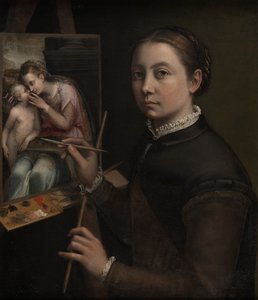
Sofonisba Anguissola
1532 - 1625 , Italia
Breves datos
- Artistic Movement Or Style: Manierismo lombardo
- Artists Or Movements Influenced By This Artist: ['Miguel Ángel']
- Artists Who Influenced This Artist:
- Bernardino Campi
- Bernardino Gatti
- Date Of Birth: c. 1532
- Date Of Death: 16 noviembre 1625
- Full Name: Sofonisba Anguissola
- Nationality: Italiana
- Notable Artworks:
- Autorretrato al lado del caballete
- Retrato de las hermanas artistas jugando al ajedrez
- Place Of Birth: Cremona, Italia

