

 Ver en contexto
 Enviar
 Compartir
 Detalles

 Descargar
 Similares
 Radiografía
 Presentación de diapositivas
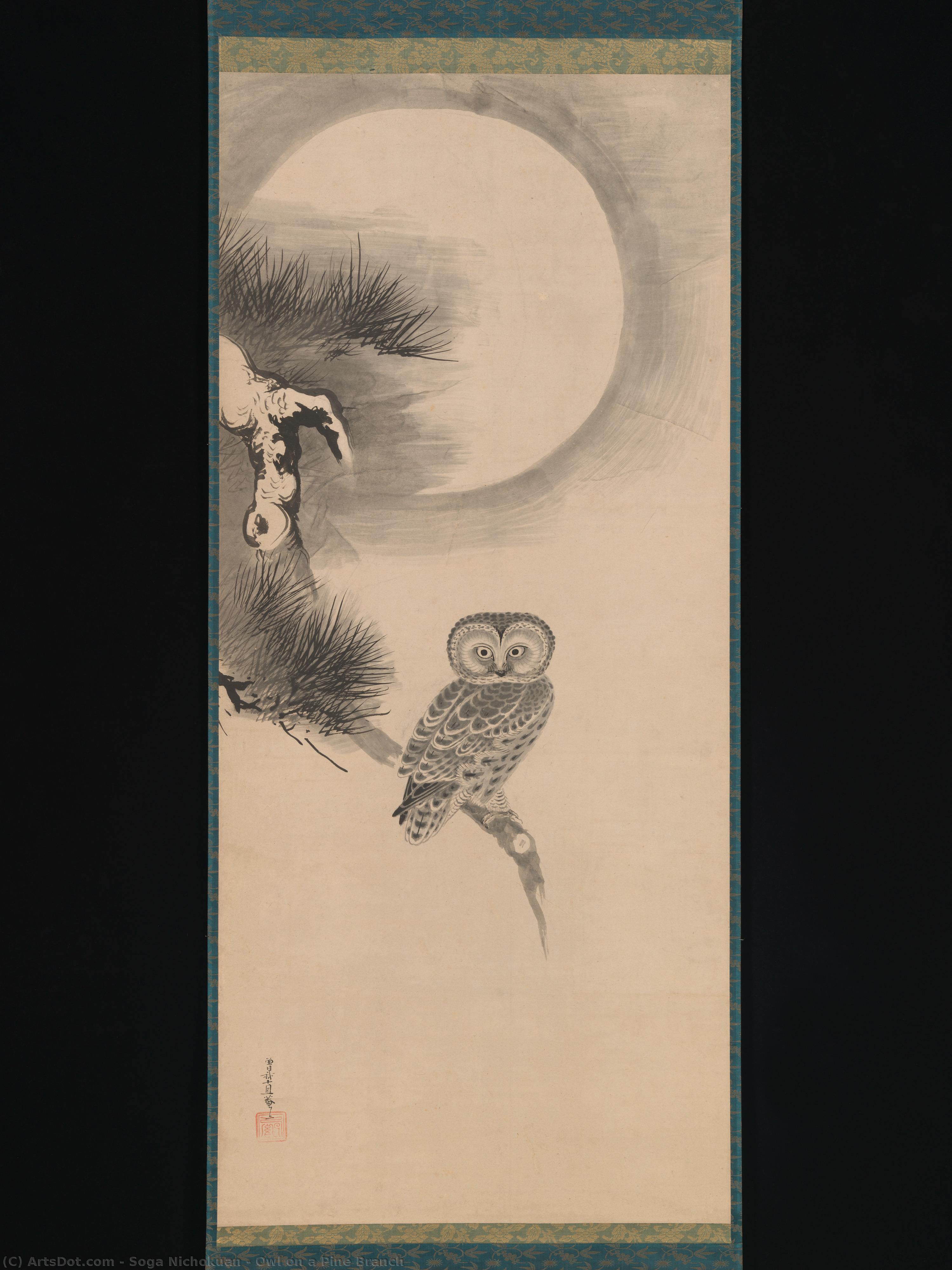
Owl on a Pine Branch


 Ver más
Reproducción al óleo hecha a mano
Óleo sobre lienzo pintado a mano en el tamaño y marco de su elección, realizado por encargo por nuestros artistas. ( Comprar impresión Comprar imagen)




P118B $10

P118H $10

P118W $10

P438Z $10

P508JH $12

P508YH $12

P805H $10

P805Z $10

P919BZ $10

P919G $10

P919XJ $10

P959ZH $10

P968JZ $12

W106C $8

W218G $10

W218JH $8

W218Y $10

W307PJ $10

W316G $10

W316PJ $8

W316Y $10

W398PJ $8

W4111J $10

W500HY $15

W500JH $15

W692G $12

W849H $8

W940BG $15

W953PJ $8




Elija entre nuestros tamaños predefinidos que respetan las proporciones originales de la obra.

Puede ingresar sus propias dimensiones para adaptarse a un marco o espacio específico. Si el tamaño seleccionado no coincide con las proporciones de la imagen original, recortaremos la obra o extenderemos la pintura con elementos adicionales pintados a mano. Se le enviará una maqueta digital para su aprobación antes de comenzar la producción.
Tenga en cuenta que la vista previa en pantalla no refleja el recorte o la extensión reales. Solo la maqueta mostrará con precisión la composición final.
Si bien existen tamaños personalizados, recomendamos seleccionar una dimensión de la lista predefinida para preservar las proporciones originales.
Tras realizar el pedido, el equipo de ArtsDot.com enviará un correo electrónico al cliente para solicitar instrucciones y proporcionarle una vista previa del boceto.
Envío a todo el mundo () en 3-4 semanas en lugar de las 5 semanas estándar. (6 septiembre). Sin comprometer la calidad.

Envío exprés gratuito a todo el mundo

Lienzo de lino de alta calidad

Seguro de envío total

Garantía de reembolso de impuestos aduaneros

Garantía de fidelidad cromática exacta

Política de devolución de 60 días (solo por defectos)

Garantía de devolución del 100% del dinero

Descuento por cantidad
 La opción de vidrio solo está disponible en tamaños inferiores a 110 cm.

Owl on a Pine Branch
Técnica de reproducción
Dimensiones de la reproducción
-


Precio total final
$ 263
Obras relacionadas
Biografía del artista
The Legacy of Soga Nichokuan: Master of the Avian Spirit
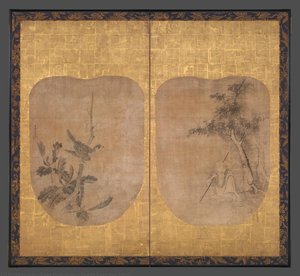
In the golden era of the Edo period, few artists captured the intersection of wild majesty and aristocratic grace as profoundly as Soga Nichokuan. Born in the vibrant port city of Sakai, Japan, around 1630, Nichokuan was not merely a painter but a custodian of a prestigious artistic lineage. As the son of the renowned Soga Chokuan, the founder of the Sakai Soga school, his life and brushwork were inextricably linked to a family tradition dedicated to the meticulous study of nature. This heritage provided him with a unique vantage point, allowing him to inherit a specialized mastery of avian imagery that would eventually define his place in the annals of Japanese art history.
The essence of Nichokuan’s work lies in his ability to breathe life into the subjects of falconry, particularly the formidable hawk-eagles known as kumataka. To look upon his screens is to witness a world where the ferocity of a predator meets the delicate elegance of a floral arrangement. His training, believed to have been conducted under the rigorous guidance of his father, instilled in him a profound command over sumi-e, the monochrome ink wash technique. Through this method, he learned to translate the weight of a bird's gaze and the subtle texture of downy feathers into simple, yet powerful, strokes of black ink. This foundation allowed him to move beyond mere imitation, reaching toward a spiritual representation of his subjects that resonated with the Zen Buddhist ideals of harmony and contemplative stillness.
Technique and the Radiance of Color
While many of his contemporaries adhered to the restrained elegance of monochrome palettes, Nichokuan dared to embrace a more luminous and vibrant aesthetic. He became celebrated for a style that utilized bold, striking hues to depict birds amidst lush, blooming landscapes, creating a visual tension between the predatory focus of the hawk and the soft beauty of the flora. A hallmark of his technical prowess was his use of gosho-e, a sophisticated method of applying pigment directly onto silk. This technique granted his masterpieces an unparalleled depth and a shimmering, textural richness that made the plumage of a hawk appear almost tactile to the viewer.
His compositions often achieved a breathtaking balance between complexity and clarity. In works such as Hawks on Plum Trees, one can observe how he utilized gold paint in the background to evoke a sense of boundless atmosphere and divine light, framing his subjects within a celestial glow. Whether depicting a solitary owl perched upon an ancient pine or a hawk poised upon an oak branch, Nichokuan’s brushwork was characterized by:
- A layered approach to ink tones that effectively conveyed the intricate textures of feathers.
- The use of reserve techniques to create the striking effect of a full moon behind nocturnal subjects.
- A precise, geometric sense of composition that brought order to the wildness of his natural subjects.
Historical Significance and Artistic Impact
The historical importance of Soga Nichokuan extends far beyond the borders of the Sakai school. He served as a vital bridge in the evolution of Japanese bird-and-flower painting, carrying forward the traditions of his father while injecting a new, vibrant energy that appealed to the tastes of the era's elite. His depictions of falconry were not merely decorative; they were symbols of status and power, often commissioned by prominent samurai who saw their own strength reflected in the disciplined ferocity of the hawk. Through his art, the ritualistic beauty of takagari (falconry) was immortalized for posterity.
Even as the centuries have passed, Nichokuan’s ability to evoke emotion through a single, well-placed stroke remains undiminished. His work continues to captivate modern audiences, offering a window into a lost world of aristocratic refinement and natural wonder. By blending the disciplined precision of ink wash with the opulent beauty of colored pigments, Soga Nichokuan ensured that the spirit of the hawk would forever soar within the landscape of Japanese classical art.
soga nichokuan
Japan
Datos clave
- Artistic Movement Or Style: Takagari Style
- Artists Or Movements Influenced By This Artist: ['Falconry']
- Artists Who Influenced This Artist: ['Soga Chokuan']
- Full Name: Soga Nichokuan
- Nationality: Japanese
- Notable Artworks: ['Dragon']
- Place Of Birth: Sakai, Japan
Artículos relacionados

Katsushika Hokusai: Las 25 Obras Maestras del Ukiyo-e que Transformaron el Arte Japonés | ArtsDot
Descubre las 25 obras maestras de Katsushika Hokusai, el genio del ukiyo-e. Explora 'La Gran Ola', paisajes japoneses y su impacto en el arte moderno. Reproducciones de alta calidad para tu hogar en ArtsDot.com.

Echoes of Time: Exploring the Enduring Appeal & Historical Context of Vintage Art Prints
Explore the captivating world of vintage art prints! Discover their history, collecting tips & enduring appeal. Expert insights on chromolithography and building a legacy collection with ArtsDot.

Giclée Prints: Archival Quality & Aesthetic Nuances for the Discerning Collector
Explore the world of giclée prints with ArtsDot. Learn about archival quality, aesthetic nuances & investment potential. Expert guidance for discerning art collectors seeking museum-quality reproductions and lasting value.

The Enduring Legacy of Fine Art Prints: Technique, History & Aesthetic Impact
Explore the rich history & techniques of fine art prints. Discover investment potential, assess authenticity, and learn how to preserve your collection with expert guidance. Trusted insights for discerning collectors.
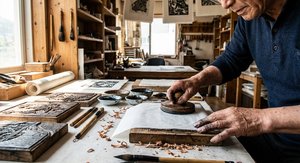
The Enduring Legacy of Woodblock Printmaking: Technique, History & Artistic Expression
Explore the rich history of woodblock printmaking – from ancient techniques to Ukiyo-e masterpieces. Discover expert insights on collecting, preserving & appreciating this enduring art form.

