

 Ver en contexto
 Enviar
 Compartir
 Detalles

 Descargar
 Similares
 Radiografía
 Presentación de diapositivas
 Stats
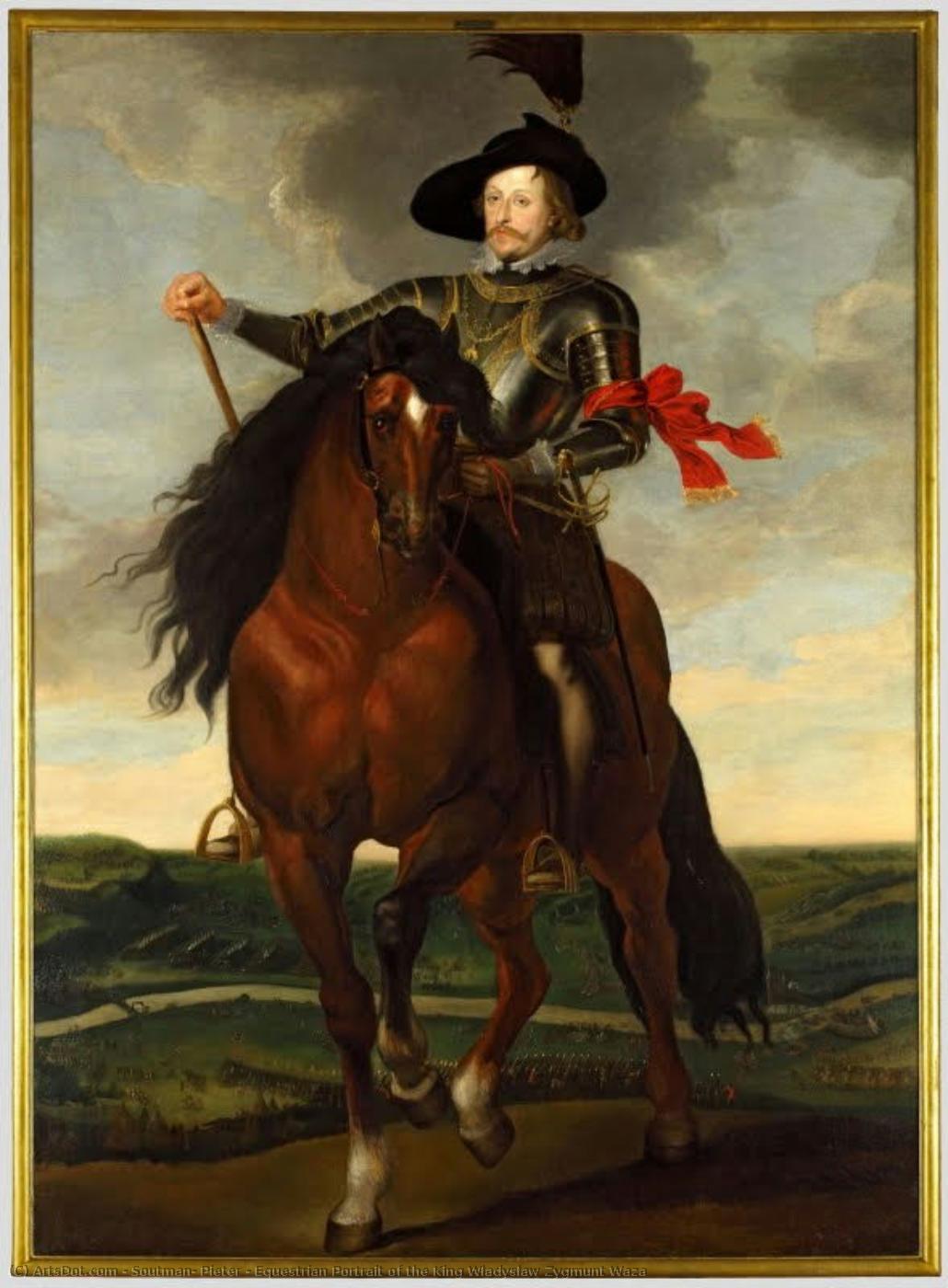
StatsEquestrian Portrait of the King Władysław Zygmunt Waza


 Ver más
Giclée / Impresión de arte
Impresiones giclée o en lienzo de calidad de museo con producción rápida y opciones de acabado flexibles. ( Comprar pintura hecha a mano Switch to Digital Image)




P118B $10

P118H $10

P118W $10

P438Z $10

P508JH $12

P508YH $12

P805H $10

P805Z $10

P919BZ $10

P919G $10

P919XJ $10

P959ZH $10

P968JZ $12

W106C $8

W218G $10

W218JH $8

W218Y $10

W307PJ $10

W316G $10

W316PJ $8

W316Y $10

W398PJ $8

W4111J $10

W500HY $15

W500JH $15

W692G $12

W849H $8

W940BG $15

W953PJ $8




Elija entre nuestros tamaños predefinidos que respetan las proporciones originales de la obra.

Puede introducir sus propias dimensiones para adaptarse a un marco o espacio específico. Si el tamaño seleccionado no coincide con las proporciones de la imagen original, recortaremos la obra de arte o extenderemos la imagen con un borde con efecto espejo o de color sólido. Se enviará una maqueta digital para su aprobación antes de que comience la producción.
Tenga en cuenta que la vista previa en pantalla no refleja el recorte o la extensión real. Solo la maqueta mostrará con precisión la composición final.
Aunque existen tamaños personalizados, recomendamos seleccionar una dimensión de la lista predefinida para preservar las proporciones originales.
Envío a todo el mundo () en 2 semanas en lugar de las 4/5 semanas estándar. (8 septiembre)

Envío exprés gratuito a todo el mundo

Lienzo de lino de alta calidad

Seguro de envío total

Garantía de reembolso de impuestos aduaneros

Garantía de fidelidad cromática exacta

Política de devolución de 100 días (solo por defectos)

Garantía de devolución del 100% del dinero

Descuento por cantidad
 La opción de vidrio solo está disponible en tamaños inferiores a 110 cm.

Equestrian Portrait of the King Władysław Zygmunt Waza
Giclée / Impresión de arte
Dimensiones de la reproducción
-


Precio total final
$ 62
The Majesty of Power: Pieter Soutman’s Equestrian Portrait
Pieter Soutman's “Equestrian Portrait of the King Władysław Zygmunt Waza” is more than just a painting; it’s a meticulously crafted tableau vivant, a frozen moment of regal authority and martial prowess. Completed in 1624-1628 during Władysław IV Vasa’s time as King of Poland, this remarkable work offers a rare glimpse into the life and ambitions of a powerful European monarch. The painting immediately commands attention with its imposing scale – measuring nearly two and a half feet by almost two feet – reflecting the importance placed upon the subject and conveying an undeniable sense of grandeur.
The central figure, King Władysław Zygmunt Waza, dominates the composition, seated confidently atop his magnificent steed. Dressed in full plate armor, meticulously rendered with intricate detailing, he embodies both military strength and aristocratic refinement. The armor itself is a testament to the era’s craftsmanship, showcasing the skill of armourers and reflecting the wealth and status of the king. His posture exudes self-assurance; his hand firmly gripping the reins speaks volumes about control and command, while his gaze, directed forward with unwavering resolve, projects an image of leadership.
A Masterclass in Dutch Baroque Technique
Soutman’s mastery lies not only in capturing the likeness of his subject but also in his skillful deployment of the techniques characteristic of the Dutch Golden Age. The painting is executed in oil on canvas, utilizing a layering technique known as *sfumato*, which creates subtle gradations of light and shadow, lending depth and realism to the figures and their surroundings. Notice particularly how Soutman uses atmospheric perspective – distant elements are rendered paler and less distinct, creating an illusion of space and reinforcing the sense of vastness behind the king.
- Color Palette: The rich, deep blues and reds of the armor contrast sharply with the earthy tones of the horse’s coat and the muted background landscape.
- Light & Shadow: Soutman expertly manipulates light to highlight key features – Władysław's face, the details of his armor, and the powerful musculature of the horse – drawing the viewer’s eye to these focal points.
- Texture: The artist skillfully renders the textures of metal, fabric, and flesh, creating a convincing sense of tactile reality.
Symbolism and Historical Context
Beyond its technical brilliance, the portrait is laden with symbolic meaning. The horse itself represents power, nobility, and military might – essential qualities for a king presiding over a vast kingdom. The flag held aloft by Władysław symbolizes his authority and dominion. The inclusion of two horses—one prominently featured in the foreground, the other slightly further back—creates a dynamic sense of movement and reinforces the idea of leadership and control extending outwards to encompass his realm. Painted during a period of significant political upheaval in Poland, this portrait served as a potent visual statement of Władysław’s legitimacy and ambition.
Furthermore, the painting reflects Soutman's service to King Sigismund III Vasa, highlighting the close relationship between art and royalty in 17th-century Europe. The commission itself underscored the importance of portraiture as a means of asserting power, reinforcing dynastic legitimacy, and projecting an image of strength and stability.
A Timeless Legacy: Reproduction and Appreciation
Today, “Equestrian Portrait of the King Władysław Zygmunt Waza” stands as a testament to Pieter Soutman’s exceptional talent and a captivating window into the world of 17th-century Polish royalty. High-quality reproductions capture the painting's rich detail and dramatic atmosphere, making it an ideal addition to any discerning collection or interior space. Its commanding presence and evocative symbolism continue to resonate with viewers centuries later, reminding us of the enduring power of portraiture to immortalize both individuals and eras.
Obras relacionadas
Biografía del artista
Pieter Soutman: Vida y Legado
Primeros Años y Formación
Pieter Soutman, un destacado pintor y grabador holandés del Siglo de Oro, nació en Haarlem, Países Bajos, en 1593. Era el hijo menor de seis niños en una rica familia católica; su padre era propietario de la cervecería de Haarlem *de werelt*. El viaje artístico de Soutman comenzó con formación formal bajo Peter Paul Rubens en Amberes. Este período influyó profundamente en su estilo y contribuyó significativamente a su éxito como pintor.
Logros Profesionales y Nombramientos Reales
La carrera de Soutman estuvo marcada por varios nombramientos y logros notables. Fue nombrado pintor de la corte real en Polonia, lo que reflejaba su estimada posición en el mundo del arte. Desde aproximadamente 1618 hasta 1628, sirvió como servidor del Rey Sigismund III Vasa, consolidando aún más su reputación y proporcionándole una valiosa mecenazgo.
Regreso a Haarlem y Enfoque Artístico
Al regresar a Haarlem, Soutman se estableció como un respetado pintor de retratos. Obtuvo numerosas comisiones para retratos grupales y las populares *schutterstukken* – representaciones de grupos civiles de milicia. Estas obras a gran escala demostraron su capacidad para capturar tanto los rasgos individuales como las composiciones dinámicas.
Estilo Artístico e Influencias
El estilo de Soutman demuestra una clara influencia de Rubens, particularmente en el uso de colores ricos, iluminación dramática y pinceladas enérgicas. Sin embargo, desarrolló su propio enfoque distintivo para los retratos, caracterizado por un sentido del realismo y atención al detalle. Mezcló hábilmente las influencias barrocas flamencas con las tradiciones artísticas holandesas.
Obras Notables
- Retrato de una Familia: Un ejemplo primordial de la maestría de Soutman en los retratos grupales, que demuestra su capacidad para capturar las personalidades y las relaciones dentro de una unidad familiar.
- Bodegón con Frutas: Demuestra su habilidad para representar escenas de la vida cotidiana con un detalle meticuloso y colores vibrantes.
- Retrato Ecuestre del Rey Władysław Zygmunt Waza: Una obra significativa que refleja su tiempo como pintor de la corte real, que exhibe tanto destreza artística como mecenazgo político.
Legado y Alumnos
Hoy en día, las obras de Soutman se pueden encontrar en varios museos, incluido Huis Ten Bosch en La Haya. Su influencia se extendió a varios alumnos, entre ellos Cornelis Visscher, Jacob Louys (1595-después de 1635) y Pieter van Sompel. Estos artistas continuaron desarrollando las tradiciones de la pintura de retratos y la pintura de género holandesa.
Significado Histórico
Pieter Soutman sigue siendo una figura significativa en la historia del arte como representante de la Edad de Oro holandesa. Sus contribuciones al mundo de los retratos, particularmente su capacidad para capturar tanto el carácter individual como la identidad colectiva dentro de los retratos grupales, continúan inspirando a artistas y entusiastas del arte por igual. Navegó con éxito las corrientes artísticas de su tiempo, mezclando influencias barrocas flamencas con sensibilidades distintivamente holandesas.
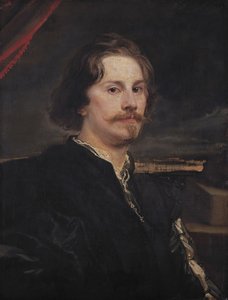
soutman, pieter
1593 - 1657 , Países Bajos
Datos clave
- Artistic Movement Or Style: Dutch Golden Age painting
- Artists Or Movements Influenced By This Artist: ['Cornelis Visscher']
- Artists Who Influenced This Artist: ['Peter Paul Rubens']
- Date Of Birth: 1593
- Full Name: Pieter Claesz Soutman
- Nationality: Dutch
- Notable Artworks:
- Portrait of a Family
- Still life with fruit
- Place Of Birth: Haarlem, Netherlands
Artículos relacionados

Barroco Sublime: 10 Obras Maestras que Definieron una Época |
Descubre las 10 obras maestras del Barroco que marcaron una época. Caravaggio, Bernini y Velázquez cobran vida en . Reproducciones de arte de calidad museo para decorar tu hogar con elegancia. ¡Explora la colección online!

Drama Barroca: Llevando la Grandeza y la Emoción a los Interiores Contemporáneos
Descubre cómo el drama y la grandeza del arte barroco pueden transformar tus interiores. Guía experta, inspiración y reproducciones de alta calidad en .
Theatricality & Triumph: Baroque Drama in Painting & Sculpture
Explore the dramatic world of Baroque art! Discover its history, defining characteristics, & lasting influence on painting & sculpture. Expert insights into Caravaggio, Zurbarán, and Bernini – plus high-quality reproductions at ArtsDot.

The Dramatic Flourish: Exploring the Baroque Movement's Enduring Legacy in Art History
Explore the dramatic world of Baroque art! Discover iconic artists like Caravaggio & Rubens, defining techniques, and its lasting impact on art history. Expert insights for collectors & enthusiasts at ArtsDot.

The Visceral Stage: Exploring Dramatic Narratives & Emotional Intensity in Baroque Art
Explore the dramatic world of Baroque art! Discover iconic masters like Caravaggio & Rembrandt, their techniques, and the movement's lasting impact. Expert insights for collectors & enthusiasts at ArtsDot.