

 Ver en contexto
 Enviar
 Compartir
 Detalles

 Descargar
 Similares
 Radiografía
 Presentación de diapositivas
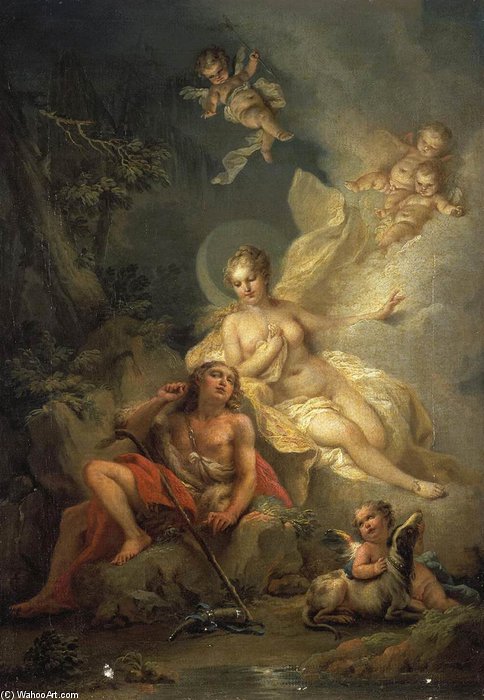
Diana And Endymion
 Ver más
Reproducción al óleo hecha a mano
Óleo sobre lienzo pintado a mano en el tamaño y marco de su elección, realizado por encargo por nuestros artistas. ( Comprar impresión Comprar imagen)




































Elija entre nuestros tamaños predefinidos que respetan las proporciones originales de la obra.

Puede ingresar sus propias dimensiones para adaptarse a un marco o espacio específico. Si el tamaño seleccionado no coincide con las proporciones de la imagen original, recortaremos la obra o extenderemos la pintura con elementos adicionales pintados a mano. Se le enviará una maqueta digital para su aprobación antes de comenzar la producción.
Tenga en cuenta que la vista previa en pantalla no refleja el recorte o la extensión reales. Solo la maqueta mostrará con precisión la composición final.
Si bien existen tamaños personalizados, recomendamos seleccionar una dimensión de la lista predefinida para preservar las proporciones originales.
Tras realizar el pedido, el equipo de ArtsDot.com enviará un correo electrónico al cliente para solicitar instrucciones y proporcionarle una vista previa del boceto.
Envío a todo el mundo () en 3-4 semanas en lugar de las 5 semanas estándar. (23 agosto). Sin comprometer la calidad.

Envío exprés gratuito a todo el mundo

Lienzo de lino de alta calidad

Seguro de envío total

Garantía de reembolso de impuestos aduaneros

Garantía de fidelidad cromática exacta

Política de devolución de 60 días (solo por defectos)

Garantía de devolución del 100% del dinero

Descuento por cantidad
 La opción de vidrio solo está disponible en tamaños inferiores a 110 cm.

Diana And Endymion
Técnica de reproducción
Dimensiones de la reproducción
-


Precio total final
$ 263
Obras relacionadas








Biografía del artista
Stefano Torelli: A Baroque Painter Bridging Dresden and St. Petersburg
Stefano Torelli (October 24, 1704 – January 22, 1780) stands as a pivotal figure in Italian Baroque painting, particularly renowned for his contributions to the artistic landscape of Saxony and Russia during the mid-18th century. Born in Bologna, Italy, Torelli’s artistic journey began under the tutelage of his father, Felice Torelli, establishing him firmly within a lineage of accomplished painters. Further honing his skills with Francesco Solimena, he absorbed the stylistic precepts of one of Rome's foremost Baroque masters, shaping his distinctive approach to composition and color—a technique that would become synonymous with his artistic vision. His career ascended dramatically when Augustus III, King of Poland, recognized Torelli’s exceptional talent and invited him to Dresden in 1740. Recognizing his aptitude for capturing monumental grandeur, Augustus entrusted him with ambitious commissions: the decoration of altarpieces within the Zwinger Palace complex and expansive ceiling frescoes intended to glorify the royal court. Tragically, these projects suffered irreparable damage during the calamitous Seven Years’ War, a devastating conflict that claimed countless artistic treasures and disrupted Europe's cultural dynamism. Despite this profound loss, Torelli demonstrated unwavering resilience, documenting Dresden’s cityscape with meticulous detail—a panorama skillfully integrated into Canaletto’s celebrated depiction of the city (1741)—solidifying his reputation as an astute observer and a masterful artist capable of conveying atmosphere and architectural precision. The allure of St. Petersburg beckoned in 1762 when Empress Elizabeth appointed Torelli to adorn the Imperial Palace, marking another transformative phase in his artistic career. He undertook monumental fresco cycles adorning halls of prestige—a testament to the opulent tastes of the Russian court—and produced a portrait of Elizabeth herself, an artwork celebrated for its nuanced psychological depth and exquisite execution. This portrait captured not merely Elizabeth’s regal countenance but also her inner spirit—a feat of artistry that underscored Torelli's profound understanding of human character and his ability to translate emotion onto canvas. Beyond these grand commissions, Torelli cultivated a distinctive artistic voice as a caricaturist, producing satirical prints that deftly satirized the social conventions and political anxieties of his era. Torelli’s stylistic influences were deeply rooted in Solimena's masterful use of chiaroscuro—the dramatic interplay of light and shadow—a technique he skillfully employed throughout his oeuvre. He embraced a refined aesthetic, prioritizing clarity of form and harmonious color palettes characteristic of the Baroque period. His work exemplifies the artistic fervor of the time, reflecting both humanist ideals and the grandeur of royal patronage. Torelli’s legacy resides not only in his impressive visual achievements but also in his role as a conduit between artistic traditions—linking Bolognese Baroque with Dresden Rococo and St. Petersburg Imperial Art. He died peacefully in St. Petersburg in 1780, leaving behind an enduring contribution to European art history.- Notable Works: Elisabeth Kusel
- Influenced By: Francesco Solimena
- Born City: Bologna
- Nationality: Italian
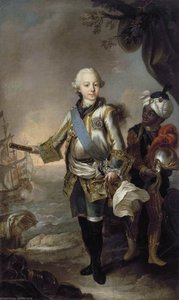
Stefano Torelli
1712 - 1784 , Italia
Datos clave
- Artistic Movement Or Style: Baroque
- Artists Or Movements Influenced By This Artist: ['Canaletto']
- Artists Who Influenced This Artist: ['Francesco Solimena']
- Date Of Birth: October 24, 1704
- Date Of Death: January 22, 1780
- Full Name: Stefano Torelli
- Nationality: Italian
- Notable Artworks: ['Elisabeth Kusel']
- Place Of Birth: Bologna, Italy

