

 Ver en contexto
 Enviar
 Compartir
 Detalles

 Descargar
 Similares
 Radiografía
 Presentación de diapositivas
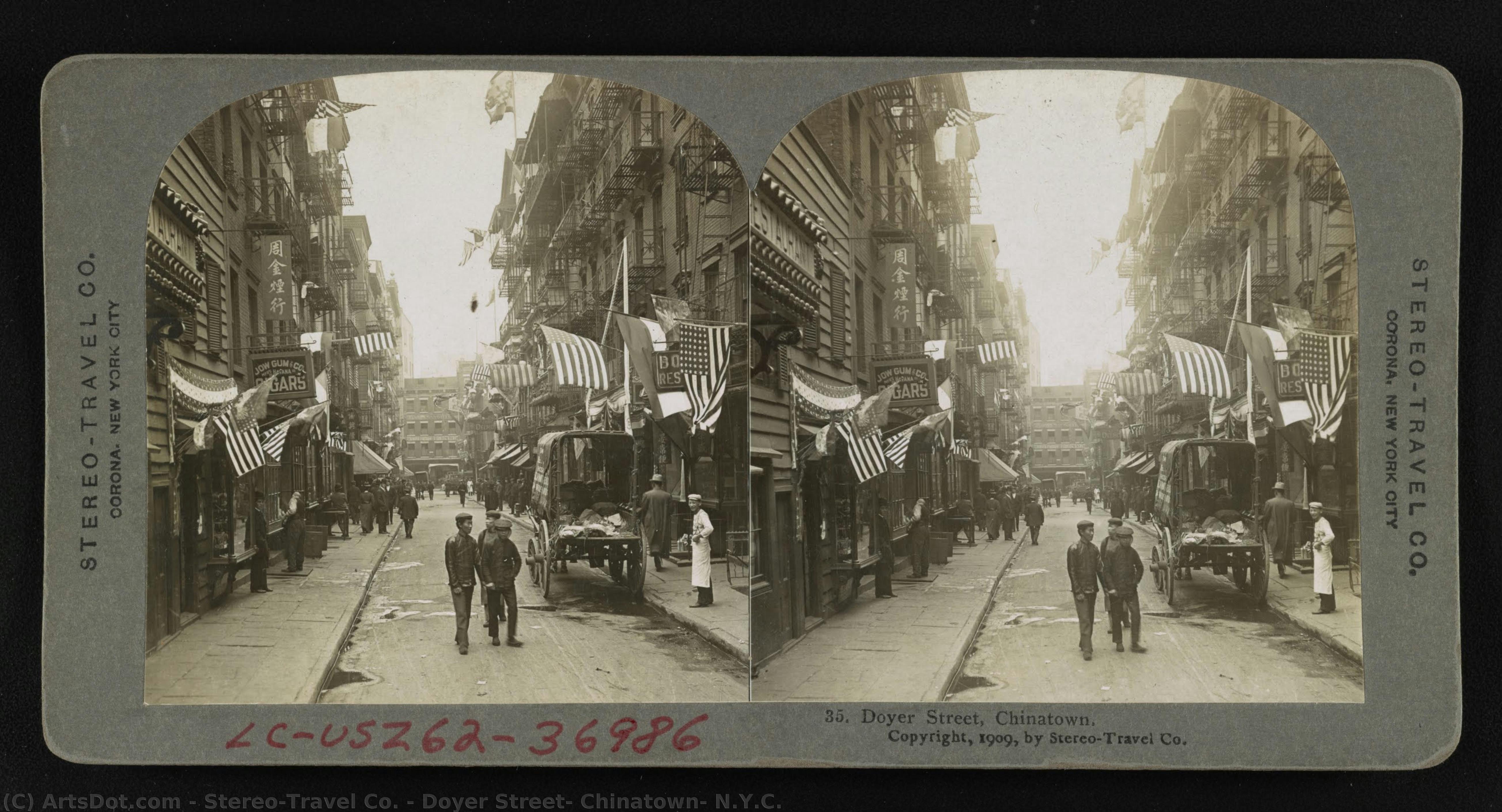
Doyer Street, Chinatown, N.Y.C.


 Ver más
Reproducción al óleo hecha a mano
Óleo sobre lienzo pintado a mano en el tamaño y marco de su elección, realizado por encargo por nuestros artistas. ( Comprar impresión Comprar imagen)




































Elija entre nuestros tamaños predefinidos que respetan las proporciones originales de la obra.

Puede ingresar sus propias dimensiones para adaptarse a un marco o espacio específico. Si el tamaño seleccionado no coincide con las proporciones de la imagen original, recortaremos la obra o extenderemos la pintura con elementos adicionales pintados a mano. Se le enviará una maqueta digital para su aprobación antes de comenzar la producción.
Tenga en cuenta que la vista previa en pantalla no refleja el recorte o la extensión reales. Solo la maqueta mostrará con precisión la composición final.
Si bien existen tamaños personalizados, recomendamos seleccionar una dimensión de la lista predefinida para preservar las proporciones originales.
Tras realizar el pedido, el equipo de ArtsDot.com enviará un correo electrónico al cliente para solicitar instrucciones y proporcionarle una vista previa del boceto.
Envío a todo el mundo () en 3-4 semanas en lugar de las 5 semanas estándar. (30 agosto). Sin comprometer la calidad.

Envío exprés gratuito a todo el mundo

Lienzo de lino de alta calidad

Seguro de envío total

Garantía de reembolso de impuestos aduaneros

Garantía de fidelidad cromática exacta

Política de devolución de 60 días (solo por defectos)

Garantía de devolución del 100% del dinero

Descuento por cantidad
 La opción de vidrio solo está disponible en tamaños inferiores a 110 cm.

Doyer Street, Chinatown, N.Y.C.
Técnica de reproducción
Dimensiones de la reproducción
-


Precio total final
$ 263
Obras relacionadas






Biografía del artista
Stereo-Travel Co.: Pioneers of Grand Canyon Stereographs
Stereo-Travel Co., operating from Corona, Queens, New York City around 1905 until approximately 1916, represents a fascinating niche within the broader landscape of early 20th-century photography. Unlike many studios focused on portraiture or landscapes of urban centers, Stereo-Travel’s singular ambition was to meticulously document and disseminate breathtaking views of the Grand Canyon – specifically, around 38 stereoviews produced in 1906. This dedication to a single subject speaks volumes about the prevailing fascination with visual spectacle during this period and underscores the burgeoning popularity of stereoscopy as a form of immersive entertainment. The company’s output wasn't merely aesthetically pleasing; it was strategically designed for mass consumption. Stereo-Travel produced both individual stereoviews, each depicting a particular vista within the canyon, and boxed sets offering a panoramic experience. These images were mounted on gray curved mounts – a standard technique of the time – ensuring optimal viewing through stereoscopes, devices that created a three-dimensional illusion when viewed with two lenses simultaneously. This careful consideration for presentation demonstrates Stereo-Travel’s understanding of its audience and reflects the broader cultural context of the era. They skillfully utilized photographic techniques to convey depth and perspective, capturing the immense scale of the canyon with remarkable accuracy. The company's meticulous attention to detail—from the mounting process to the composition of each stereoview—highlights the importance of craftsmanship in achieving a compelling visual experience. Though relatively obscure today compared to titans like Eastman Kodak or Mathew Brady, Stereo-Travel Co.’s contribution to photographic history is significant. They capitalized on the excitement surrounding geological exploration and scientific discovery, translating these wonders into accessible images for a wider public. The company’s focus on the Grand Canyon aligns with the broader trend of visualizing America's natural beauty during the Progressive Era – a time marked by optimism about technological advancement and a desire to capture the grandeur of the nation’s wilderness. Their stereoviews continue to inspire awe and fascination for their ability to transport viewers back to the early 20th century, offering a tangible connection to a pivotal moment in American cultural history. Stereo-Travel Co.’s artistic endeavors extended beyond simply reproducing landscapes. They skillfully utilized photographic techniques to convey depth and perspective, capturing the immense scale of the canyon with remarkable accuracy. The company's meticulous attention to detail—from the mounting process to the composition of each stereoview—highlights the importance of craftsmanship in achieving a compelling visual experience.- Notable Stereoviews: Among their impressive portfolio were images showcasing Doyer Street, Chinatown, NYC and Gaza, from the West, Palestine.
- Technique: Stereo-Travel Co.’s work exemplifies the meticulous photographic process of the time, prioritizing accuracy and immersive viewing through stereoscopes.
Biography
Stereo-Travel Co., established circa 1904 in Corona (Long Island, New York), represented a unique approach to photographic publishing during the Progressive Era. Driven by an unwavering passion for capturing and disseminating the majesty of the Grand Canyon – primarily through the production of boxed stereoview sets – the company distinguished itself from its contemporaries who predominantly focused on urban landscapes or portraiture. This singular dedication underscored the growing public interest in scientific exploration and visual spectacle, shaping Stereo-Travel’s artistic vision and strategic goals. The genesis of Stereo-Travel Co. can be traced back to a desire to translate the awe inspired by geological discoveries into accessible experiences for a wider audience. Recognizing the transformative potential of stereoscopy – a technique that created a three-dimensional illusion when viewed with two lenses simultaneously – founders meticulously planned their operations around this innovative medium. Their commitment to quality extended beyond mere reproduction; they painstakingly crafted each stereoview, ensuring optimal viewing conditions and maximizing its immersive impact on spectators. Throughout its relatively brief existence (approximately 1905–1916), Stereo-Travel Co.’s output spanned a diverse range of subjects, reflecting the broader cultural currents of the time. Beyond Grand Canyon panoramas, they produced stunning images of locations such as Sicily, New York City, Panama, Jamaica, Cuba, France, Italy and England – destinations favored by affluent travelers eager to experience the wonders of the world. Furthermore, Stereo-Travel Co. undertook custom publishing projects for organizations like the Indianapolis Motor Speedway, demonstrating their versatility and responsiveness to evolving market demands. The company’s success stemmed from its astute understanding of both artistic principles and commercial realities. Stereo-Travel Co.’s photographers skillfully employed techniques honed during the wet plate era – a period characterized by meticulous craftsmanship and an unwavering pursuit of photographic excellence—resulting in images that captured unparalleled detail and depth. Their dedication to producing high-quality stereoview sets solidified Stereo-Travel’s position as a leader within its niche, establishing it as a cornerstone of early 20th-century visual culture. Stereo-Travel Co.’s contribution to photographic history is notable not only for its aesthetic achievements but also for its role in shaping public perception of America's wilderness. Their stereoviews serve as enduring reminders of the Progressive Era’s fascination with scientific advancement and its desire to celebrate the grandeur of the nation’s natural landscapes—a legacy that continues to resonate today.
Stereo-Travel Co.
Estados Unidos
Datos clave
- Artistic Movement Or Style: Stereoview Photography
- Full Name: stereo-travel co.
- Nationality: American
- Notable Artworks:
- Grand Canyon views
- Doyer Street, Chinatown, N.Y.C.
- Place Of Birth: United States of America

