 Ver en contexto
 Enviar
 Compartir
 Detalles

 Descargar
 Similares
 Radiografía
 Presentación de diapositivas
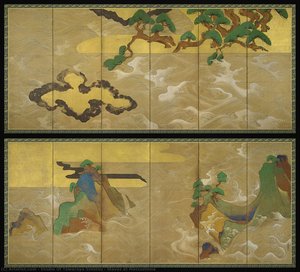
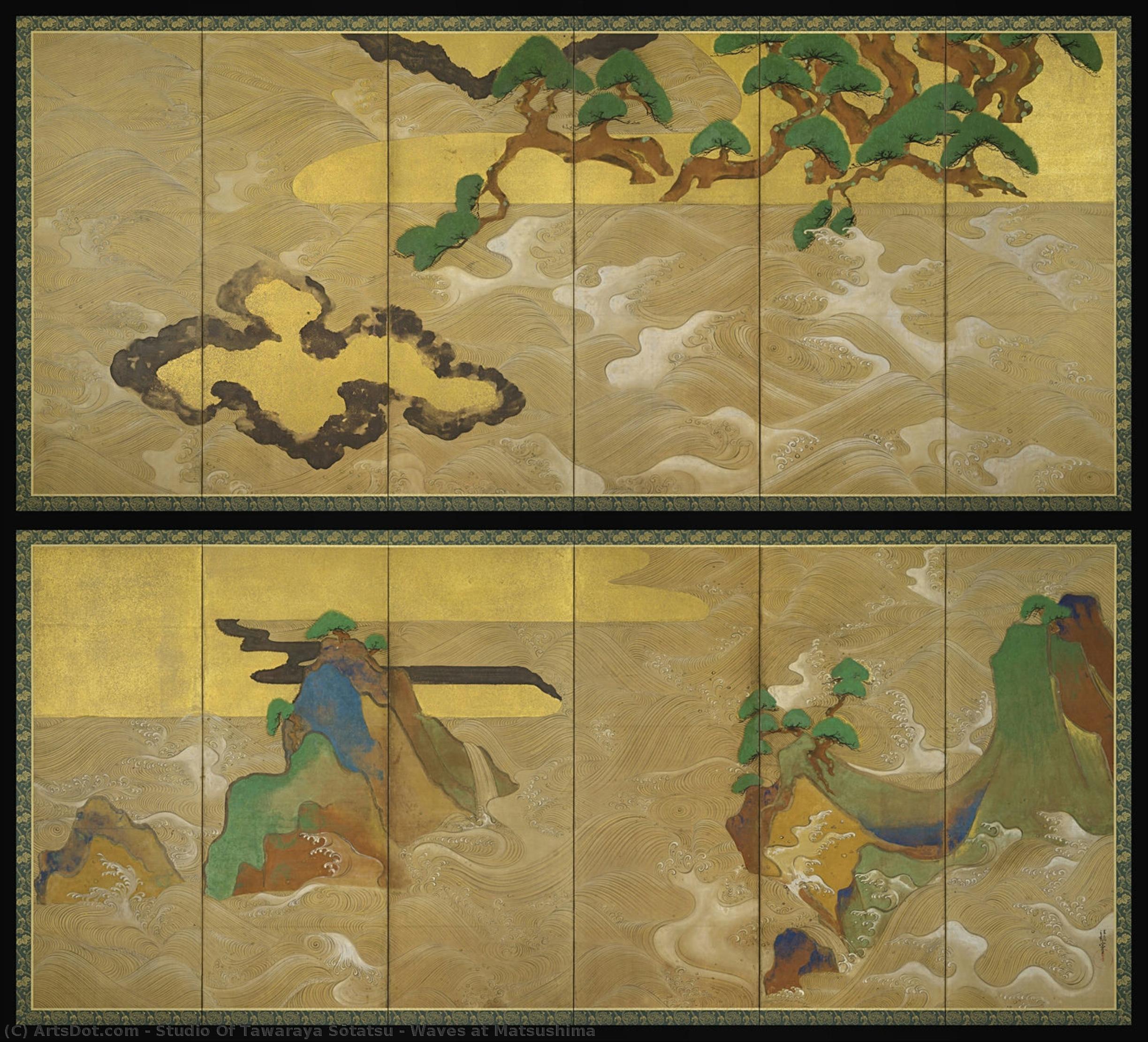
Olas en Matsushima
 Tinta
Tinta- Arte de pared
- Rinpa
 1628
1628- Edad Moderna temprana
 3699.0 x 1660.0 cm
 El Museo Nacional de Arte Asiático del Smithsonian
 Ver más
Giclée / Impresión de arte
Impresiones giclée o en lienzo de calidad de museo con producción rápida y opciones de acabado flexibles. ( Comprar pintura hecha a mano Comprar imagen)




P118B $10

P118H $10

P118W $10

P438Z $10

P508JH $12

P508YH $12

P805H $10

P805Z $10

P919BZ $10

P919G $10

P919XJ $10

P959ZH $10

P968JZ $12

W106C $8

W218G $10

W218JH $8

W218Y $10

W307PJ $10

W316G $10

W316PJ $8

W316Y $10

W398PJ $8

W4111J $10

W500HY $15

W500JH $15

W692G $12

W849H $8

W940BG $15

W953PJ $8




Elija entre nuestros tamaños predefinidos que respetan las proporciones originales de la obra.

Puede introducir sus propias dimensiones para adaptarse a un marco o espacio específico. Si el tamaño seleccionado no coincide con las proporciones de la imagen original, recortaremos la obra de arte o extenderemos la imagen con un borde con efecto espejo o de color sólido. Se enviará una maqueta digital para su aprobación antes de que comience la producción.
Tenga en cuenta que la vista previa en pantalla no refleja el recorte o la extensión real. Solo la maqueta mostrará con precisión la composición final.
Aunque existen tamaños personalizados, recomendamos seleccionar una dimensión de la lista predefinida para preservar las proporciones originales.
Envío a todo el mundo () en 2 semanas en lugar de las 4/5 semanas estándar. (24 agosto)

Envío exprés gratuito a todo el mundo

Lienzo de lino de alta calidad

Seguro de envío total

Garantía de reembolso de impuestos aduaneros

Garantía de fidelidad cromática exacta

Política de devolución de 60 días (solo por defectos)

Garantía de devolución del 100% del dinero

Descuento por cantidad
 La opción de vidrio solo está disponible en tamaños inferiores a 110 cm.

Olas en Matsushima
Giclée / Impresión de arte
Dimensiones de la reproducción
-


Precio total final
$ 62
Descripción de la pieza
La danza etérea de la marea y la madera
En la impresionante obra maestra Waves at Matsushima, el espectador es transportado a un reino donde los límites entre lo terrenal y lo divino comienzan a desdibujarse. Creada en 1628 por el legendario Estudio de Tawaraya Sōtatsu, esta obra sirve como una profunda meditación sobre el poder rítmico de la naturaleza. La composición está magistralmente dividida en dos vistas distintas pero armoniosamente conectadas, ofreciendo una perspectiva dual sobre el temperamento del mar. En el registro inferior, el océano es un teatro de movimiento; olas espumosas rompen contra la orilla con una energía palpable, mientras pequeñas y delicadas figuras se dispersan por el paisaje, apareciendo como meros testigos de la inmensa escala de las mareas. Esta sección captura la experiencia visceral y táctil de la costa, donde la brisa salina y el rugido del oleaje dominan los sentidos.
Al ascender la mirada, la pintura transiciona hacia un estado más contemplativo. La sección superior revela una vista serena, casi onírica, del océano, donde el agua se asienta en una extensión tranquila enmarcada por las siluetas de árboles ancestrales. Este cambio de atmósfera crea un arco emocional profundo, trasladando al observador desde la emoción del oleaje rompiente hacia la quietud de un santuario costero. Para el coleccionista exigente o el diseñador de interiores, esta dualidad ofrece una profundidad psicológica única; la pieza puede servir tanto como un punto focal dinámico que infunde vida a una estancia, como una presencia calmante que invita a la introspección y la paz.
El legado de la elegancia Rinpa
Para comprender la brillantez técnica de Waves at Matsushima, es necesario remontarse a las raíces del estilo Rinpa. El Estudio de Tawaraya Sōtatsu no era simplemente un taller, sino un crisol de innovación, donde la aplicación de oro, plata y motivos naturales audaces y estilizados redefinió la estética japonesa durante el temprano período Edo. La técnica empleada aquí enfatiza el uso decorativo pero poderoso de la línea y el color para evocar movimiento sin necesidad de recurrir al hiperrealismo. La forma en que se representan las olas —con curvas amplias y rítmicas— demuestra una comprensión sofisticada del diseño gráfico que permanece sorprendentemente moderna incluso siglos después de su creación.
El contexto histórico de esta obra está impregnado de la opulencia de la edad de oro de Kioto. Como un estudio que atendía a poderosos señores feudales y aristócratas refinados, los creadores de esta pieza utilizaron un lenguaje visual de prestigio. La interacción entre la rudeza del mar y la belleza estructurada de los árboles al fondo simboliza el equilibrio eterno entre el caos y el orden. Para aquellos que buscan adornar un espacio con arte que posea peso histórico y sofisticación estética, esta reproducción ofrece más que un simple ornamento visual; proporciona una ventana a una era perdida de artesanía inigualable y visión poética.
Obras relacionadas


Biografía del artista
The Enigmatic World of Tawaraya Sōtatsu’s Studio
The name Tawaraya Sōtatsu conjures images of a golden age in Japanese painting, a period brimming with elegance, narrative power, and an almost otherworldly beauty. However, the figure of Sōtatsu himself remains remarkably elusive. Rather than a single artist working in isolation, “Studio of Tawaraya Sōtatsu” represents a collaborative workshop active primarily during the early Edo period (early 17th century), centered around what is believed to be the artistic vision of one master painter – though the precise extent of his individual hand versus that of his talented disciples remains a subject of ongoing scholarly debate. This ambiguity, rather than diminishing their legacy, adds to the mystique surrounding these breathtaking works. The studio flourished in Kyoto, serving a clientele that included powerful feudal lords and discerning art collectors, all eager to possess paintings imbued with refined taste and sophisticated storytelling.A Legacy Forged in Collaboration
The Tawaraya Sōtatsu studio didn’t emerge from a vacuum. It built upon the foundations laid by the Kanō school, particularly its emphasis on decorative patterns and dynamic compositions. However, Sōtatsu diverged significantly from the more formal and often austere style of the Kanō masters. He embraced a distinctly Yamato-e aesthetic – a traditional Japanese painting style characterized by vibrant colors, flowing lines, and a focus on literary themes and native subjects. His paintings are not merely representations; they are immersive worlds. The studio’s signature style is instantly recognizable: bold outlines define figures and objects, surfaces shimmer with layered pigments, often incorporating gold leaf to create an effect of luminous opulence. The subject matter frequently draws from classical literature – *The Tale of Genji*, the poetry anthologies like the *Hyakunin Isshu* – and scenes from nature, all rendered with a remarkable sense of grace and poetic sensibility. The studio’s success was predicated on its ability to consistently produce paintings of exceptional quality, catering to the evolving tastes of its patrons while maintaining a distinctive artistic voice.Themes and Techniques: A Synthesis of Tradition
The works attributed to the Studio of Tawaraya Sōtatsu are characterized by several recurring themes and masterful techniques. Narrative scenes dominate, often depicting pivotal moments from beloved literary works. These aren’t simply illustrations; they are carefully curated glimpses into a larger story, inviting viewers to contemplate the characters' emotions and motivations. The studio excelled in *kakemono* (hanging scrolls) and *byōbu* (folding screens), formats that lent themselves particularly well to expansive compositions and detailed storytelling. A hallmark of their technique is the use of *tarashikomi*, a method of blending pigments while still wet, creating subtle gradations of color and an almost translucent effect. Gold leaf isn’t merely applied as decoration; it's integrated into the composition, highlighting key elements and adding to the overall sense of luxury and refinement. The studio also demonstrated exceptional skill in depicting natural motifs – flowing water, blossoming branches, soaring birds – all rendered with a keen eye for detail and an appreciation for the beauty of the natural world.Influence and Historical Significance
The impact of the Tawaraya Sōtatsu studio on Japanese painting is profound. Their work helped to revitalize Yamato-e, infusing it with new energy and sophistication. They bridged the gap between the aristocratic art of the Heian period and the emerging tastes of the Edo era. The studio’s influence can be seen in the works of later artists who sought to emulate their elegant style and refined technique. While the precise details of Sōtatsu's life remain shrouded in mystery, his artistic legacy is undeniable. The paintings attributed to his studio are now highly prized as masterpieces of Japanese art, representing a pinnacle of aesthetic achievement and cultural refinement. They offer a glimpse into a world where beauty was celebrated, stories were cherished, and artistry was elevated to the highest level.- Revitalization of Yamato-e painting style.
- Influence on subsequent generations of Japanese artists.
- Masterful use of color, gold leaf, and narrative composition.
The Continuing Allure
Today, the works of the Studio of Tawaraya Sōtatsu continue to captivate audiences worldwide. Their paintings are not merely historical artifacts; they are timeless expressions of beauty, grace, and poetic sensibility. The studio’s legacy serves as a reminder of the power of collaboration, the enduring appeal of classical literature, and the importance of preserving cultural traditions. The enigmatic world created by Tawaraya Sōtatsu invites us to step back in time and experience the elegance and refinement of a golden age in Japanese art. The ongoing research into the studio’s practices and the attribution of individual works ensures that their story will continue to unfold, revealing new insights into this remarkable artistic legacy for generations to come.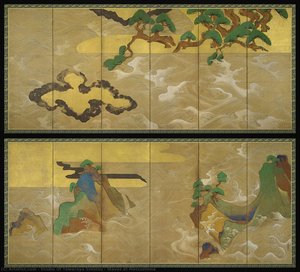
Datos clave
- Artistic Movement Or Style: Yamato-e, Rinpa school
- Date Of Death: Living
- Full Name: Studio Of Tawaraya Sōtatsu
- Nationality: Japanese
- Notable Artworks:
- Deer and Maple Leaves
- Waves at Matsushima
- Irises
Artículos relacionados

Katsushika Hokusai: Las 25 Obras Maestras del Ukiyo-e que Transformaron el Arte Japonés | ArtsDot
Descubre las 25 obras maestras de Katsushika Hokusai, el genio del ukiyo-e. Explora 'La Gran Ola', paisajes japoneses y su impacto en el arte moderno. Reproducciones de alta calidad para tu hogar en ArtsDot.com.
Floating World: The Captivating Art and Legacy of Japanese Ukiyo-e
Explore the profound beauty of Japanese Ukiyo-e. Discover the history, masters like Hokusai, and the enduring legacy of the 'Floating World' through an expert art-historical lens.
Serenity on Canvas: A Guide to the Timeless Beauty of Japanese Landscape Painting
Discover the serene beauty of Japanese landscape painting. From Hokusai's iconic woodblock prints to meditative sumi-e ink washes, explore a visual journey through the 'floating world' and learn how to bring this timeless Zen aesthetic into your modern home decor.

Suzuki Harunobu: Pioneering Ukiyo-e & the Refinement of Edo Period Printmaking
Discover the revolutionary world of Suzuki Harunobu, a pioneer of ukiyo-e printmaking. Explore his exquisite nishiki-e techniques, diverse subjects & lasting impact on Japanese art history. Learn more at ArtsDot.
Ephemeral Landscapes: Hiroshige's Poetics of Transient Beauty in Edo Japan
Explore the captivating world of Utagawa Hiroshige's ukiyo-e landscapes. Discover his artistic innovations, influence on Western art, and the poetics of transient beauty in Edo period Japan. A guide for collectors & enthusiasts.