

 Ver en contexto
 Enviar
 Compartir
 Detalles

 Descargar
 Similares
 Radiografía
 Presentación de diapositivas
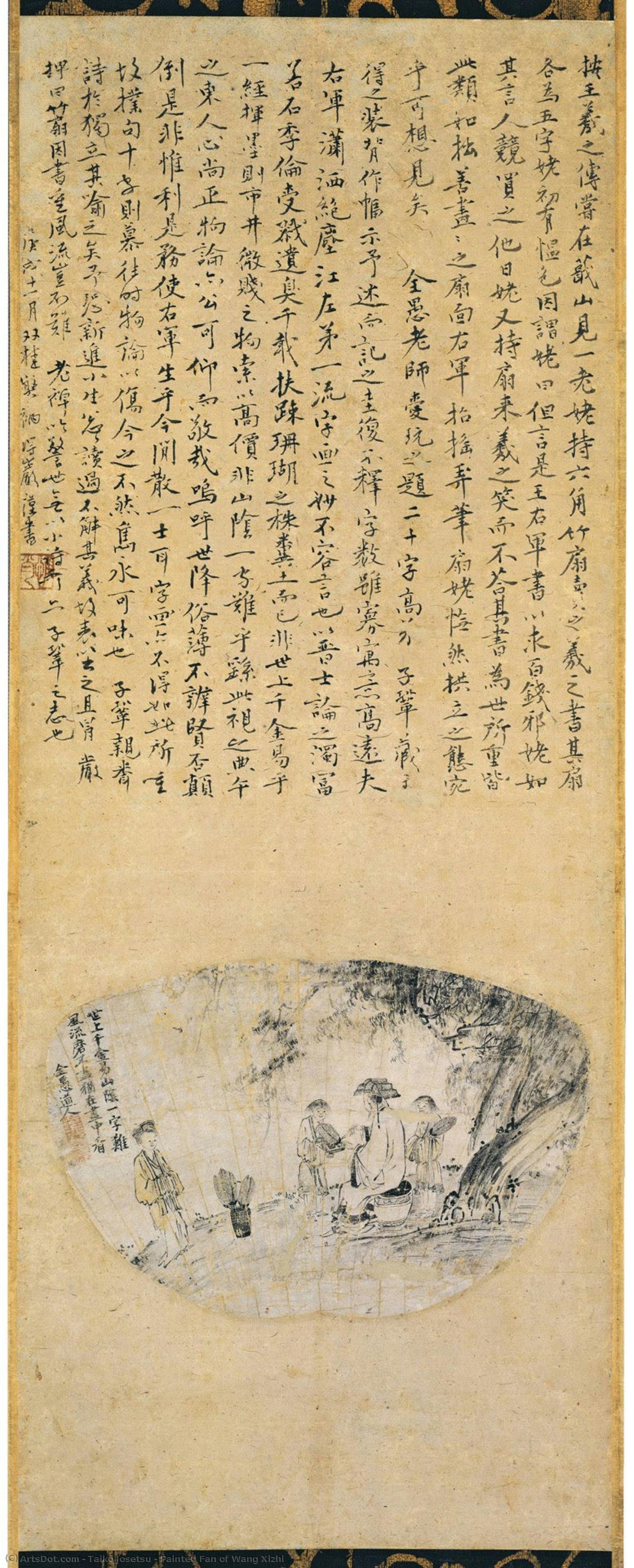
Painted Fan of Wang Xizhi

 Ver más
Adquiera una imagen digital de alta resolución y optimizada, muy superior a la vista previa en línea.
Cada archivo es preparado meticulosamente por nuestros especialistas internos mediante el uso de herramientas avanzadas y un experto retoque manual. Nos aseguramos de que cada imagen posea una claridad excepcional, una precisión cromática impecable y un detalle minucioso.
El archivo final se entrega por correo electrónico en un plazo de 72 horas, optimizado para su uso inmediato en entornos profesionales, editoriales y de impresión. Esta es la misma calidad en la que confían los estudios de diseño, las editoriales y las galerías de primer nivel.
Imagen Digital
Descarga un archivo de alta resolución para exhibición personal, impresión y proyectos creativos. ( Comprar impresión Comprar pintura hecha a mano)
Incluido en cada pedido de imágenes digitales
Entrega digital experta, garantizada.
Al elegir ArtsDot.com, no solo está adquiriendo una imagen; está recibiendo una obra de arte digital mejorada profesionalmente, elaborada con precisión y respaldada por una garantía de satisfacción. Esto es todo lo que incluye su pedido, automáticamente:

Entrega rápida por email
Recibirá su archivo de imagen digital en alta resolución por correo electrónico en un plazo de 72 horas tras realizar su pedido, listo para su uso inmediato.

Archivo digital optimizado por IA
Su obra de arte se optimiza profesionalmente mediante herramientas avanzadas de IA y edición manual, garantizando el máximo detalle, claridad y precisión cromática.

Reenvío gratuito de por vida
¿Has borrado o perdido tu archivo por error? No te preocupes: te lo volveremos a enviar en cualquier momento, sin coste adicional.

Sin gastos de importación, siempre
Disfrute de su obra de arte al instante sin aduanas, aranceles ni gastos de envío; las descargas digitales siempre están libres de impuestos.

Garantía de fidelidad de color
Garantizamos que su imagen digital refleje los colores originales con la mayor fidelidad posible, mediante el uso de herramientas profesionales y gestión del color.

Garantía de satisfacción de 60 días
Si no está satisfecho con su imagen digital, la revisaremos o le reembolsaremos el 100% en un plazo de 60 días, sin preguntas.

100% Garantía de devolución de dinero
¿No está satisfecho? Obtenga un reembolso completo dentro de los 60 días posteriores a la recepción de su archivo digital, sin necesidad de explicaciones.

Descuentos por pedidos grandes
Compra 3 imágenes, ahorra 10% - Compra 5, ahorra 15% - Compra 10+, ahorra 20%. Ideal para proyectos creativos, galerías y agencias.
Descripción del coleccionable
Obras relacionadas
Biografía del artista
Taikō Josetsu: The Father of Japanese Ink Painting
Josetsu (如拙; *fl.* 1405–1496) stands as a monumental figure in the history of Japanese art, recognized universally as the progenitor of *suiboku* style – monochromatic ink wash painting – and arguably the first practitioner of this influential technique. Despite the paucity of biographical details surrounding his life, Josetsu’s artistic legacy endures through his groundbreaking work, particularly “Catching a Catfish with a Gourd,” which cemented his place as one of the most revered artists of the Muromachi period (15th century). ### Early Life and Training in China Born around 1405 in Kyoto, Josetsu’s formative years were spent in China, where he received an intensive artistic education rooted in Zen Buddhism. Precise records concerning his family lineage remain elusive, but scholarly consensus suggests he descended from a noble clan with connections to the Fujiwara dynasty—a lineage known for its patronage of Buddhist art and scholarship. His training encompassed not only painting techniques but also calligraphy and meditation practices – disciplines inextricably linked within Zen aesthetics. This dual focus profoundly shaped Josetsu’s artistic worldview, prioritizing simplicity, contemplation, and conveying spiritual essence through visual representation. ### The Emergence of Suiboku Style: Innovation and Influence Josetsu’s pivotal contribution to Japanese art was the establishment of *suiboku* style—a revolutionary departure from prevailing polychrome techniques prevalent during his time. Prior to Josetsu's arrival in Japan, Chinese ink wash painting primarily utilized vibrant colors alongside monochrome washes; Josetsu decisively championed a purely black and white aesthetic, mirroring the Zen ideal of emptiness (*mu*) and achieving profound visual impact through subtle tonal variations. This stylistic innovation profoundly impacted subsequent generations of Japanese painters, establishing *suiboku* as the dominant form of landscape painting for centuries to come. His meticulous attention to detail—capturing textures like bamboo shoots and ripples on water—became a hallmark of this style. ### “Catching a Catfish with a Gourd”: A Zen Riddle Embodied Josetsu’s masterpiece, “Catching a Catfish with a Gourd,” exemplifies the artistic principles he championed. Painted circa 1413 for Ashikaga Yoshimochi—the fourth shogun of the Ashikaga shogunate and a devout disciple of Zen—the painting transcends mere depiction; it functions as a visual koan – a paradoxical riddle designed to provoke contemplation and challenge conventional understanding. The composition itself is deceptively simple: a solitary fisherman patiently awaiting his quarry against a backdrop of serene bamboo grove and flowing river. Yet, within this apparent stillness lies an intricate interplay of tonal gradations—a masterful demonstration of *suiboku* technique—that conveys not only the visual beauty of nature but also deeper philosophical concepts related to Zen mindfulness. The gourd symbolizes patience and perseverance, mirroring the fisherman’s unwavering focus on his task. ### Legacy and Enduring Significance Josetsu's influence extended far beyond his immediate contemporaries, shaping the trajectory of Japanese landscape painting for centuries afterward. His meticulous observation of natural forms combined with a profound understanding of Zen philosophy established *suiboku* as the quintessential expression of Japanese aesthetic ideals. Artists throughout subsequent eras drew inspiration from Josetsu’s approach—prioritizing tonal subtlety and conveying spiritual resonance—solidifying his position as the foundational figure in Japanese ink painting tradition. Today, “Catching a Catfish with a Gourd” remains housed at Taizō-in temple in Kyoto, serving as an enduring testament to Josetsu's artistic genius and the transformative power of Zen aesthetics. His work continues to inspire artists and scholars alike, ensuring his legacy persists as one of Japan’s most celebrated painters.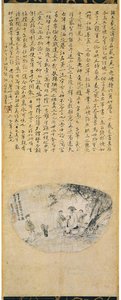
taikō josetsu
1496 , Japan
Breves datos
- Artistic Movement Or Style: Ink Wash Painting (Suiboku)
- Artists Or Movements Influenced By This Artist: ['Zen']
- Artists Who Influenced This Artist: ['Wang Xizhi']
- Date Of Death: 1496
- Full Name: Taikō Josetsu
- Nationality: Japanese
- Notable Artworks: ['Catching a Catfish with a Gourd']
- Place Of Birth: Kyoto, Japan

