

 Ver en contexto
 Enviar
 Compartir
 Detalles

 Descargar
 Similares
 Radiografía
 Presentación de diapositivas
 Estadísticas
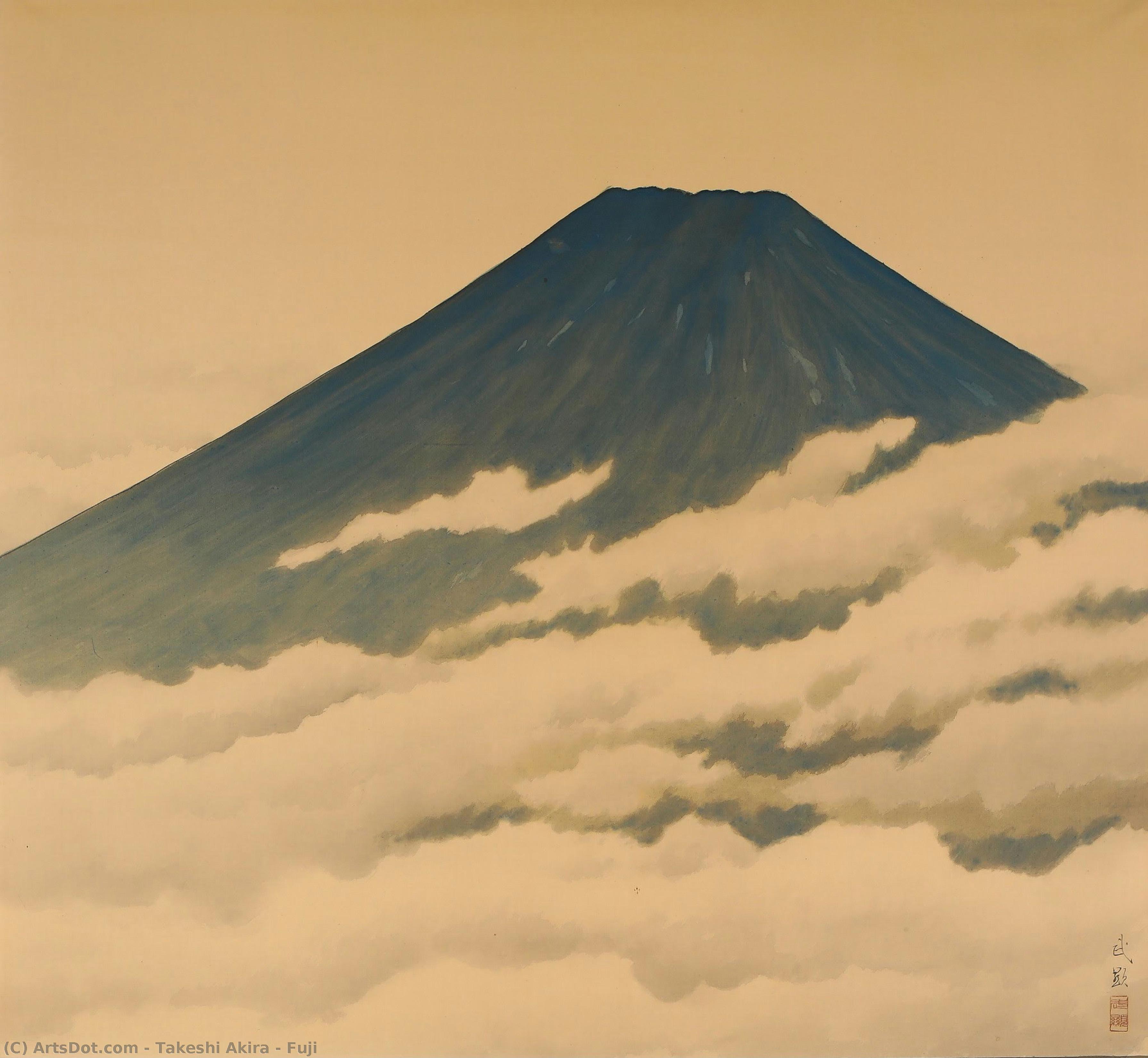
Fuji
 122.0 x 131.0 cm
 Ver más
Adquiera una imagen digital de alta resolución y optimizada, muy superior a la vista previa en línea.
Cada archivo es preparado meticulosamente por nuestros especialistas internos mediante el uso de herramientas avanzadas y un experto retoque manual. Nos aseguramos de que cada imagen posea una claridad excepcional, una precisión cromática impecable y un detalle minucioso.
El archivo final se entrega por correo electrónico en un plazo de 72 horas, optimizado para su uso inmediato en entornos profesionales, editoriales y de impresión. Esta es la misma calidad en la que confían los estudios de diseño, las editoriales y las galerías de primer nivel.
Imagen Digital
Descarga un archivo de alta resolución para exhibición personal, impresión y proyectos creativos. ( Cambiar a Impresión Comprar pintura hecha a mano)
Incluido en cada pedido de imágenes digitales
Entrega digital experta, garantizada.
Al elegir ArtsDot.com, no solo está adquiriendo una imagen; está recibiendo una obra de arte digital mejorada profesionalmente, elaborada con precisión y respaldada por una garantía de satisfacción. Esto es todo lo que incluye su pedido, automáticamente:

Entrega rápida por email
Recibirá su archivo de imagen digital en alta resolución por correo electrónico en un plazo de 72 horas tras realizar su pedido, listo para su uso inmediato.

Archivo digital optimizado por IA
Su obra de arte se optimiza profesionalmente mediante herramientas avanzadas de IA y edición manual, garantizando el máximo detalle, claridad y precisión cromática.

Reenvío gratuito de por vida
¿Has borrado o perdido tu archivo por error? No te preocupes: te lo volveremos a enviar en cualquier momento, sin coste adicional.

Sin gastos de importación, siempre
Disfrute de su obra de arte al instante sin aduanas, aranceles ni gastos de envío; las descargas digitales siempre están libres de impuestos.

Garantía de fidelidad de color
Garantizamos que su imagen digital refleje los colores originales con la mayor fidelidad posible, mediante el uso de herramientas profesionales y gestión del color.

Garantía de satisfacción de 100 días
Si no está satisfecho con su imagen digital, la revisaremos o le reembolsaremos el 100% en un plazo de 100 días, sin preguntas.

100% Garantía de devolución de dinero
¿No está satisfecho? Obtenga un reembolso completo dentro de los 100 días posteriores a la recepción de su archivo digital, sin preguntas.

Descuentos por pedidos grandes
Compra 3 imágenes, ahorra 10% - Compra 5, ahorra 15% - Compra 10+, ahorra 20%. Ideal para proyectos creativos, galerías y agencias.
Obras relacionadas








Biografía del artista
The Enigmatic Visionary: Takeshi Akira and the Cyberpunk Aesthetic
Takeshi Akira, born in Japan in 1980, is a name that resonates powerfully within the realms of manga and anime, though his existence is uniquely intertwined with the fictional universe he helped to define. While not a traditional biographical subject in the conventional sense, Akira’s impact as a character – specifically, his role within Katsuhiro Otomo's seminal work *Akira* – has cemented him as a significant figure in contemporary art and visual culture. He embodies the anxieties and aspirations of a generation grappling with technological advancement, societal decay, and the burgeoning potential of human consciousness. To understand Takeshi Akira is to delve into the heart of cyberpunk, exploring themes of psychic awakening, governmental control, and the very nature of reality itself. His story isn’t one of personal evolution documented through years of artistic practice, but rather a potent narrative woven into the fabric of Otomo's masterpiece, influencing countless artists and thinkers in its wake.A Child of Neo-Tokyo: Origins and Early Development
Within the sprawling metropolis of Neo-Tokyo, Takeshi Akira emerges as one of three espers – children possessing extraordinary psychic abilities, subjects of intense governmental scrutiny and experimentation. His early life is shrouded in secrecy, a consequence of his power and the government’s desire to weaponize it. This formative period, depicted with haunting imagery in *Akira*, establishes a core tension within the character: the struggle between individual agency and institutional control. He isn't simply a powerful being; he is a product of circumstance, molded by forces beyond his comprehension. The visual representation of these espers – often pale, ethereal figures radiating an otherworldly energy – immediately sets them apart from the gritty realism of Neo-Tokyo, hinting at their potential for both salvation and destruction. This duality becomes central to Akira’s arc, as he navigates a world teetering on the brink of collapse. The initial development of his powers is presented not as a triumphant blossoming but as a terrifying burden, isolating him from normalcy and placing him under constant observation.The Catalyst for Chaos: *Akira* and Tetsuo Shima
Takeshi Akira’s most significant contribution to the narrative lies in his connection with Tetsuo Shima, another esper whose psychic abilities spiral out of control. While Kaneda is often considered the protagonist, it is Akira's presence – both physical and metaphysical – that drives the central conflict. He serves as a focal point for Tetsuo’s escalating power, inadvertently triggering the catastrophic events that threaten to consume Neo-Tokyo. The relationship between the two espers isn’t one of mentorship or rivalry, but rather a complex interplay of fear, envy, and ultimately, destruction. Akira represents a controlled potential, while Tetsuo embodies unchecked chaos. This dynamic is visually stunningly portrayed in Otomo's work, with increasingly surreal and grotesque imagery reflecting Tetsuo’s psychic disintegration. Akira’s own passive role in the unfolding disaster highlights the dangers of unchecked power and the ethical implications of scientific experimentation. He becomes a symbol of both hope and warning, a testament to the fragility of human control in the face of overwhelming forces.Influences and Artistic Legacy
While Takeshi Akira himself isn’t an artist creating independent works, his design and narrative function are deeply rooted in a confluence of artistic influences. Otomo drew heavily from classic science fiction literature – particularly authors like Philip K. Dick – as well as Japanese folklore and mythology. The visual aesthetic of *Akira* blends the hyper-detailed realism of manga with elements of surrealism and body horror, creating a uniquely unsettling atmosphere. The character’s design reflects this blend, incorporating both futuristic elements and subtle nods to traditional Japanese iconography. Beyond *Akira*, Akira's influence can be seen in numerous subsequent works within the cyberpunk genre, including *Ghost in the Shell* and *Serial Experiments Lain*. His portrayal of psychic abilities has also resonated with artists exploring themes of consciousness, altered states, and the potential for human evolution.Historical Significance: A Cyberpunk Icon
Takeshi Akira’s enduring legacy lies not in a body of work but in his embodiment of the cyberpunk aesthetic. He represents a generation grappling with rapid technological change, societal alienation, and the anxieties surrounding unchecked power.- His character serves as a cautionary tale about the dangers of governmental control and scientific hubris.
- Akira’s psychic abilities symbolize the untapped potential – and inherent risks – of human consciousness.
- The visual representation of Akira, with its blend of futuristic elements and surreal imagery, has become iconic within the manga and anime community.
takeshi akira
1980 - , Japan
Breves datos
- Artistic Movement Or Style: Cyberpunk Art
- Artists Or Movements Influenced By This Artist: ['Ghost in the Shell']
- Artists Who Influenced This Artist: ['Katsuhiro Otomo']
- Full Name: Takeshi Akira
- Nationality: Japanese
- Notable Artworks: ['Akira']
- Place Of Birth: Japan