

 Ver en contexto
 Enviar
 Compartir
 Detalles

 Descargar
 Similares
 Radiografía
 Presentación de diapositivas
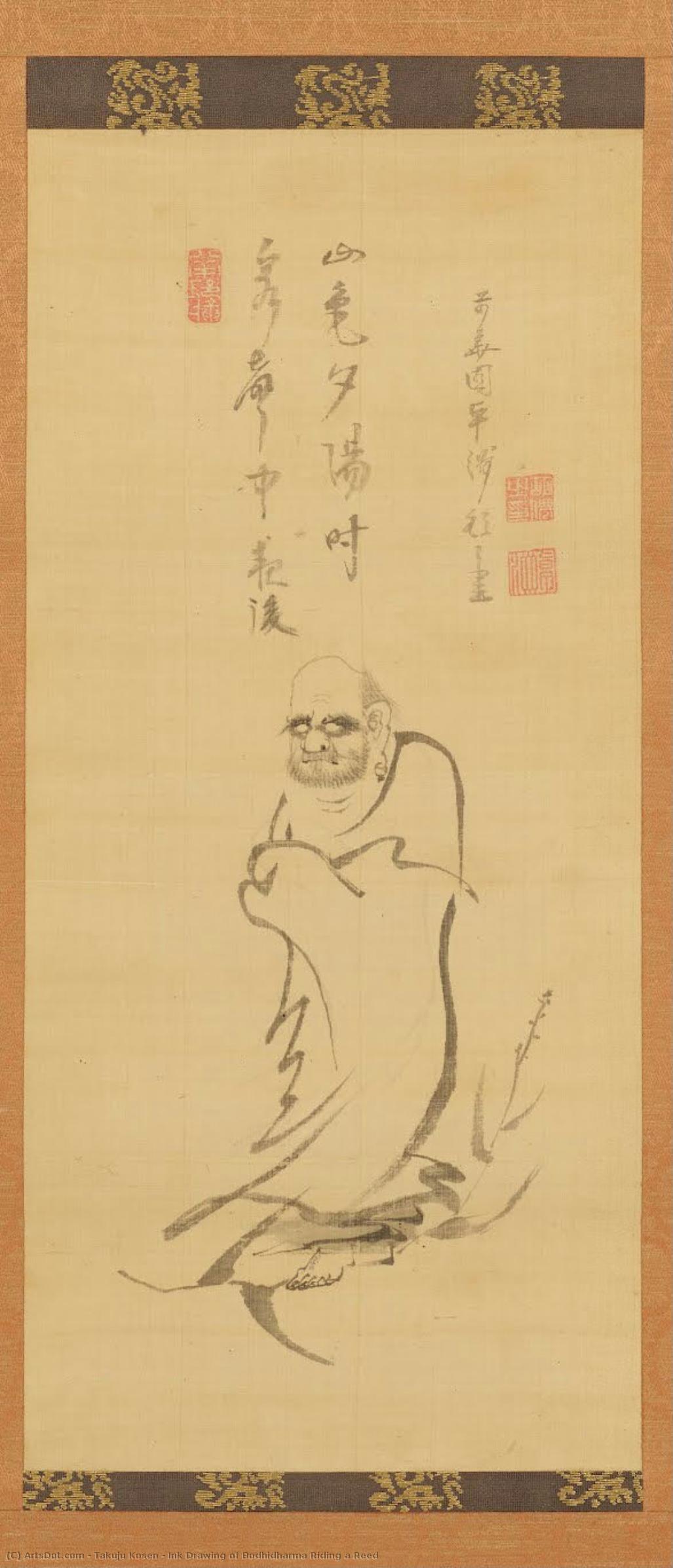
Ink Drawing of Bodhidharma Riding a Reed

 Ver más
Reproducción al óleo hecha a mano
Óleo sobre lienzo pintado a mano en el tamaño y marco de su elección, realizado por encargo por nuestros artistas. ( Comprar impresión Comprar imagen)




































Elija entre nuestros tamaños predefinidos que respetan las proporciones originales de la obra.

Puede ingresar sus propias dimensiones para adaptarse a un marco o espacio específico. Si el tamaño seleccionado no coincide con las proporciones de la imagen original, recortaremos la obra o extenderemos la pintura con elementos adicionales pintados a mano. Se le enviará una maqueta digital para su aprobación antes de comenzar la producción.
Tenga en cuenta que la vista previa en pantalla no refleja el recorte o la extensión reales. Solo la maqueta mostrará con precisión la composición final.
Si bien existen tamaños personalizados, recomendamos seleccionar una dimensión de la lista predefinida para preservar las proporciones originales.
Tras realizar el pedido, el equipo de ArtsDot.com enviará un correo electrónico al cliente para solicitar instrucciones y proporcionarle una vista previa del boceto.
Envío a todo el mundo () en 3-4 semanas en lugar de las 5 semanas estándar. (1 septiembre). Sin comprometer la calidad.

Envío exprés gratuito a todo el mundo

Lienzo de lino de alta calidad

Seguro de envío total

Garantía de reembolso de impuestos aduaneros

Garantía de fidelidad cromática exacta

Política de devolución de 60 días (solo por defectos)

Garantía de devolución del 100% del dinero

Descuento por cantidad
 La opción de vidrio solo está disponible en tamaños inferiores a 110 cm.

Ink Drawing of Bodhidharma Riding a Reed
Técnica de reproducción
Dimensiones de la reproducción
-


Precio total final
$ 263
Obras relacionadas
Biografía del artista
Takuju Kosen: Illuminating Zen Through Ink
Takuju Kosen (1760 – 1833), a name synonymous with profound influence within the Hakuin Zen School, stands as one of Japan’s most revered figures in Buddhist art. Born into a family steeped in Confucian tradition, Kosen’s path diverged dramatically towards enlightenment at a young age, dedicating himself to monastic life and ultimately establishing a distinctive artistic lineage that continues to resonate today. His legacy rests not merely on his paintings but on the seminal text “The Undying Lamp of Zen,” which meticulously documented Hakuin Ekaku's teachings—a cornerstone for understanding Kosen’s artistic vision.Early Life and Training
Kosen’s formative years were spent diligently studying Confucian classics alongside Buddhist scriptures, fostering a balanced intellectual framework that would inform his later artistic endeavors. Recognizing the importance of experiential practice, he embarked on a rigorous monastic journey culminating in ordination as a Rinzai monk. This dual perspective—the reasoned contemplation of Confucian ethics combined with the intuitive understanding cultivated through Zen meditation—became the bedrock upon which Kosen’s artistic sensibilities were built. He sought knowledge not only from texts but from direct observation of the natural world, believing that confronting reality head-on was essential to unlocking spiritual insight.The Influence of Hakuin Ekaku
Kosen’s spiritual mentor, Hakuin Ekaku—a towering figure in Zen Buddhism—shaped his artistic sensibilities profoundly. Ekaku championed the integration of Confucian ethics with Zen meditation, advocating for a harmonious blend of intellectual contemplation and intuitive understanding. This dual perspective became central to Kosen's own approach to painting. Ekaku’s teachings emphasized the importance of accepting impermanence and cultivating compassion – principles that found their visual expression in Kosen’s landscapes, where he sought to capture not just beauty but also the underlying harmony of existence.Kosen’s Artistic Style: A Pursuit of Naturalism
Unlike many contemporaries who favored stylized representations—often prioritizing decorative effect over spiritual depth—Kosen pursued a remarkably realistic depiction of nature. He believed that observing the natural world served as a conduit for accessing enlightenment, mirroring the Zen practice of mindfulness and attentive awareness. His technique involved layering ink washes with subtle gradations of tone, creating luminous surfaces that conveyed both visual beauty and spiritual depth. This painstaking process reflected the meticulous discipline demanded by Zen meditation itself—a dedication to capturing the essence of reality through careful observation and skillful execution. The resulting paintings are characterized by an understated elegance and a profound sense of tranquility.“The Undying Lamp of Zen” and Kosen’s Legacy
Perhaps Kosen's most enduring contribution was “The Undying Lamp of Zen,” his influential treatise on Hakuin Ekaku’s teachings—a cornerstone for understanding Kosen’s artistic vision. This scholarly work solidified his position as a pivotal thinker and artist who bridged the gap between Confucian ethics and Zen practice, demonstrating that profound spiritual insight could be achieved through both intellectual inquiry and contemplative experience. His legacy continues to inspire artists and scholars alike—a testament to the transformative power of art rooted in philosophical understanding. Takuju Kosen remains an exemplar of artistic integrity and spiritual devotion, securing his place among Japan’s most significant cultural icons.Notable Works: “Ink Drawing of Bodhidharma Riding a Reed”
Among Kosen’s celebrated paintings is “Ink Drawing of Bodhidharma Riding a Reed,” a masterful example of his signature style—a serene landscape infused with symbolic resonance. The reed, representing resilience and uprightness, embodies the core tenets of Zen philosophy: perseverance in meditation and unwavering adherence to ethical conduct. This artwork exemplifies Kosen's commitment to conveying spiritual truth through visual representation, capturing not merely the appearance of nature but also its underlying harmony and transformative potential. It stands as a powerful reminder that beauty can serve as a catalyst for enlightenment—a principle central to Kosen’s artistic philosophy.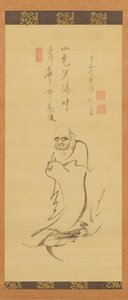
卓洲胡僊 Takujū Kosen
1760 - 1833 , Japón
Datos clave
- Artistic Movement Or Style: Zenga Zen Painting
- Artists Or Movements Influenced By This Artist: ['Hakuin Zen School']
- Artists Who Influenced This Artist:
- Gasan Jitô
- Hakuin Ekaku
- Date Of Birth: 1760
- Full Name: Takuju Kosen
- Nationality: Japonés
- Notable Artworks: ['Dibujo de Bodhidharma montado en bambú']
- Place Of Birth: Tajima, Japón

