

 Ver en contexto
 Enviar
 Compartir
 Detalles

 Descargar
 Similares
 Radiografía
 Presentación de diapositivas
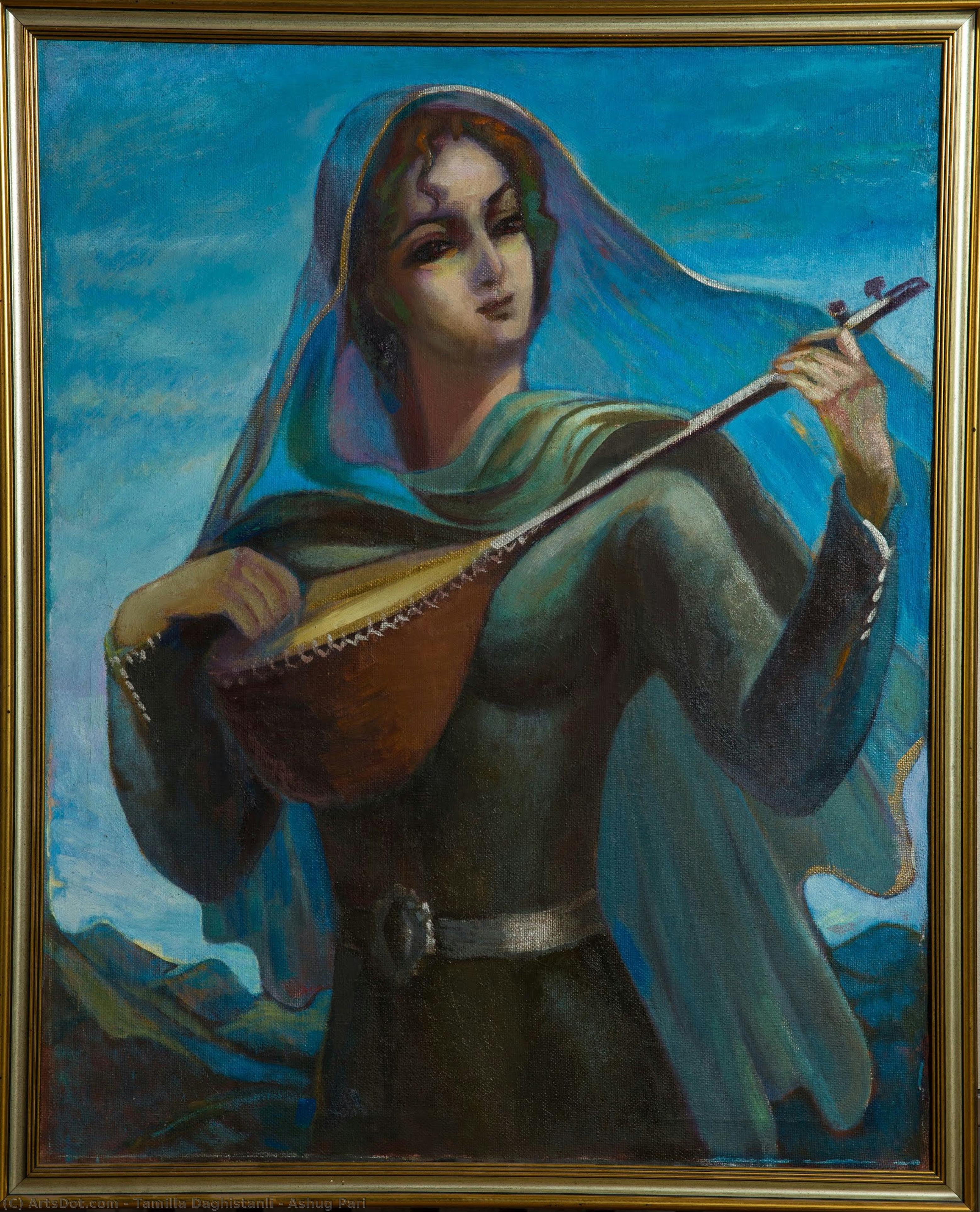
Ashug Pari

 Ver más
Giclée / Impresión de arte
Impresiones giclée o en lienzo de calidad de museo con producción rápida y opciones de acabado flexibles. ( Comprar pintura hecha a mano Comprar imagen)




































Elija entre nuestros tamaños predefinidos que respetan las proporciones originales de la obra.

Puede introducir sus propias dimensiones para adaptarse a un marco o espacio específico. Si el tamaño seleccionado no coincide con las proporciones de la imagen original, recortaremos la obra de arte o extenderemos la imagen con un borde con efecto espejo o de color sólido. Se enviará una maqueta digital para su aprobación antes de que comience la producción.
Tenga en cuenta que la vista previa en pantalla no refleja el recorte o la extensión real. Solo la maqueta mostrará con precisión la composición final.
Aunque existen tamaños personalizados, recomendamos seleccionar una dimensión de la lista predefinida para preservar las proporciones originales.
Envío a todo el mundo () en 2 semanas en lugar de las 4/5 semanas estándar. (6 septiembre)

Envío exprés gratuito a todo el mundo

Lienzo de lino de alta calidad

Seguro de envío total

Garantía de reembolso de impuestos aduaneros

Garantía de fidelidad cromática exacta

Política de devolución de 100 días (solo por defectos)

Garantía de devolución del 100% del dinero

Descuento por cantidad
 La opción de vidrio solo está disponible en tamaños inferiores a 110 cm.

Ashug Pari
Giclée / Impresión de arte
Dimensiones de la reproducción
-


Precio total final
$ 62
Obras relacionadas








Biografía del artista
Tamilla Daghistanli: A Voice of the Steppe
Born into a landscape sculpted by ancient migrations and whispered legends, Tamilla Daghistanli’s art is inextricably linked to her Azerbaijani heritage. Her work, deeply rooted in the traditions of the Ashug (troubadour) – storytellers and poets of the nomadic steppe – offers a poignant reflection on identity, memory, and the enduring spirit of her people. Daghistanli's journey as an artist began not with formal training, but with a profound connection to the oral tradition of her region, absorbing the rhythms, narratives, and visual imagery passed down through generations.
Growing up in the foothills of the Caucasus Mountains, Tamilla was immersed in a culture where storytelling held immense power. The Ashug’s role wasn't merely entertainment; it was a vital link to history, morality, and community. These itinerant bards carried tales of epic battles, tragic love affairs, and philosophical musings, often accompanied by the haunting melodies of the *dutar* (a two-stringed lute) – an instrument that would become central to her artistic expression. This early exposure profoundly shaped her aesthetic sensibility, informing a style characterized by raw emotion, symbolic imagery, and a deliberate connection to the land.
The Language of Symbols
Daghistanli’s paintings are rich in symbolism drawn from Azerbaijani folklore, mythology, and nomadic life. Horses – both majestic and wild – frequently appear, representing strength, freedom, and the enduring spirit of the steppe people. Geometric patterns, reminiscent of traditional carpets and tribal designs, weave through her compositions, adding layers of meaning and connecting her work to a deep cultural history. The use of earthy tones—ochre, umber, and sienna—evokes the colors of the landscape and reinforces the artist’s connection to her roots.
Central to her artistic vocabulary is the motif of the *dutar*. Often depicted in her paintings, either as a physical object or as an embodiment of musicality, it symbolizes storytelling, tradition, and the transmission of knowledge. The instrument's strings are frequently rendered with intricate detail, suggesting not just its sound but also its tactile presence – inviting viewers to imagine the hands that have shaped it over centuries.
Technique and Process
Daghistanli’s technique is characterized by a deliberate layering of paint and texture. She often employs thick impasto techniques, building up layers of color to create a palpable sense of depth and physicality. Her brushstrokes are expressive and gestural, conveying emotion and movement with remarkable immediacy. While she primarily works in oil on canvas, she frequently incorporates mixed media elements – fragments of textiles, beads, and other found objects—into her paintings, further enriching their tactile quality and symbolic resonance.
The artist’s process is deeply intuitive and responsive to the subject matter. She often begins with sketches inspired by oral narratives or personal experiences, gradually developing them into fully realized paintings. Daghistanli describes her work as a dialogue between herself, the stories she tells, and the materials she uses – a continuous exchange of ideas and emotions.
Recognition and Legacy
Tamilla Daghistanli’s art has garnered increasing recognition both within Azerbaijan and internationally. Her work has been exhibited in numerous galleries and museums, including the National Art Museum of Azerbaijan and several prominent international venues. Her paintings have been praised for their emotional depth, technical skill, and profound connection to Azerbaijani culture.
More than just an artist, Daghistanli is a custodian of her people’s stories – a voice for the steppe, preserving and reimagining its rich cultural heritage through the power of visual art. Her work serves as a vital reminder of the enduring strength and resilience of Azerbaijan's nomadic traditions, offering a glimpse into a world where storytelling, music, and landscape are inextricably intertwined.
tamilla daghistanli
Azerbaijan
Datos clave
- Artistic Movement Or Style: Contemporary Azerbaijani art
- Full Name: Tamilla Daghistanli
- Nationality: Azerbaijani
- Notable Artworks: ['Ashug Pari']
- Place Of Birth: Azerbaijan